The Paris issue
Before Paris Wakes: The City's Secret Life at Dawn
A slow-travel route through the hour when the porters, swimmers and bakers own Paris — where to be, when, and whether to bring the group.

By Sasha LindholmThe unhurried side of Paris
For an hour or two before the cafés unstack their chairs, Paris belongs to the people who keep it running: the market porters and the lap swimmers, the bakers pulling the first trays, the runners tracing the quays. The light is low and level, the pavements are wide and unclaimed, and the monuments you queued for yesterday stand almost alone. This is a guide to that narrow window — where to be, at what hour, and whether a place rewards a full group or asks you to come quietly on your own. For everything that happens after the chairs come down, keep the full Paris guide to hand; what follows is only the part that ends by mid-morning.
Before the sun: the true market hour
There is early, and then there is the hour when the rest of the city is still asleep and one corner of it is already winding down. That corner is Rungis International Market (Chevilly-Larue, on the southern edge beyond the Périphérique), the vast wholesale market that feeds Paris and much of France. It is trade-only, which means you cannot simply turn up; the single public way in is a guided group visit sold through Exploreparis, with a coach pickup around 04:00 and breakfast afterwards in a market brasserie among people finishing their shift. Reckon on €95–€150 per person including the transfer and that breakfast, and note there are no under-13s.
Of everything in this guide, Rungis is the one experience that genuinely exists only in the dark. By 8am the halls are quiet and hosed down; the whole point evaporates with the sunrise. It suits an organised group better than a couple — you are on a coach on someone else's schedule — and public dates are limited, so book well ahead rather than hoping for a slot. If you want a single story to bring home from an early Paris, this is it.
Plan your Paris trip
Live prices from our booking partners.
Free cancellation on many rooms. We may earn a commission when you book.
First light, from above and along the water
When the market crowd is a specialist's outing, the classic dawn move is simpler: get high, and get there before the sun. Basilique du Sacré-Cœur (Montmartre, on the butte in the 18th) sits on the highest natural point in the city, and its terrace is free, open and unlimited in size — no booking, no door, nothing to suit or exclude any group. Arrive before sunrise and the long flight of steps is almost yours, before the street artists set up and the selfie sellers arrive. The basilica interior opens early too, for a quiet visit while the nave is still cool and empty; the dome climb, if you want the wider view, is around €8. This is the one spot where coming genuinely early changes the character of the place rather than just the queue.
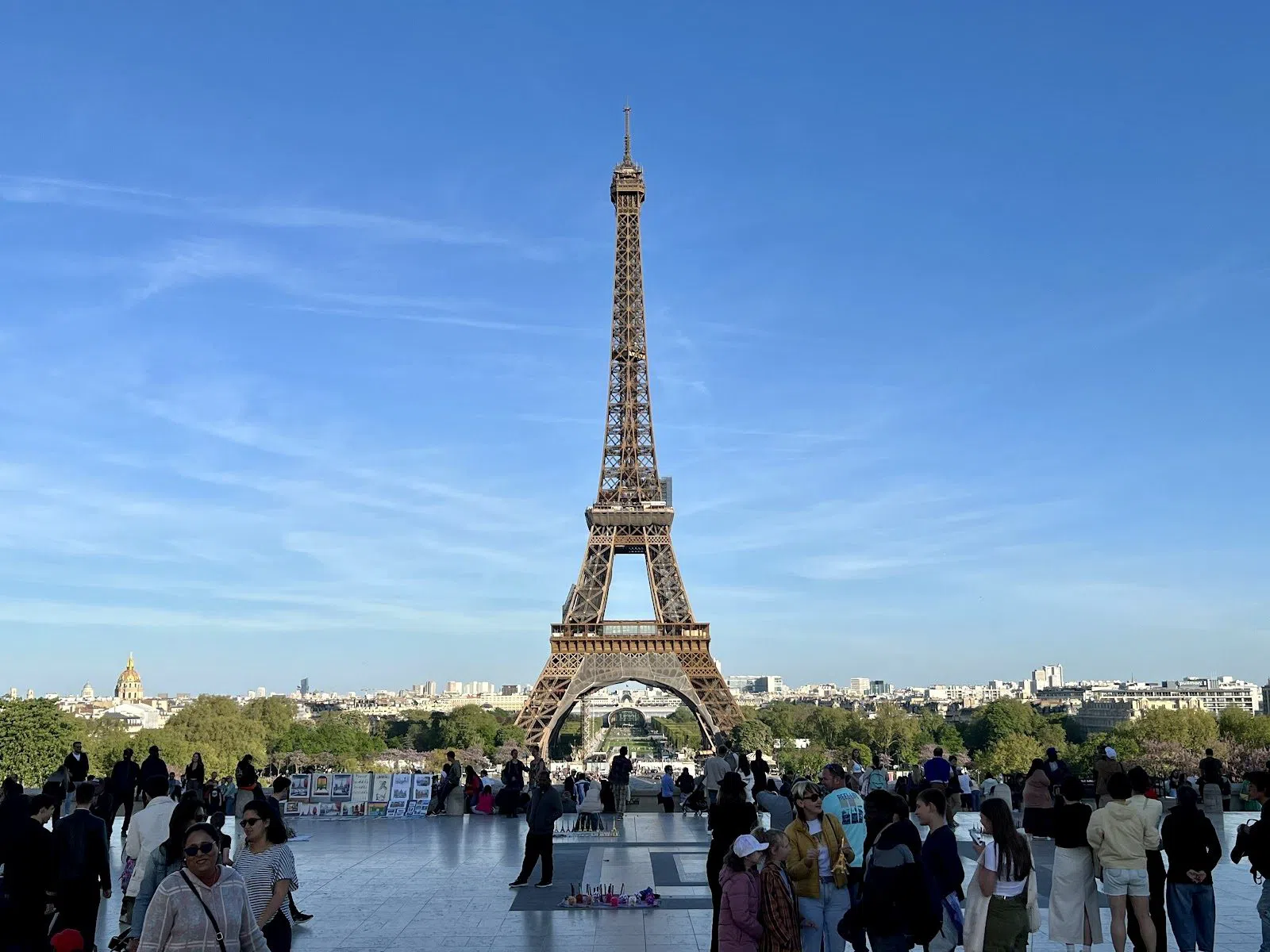
For the other postcard, cross the river to Place du Trocadéro (the Parvis des Droits de l'Homme, in the 16th). This open public square gives the definitive unobstructed view of the Eiffel Tower, and it is the go-to meeting point for photo groups and the start of many tours — which is exactly why sunrise matters. It is the only time of day the terrace is uncrowded, the tower catching first light with no one standing in the frame. It is free and unlimited, so bring whoever you like, then walk it off: drop down toward the Seine and follow the water while the city is still quiet.
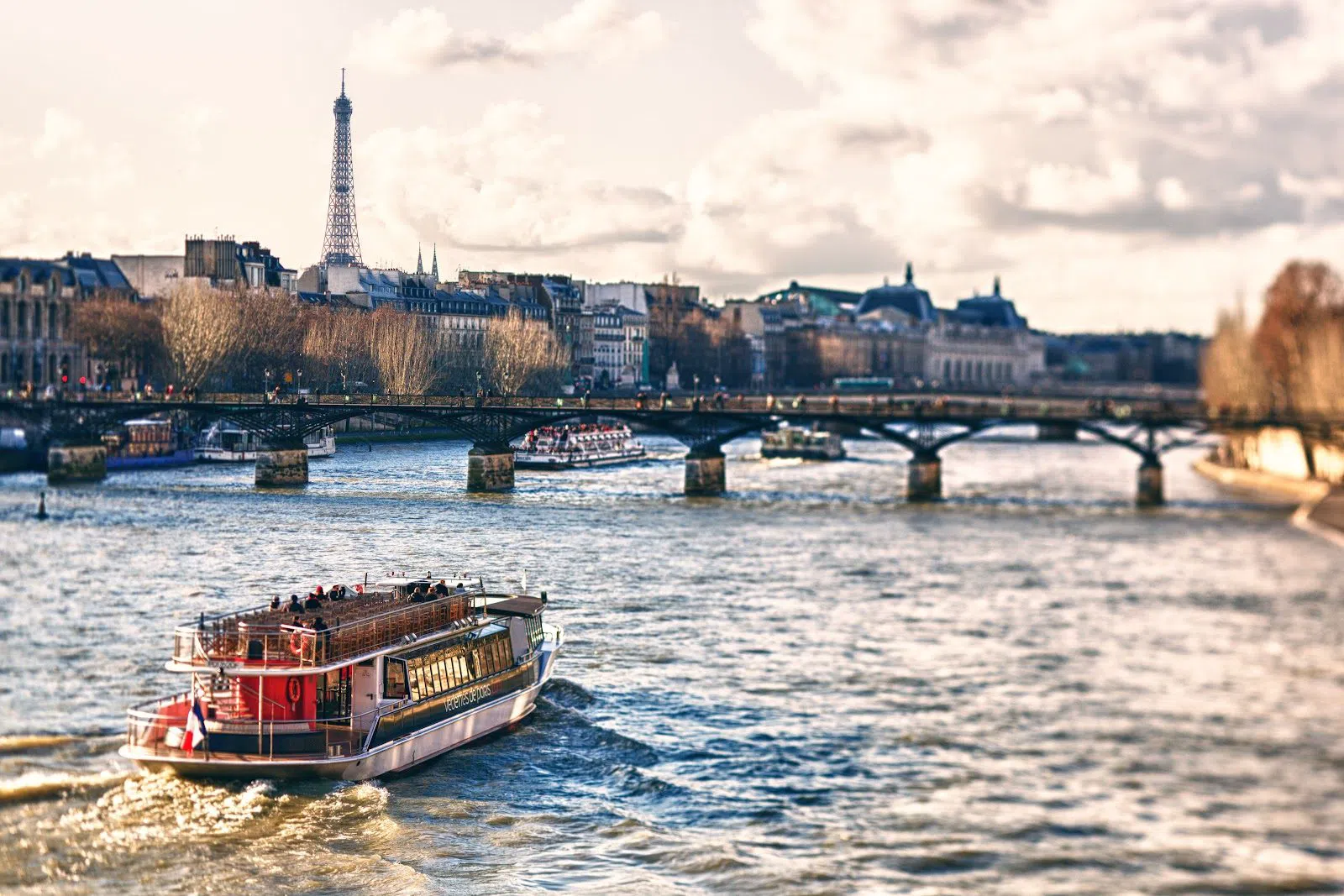
That riverside instinct has a floating version. A Seine sunrise river cruise with Vedettes de Paris puts you on a large-capacity boat that takes groups without fuss, and the earliest departures are the quietest by a wide margin — soft morning light, a fraction of the passengers you'd share an evening sailing with, at roughly €15–€20 for an adult. One honest caveat: the first departure time shifts with the season, so verify it for your month rather than trusting a single posted hour. It is the least strenuous way to see the bridges wake up.
Moving through the empty streets
The emptiness of early Paris is best felt on the move, and there are three good ways to do it depending on how hard you want to work.
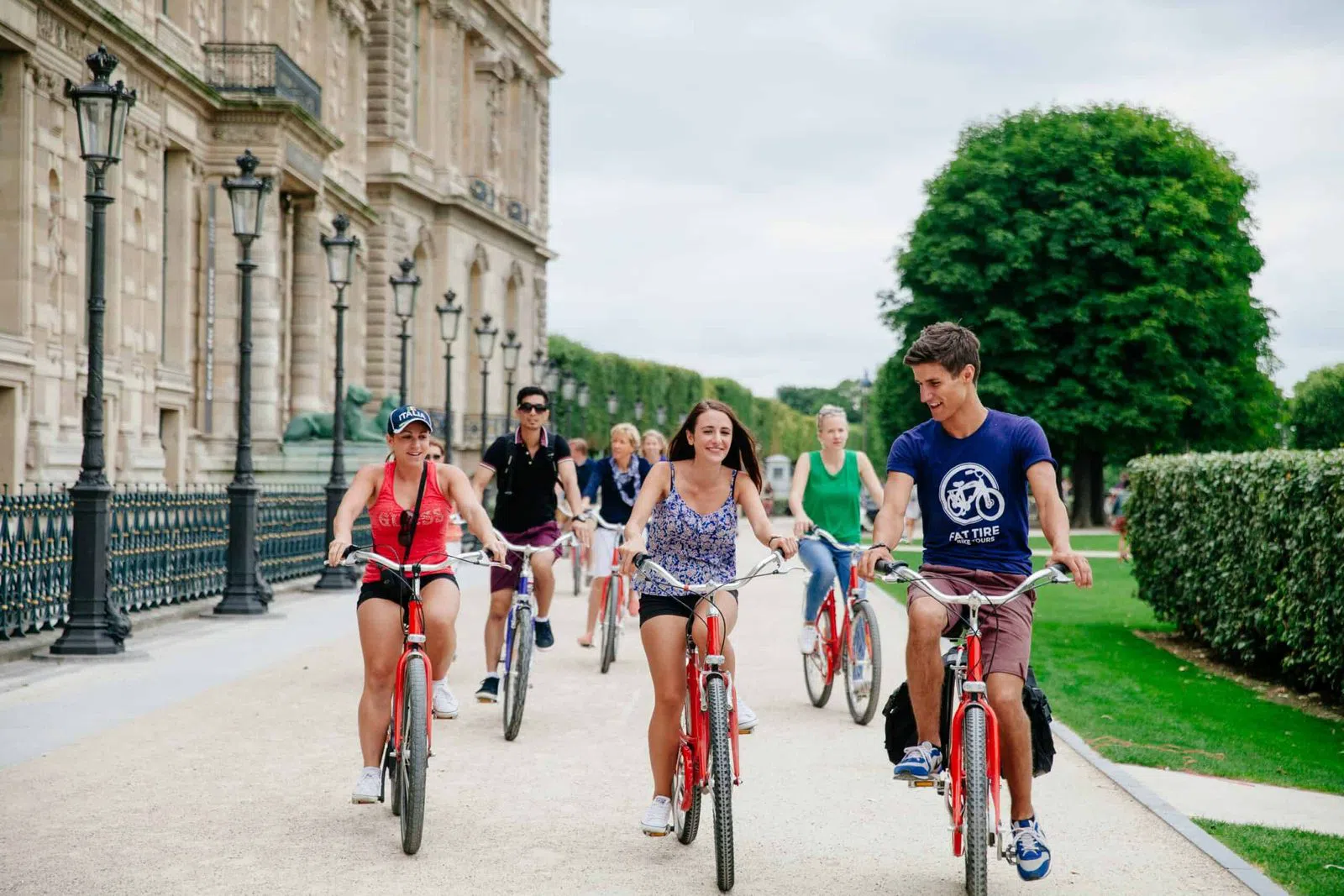
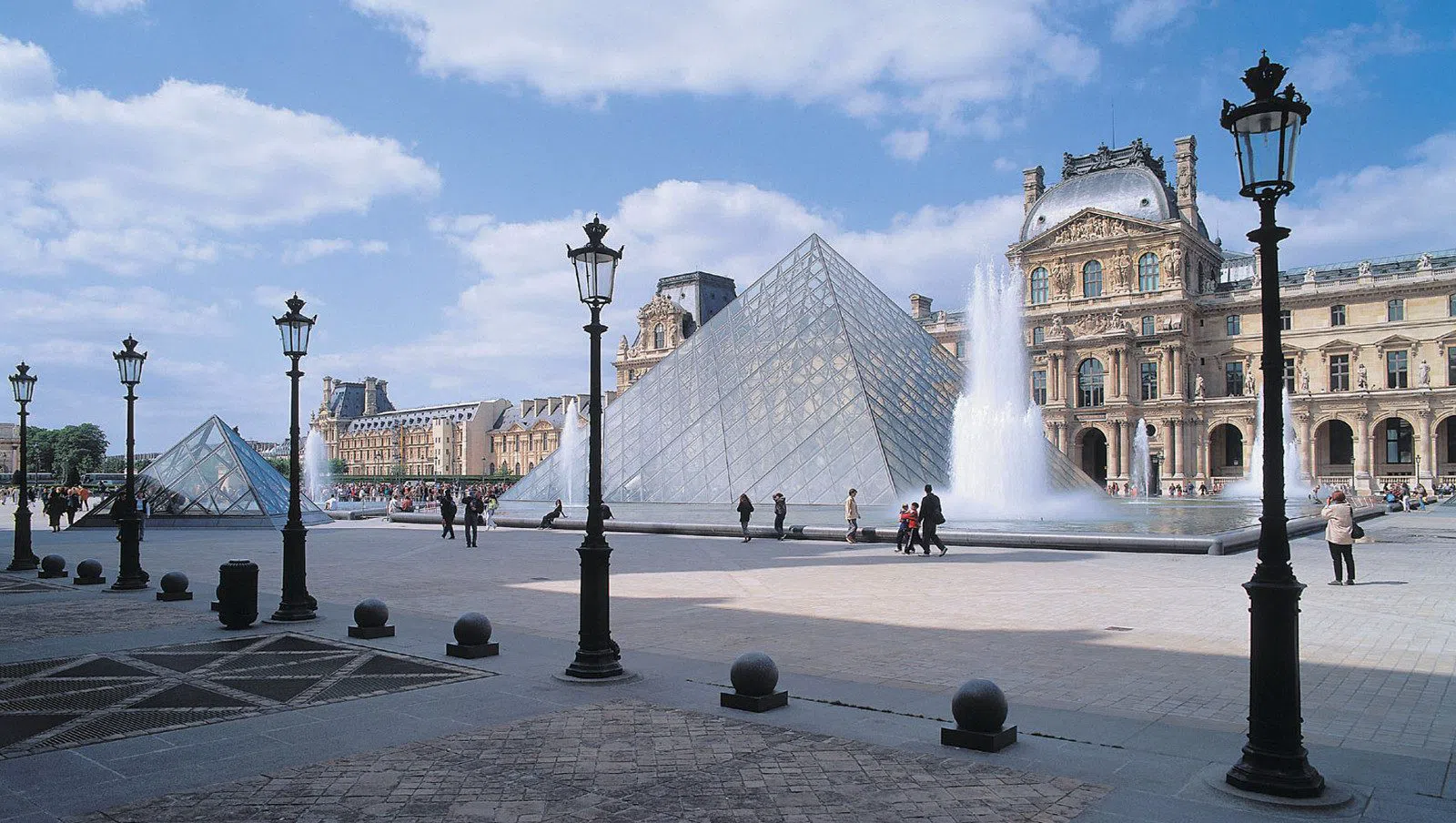
The gentlest is a saddle. Fat Tire Tours — Paris morning bike tour is a long-running, English-speaking operator that explicitly runs both small- and large-group departures, including dedicated group and student bookings, so it scales to a family or a whole party. The ride is about three to three-and-a-half hours at an easy pace, roughly €44–€54 per person, and the morning start is the reason to choose it: it catches the Louvre courtyards and the Tuileries in quiet light before the coaches unload. It is the most reliable pick for a mixed international group who want structure and a guide rather than a map.
The most demanding — and the earliest — is on foot at speed. RunRun Tours — Paris sunrise running & sightseeing tour is built for small groups of up to about ten and can be booked privately for your own party. You cover six to ten kilometres at your own pace, guided, for around €40–€60, and the genuine sunrise start turns the sightseeing into the morning's exercise before the city is properly awake. It is a distinct operator from the bike tour, and a much better fit for an active group than for anyone hoping to stroll.
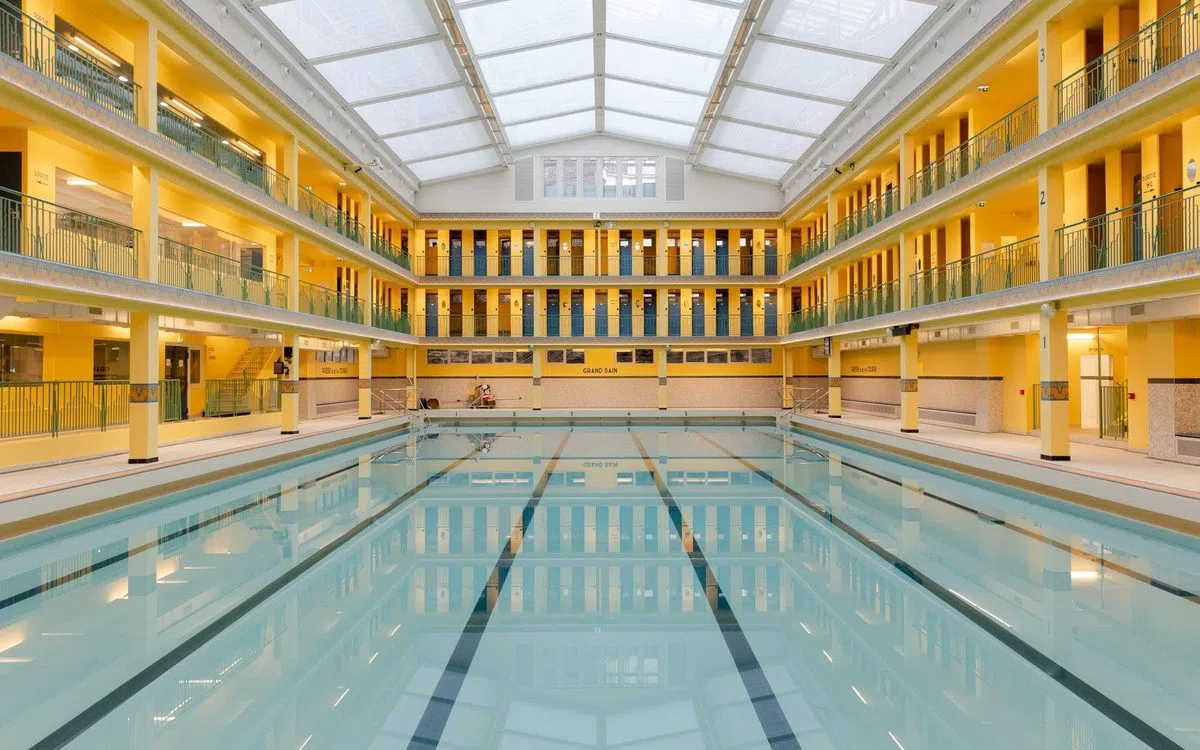
Between the two sits something quieter and unmistakably local: a swim. Piscine Pontoise (in the 5th, in the Latin Quarter) is a municipal pool with early-bird lap sessions from 07:00, open to individuals and small groups alike, with a swim cap required and entry around €4.80. Swimming laps under the Art Deco glasswork before work is one of the cheapest and most quintessentially Parisian ways to start a day — and one almost no visitor thinks to do. The 07:00–08:30 window is for lap swimmers, so it suits a couple or a solo traveller more than a large, loose group.
Breakfast, the way locals take it
By the time the sun is properly up, the question becomes where to eat, and early Paris rewards you for choosing the working bakeries and markets over anywhere that trades on a view.
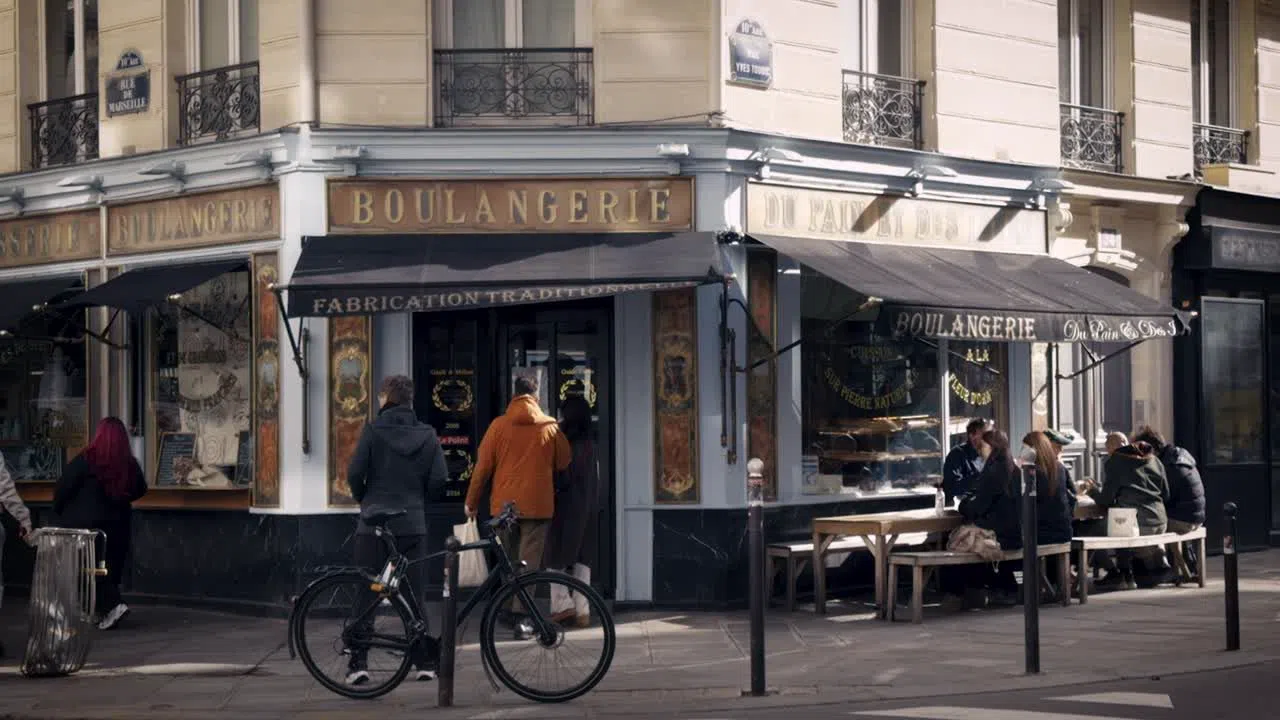
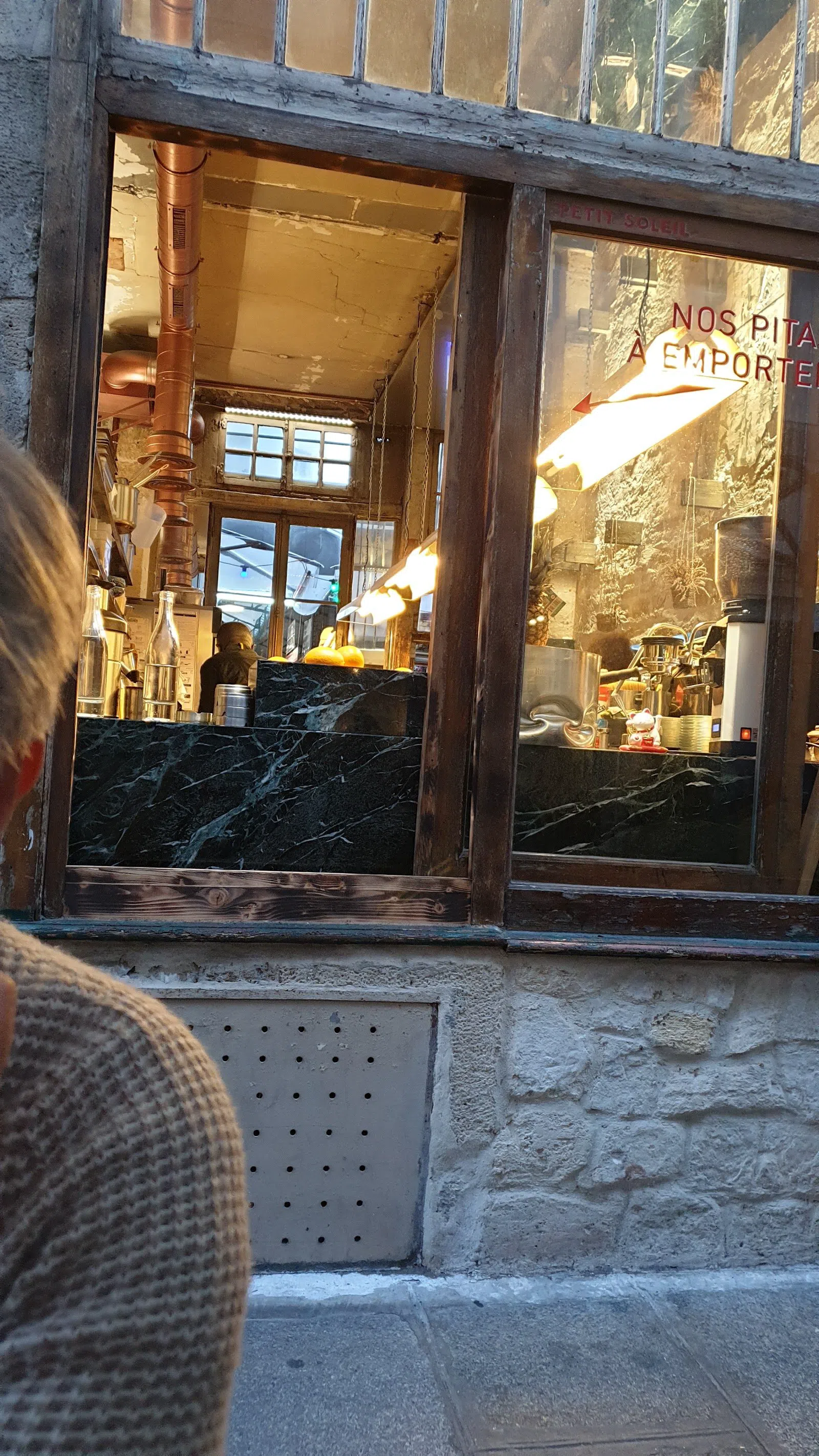
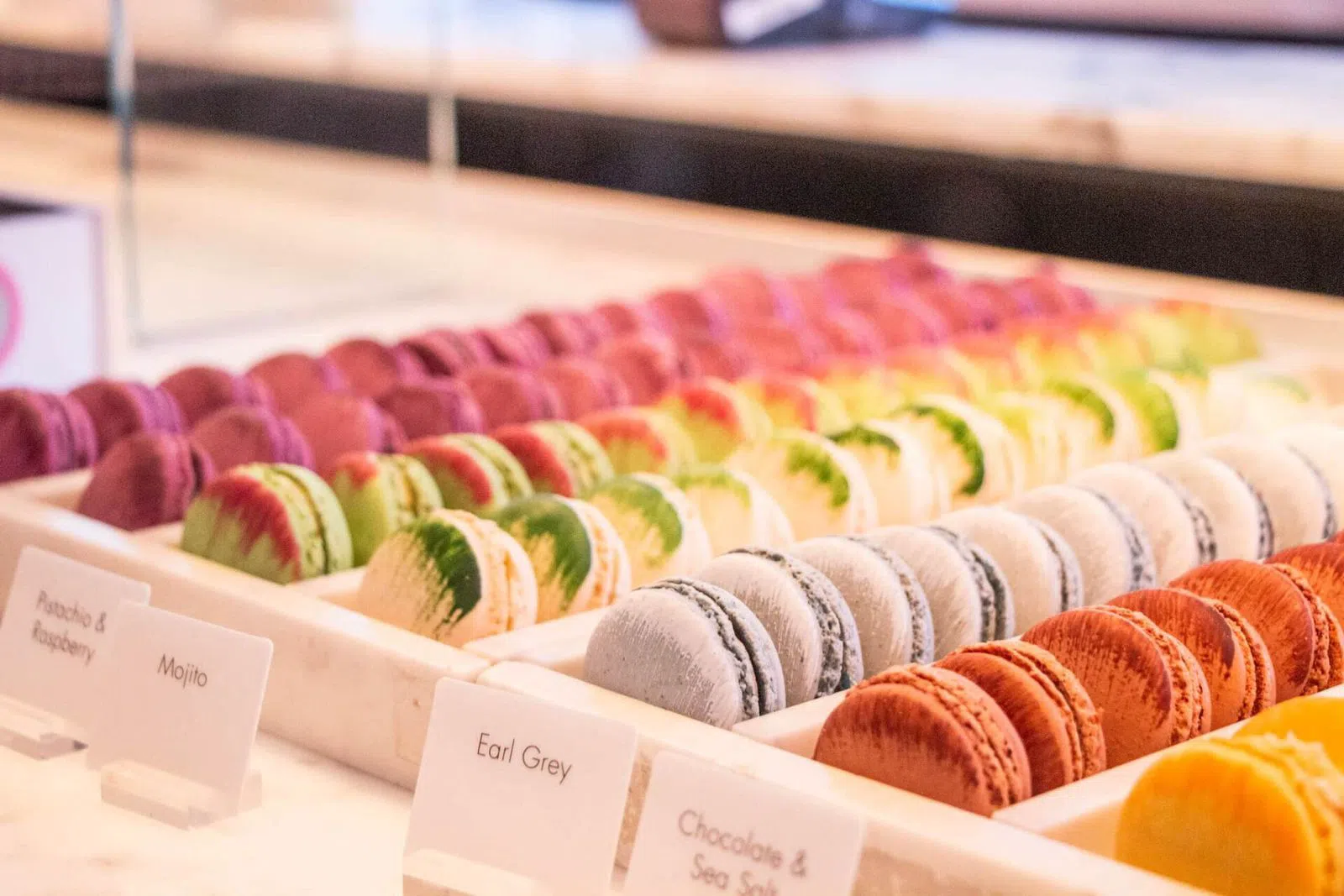
Start with the pastry itself. Du Pain et des Idées (in the 10th, near the Canal Saint-Martin) opens at 06:45 and closes at weekends, which tells you exactly what kind of shop it is — a bakery for the neighbourhood, not for the itinerary. It is tiny, with no seating and usually a short queue, and the best things sell out by late morning; the signature is the pistachio-chocolate escargot, and pastries run €2–€6. It is perfect for a small group grabbing breakfast to carry off and eat by the canal, and hopeless for anyone wanting to sit down.
For something to browse rather than buy-and-go, Marché d'Aligre (in the 12th) is one of the city's most authentically local morning markets, its outdoor stalls trading from 07:30, Tuesday to Sunday. It is free to wander with any size of group, the produce is cheap, and there are cafés along the edge for coffee while you decide what to carry away. Come early, when it is liveliest and the stalls are freshest — by midday the energy has gone out of it.
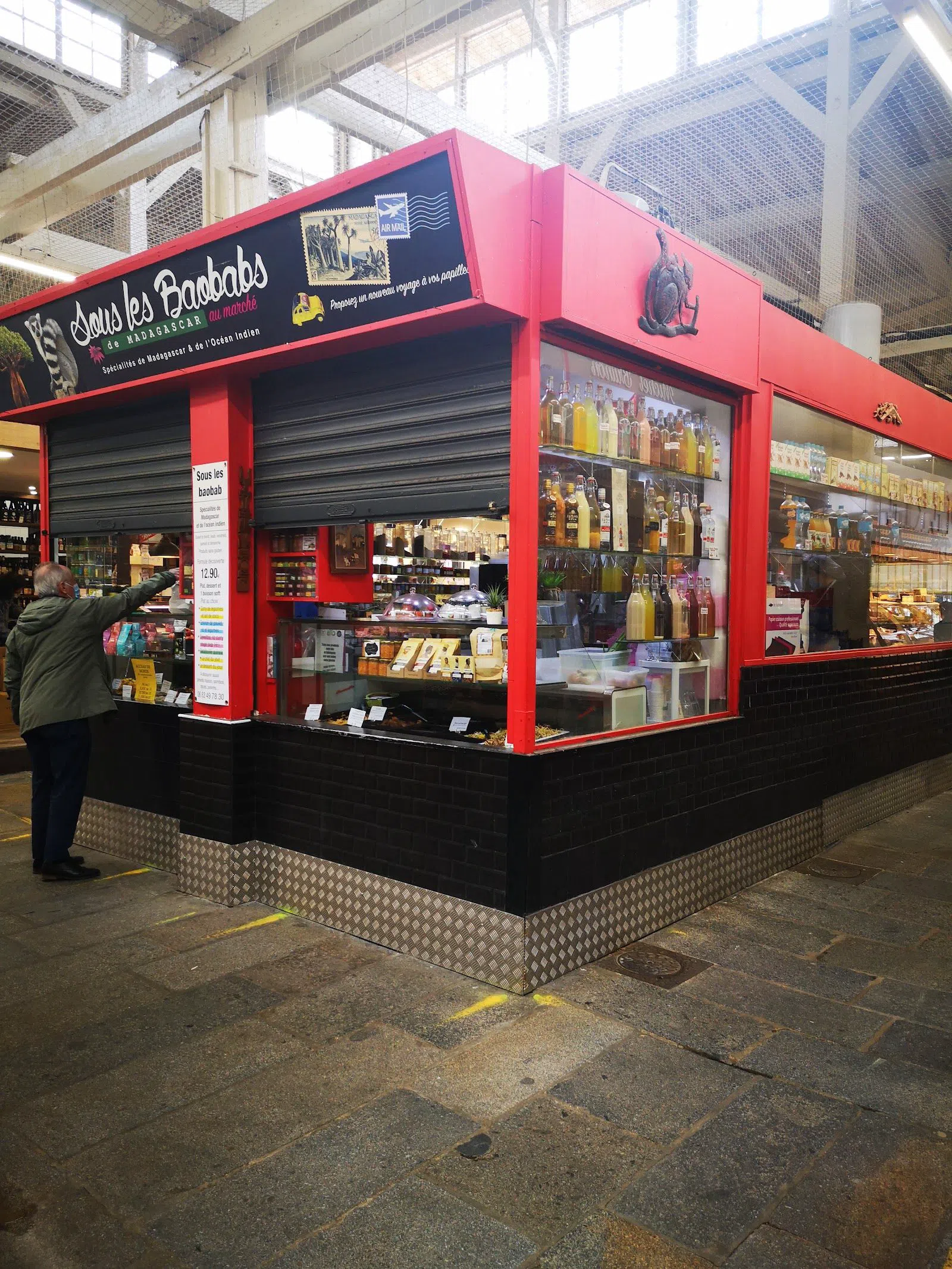
If you'd rather sit and be served among locals, Marché des Enfants Rouges (in the 3rd, in the Marais) is the oldest food market in the city, a covered hall with communal tables and cooked plates from €10–€18. It opens at 08:30 and closes on Mondays; the lanes are narrow, so small groups fit far better than large ones, and going early is the way to eat breakfast in peace before the lunch crush takes every table.
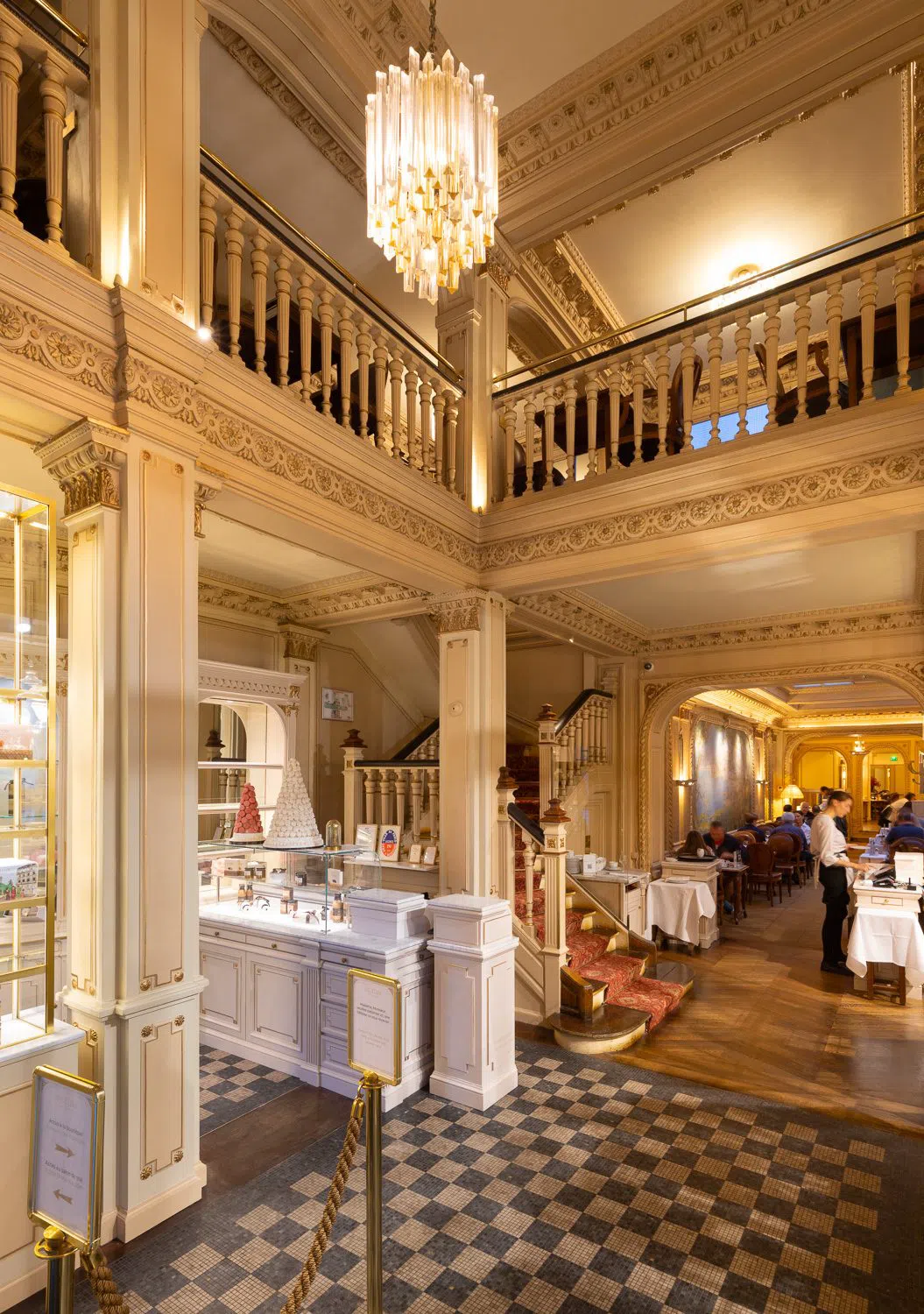
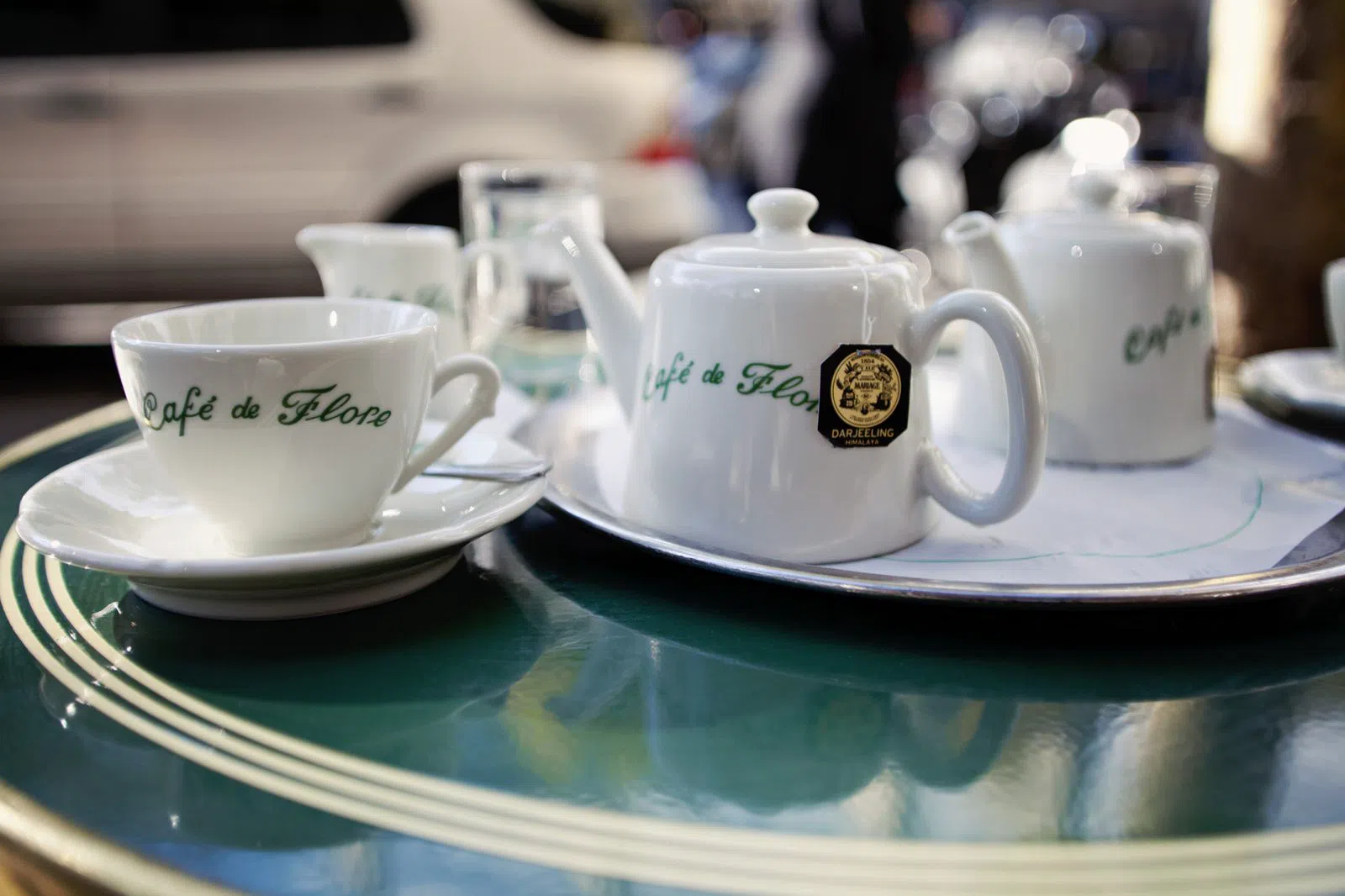
Two grander options round out the morning, both worth it specifically because you arrive at opening. Café de Flore (in the 6th, in Saint-Germain-des-Prés) opens at 07:30, and its terrace and two floors absorb a small group without a booking. The historic literary café is at its calmest and most local first thing — a proper Parisian breakfast at €20–€35, with coffee around €7–€9, before the day's tourist traffic settles in. And Angelina (at 226 Rue de Rivoli, in the 1st) opens at 08:00; the elegant multi-room salon seats groups, and arriving at opening is the only reliable way to enjoy the room without meeting its notorious later queue. The thick hot chocolate is €9–€10, breakfast €20–€35, and its position by the Tuileries makes it a decadent, weather-proof close to a walking morning.
The gentler options, once the city is up
Not every early-morning plan needs a pre-dawn alarm, and two entries here are honest about starting later.
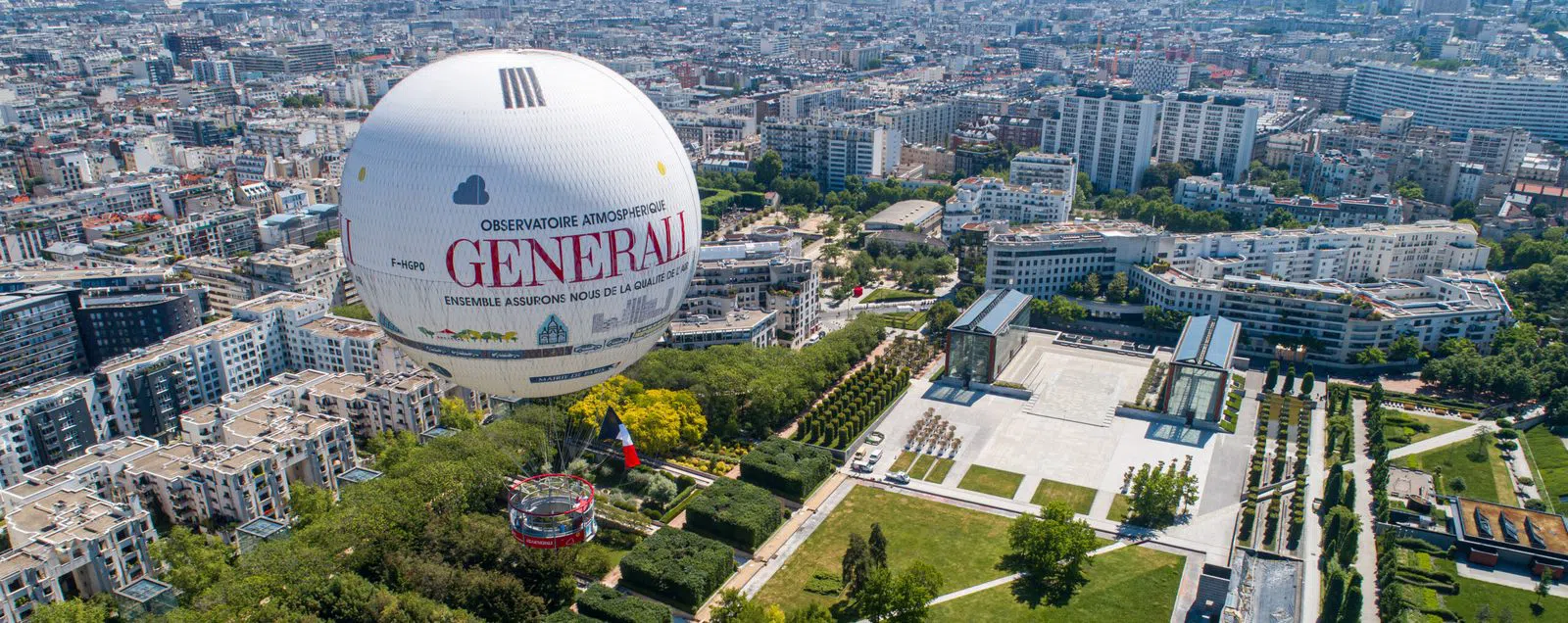
Ballon de Paris Generali (in the Parc André Citroën, in the 15th) is a tethered balloon that lifts a whole group in its basket, and it opens at 09:00 — so it is the gentle end of this list rather than the dawn end. Take the first slots of the day and you get the calmest air and the fewest people, plus what is arguably the best light you'll see from height all day, for roughly €13–€18 an adult. Flights are weather-dependent, so call ahead on windy days; there is no point queuing to be turned back by the forecast.
Later still, Eating Europe — Montmartre food tour starts nearer 10:00 than dawn, and I flag it as the least early thing here on purpose. What it gives you instead is a purpose-built small-group experience at walking pace, stitching together the real food shops of Montmartre with several sit-down tastings for around €90–€120 per person. It is a superb group morning — just not a secret-Paris-at-first-light one, and it is fairer to say so than to pretend the timing lines up.
Practical notes: getting there, paying, timing, budget
Transport. Before roughly 05:30 the Métro is not running, which shapes the true dawn plans: Rungis comes with its own coach transfer, and for a pre-sunrise Sacré-Cœur or Trocadéro you'll want a taxi or a booked ride-hail rather than public transport. Once the Métro starts (and the Noctilien night buses cover the gap before it), everything else in this guide is an easy hop; Sacré-Cœur, Pontoise, the Marais markets and Saint-Germain are all walkable from their nearest stations.
Cash and cards. Cafés, salons and tour operators take cards without issue. Market stalls at Aligre and the smaller counters are happier with a little cash, and a bakery like Du Pain et des Idées is quicker if you're not fishing for a card at €3 a pastry — carry a few euros in coins and small notes.
Timing. Build the morning around what only works early: Rungis before 05:00, viewpoints before sunrise, Pontoise from 07:00, the markets from 07:30–08:30, then the grander breakfasts at opening. Check three things the night before — Sacré-Cœur's interior hours, the Vedettes first-departure time for your season, and the balloon's weather line — since each can move.
Budget. The range is wide and honest. A swim at Pontoise (€4.80), a balloon slot (€13–€18) or a river cruise (€15–€20) are near-nothing; a guided run or bike tour lands at €40–€60; a sit-down breakfast at Flore or Angelina runs €20–€35; and the Rungis outing and the Montmartre food tour are the splurges at €90–€150. For where to base yourself so these early starts are actually walkable, the Paris hotel search is the place to begin — a room in the 3rd, 5th or 6th puts most of this list within a short pre-coffee walk.
Before you go
What is the earliest thing you can actually do in Paris?
Rungis International Market, reached on a guided Exploreparis coach tour with a pickup around 04:00. The market is trade-only, so the tour is the only public way in, and it's the one experience that exists solely before dawn — the halls are quiet by 8am.
Where is the best free sunrise view in Paris?
Two spots. Sacré-Cœur in Montmartre sits on the highest natural point in the city and its terrace is free and open; Place du Trocadéro gives the definitive unobstructed Eiffel Tower view. Both are only uncrowded at sunrise, and both suit any group size.
Can I do early-morning Paris with a group, or is it better solo?
It depends on the venue. Rungis, the Fat Tire bike tour, the Seine cruise and the viewpoints handle groups easily. Piscine Pontoise's lap sessions and tiny Du Pain et des Idées suit couples or solo travellers, and the Marais market's narrow lanes favour small groups over large ones.
How early do Paris bakeries and markets open?
Du Pain et des Idées opens at 06:45 (closed weekends) and the best pastries sell out by late morning. Marché d'Aligre trades outdoors from 07:30 (Tue–Sun), and the covered Marché des Enfants Rouges opens at 08:30 (closed Mondays).
Is the Métro running early enough for a dawn start?
Not for the truly early plans — it starts around 05:30. Rungis includes its own coach transfer, and for a pre-sunrise Sacré-Cœur or Trocadéro you'll want a taxi or booked ride-hail. Night buses cover the gap, and everything else is an easy hop once the Métro is running.