Paris neighbourhood guide
Belleville: Inside Paris's 20th Arrondissement Hill Village
A market street, a cemetery of legends and the highest park view in Paris — Belleville is the multicultural hilltop that Paris annexed but never quite absorbed.
Every Tuesday and Friday morning, Boulevard de Belleville turns into a single long shouting match of commerce: Chinese greengrocers stacking crates against North African spice stalls, fishmongers calling prices over the din, the whole strip running from 7am to 2.30pm between the Belleville and Ménilmontant metro stops. By evening the crowd shifts uphill, into Parc de Belleville, where Parisians with wine bottles and folding chairs claim a patch of grass for the sunset. Few neighbourhoods in Paris compress that much daily life into two fixed appointments, and fewer still wear their history so openly.
What Belleville is known for
Belleville was its own hilltop village until 1860, when Paris annexed it and split it across the 20th and 19th arrondissements — an administrative act that locals never fully accepted. People here still talk about "the village" on the hill, and the phrase isn't nostalgia so much as description: the streets above rue de Belleville still kink and narrow the way a village's would, long after the city grew up around them. What followed the annexation was wave after wave of arrival. Ashkenazi Jewish and Armenian families settled here in the early twentieth century; Algerian, Tunisian and Moroccan communities followed from the 1950s; Chinese and Vietnamese immigration from the 1970s and 80s gave the neighbourhood one of the most visible Chinese and Vietnamese communities in the city. None of these waves replaced the last — they layered, and you can still taste, hear and see all of them within a few hundred metres of each other. That layering is the whole story of Belleville, more than any single monument: a synagogue, a mosque-adjacent grocer and a Buddhist altar in a restaurant back room can share a block, and nobody treats it as remarkable.
Where to eat and drink in Belleville
The food identity of the neighbourhood lives on Rue de Belleville and Boulevard de Belleville themselves — a dense run of Chinese wholesalers, Vietnamese pho counters and Tunisian bakeries turning out brik and makroudh, eaten standing at plastic stools out front, where dishes rarely clear €10. That street-level grazing is the honest way to eat here, but Belleville also has real sit-down cooking behind it. Le Baratin, tucked on rue Jouye-Rouve, is the neighbourhood's landmark table: a stripped-back bistro that Raquel Carena has run since the late 1980s, credited by many with inventing bistronomy itself, built on a 200-plus-bottle wine list and a short menu that changes daily depending on what arrived at the market that morning.
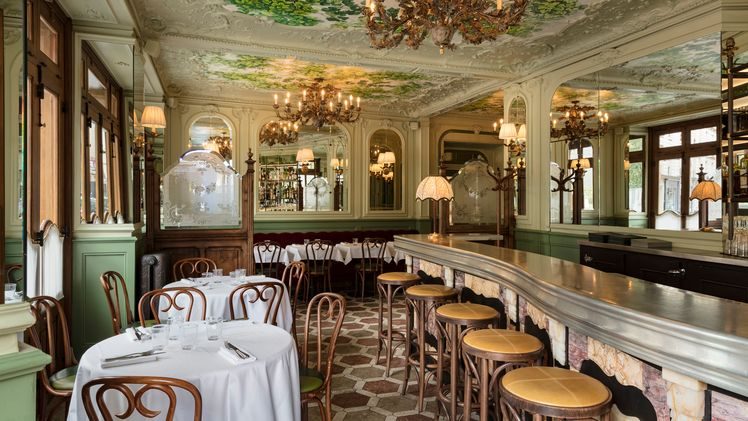
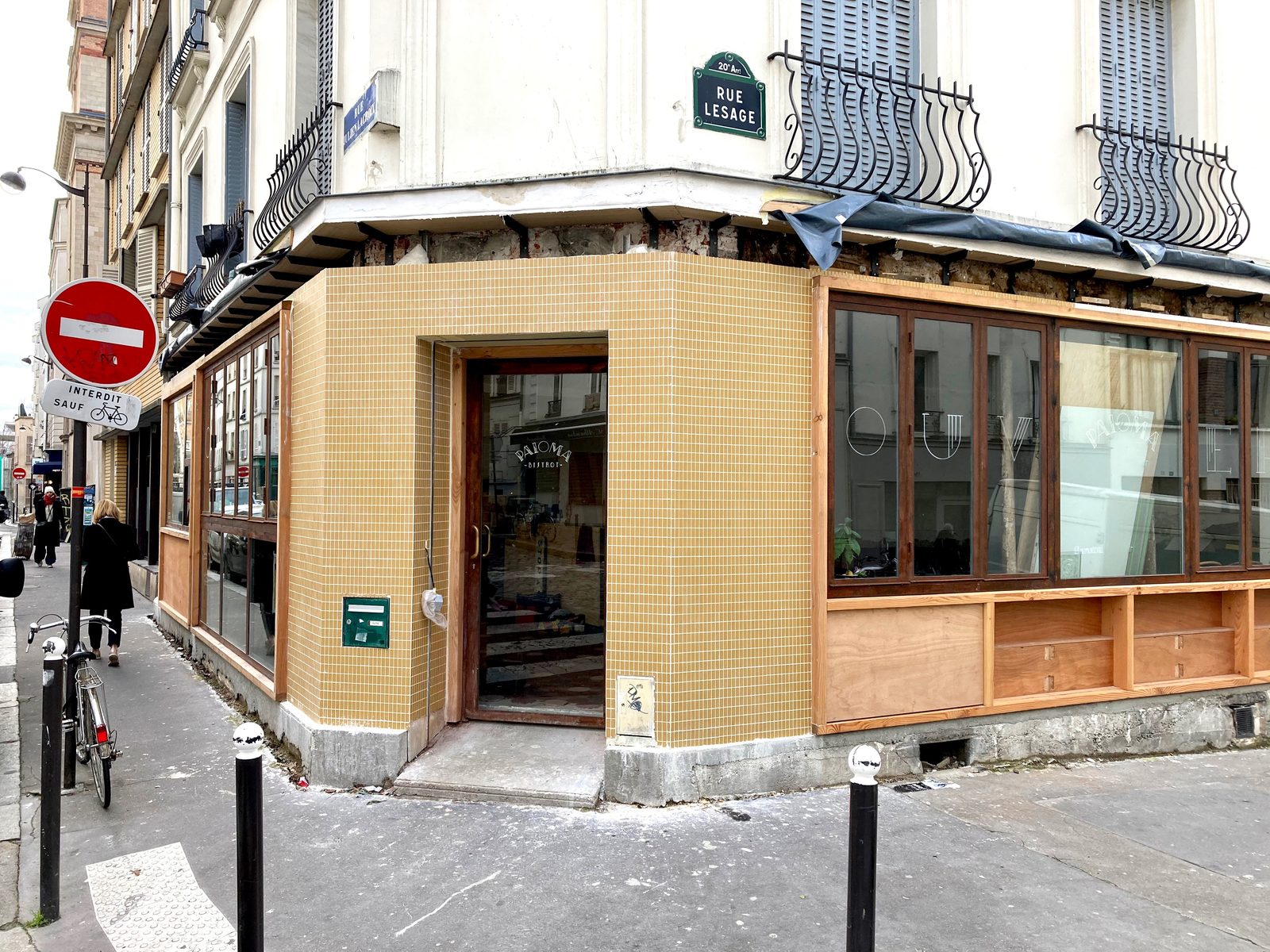
A few streets over on rue Julien Lacroix, Paloma runs a smaller, louder room — stone walls, mosaic tile, an international kitchen crew turning out spice-heavy, playful plates that won Time Out Paris's Best Deluxe Junk award in 2025. It's the kind of place that makes the case for Belleville as a food destination in its own right, not just an overflow from the centre of Paris.
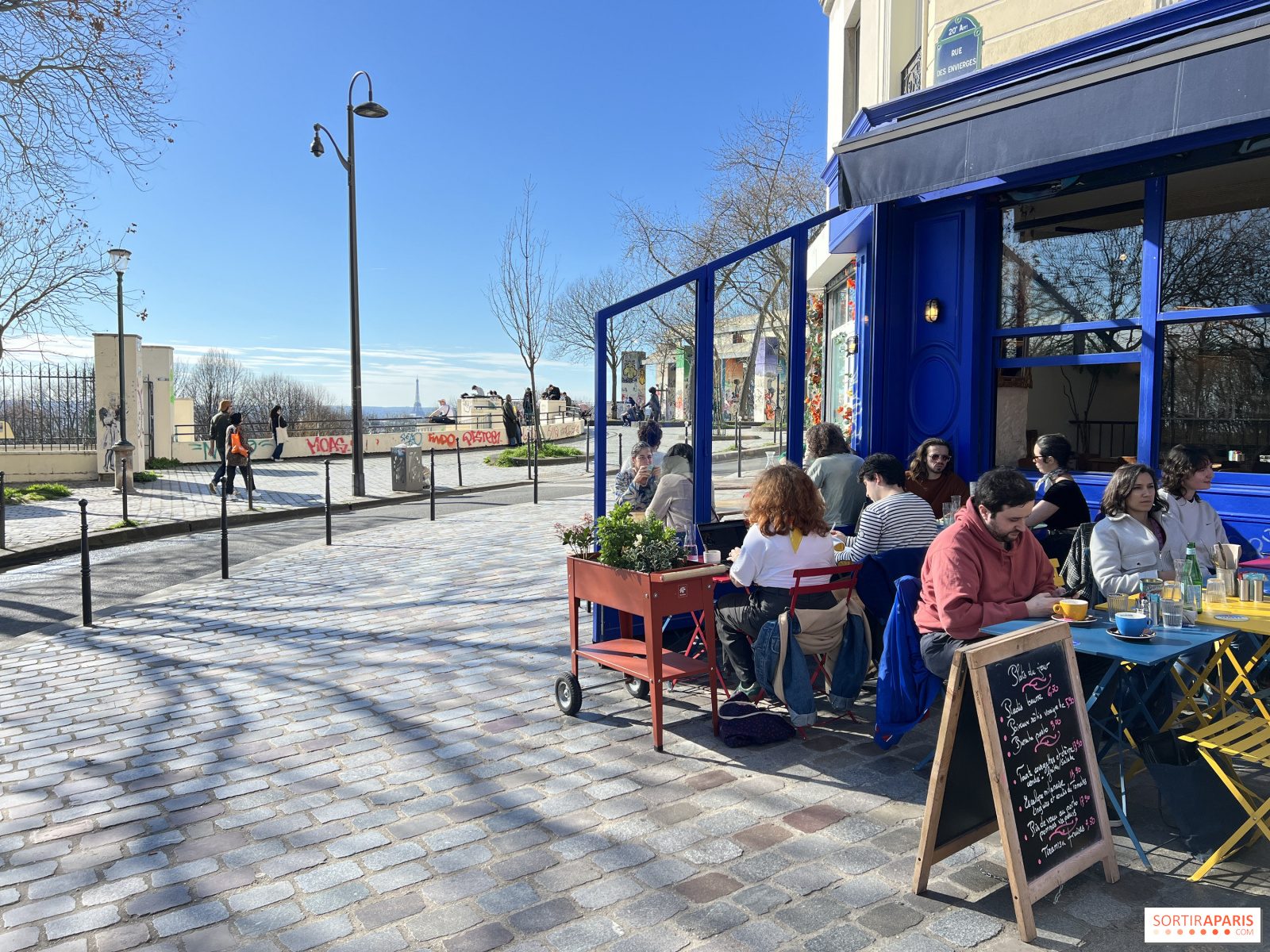
Then there's the view seat: Moncoeur Belleville, a bar-restaurant sitting right on the square at the top of Parc de Belleville, doing brasserie classics through the week and a weekend brunch on a terrace where the Eiffel Tower is visible in the distance. Order there timed to the light and you get the two things Belleville does best — unpretentious cooking and a skyline — on the same table.
Nightlife in Belleville
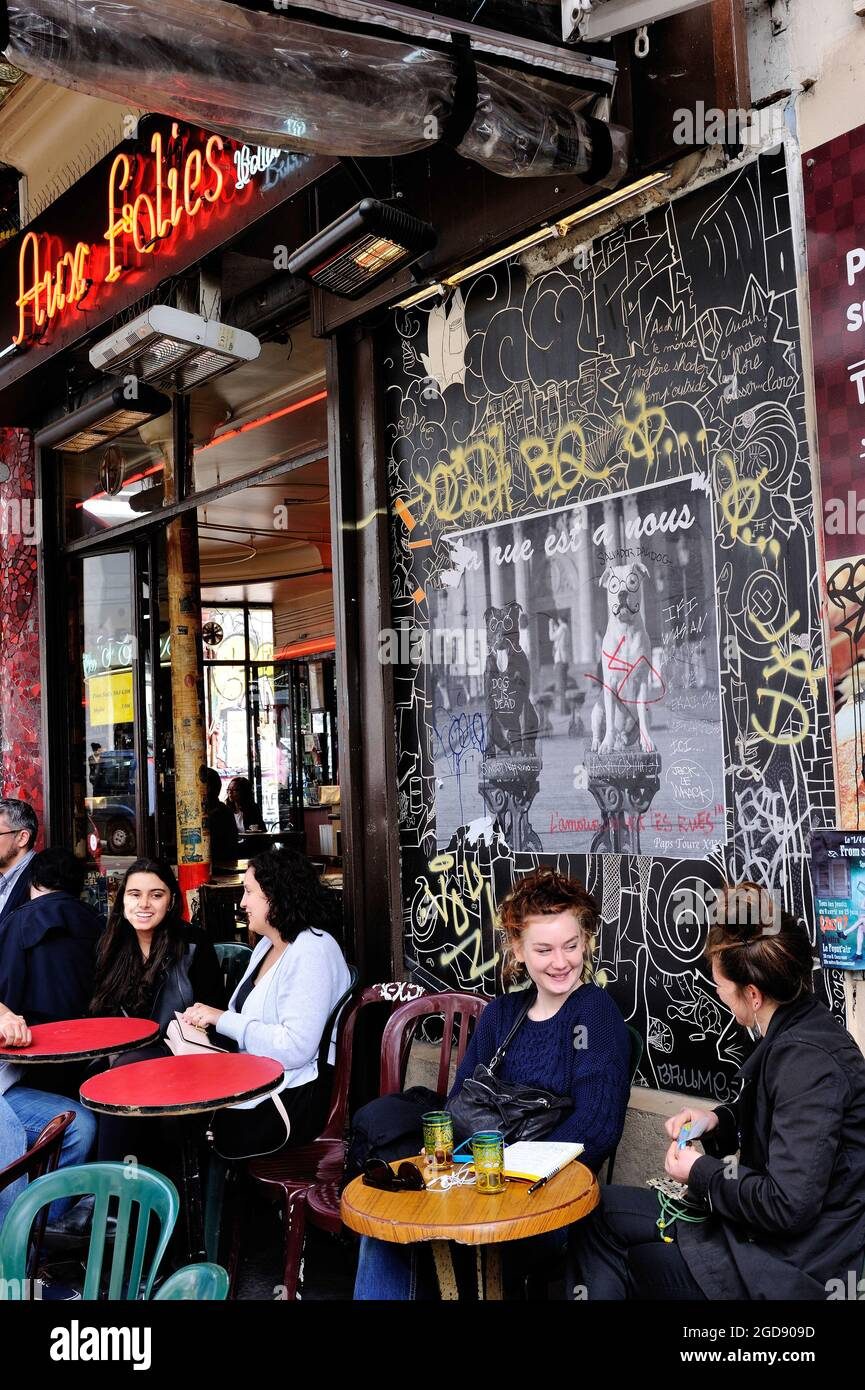
Belleville's after-dark life runs a strange range, from a single heated pavement terrace to a 2,500-square-metre former workers' co-operative. Aux Folies sits on rue de Belleville, right at the point where the street-art alley of rue Dénoyez breaks off, and it functions as the neighbourhood's anchor bar: a former music hall where Édith Piaf herself once performed, now serving cheap beer to a terrace that fills from mid-afternoon and stays packed until 2am. It's the kind of bar where a solo traveller and a table of regulars end up in the same conversation by the second round.
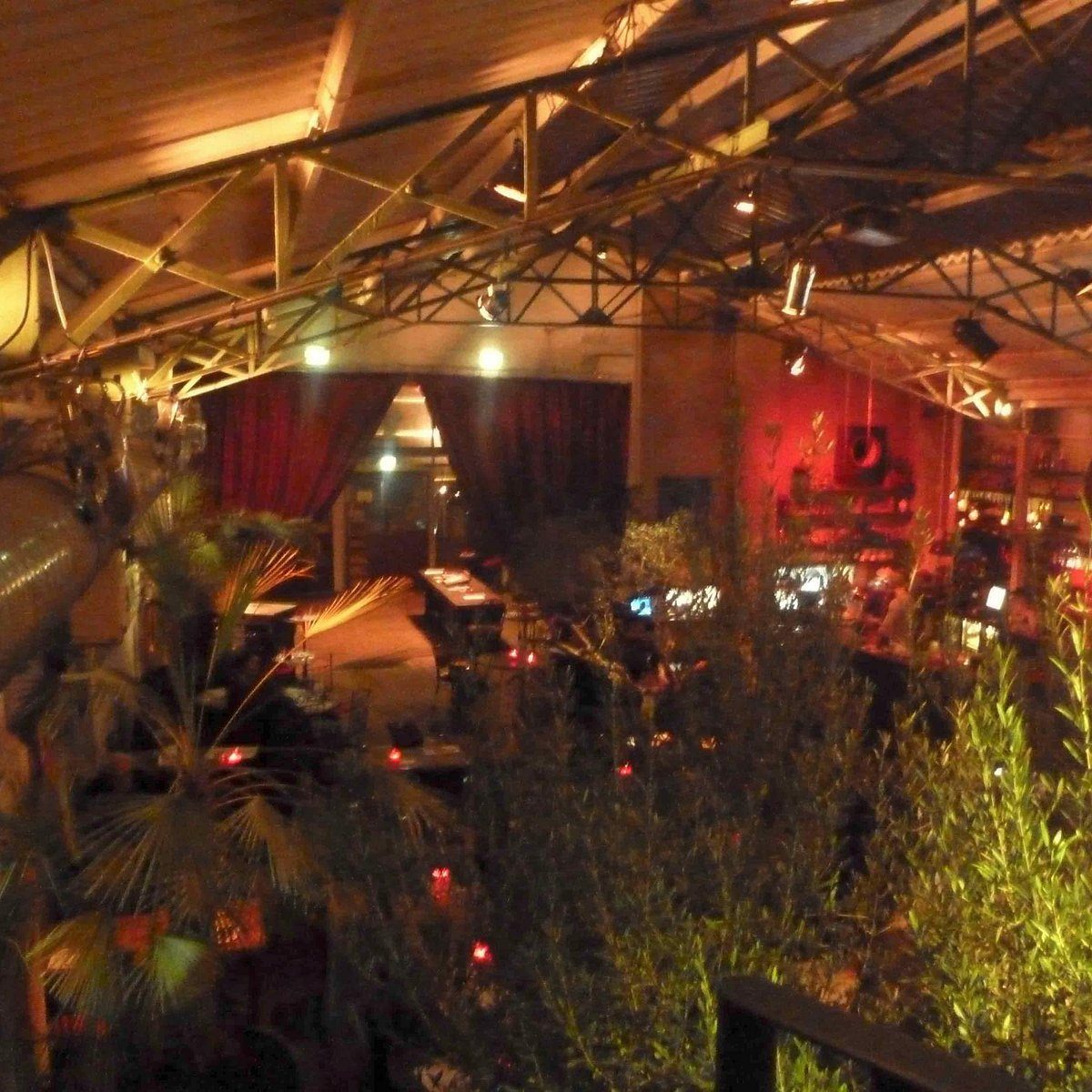
For something bigger, La Bellevilloise is the neighbourhood's cultural engine — a co-operative building dating to 1877, now an independent venue running concerts and club nights, with a rooftop bar that opens onto panoramic views over the city. It has a full gig programme running through 2026, and on a night with the right act booked, it's worth building an evening around rather than treating as a stop.
Things to do in Belleville
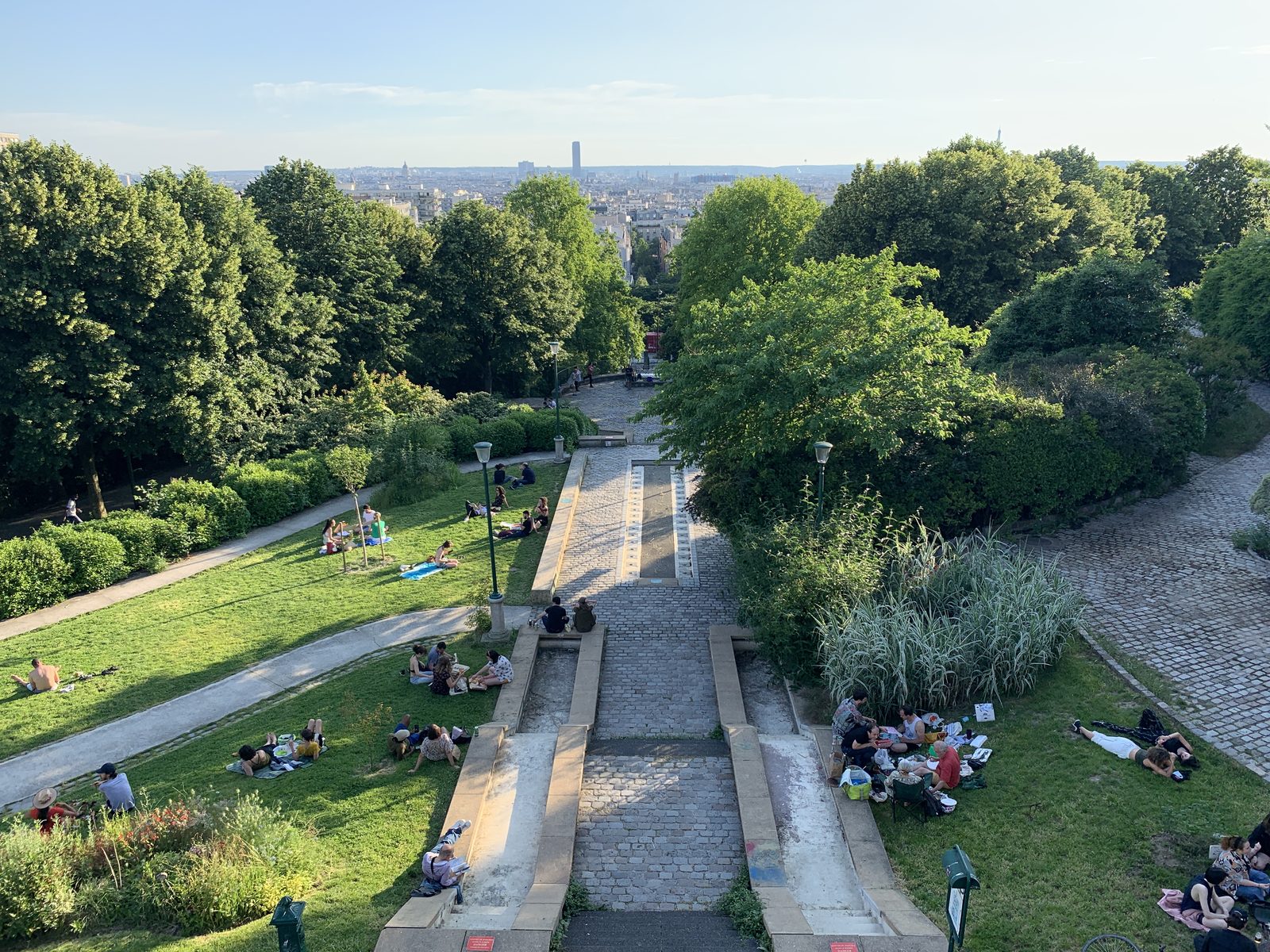
Parc de Belleville is the neighbourhood's centrepiece, and it earns the status. The park climbs the hill in a series of terraced gardens up to a viewpoint at 108 metres — the highest public park in Paris — with a sweeping south-west-facing panorama that takes in the Eiffel Tower across the rooftops. At sunset it turns into an informal gathering point, the closest thing Paris has to a free, unofficial rooftop bar, minus the bar.
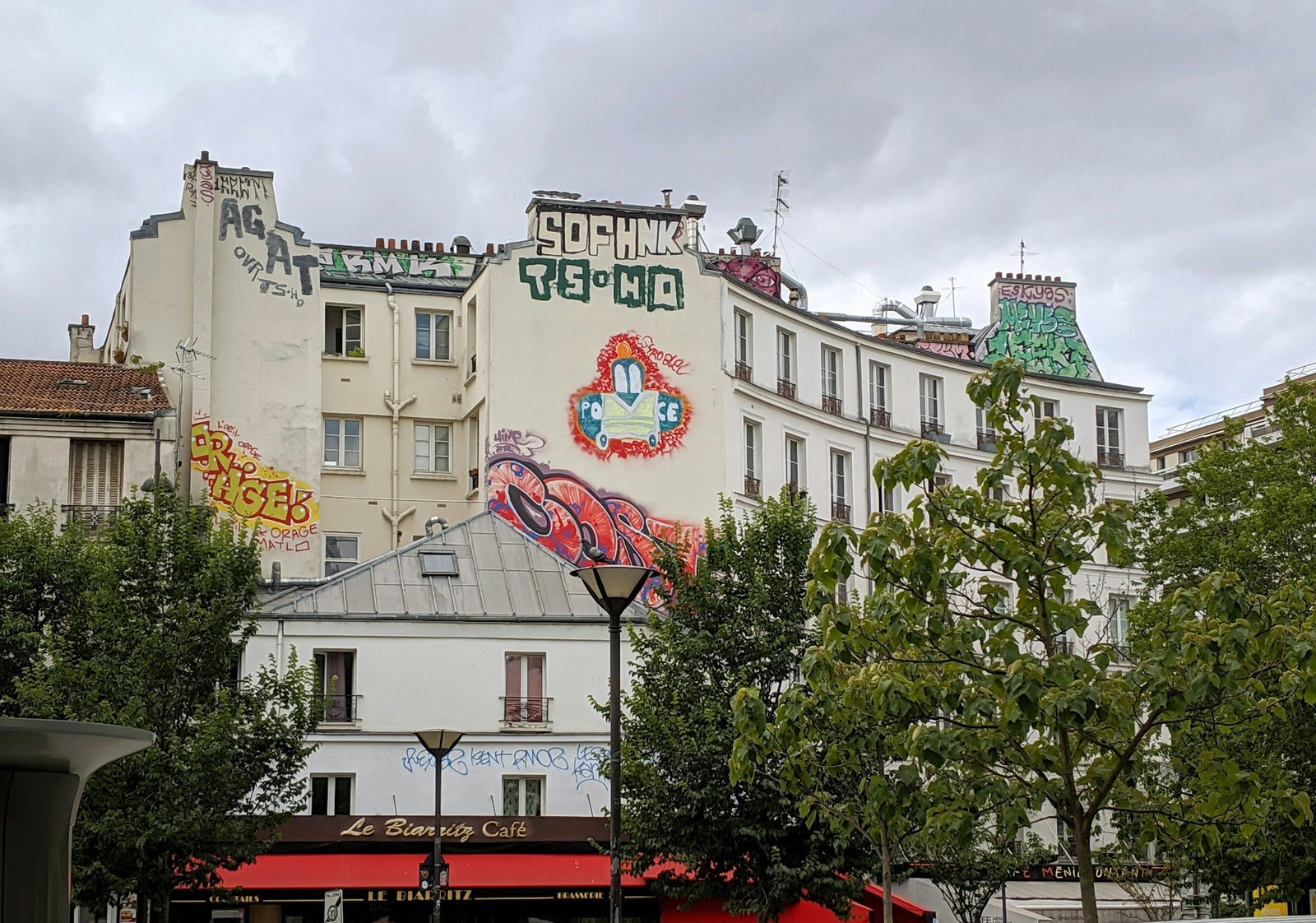
From the park it's a short walk down to rue Dénoyez, a narrow lane that's been painted over almost continuously since the 1990s — the city's most consistently repainted street-art strip, with artists working live most weekends, so the mural you photograph on a Saturday may already be gone by the next. It's worth timing a visit for a weekend afternoon if watching the work happen matters to you as much as seeing the finished wall.
Tucked off rue de l'Ermitage, the cobbled cul-de-sac of Villa de l'Ermitage preserves the low houses and gardens of the pre-1860 hilltop village almost intact — a quiet pocket a few minutes' walk from the market chaos, and the clearest physical evidence left of the village Belleville used to be before Paris swallowed it.
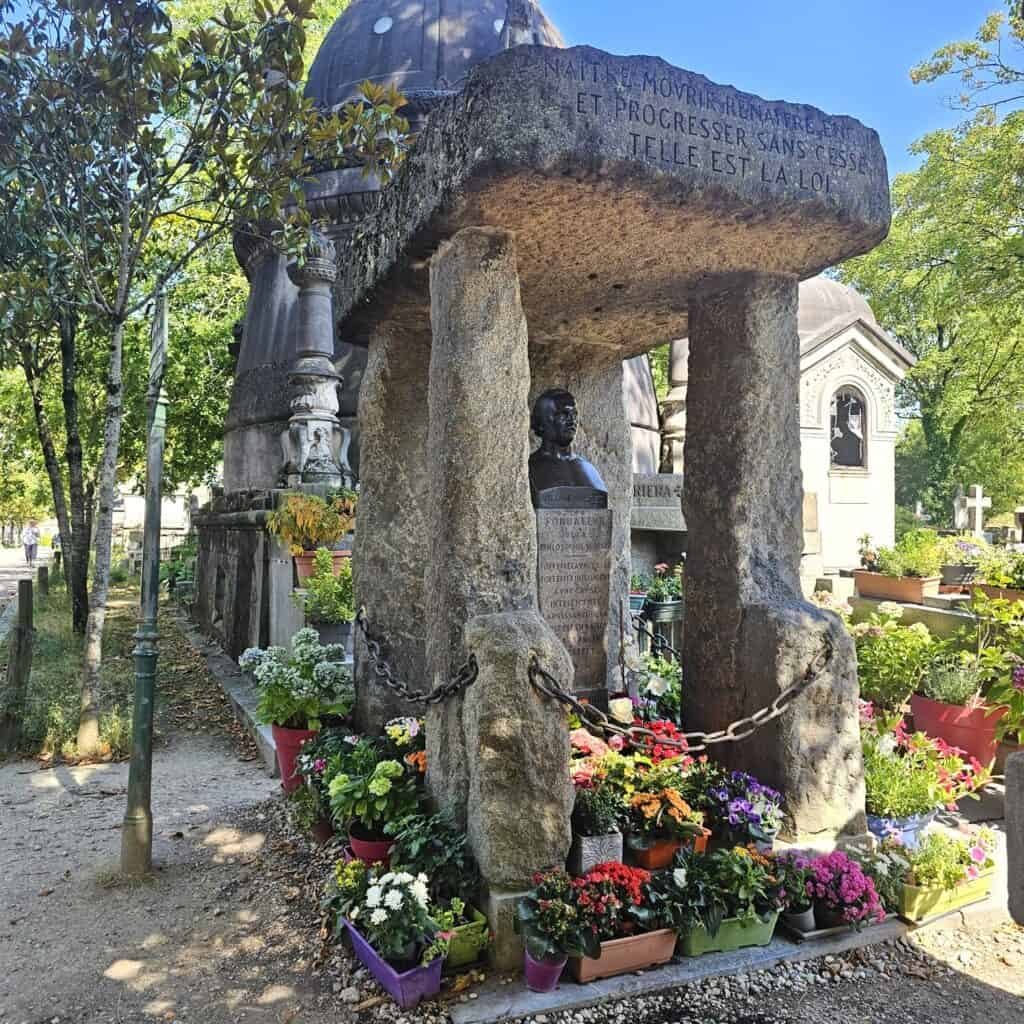
And on the neighbourhood's southern edge sits Père Lachaise, Paris's largest cemetery at 44 hectares, drawing more than three million visitors a year to the graves of Jim Morrison, Chopin, Édith Piaf and Oscar Wilde among them. It's a full outing in itself — allow an afternoon rather than an hour, and expect to get pleasantly lost among the tree-lined avenues.
Don’t miss in Belleville (20th Arrondissement)
The panoramic city views from the heights of Parc de Belleville.
The bustling open-air food market along Boulevard de Belleville.
The street art galleries of Rue Dénoyez.
Shopping in Belleville
Shopping in Belleville is about browsing, not boutique-hopping, and the market is the reason to bring a bag. The Tuesday and Friday morning market along Boulevard de Belleville, running 7am to 2.30pm between the Belleville and Ménilmontant metro stops, packs fruit stalls, fishmongers, North African pastries and fabric vendors close together along the full length of the boulevard. It's less a shopping trip than a two-hour immersion in the neighbourhood's daily rhythm — go early for the best produce, go later for the thinning crowds and the leftover-price haggling.
Where to stay in Belleville (20th Arrondissement)
Belleville is a budget-to-mid-range base rather than a boutique-hotel destination: expect simple two- and three-star hotels rather than design properties, and rates that sit below what you'd pay in the Marais or Saint-Germain for an equivalent room. The streets closest to Ménilmontant and Pyrénées metro stations are the ones to target — they put you within walking distance of the market, the park and the restaurant strip along rue de Belleville, without needing to touch the metro until you're heading elsewhere in the city.
Where to stay here
Hotels in Belleville (20th Arrondissement)
Our best-rated stays in this neighbourhood. Prices are approximate “from” rates — confirmed at the provider when you continue. We may earn a commission if you book through our partners — at no extra cost to you.
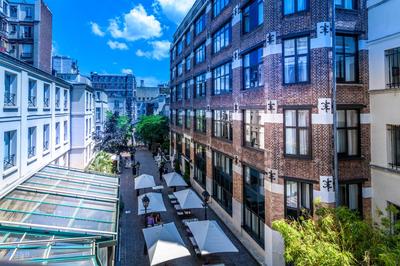 In this area
Les Jardins Du Marais
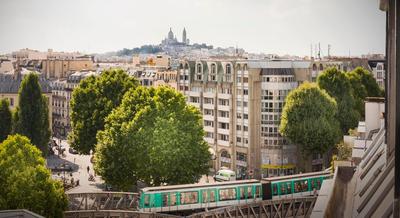 In this area
Libertel Canal Saint Martin
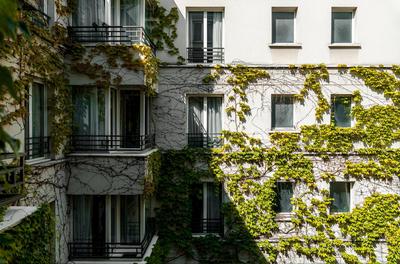 In this area
Villa Beaumarchais
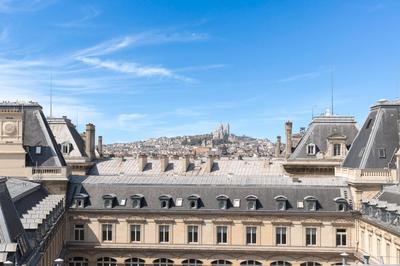 In this area
Crowne Plaza Paris - Republique by IHG
 In this area
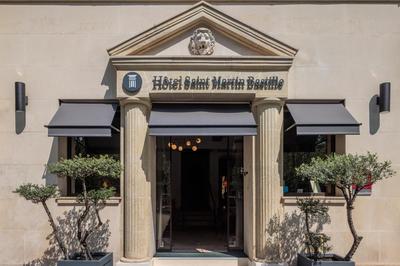
Hôtel Saint Martin Bastille
 In this area
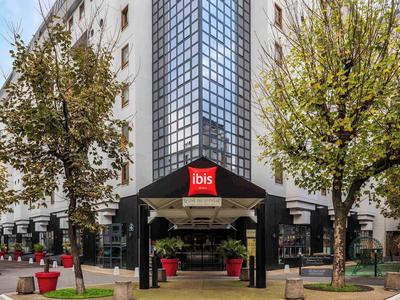
Hotel ibis Paris Bastille Opera 11ème
 In this area
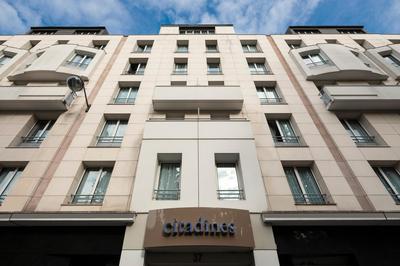
Citadines Bastille Marais Paris
 In this area
 In this area
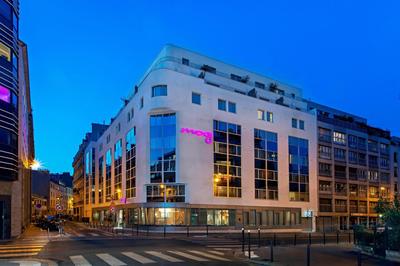
Moxy Paris Bastille
 In this area
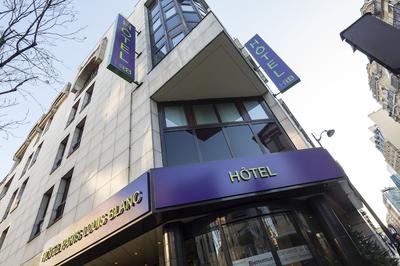
Hotel Paris Louis Blanc
 In this area
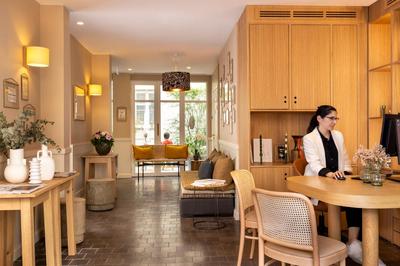
Le Petit Oberkampf Hotel & Spa
 In this area
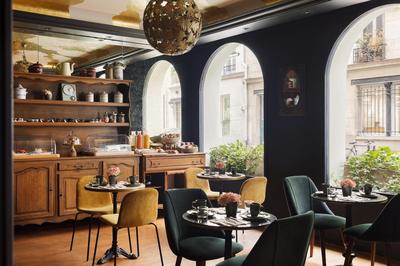
New Hotel Republique - Ex Albert's Hotel
Getting around Belleville
The neighbourhood is built around Belleville station, served by lines 2 and 11, sitting at the exact point where the 10th, 11th, 19th and 20th arrondissements meet — a fitting location for a neighbourhood that's always straddled boundaries. From there, Pyrénées (line 11), Ménilmontant (line 2), Couronnes (line 2) and Jourdain (line 11) are all within a five-to-ten-minute walk, effectively covering the hill from top to bottom, so wherever you're staying you're rarely more than a short walk from a station. From central Paris — Châtelet or République — it's a direct or one-change ride of ten to twenty minutes, close enough for a half-day detour and far enough to feel like you've actually left the postcard centre.
Belleville rewards a slow visit more than a checklist one. Come for the market, stay for the hill, and let the sunset at the park close the day the way locals already do.
Good to know
Belleville (20th Arrondissement) — your questions
Is Belleville (20th Arrondissement) a good area to stay in Paris?
Yes if you want budget-to-mid-range rates, real multicultural street life and don't mind a metro ride to the landmarks — it's not the place for a first-timer wanting the Eiffel Tower or Louvre on foot.
Is Belleville safe for tourists?
Yes during the day and on the main streets at night; like most of eastern Paris, avoid poorly lit side streets and the quieter northern stretch of the park late at night.
What is Belleville known for?
Its multicultural history — Chinese, Vietnamese, Tunisian, Algerian and Jewish communities layered over a former hilltop village — plus the sunset view from Parc de Belleville and the ever-changing street art on rue Dénoyez.
Where should I eat in Belleville?
Start with Le Baratin for a classic bistro meal or Paloma for something newer and spice-driven, then graze the market and the Vietnamese and Chinese kitchens along rue de Belleville.
Gallery