Paris neighbourhood guide
Canal Saint-Martin: The Paris Neighbourhood Where Locals Actually Live
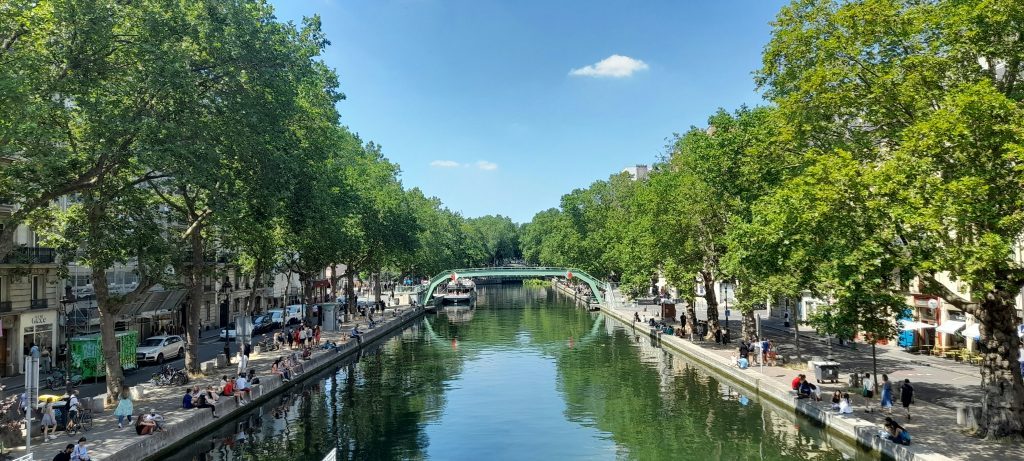
Along the 4.5km waterway that splits the 10th arrondissement in two, iron footbridges, working locks and a wave of independent bistros and roasters have built the most local corner of central Paris.
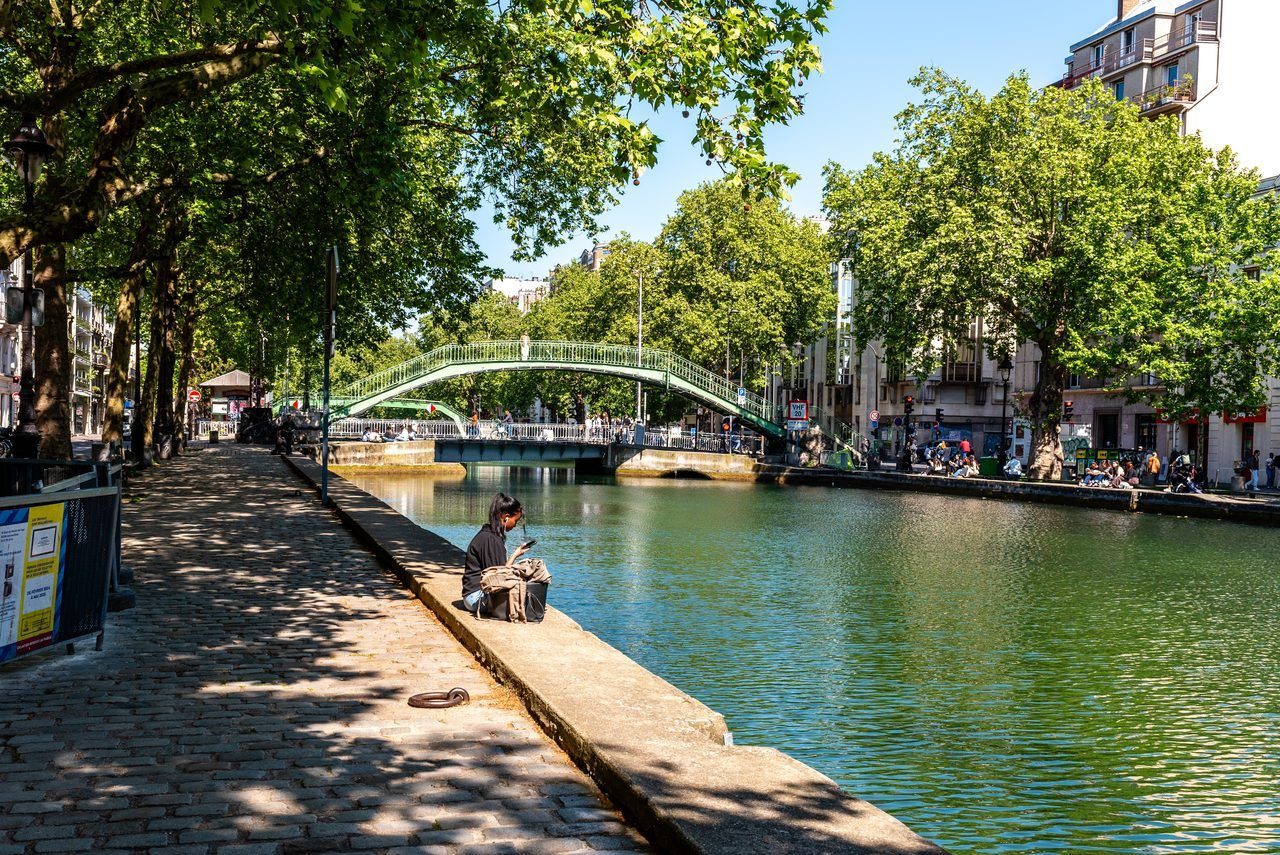
Two iron footbridges span the water along quai de Valmy and quai de Jemmapes, and on any mild evening the stone steps down to the canal fill with people who bought a bottle from the shop up the street and have nowhere else they'd rather be. There's no monument to queue for here — the canal itself does the work, along with the double locks that lift and lower barges as they pass through. Cut in 1825 under Napoleon to bring fresh drinking water into Paris and let freight barges bypass the long, looping Seine, the 4.5km waterway splits the 10th arrondissement in two, and nearly everything worth doing clusters along its banks between Place de la République and the Bassin de la Villette to the north. This is Paris with its shirt untucked: bistros instead of white-tablecloth brasseries, a wine bar with a chalkboard instead of a sommelier's leather book, a crowd that lives here rather than one that's been bussed in for the afternoon. It rewards people willing to sit still on a step for an hour more than it rewards people ticking off sights.
What Canal Saint-Martin is known for
The canal is the whole point, and it rewards slow attention more than a single photo stop. Napoleon ordered it built between 1802 and 1825, and the engineering still works exactly as designed: water drops 25 metres over nine locks as it runs the full 4.5km from the Bassin de la Villette down to the Seine at the Port de l'Arsenal, and on a Saturday afternoon you can watch a lock chamber fill, the gates swing open, and a barge rise a few metres in front of you, unhurried, like a piece of clockwork nobody has bothered to modernise. It's the kind of neighbourhood built for people who've already done the Louvre and the Eiffel Tower and want to see how Parisians actually spend a free evening — sitting on the steps with a paper cup of wine, watching the water, in no rush to be anywhere else. It suits coffee-and-natural-wine types chasing a genuinely local food scene, and budget-to-mid-range travellers who want a central, well-connected base without Marais or Saint-Germain prices. It's less suited to anyone who needs to walk out of a hotel straight onto a famous monument, or who wants total quiet after dark — the quayside gets loud with picnickers on warm evenings, Fridays and Saturdays especially.
Where to eat and drink
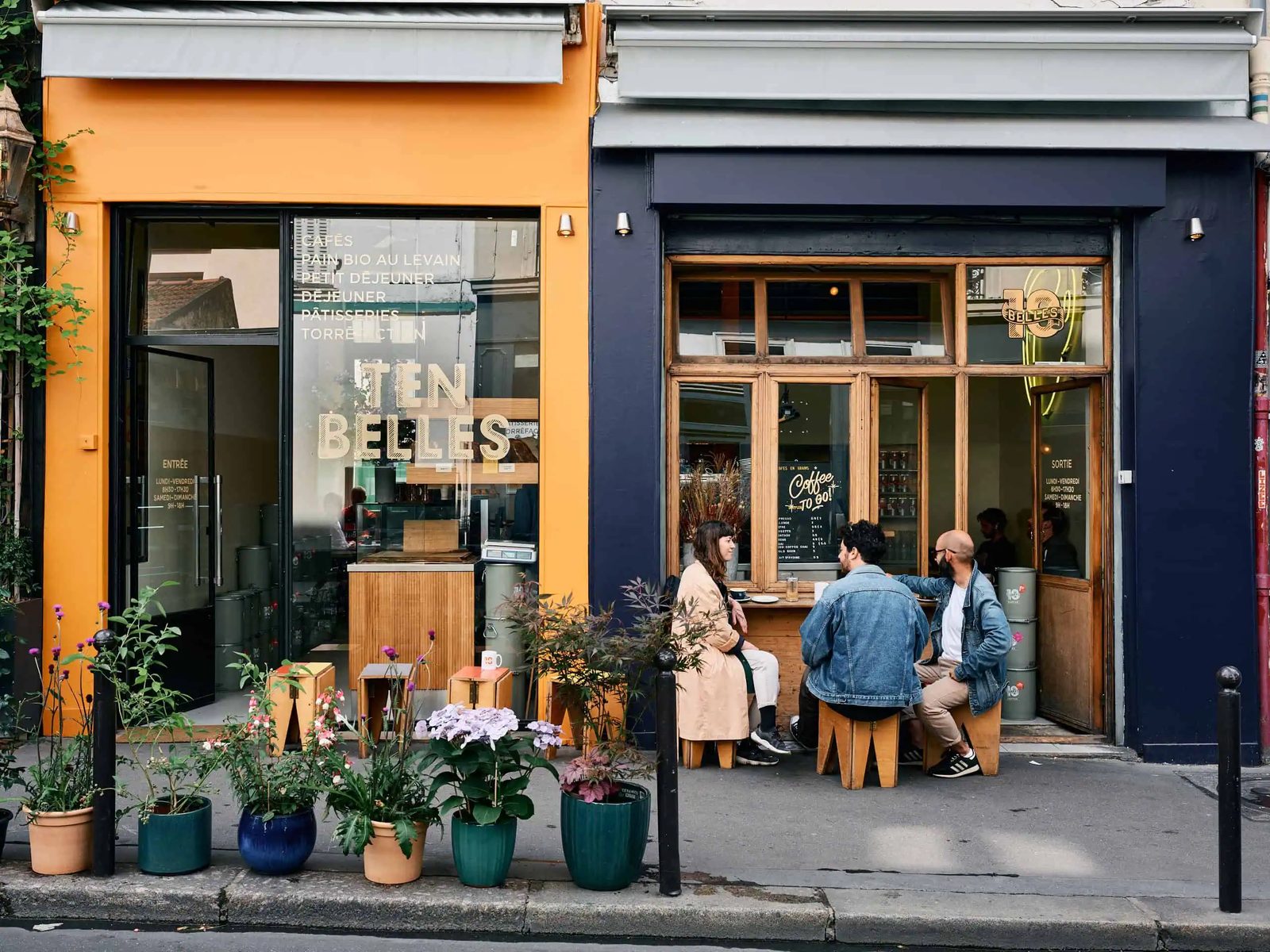
Coffee culture here predates most of the third-wave scene that's since swept the rest of Paris. Ten Belles, tucked onto rue de la Grange aux Belles a few steps from the water, opened in 2012 as one of the city's original specialty roasters and still pulls a queue for its drip coffee and a pastry counter that changes daily — arrive before 9am on a weekend if you want a seat rather than a spot on the pavement outside.
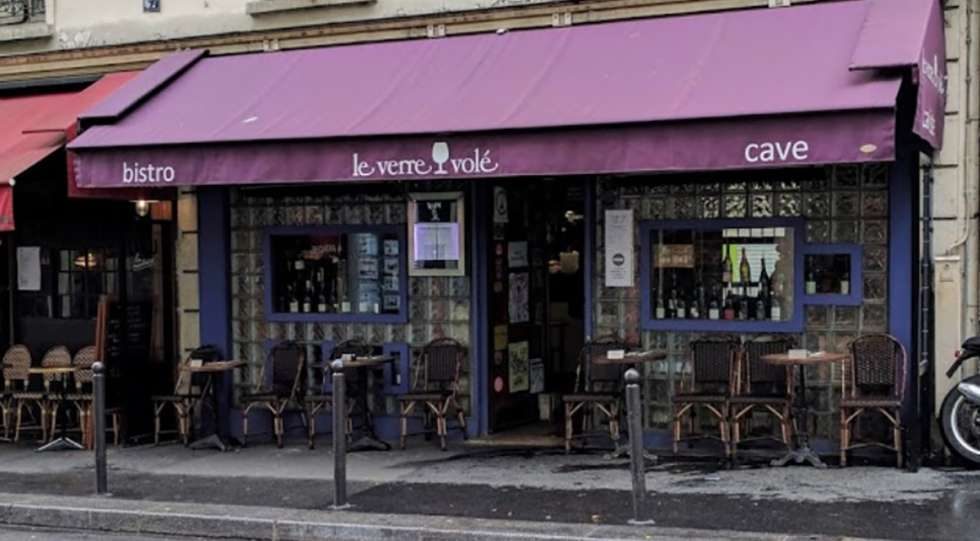
A few minutes' walk away on rue Lucien Sampaix, Holybelly has been the canal's brunch institution since 2013, its pancakes and savoury breakfast stacks popular enough that the café now runs two locations on the same street, both of which still queue at weekends. For dinner, the move is Le Verre Volé on rue Lancry, part bottle-shop, part bistro: you pick a natural wine straight off the shelf, drink it at your table, and eat a short, produce-led daily menu that changes with what arrived that morning — it's the most-booked table in the neighbourhood, so reserve ahead rather than turn up hopeful. Across the area, expect bistro mains and wine-bar plates in the €12-25 range, with coffee and a pastry generally under €10 — noticeably gentler than the Marais just across the canal from itself.
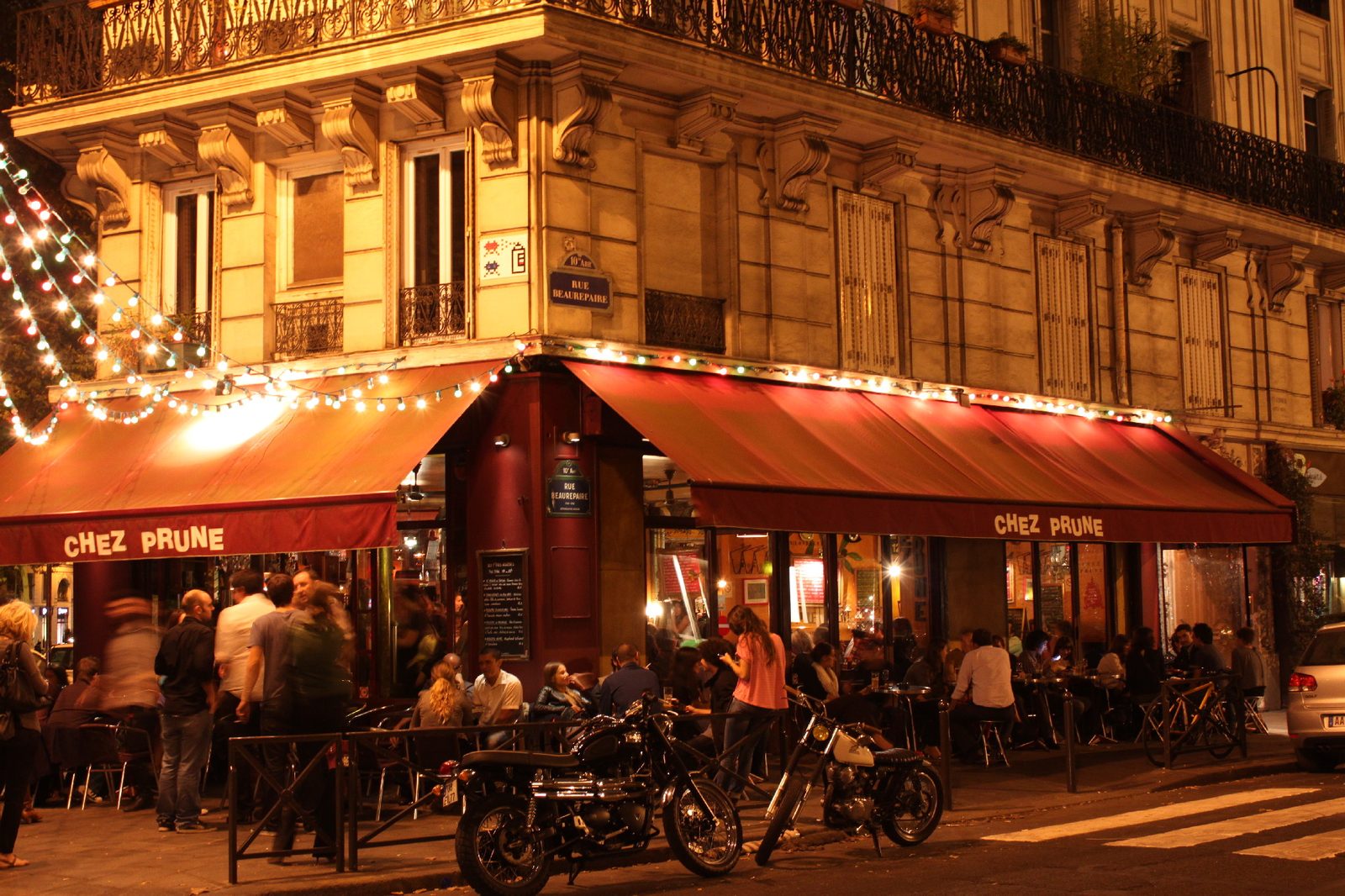
For something less scripted, Chez Prune on rue Beaurepaire has been the classic canal-facing perch since long before the current wave of openings, open from breakfast until 2am, equally good for a coffee at 10am or an apéro at 7pm with the water sitting right there in front of you. And if you'd rather eat off market stalls than sit down to a menu, Marché Saint-Quentin, the cast-iron covered market by Gare de l'Est dating to 1866, has a tasting area where a cheap, fast lunch is easy to assemble between stalls without ever leaving the building.
Nightlife
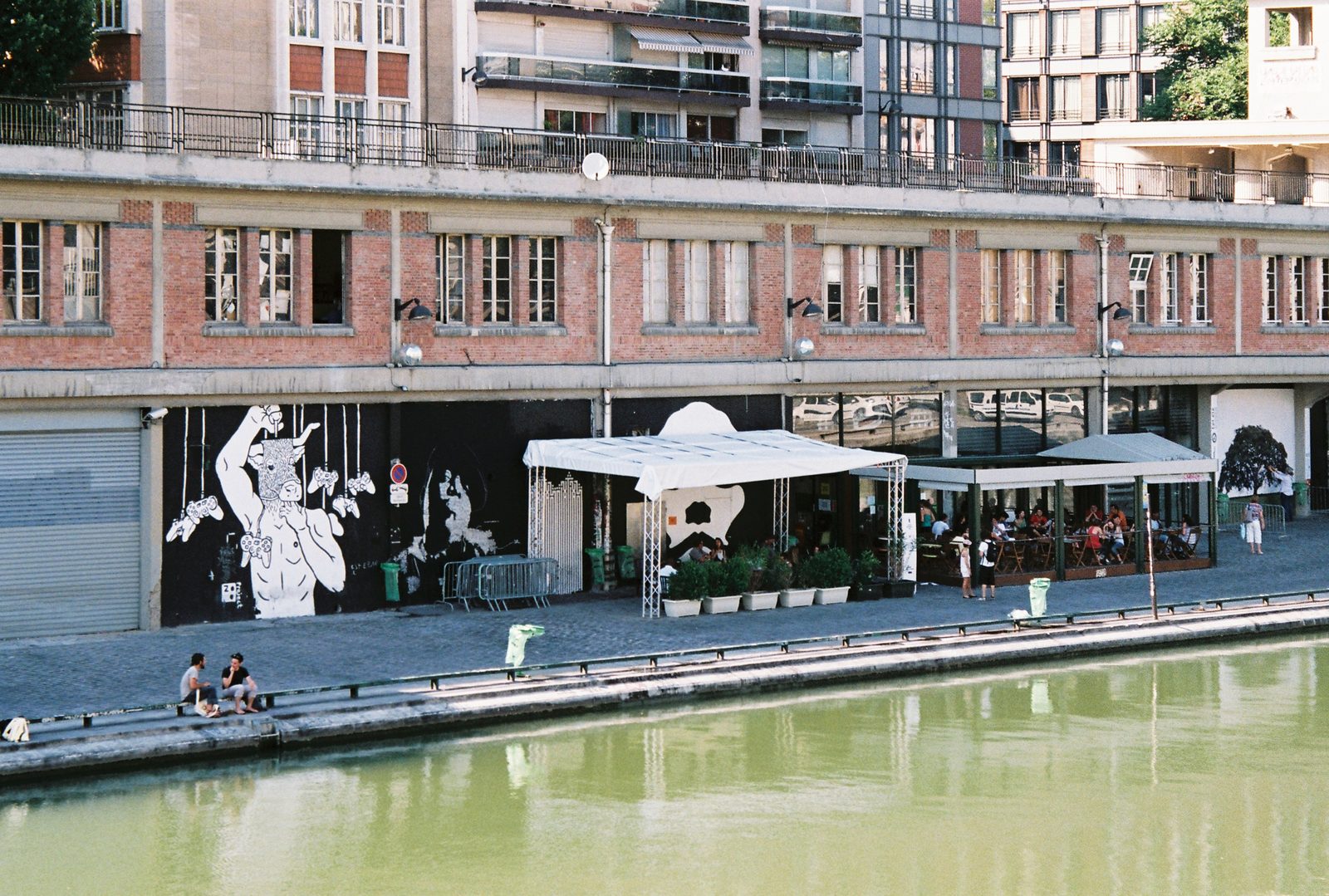
This isn't a club district, and it doesn't pretend to be — the after-dark scene here runs on bars and one genuine live-music venue rather than a strip of doormen and queues. Le Point Éphémère, a converted warehouse right on the water on quai de Valmy, has been running concerts, DJ sets and art exhibitions since 2004, and it still books a steady schedule of gigs through the week and at weekends, with a canal-side terrace that fills before and after sets and stays busy long after the music stops.
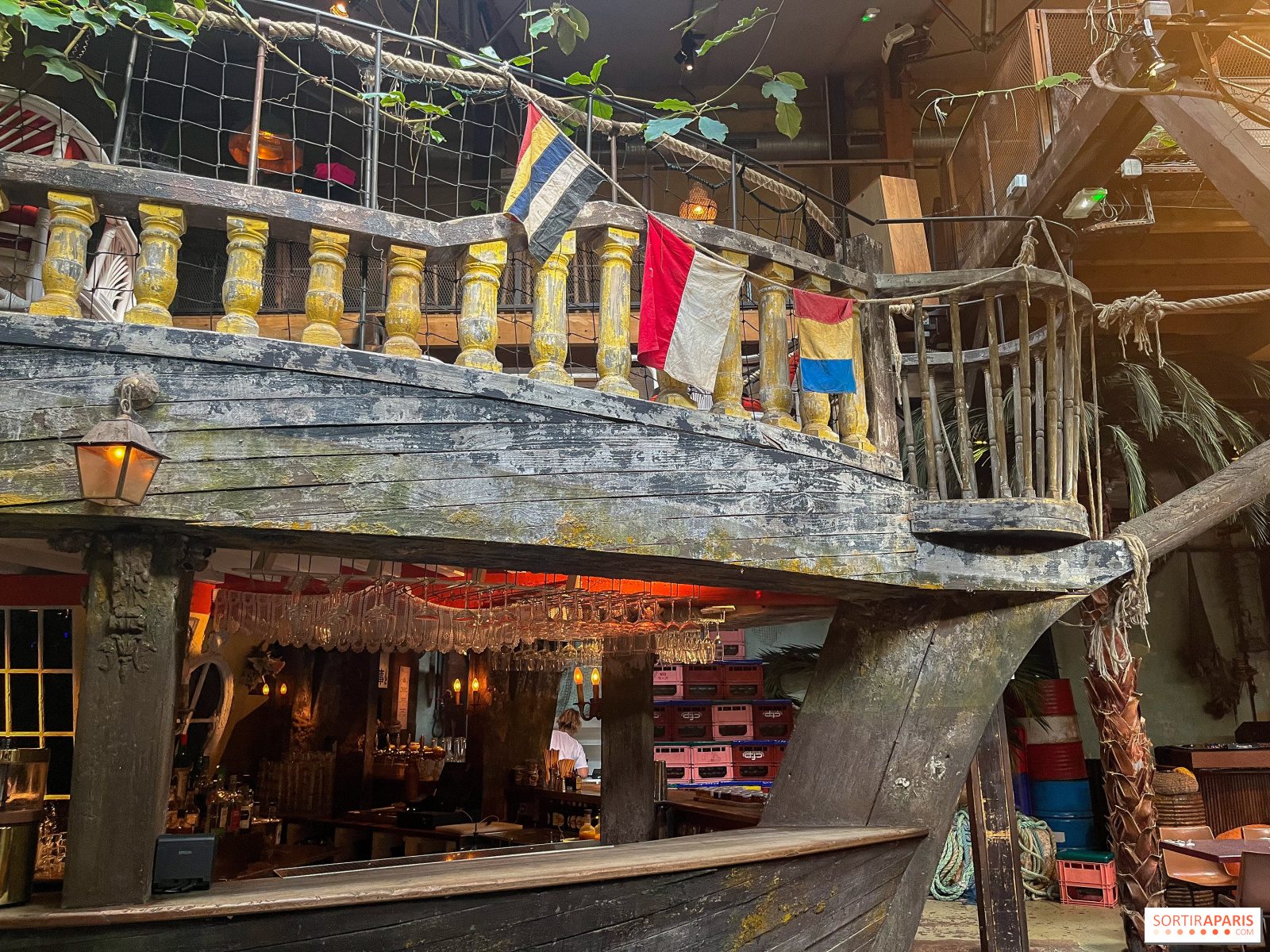
For something more theatrical, Le Comptoir Général occupies a 1,300m² space on quai de Jemmapes decorated like a maximalist curiosity shop — part rum bar, part event space — with a weekend brunch that draws a completely different crowd from the evening drinkers who pack in after dark. Rue Lancry, already doing double duty as the neighbourhood's wine street, also holds Sur Mer, a small oyster-and-wine bar that's easy to walk past and worth not walking past — the kind of place you duck into for one round and end up staying for three.
Things to do
The default activity here, and arguably the only one you actually need, is walking the canal. Start near République and follow quai de Valmy and quai de Jemmapes north, past the two iron footbridges and the double locks, watching barges get raised and lowered as you go, until the water opens out into the wide Bassin de la Villette. It costs nothing and takes an hour if you don't stop — considerably longer if you do, and most people do, parking themselves on the stone steps with a bottle picked up from a shop along the way and no particular plan for the rest of the evening.
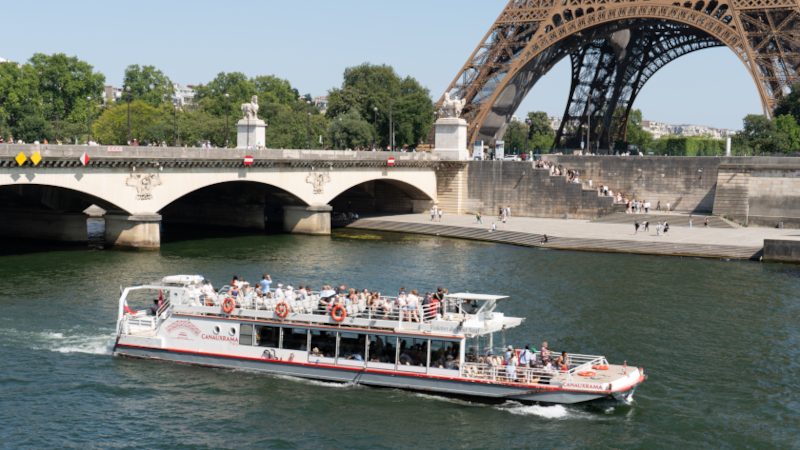
For the same water seen from below, Canauxrama runs guided boat trips through the canal's locks and swing bridges and into the underground tunnel that carries the water beneath Bastille down to the Seine, with routes running 1h15 to 2h30 and departures year-round — a way to feel the full 25-metre drop in elevation rather than just read about it on a plaque.
Don’t miss in Canal Saint-Martin (10th Arrondissement)
Sitting on the canal locks with a takeaway beer at sunset.
Browsing the art and design books at Artazart bookstore.
Sampling sourdough pastries from Du Pain et des Idées.
Shopping
Two streets do most of the work if you want to shop rather than just eat and drink your way through the day. Rue de Marseille leans toward on-trend fashion, with outposts of labels like A.P.C. and Agnès B sitting alongside a run of independent boutiques — it rewards a slow browse rather than a targeted stop, and most shops here have shuttered by the time the canal steps fill up in the evening.
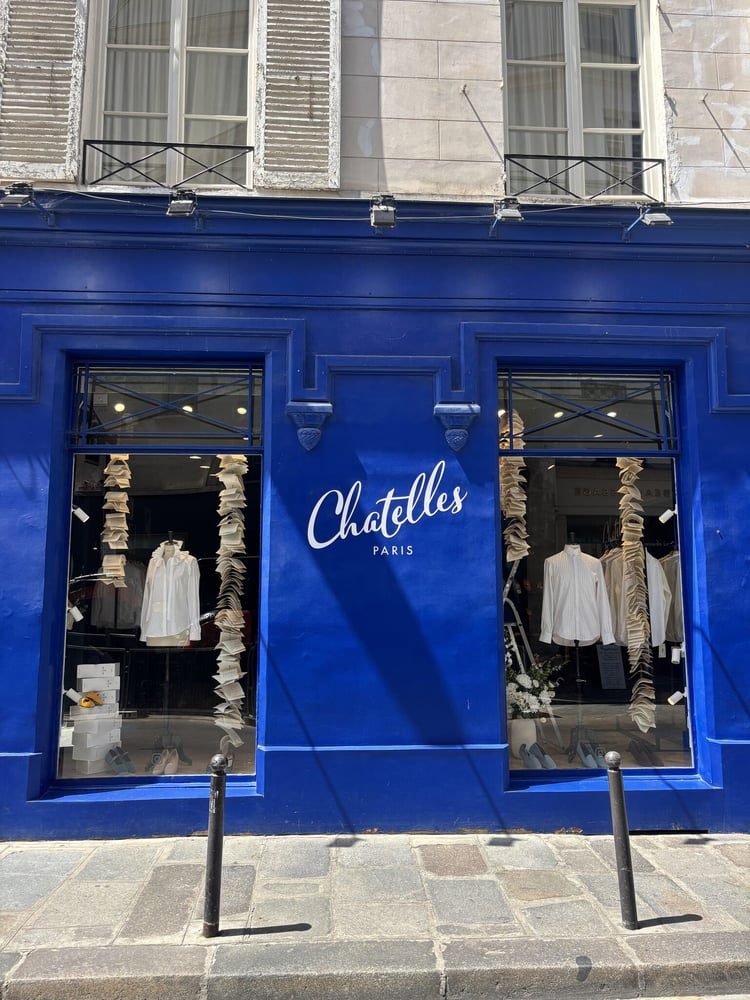
Rue de Lancry, meanwhile, folds food shops into its wine-bar strip: a well-regarded butcher, a cheesemonger, a dedicated wine shop, and a scatter of smaller independents that suit a wander far more than a shopping list — the kind of street where you end up carrying home dinner rather than a bag from a fashion label.
Where to stay in Canal Saint-Martin (10th Arrondissement)
The streets that hug the canal itself — quai de Valmy, quai de Jemmapes, rue Beaurepaire, rue de Lancry — put you inside the bar and restaurant scene and within a five-to-ten-minute walk of both the République and Jacques Bonsergent metro stops. It's the right pick for anyone prioritising atmosphere over proximity to a specific monument, and it's generally kinder to a budget than an equivalent room in the Marais or Saint-Germain, in keeping with the neighbourhood's overall mid-range feel. Rooms here tend to book up fastest on warm-weather weekends, when the canal itself becomes the main event and every step and terrace fills, so reserve ahead for a Friday or Saturday stay rather than assume you'll find something on arrival.
Where to stay here
Hotels in Canal Saint-Martin (10th Arrondissement)
Our best-rated stays in this neighbourhood. Prices are approximate “from” rates — confirmed at the provider when you continue. We may earn a commission if you book through our partners — at no extra cost to you.
 In this area
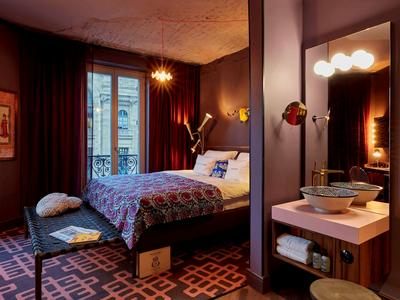
25hours Hotel Terminus Nord
 In this area
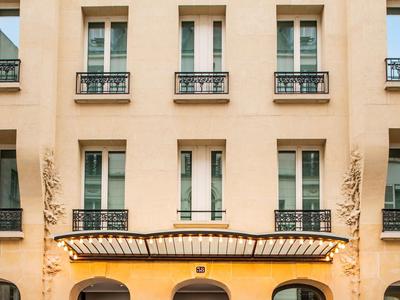
l'Echiquier Opéra Hotel Paris - MGallery Collection
 In this area
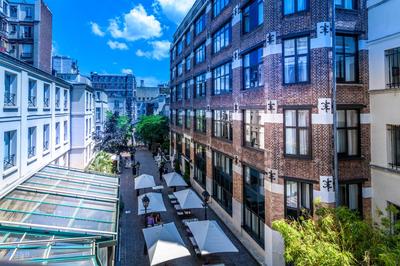
Les Jardins Du Marais
 In this area
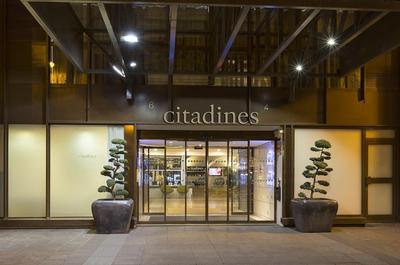
Citadines Les Halles Paris
 In this area
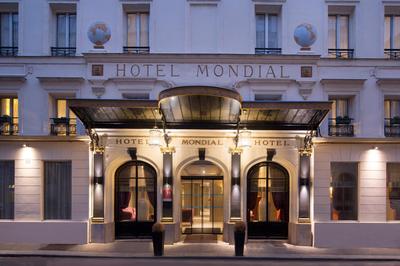
Hôtel Mondial
 In this area
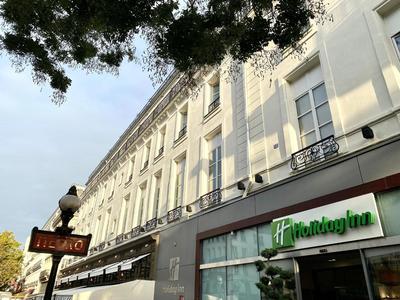
Holiday Inn Paris Opéra - Grands Boulevards by IHG
 In this area
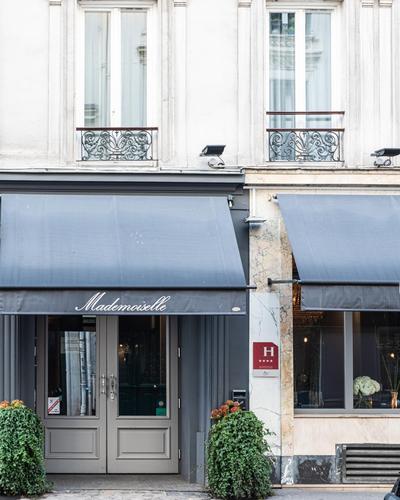
Hotel Mademoiselle
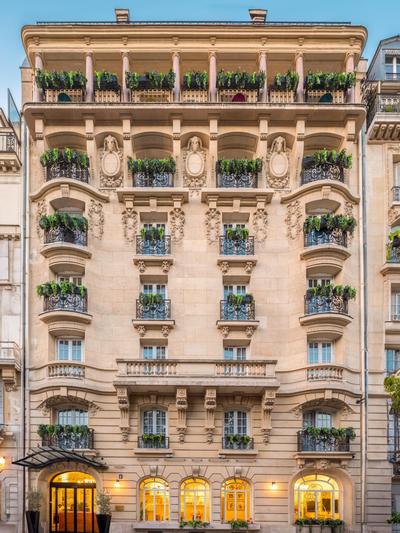 In this area
Solly Hôtel Paris
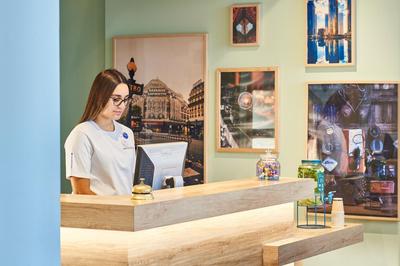 In this area
Hôtel Kabanel by Happyculture
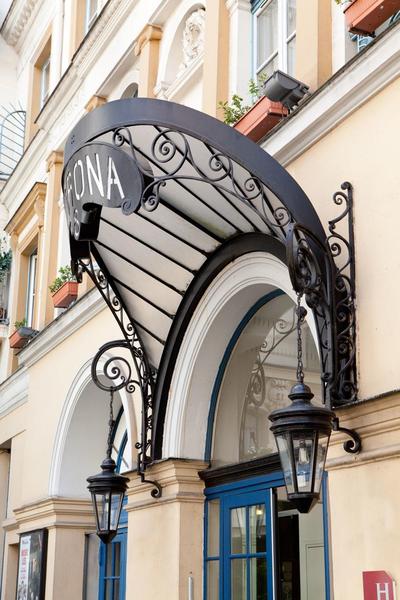 In this area
Leonardo Boutique Hotel Paris Opera
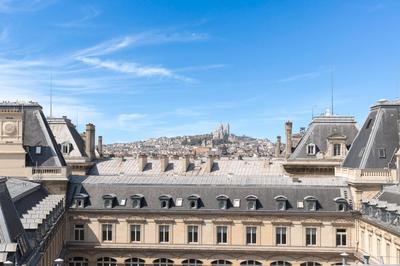 In this area
Crowne Plaza Paris - Republique by IHG
 In this area
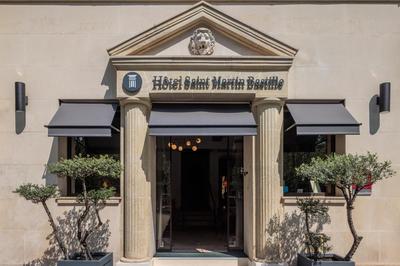
Hôtel Saint Martin Bastille
Getting around
Three metro stations bracket the neighbourhood, and which one you use mostly comes down to which end of the canal you're staying near. Jacques Bonsergent, on line 5, sits about 350m from the canal at the Faubourg Saint-Martin end. République, served by lines 3, 5, 8, 9 and 11, anchors the southern edge and is the single best-connected station for reaching the rest of Paris, which makes it the sensible choice if you're moving around the city a lot. Goncourt, on line 11, covers the northern stretch toward the Bassin de la Villette. Gare de l'Est and Gare du Nord are both a 10-15 minute walk away, with the RER B running direct from Gare du Nord to Charles de Gaulle airport — worth knowing if you're routing straight to or from a flight rather than through central Paris first. Standard city caution applies around République at night and on the quieter side streets, though the canal itself stays well populated into the evening, especially where crowds linger on warm nights.
Good to know
Canal Saint-Martin (10th Arrondissement) — your questions
Is Canal Saint-Martin (10th Arrondissement) a good area to stay in Paris?
Yes, for travellers who prioritise atmosphere and local food over ticking off monuments from the hotel doorstep. It's well connected by metro — République is one of the best-linked stations in the city — generally cheaper than the Marais or Saint-Germain, and puts you in the middle of Paris's best independent café, wine-bar and bistro scene.
What is Canal Saint-Martin known for?
The canal itself — a 4.5km 19th-century waterway with iron footbridges and working locks that drop 25 metres over nine steps — plus the food and coffee scene that's grown up along its banks since the 2000s: independent roasters like Ten Belles, bistros like Le Verre Volé, and the tradition of picnicking on the quayside steps on warm evenings.
How do you get to Canal Saint-Martin from central Paris?
Take the metro to République (lines 3, 5, 8, 9, 11) or Jacques Bonsergent (line 5), both a short walk from the water. From the Louvre or Marais it's roughly a 20-30 minute walk, or a single metro change.
Can you take a boat trip on Canal Saint-Martin?
Yes — Canauxrama runs guided cruises through the canal's double locks, swing bridges and the underground Bastille tunnel down to the Seine, with routes from 1h15 to 2h30, year-round. There's no food on board.
Gallery