The Paris issue
Where Paris Still Hand-Ties Its Gold Fringe and Silk Cord
A walkable trail through the Paris passementerie houses, ribbon shops and working ateliers where braid, tassels and tie-backs are still made by hand, with the door policies spelled out.

By Sasha LindholmThe unhurried side of Paris
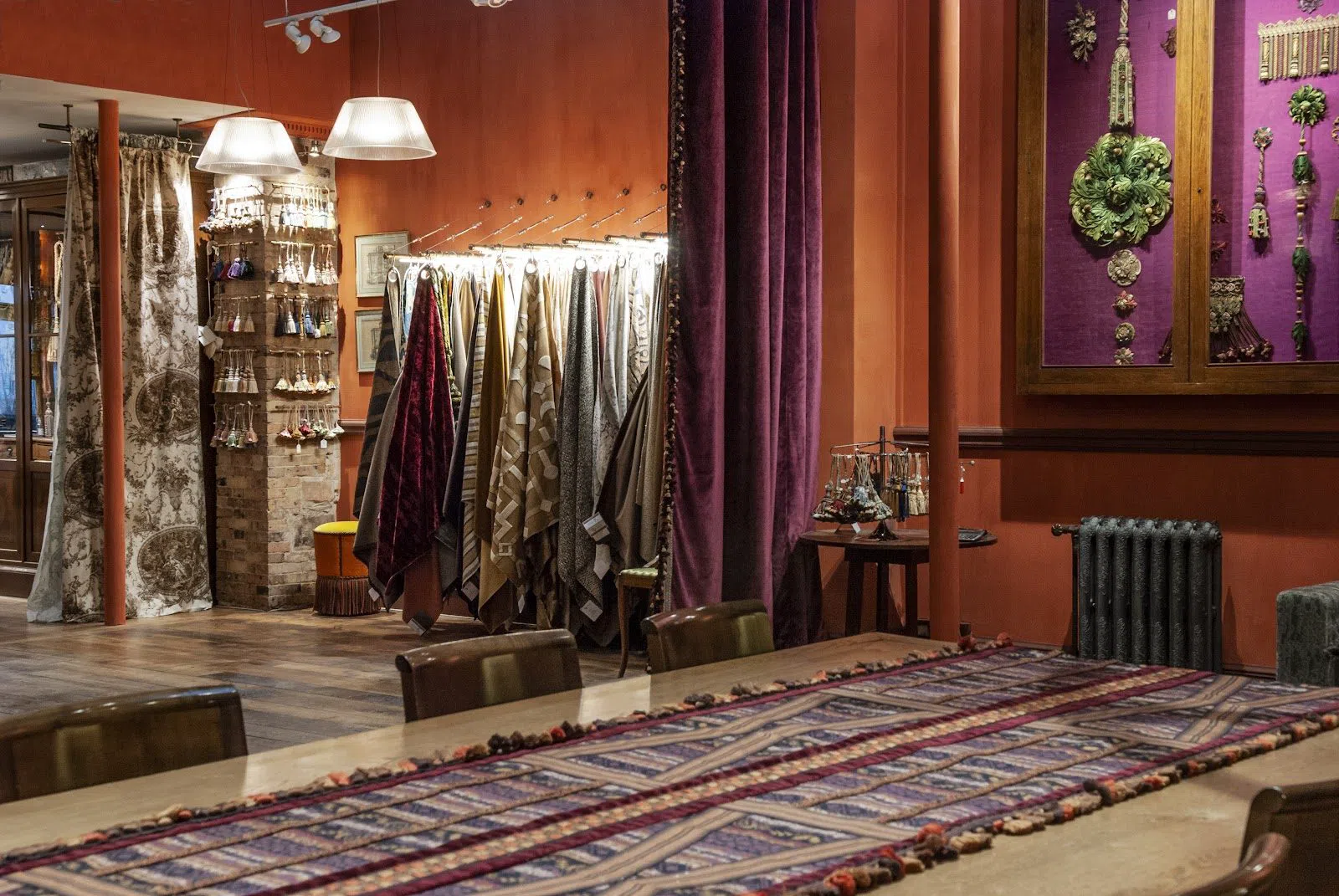
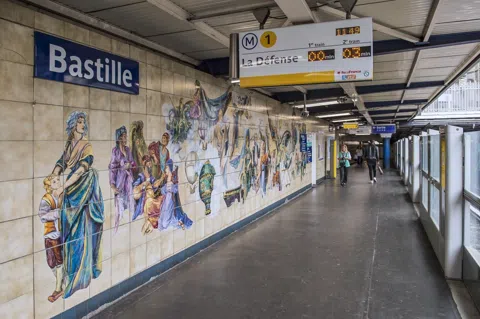
A passementier's bench is an unremarkable object: a wooden hand-loom, a steel hook, bobbins of silk on a rack, a metre rule rubbed pale in the middle from sixty years of hands. Work comes off it at roughly the speed of a slow conversation, a braid or a bullion fringe in a pattern drafted long before anyone in the room was born, bound for a curtain in a private mansion or a chair in a national collection. Paris still holds a handful of houses doing this inside the ring road, most of them within half an hour's walk of the Bastille, and almost none of them announce themselves from the pavement.
Start where the trimmings are still on the furniture
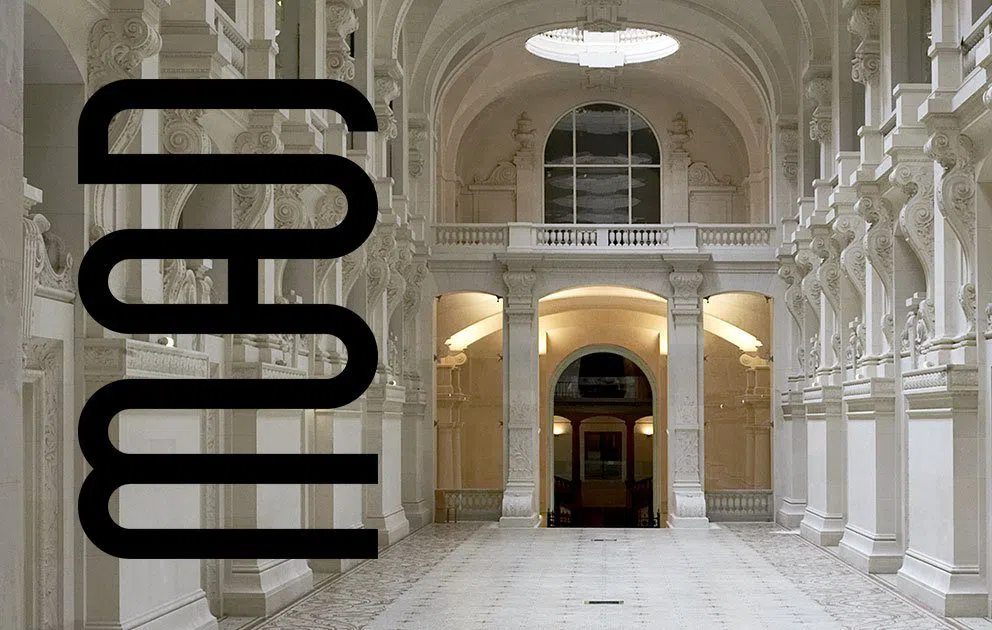
Trimming only makes sense once you have seen what it was made for. The Musée des Arts Décoratifs (1st, rue de Rivoli) holds the largest decorative-arts collection in continental Europe, and two hours in its period rooms is the cheapest tuition available on this subject. You learn to read a tie-back, to notice where a galon hides a tack line, to tell a moulded wooden tassel head from one wrapped by hand. It opens 11:00 to 18:00, Tuesday to Sunday, with a late Thursday until 21:00, and closes Monday. Entry is €15 for collections and exhibitions, free under 26. Two things to know for 2026: the Art Deco rooms are shut, and the Pavillon Marsan galleries reopen in the autumn. Group bookings are standard here, which is emphatically not true of most of what follows. If you are assembling a broader itinerary around it, our Paris guide covers the surrounding districts.
Plan your Paris trip
Live prices from our booking partners.
Free cancellation on many rooms. We may earn a commission when you book.
The houses that still tie the knots
Declercq Passementiers (central Right Bank) anchors the whole trail and is the one appointment worth building a day around. The house has made passementerie since 1852 through seven generations, carries the Entreprise du Patrimoine Vivant label, and keeps its own hand-loom workshop outside the capital. The Paris shop doubles as the only public passementerie museum in the city: cases of gold-thread fringe, guild-era sample books, tassels the size of a forearm. It is open Monday to Friday, 09:00 to 17:00, and documented guided visits run by appointment for solo visitors and small groups. Email or phone ahead and confirm the address when you book; larger parties need to ask well in advance. Browsing costs nothing. Commissioning does, since bespoke trimmings run into hundreds of euros per metre.
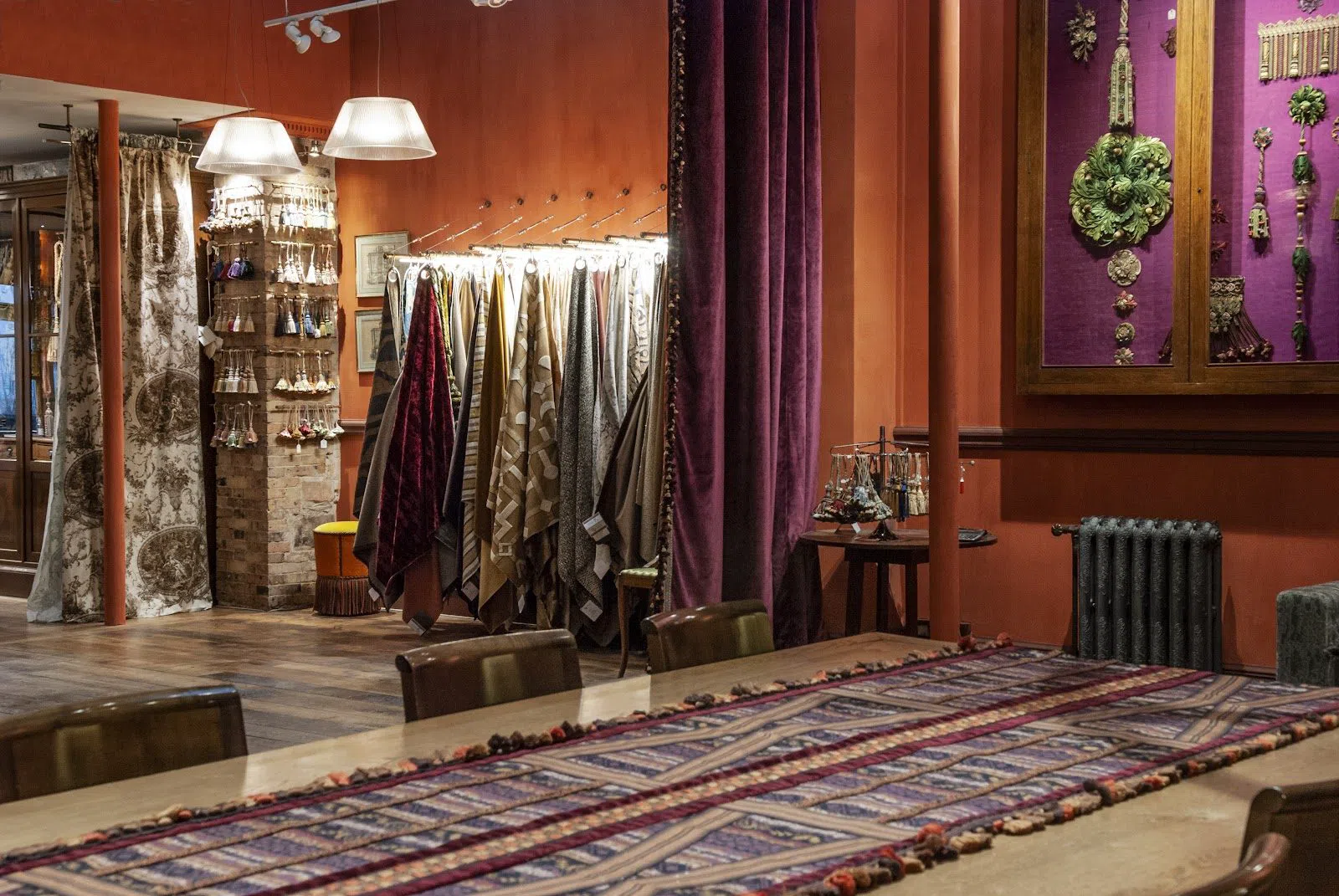
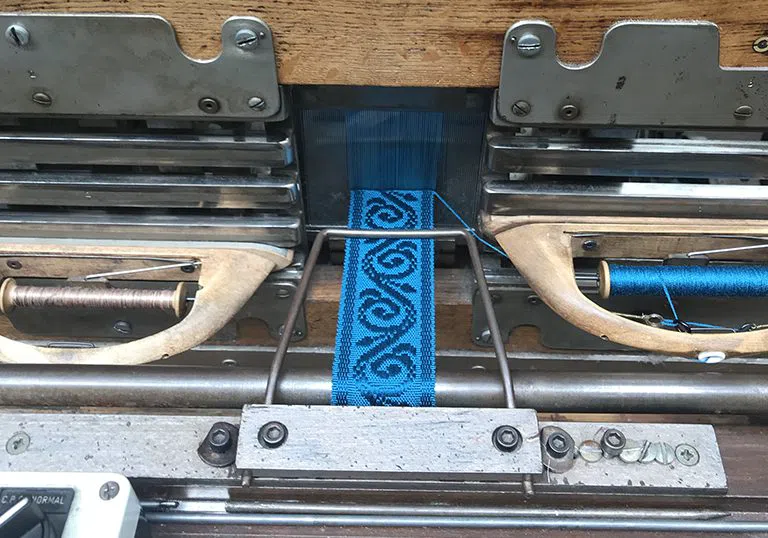
Passementerie Verrier (11th) is the most atmospheric working atelier on the trail, and the strictest about its door. The Verrier name appears in the 1753 master passementiers' guild regulations, and the atelier has stood on its present street since 1918. Everything is made to order in Paris, entirely by hand, mainly for decorators and heritage architects, so there are no walk-ins. Monday to Friday, 09:00 to 17:00, by appointment only, small booked groups. The visit is free; a commission is quoted rather than priced. A slot here is granted by people with deadlines, so keep the party to a handful.
Les Passementeries de l'Île de France (11th) shows what "made in France" still means for galons, fringes, cords and tie-backs. A family firm since 1926, it runs its own factory north of the capital and sells from a showroom that welcomes both trade and visitors during business hours. Phone +33 1 48 05 44 33 ahead if there are more than two or three of you. The showroom is the visit, and the workshop side is not a public tour. Trimmings are sold by the metre at mid-to-high trade pricing, so come to buy a metre of something excellent rather than to window-shop.
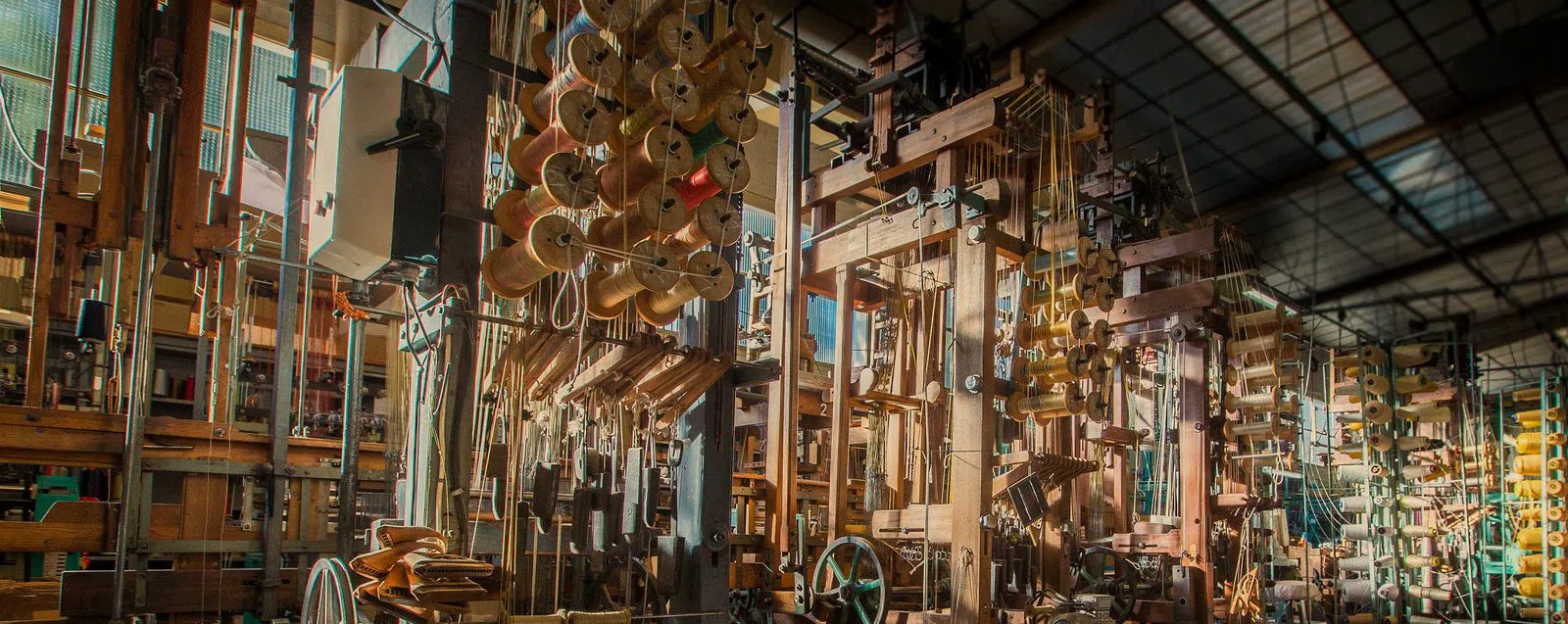
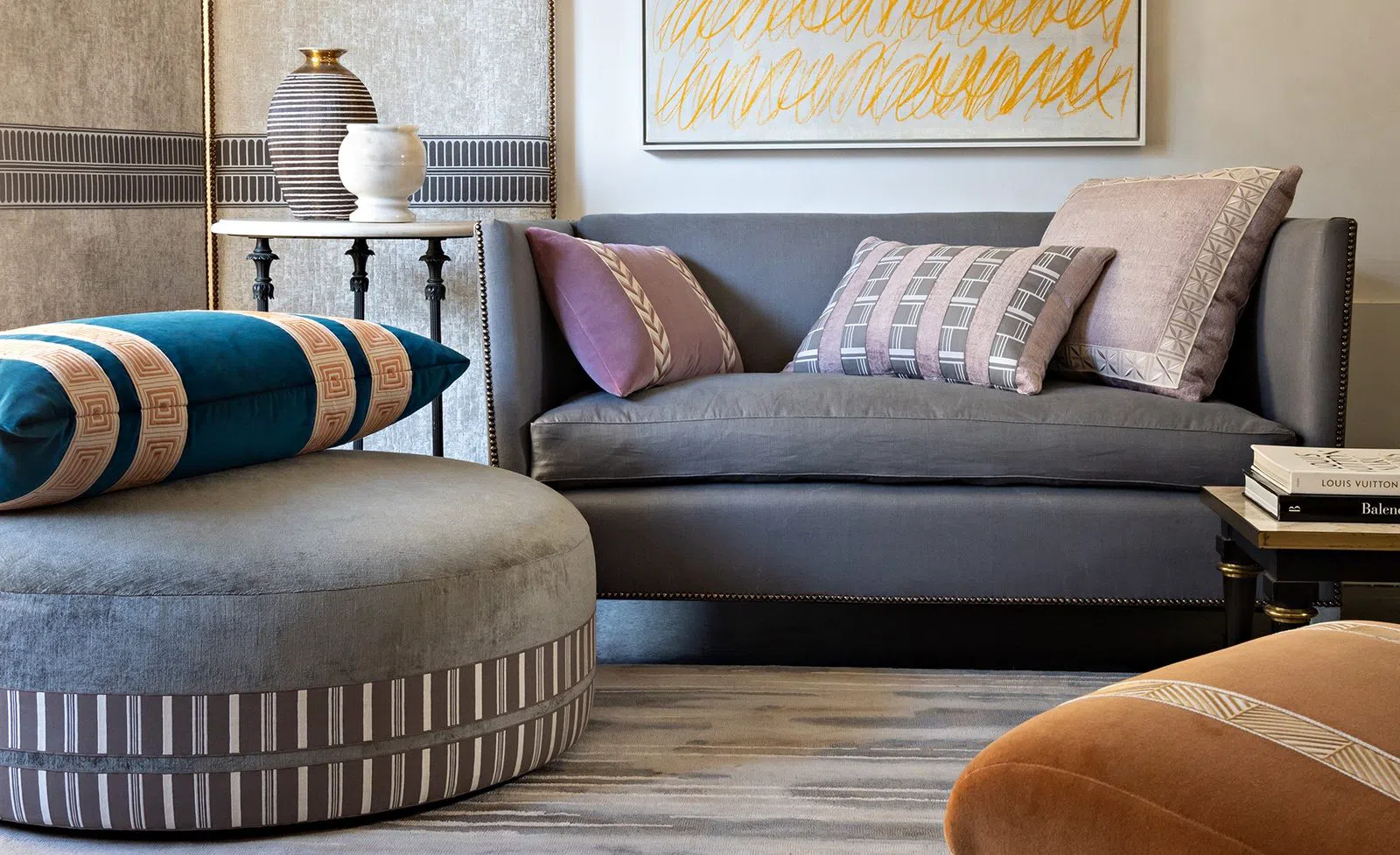
Houlès (12th, near Bastille) was founded on its street in 1928 by Félix and André Houlès and has never left it. Its hand-tied key tassels are the ones that turn up in period rooms and in auction listings worldwide, and at roughly €40 to €150 they are the most gettable souvenir on this trail, a real object, made by hand, that fits in a coat pocket. The showroom is trade-facing and open Monday to Friday, so groups and non-professionals should call +33 1 43 44 65 19 first rather than arrive hopefully. A second Paris showroom sits at 13 rue du Mail in the 2nd, which helps if your day keeps you on the other side of the centre.
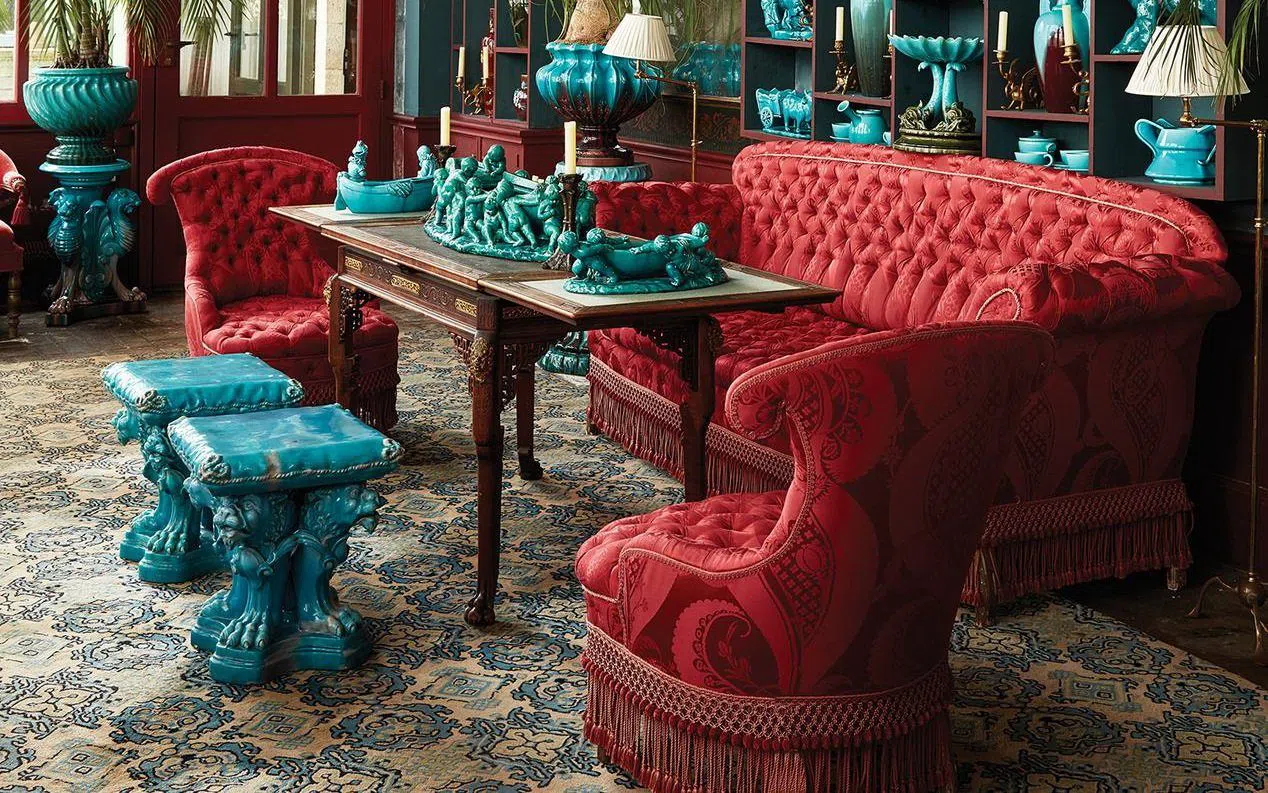
Paris Passementerie (9th) is smaller and far less known than Declercq or Verrier, and worth the trouble of finding. Everything is handmade to order, and the sample wall is worth the climb on its own: dozens of cords, ruches and campaign fringes hung where you can put a hand on them. Browsing is free and walk-in visits during business hours are possible in principle, but the hours are not published anywhere reliable. Ring +33 1 45 26 22 55 before you travel across the city, and treat that call as mandatory for any group. This is a working editor rather than a shop, and the difference shows in how welcome you are made to feel when you have warned them.
Shops you can simply walk into
Not everything on this trail requires a phone call. Ultramod (2nd, near the Opéra) is the oldest haberdashery in Paris, trading since the 1830s, and its basement holds genuine deadstock ribbon and passementerie, spools that have sat in the same building since long before anyone thought of them as collectable. Roughly Monday to Friday, 10:00 to 18:00, free entry, ribbons and trims from a couple of euros a metre, with antique stock priced far higher. The shop is tiny. Visit in twos and threes; a coach party would simply not fit. Head for number 4, since the neighbouring hat-supplies boutique across the street has been wound down.

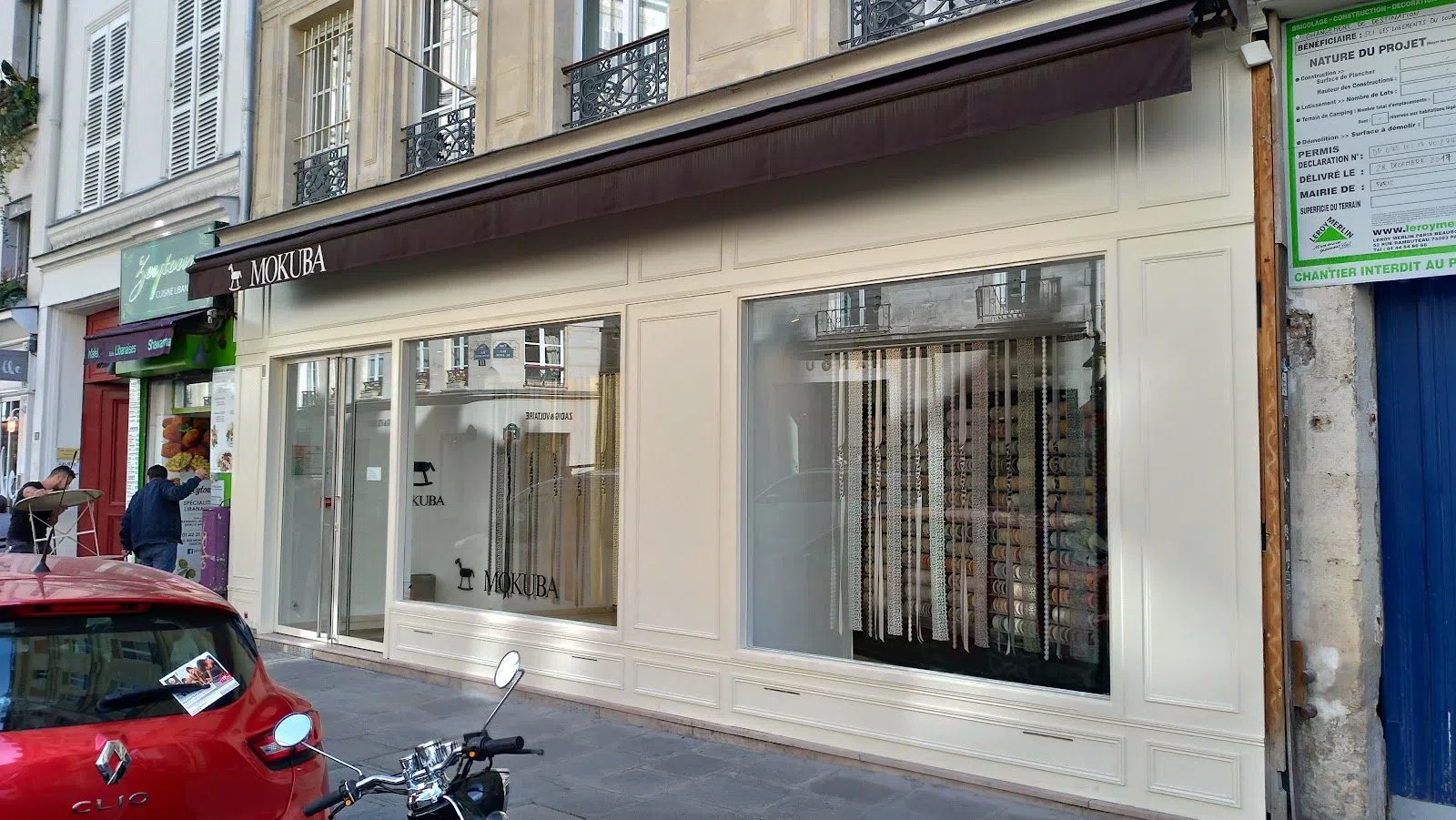
Mokuba France (Right Bank, in the fabric quarter) is the outsider on this trail and the most modern thing on it. Shoichi Watanabe founded the house in 1954, drawing on the weaving of the kimono obi, and its archive of some 55,000 ribbons is used by couture houses a few streets away. Open to the public Monday to Friday, roughly 09:30 to 18:30 with a later Monday start. Ribbons typically run €3 to €30 a metre. Small groups are fine, but the aisles are tight and the staff are frequently serving people with a collection to deliver.
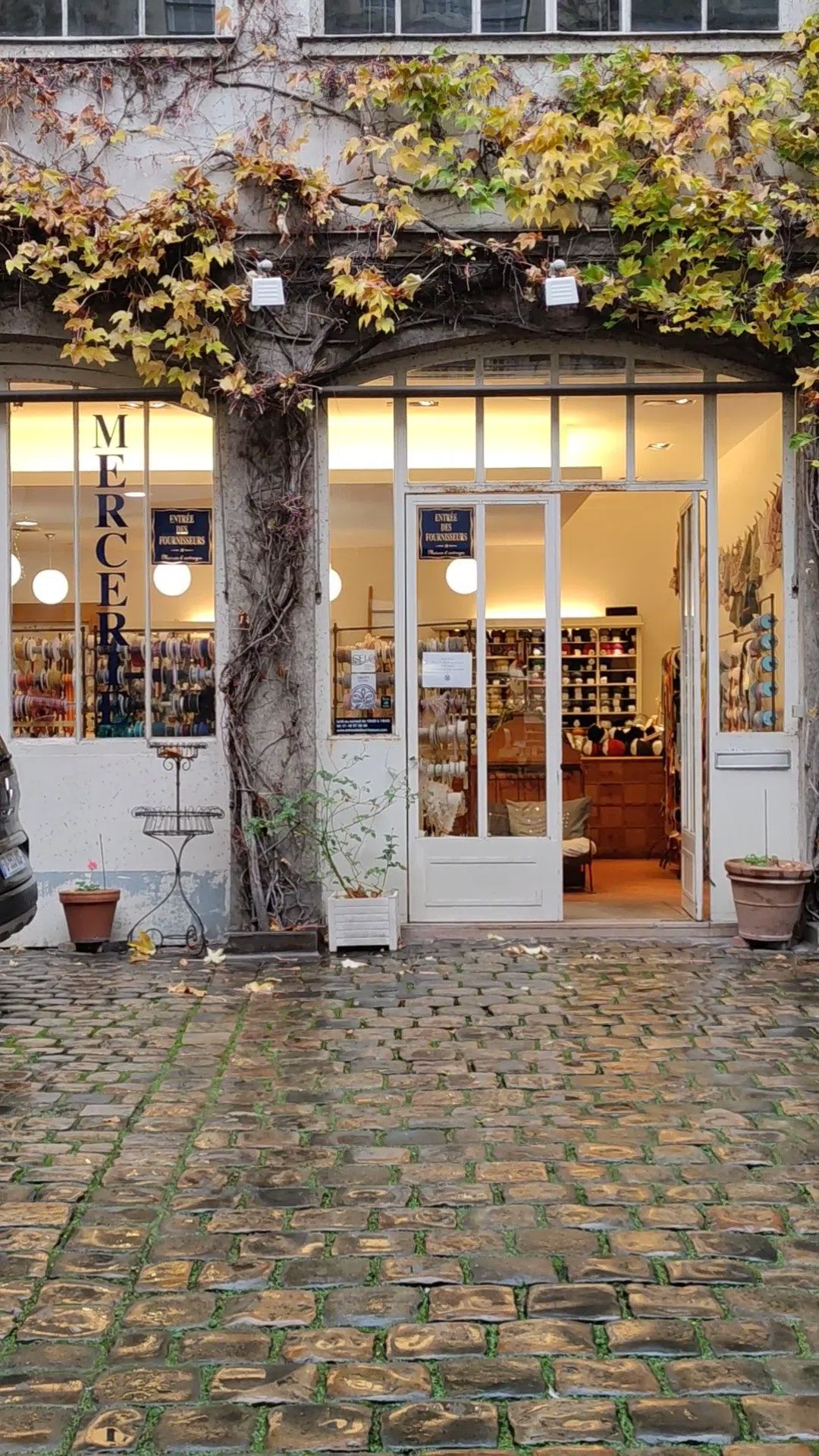
Entrée des Fournisseurs (the Marais) is the easiest stop of the lot to visit unannounced, and the courtyard approach is half the pleasure: you turn off the street, cross a cobbled cour, and find a genuine working mercerie rather than a gift shop dressed as one. Buttons and trims start at about a euro. Monday to Saturday, 10:30 to 19:00, free entry, and the only place here that is comfortably open on a Saturday. Small groups suit the courtyard; large ones will clog it.
Watching the loom instead of the result
The Manufacture des Gobelins (13th, at Gobelins) is the one place on this trail where you watch heritage textile-making in progress rather than admiring its output. It has been a working state manufactory since the 17th century, and the 90-minute guided tour takes you past looms with work in progress on them. Guided tours run Tuesday, Wednesday and Thursday at 13:00 and 15:00 for groups, and Wednesday at 13:00 and 15:00 for individuals. Reservation is compulsory through Cultival at [email protected]. Tickets are €17.50, reduced €9.90. If you are travelling as a group of any size, build the trip around this one, since it is the only genuinely bookable group experience in this whole world.
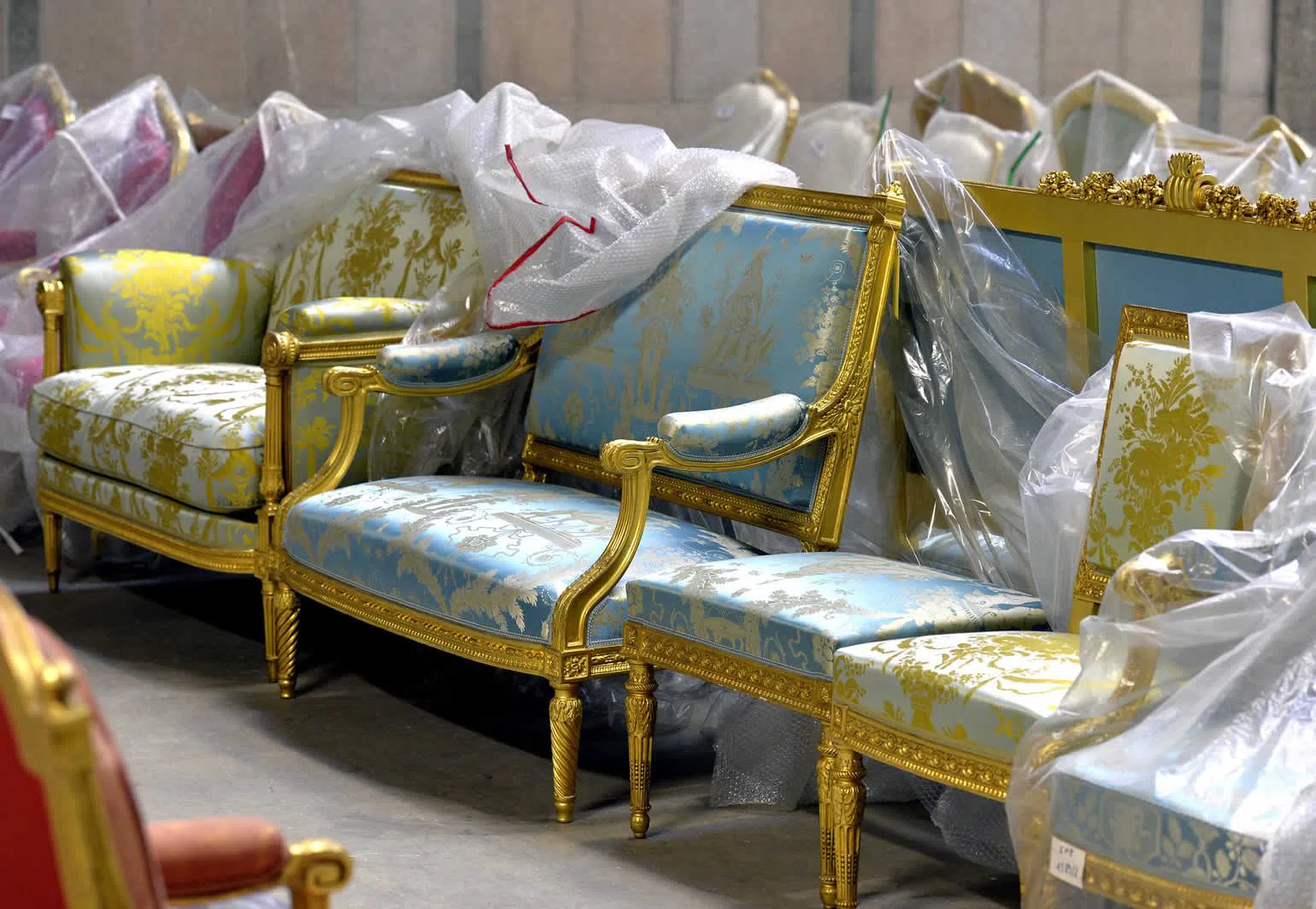
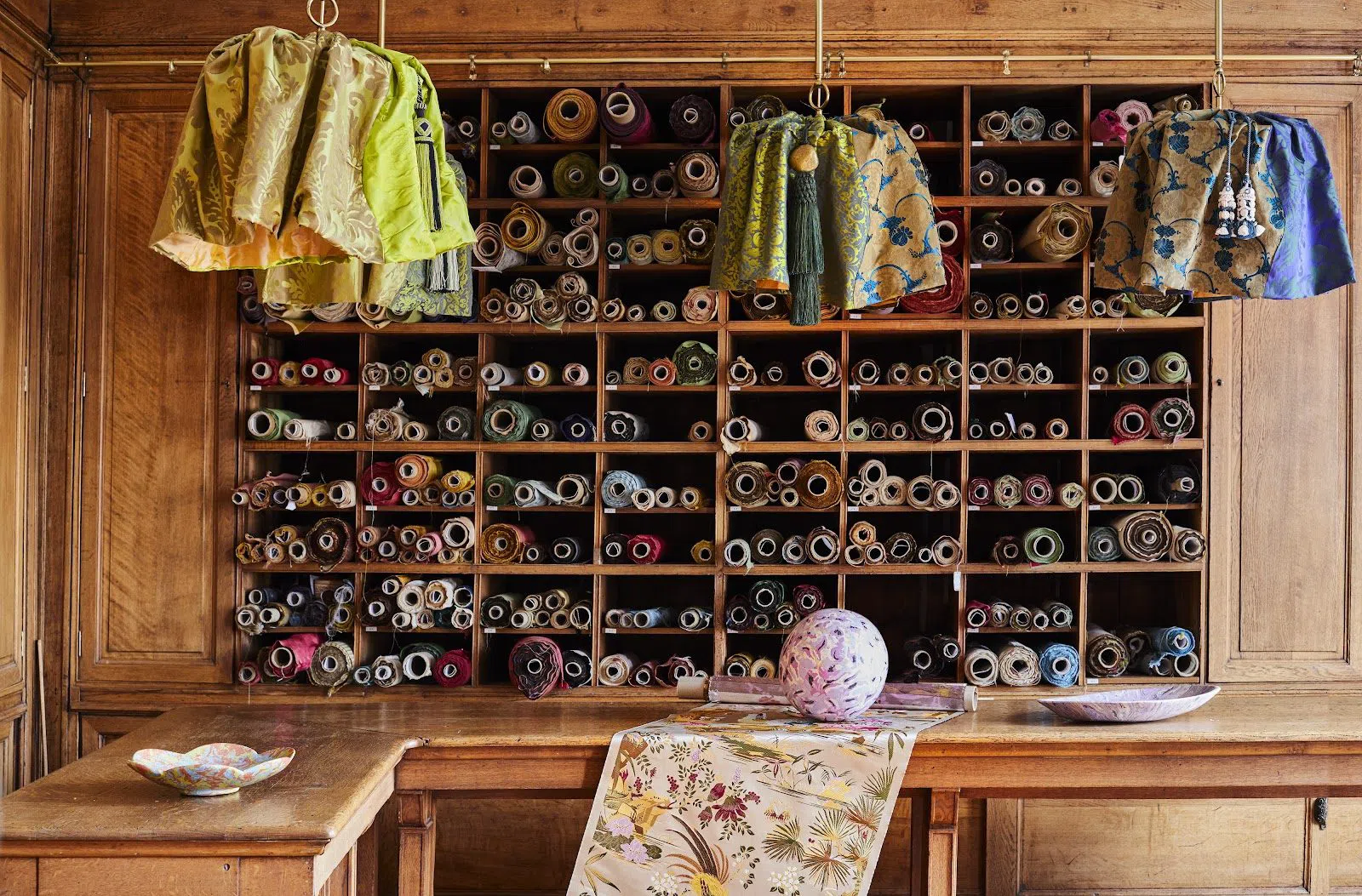
Maison Prelle (2nd) shows you the other half of the equation. The house has woven silk since 1752, and its Paris showroom holds the brocades, lampas and damasks that passementerie was invented to trim. The staircase alone justifies the detour. Monday to Thursday, 09:00 to 18:00, Friday 09:00 to 17:00, free to view, with silks priced per metre at the very top of the market. The showroom is primarily professional, so contact them in advance, and treat a group visit as something to negotiate rather than assume.
La Galerie du 19M (just beyond the périphérique, north-east) ends the trail, and it is the one stop where a visitor can actually put hands on the craft. It is the métiers d'art hub built by Chanel, home to the École Lesage since 2021, and the gallery itself is free and open to all: Wednesday to Friday, 11:00 to 18:30, Saturday and Sunday 11:00 to 19:00. Good for groups, and the Lesage embroidery courses upstairs take amateurs on 6, 12 and 18-hour sessions, priced separately. Book those weeks out; they are the closest thing to an apprenticeship a traveller can buy.

The courtyards behind the Faubourg Saint-Antoine
Cour de l'Industrie (11th, Faubourg Saint-Antoine) is what survives of the old furniture district: around 55 artists and artisans in a courtyard that reopened after a six-year restoration by the City of Paris. It is freely accessible during the day, though individual ateliers keep their own hours, so go on a weekday when the workshops are actually working. Doors open properly for groups during the Journées Européennes des Métiers d'Art in early April.


A few minutes away, the Galerie des Ateliers de Paris (12th, by Bastille) is the city-run counterweight to the heritage houses: free rotating exhibitions of working Paris craftspeople, and the best place to see where these trades are heading rather than where they came from. Tuesday to Saturday, roughly 10:00 to 13:00 and 14:00 to 19:00, free, groups welcome. Call +33 1 44 73 83 50 to find out what is currently hanging, since the programme turns over quickly.
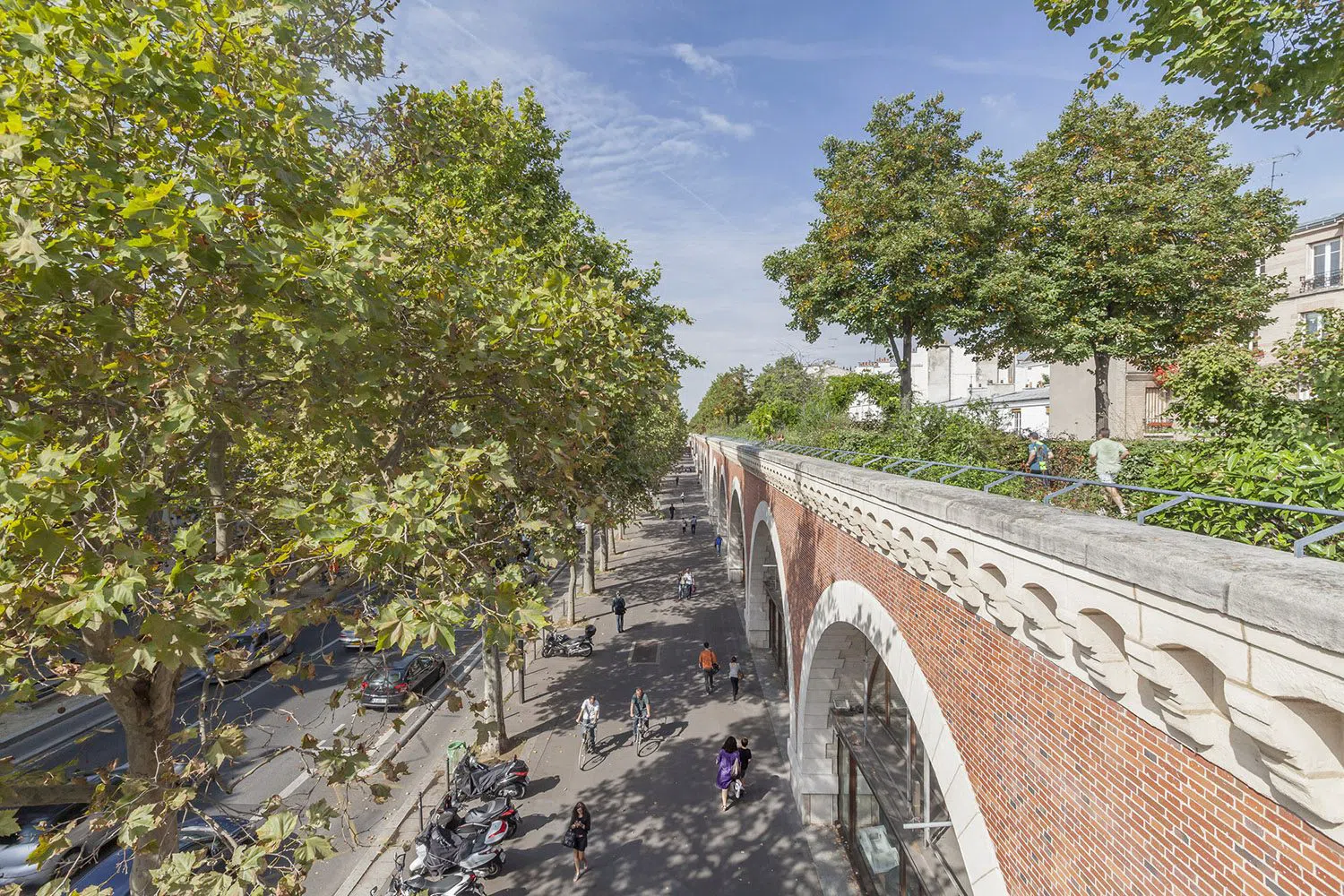
Le Viaduc des Arts (12th, avenue Daumesnil) puts 41 craft workshops under the arches of the old Bastille railway viaduct. It skews to furniture, jewellery and leather rather than passementerie proper, and many ateliers prefer appointments even though the arcade itself is walkable at any hour. As the showcase of the decorative-arts district it holds its place, and during the Journées Européennes des Métiers d'Art on 10 to 12 April 2026 the open days here are the best-value day of the year for a group.
Antique fringe sold by the armful
If you would rather buy old trimmings than commission new ones, go to Marché Vernaison, Puces de Paris Saint-Ouen (north of the city). Founded in 1920, it is the best hunting ground anywhere in Paris for salvaged 19th-century tassels, bullion fringe and cut lengths of galon, priced from a few euros to several hundred depending on age and condition. Saturday and Sunday 10:00 to 18:00, Monday 11:00 to 17:00, Friday 10:00 to 13:00, free entry. Go early, before the dealers have sold the good boxes to each other, and haggle, which is expected here. The lanes are narrow, so a group should agree a meeting point and split up.

Putting the trail together on foot
Two days does it comfortably. Day one is the Right Bank cluster: the museum on rue de Rivoli in the morning, then Ultramod, Mokuba, Prelle and a booked Declercq slot in the afternoon, all within a compact walk of one another. Day two runs east: Verrier or Les Passementeries de l'Île de France by appointment in the morning, Houlès and the Galerie des Ateliers de Paris around Bastille, then Cour de l'Industrie and the viaduct arches on the way back. Add the Marais mercerie whenever you happen to pass. Gobelins and 19M each need their own half-day and their own booking, and the flea market wants a weekend morning of its own.
Practical notes before you go
Everything except the flea market and 19M is inside the métro's densest zone, and lines 1, 5 and 8 link the Bastille end of the trail to the centre in minutes. Walking between the eastern stops is quicker than changing trains. The Puces are a short ride to the northern edge, and 19M sits just past the périphérique on the tram and métro network.
Book the appointment-only houses at least a week ahead and confirm by phone the morning of the visit. These are small teams, and a machine breakdown outranks a visitor. Weekday mornings are the sweet spot, since almost the entire trail closes on Saturday and Sunday. August thins the workshops out considerably; April, with the métiers d'art open days on 10 to 12 April 2026, is the strongest week of the year.
Carry cash for the flea market, where dealers prefer it and it strengthens a haggle; cards are fine everywhere else. The trail costs almost nothing to walk: €15 for the museum, €17.50 for the Gobelins tour, everything else free to enter. Spending starts when you want to take something home, whether that is a metre of Mokuba ribbon for €3 to €30, a hand-tied Houlès key tassel from around €40, antique fringe from a few euros, or bespoke work quoted per commission and running into hundreds of euros per metre. Stay east, around Bastille or the Marais, and most of the trail is on your doorstep. Compare rates with our Paris hotel search.
Before you go
Can I visit a Paris passementerie workshop without an appointment?
Only some of them. Ultramod, Mokuba France and Entrée des Fournisseurs are ordinary shops you can walk into during business hours. Declercq Passementiers and Passementerie Verrier take appointments only, and Les Passementeries de l'Île de France, Houlès, Paris Passementerie and Maison Prelle are trade-facing showrooms where you should phone first. Unless the address is a shop, assume you need to call ahead.
Which stop works best for a group?
The Manufacture des Gobelins is the one bookable group experience on the trail: 90-minute guided tours Tuesday to Thursday at 13:00 and 15:00, reserved through Cultival at [email protected], €17.50 or €9.90 reduced. La Galerie du 19M and the Galerie des Ateliers de Paris also take groups, and both are free. Ultramod and the small ateliers cannot hold more than a few people at once.
How much does it cost to buy real Paris passementerie?
It depends on what you are after. Ribbon at Mokuba France runs €3 to €30 a metre, trims at Ultramod start at a couple of euros, buttons at Entrée des Fournisseurs at about a euro. A hand-tied Houlès key tassel is roughly €40 to €150. Antique pieces at Marché Vernaison run from a few euros to several hundred. Bespoke commissions from the heritage houses cost hundreds of euros per metre.
What is the best day of the week to do this trail?
A weekday morning, Tuesday to Thursday. Nearly every atelier and showroom works Monday to Friday and closes at the weekend, and the Gobelins group tours only run Tuesday, Wednesday and Thursday. Entrée des Fournisseurs opens Saturday, and the flea market at Saint-Ouen is a weekend proposition. The Musée des Arts Décoratifs closes on Monday.
Can I actually try the craft myself rather than just look at it?
Yes, at La Galerie du 19M, where the École Lesage runs embroidery courses for amateurs in 6, 12 and 18-hour sessions, priced separately from the free gallery. Otherwise the closest thing to hands-on is the Journées Européennes des Métiers d'Art on 10 to 12 April 2026, when workshops at Cour de l'Industrie and Le Viaduc des Arts open their doors.