The Paris issue
How Safe Paris Really Feels on a First Visit
Where the hassle concentrates, which doors open onto quieter rooms, and how to plan a first evening that ends well.

By Sasha LindholmThe unhurried side of Paris
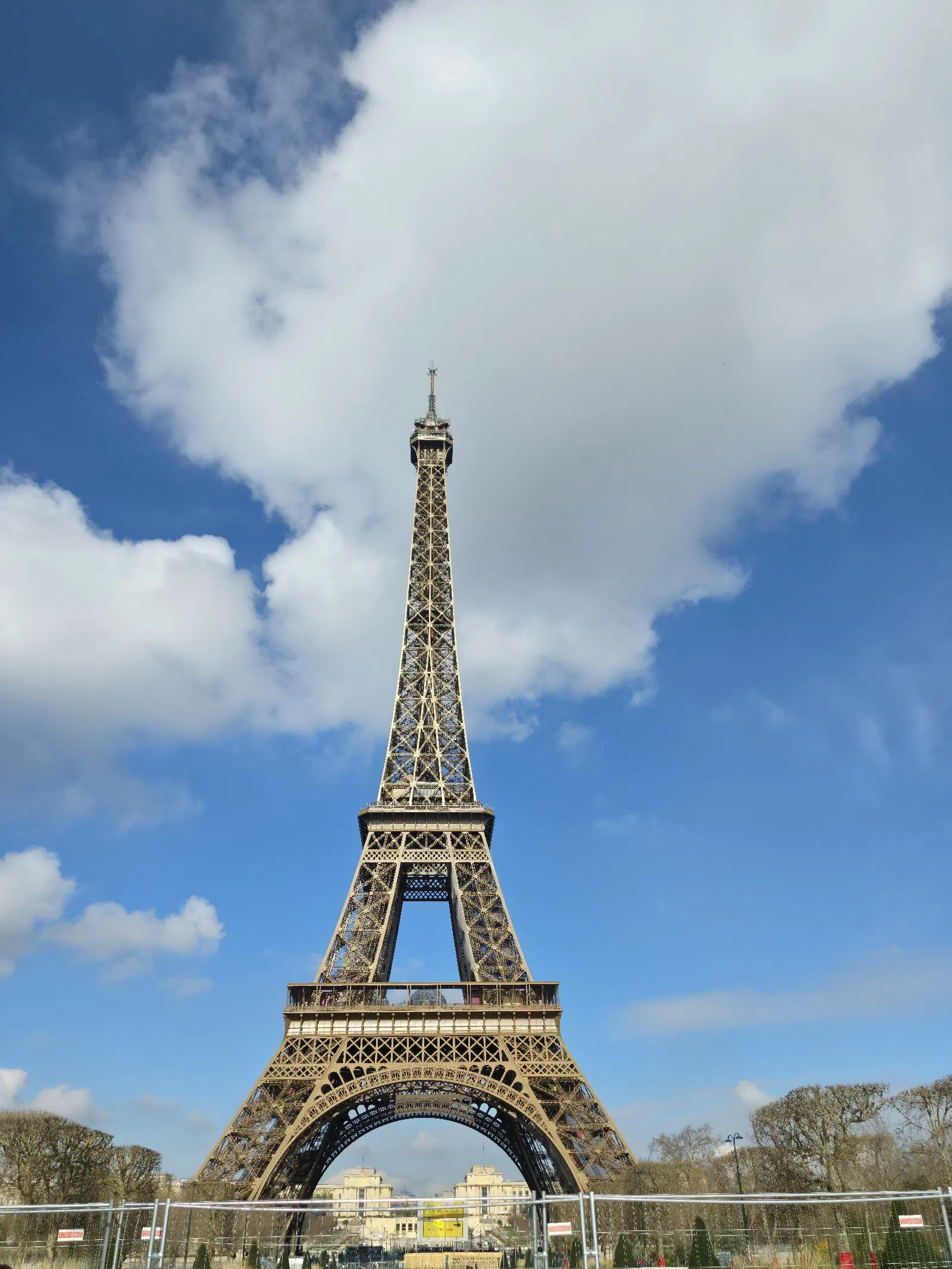
The Champ de Mars at ten in the morning is a wide, bright, slightly scruffy lawn with a tower on it, and the loudest thing on it is a man asking whether you speak English. Almost nothing that unsettles a first-time visitor to Paris happens inside the monuments; it happens in the hundred metres of open ground before the ticket gate, where the approach work gets done. Once you understand that the friction lives outdoors and the calm lives indoors, the city rearranges itself into something you can plan around instead of bracing against.
The friction is outside the gate
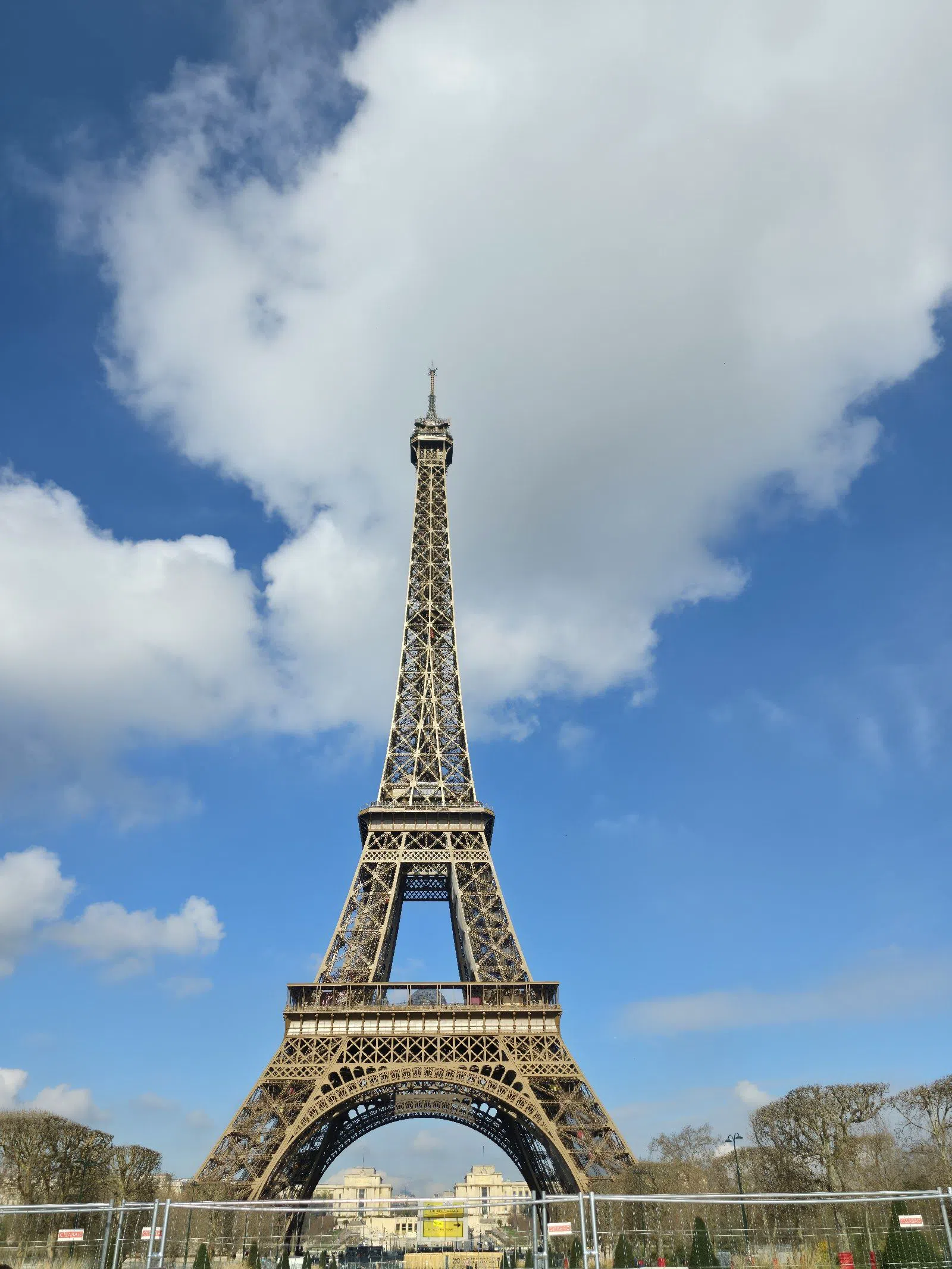
The Eiffel Tower (Champ de Mars, 7th) is, past the barrier, one of the most controlled spaces in Paris. Screening takes five to ten minutes, everyone moves on a timed slot, and parties booked through the official site go through together instead of reassembling on the far side. Stairs to the second floor cost €14.80, the lift to the same level €23.50, the summit by lift €36.70, and under-fours are free. Every difficult thing people describe about this monument happens before that gate, on the esplanade, where bracelet crews and clipboard petitioners work the approach. They are reading hesitation, not wealth. Walk at your normal pace towards the gate, keep your hands busy, say nothing and don't slow down, and it resolves itself in under a minute. The tower is not where you get caught out. The lawn in front of it is.
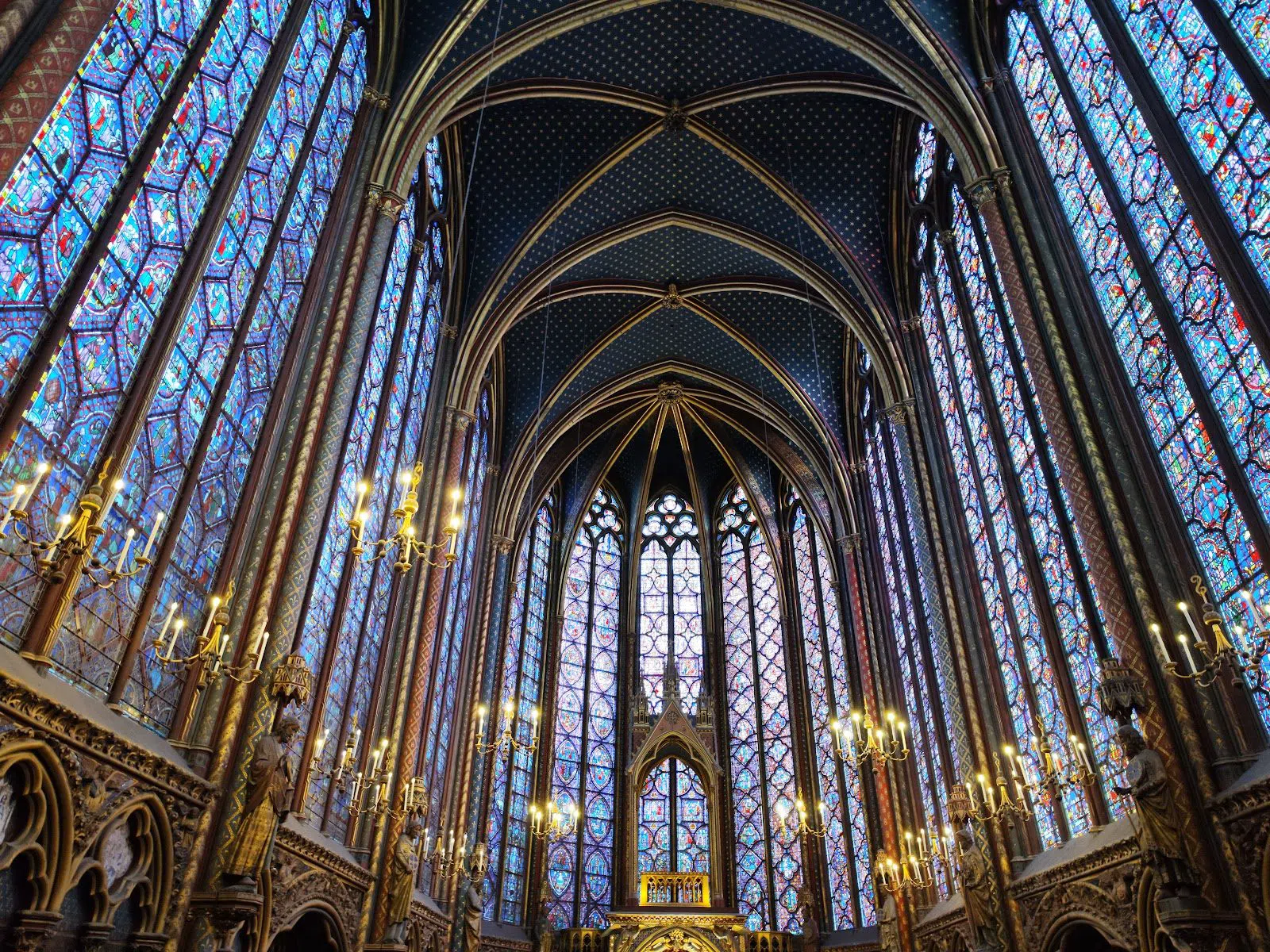
Sainte-Chapelle (Île de la Cité, 1st) makes the point more bluntly. The chapel sits inside the working law-courts complex, so entry means airport-style screening with police on the gate, and it is the most heavily secured room you will stand in all trip. The complication is that the queue is outdoors on the street side, which is the whole argument for arriving early rather than drifting up at midday. Entry is €22, free for EU residents under 26, and groups go through the monument's dedicated groups channel, with the entire party queuing through court security as one. Plan for the wait, not for the risk. That inversion, secure inside and exposed outside, holds at nearly every ticketed site in the city, and it is worth knowing before you land.
Plan your Paris trip
Live prices from our booking partners.
Free cancellation on many rooms. We may earn a commission when you book.
Museums where the crowd thins out
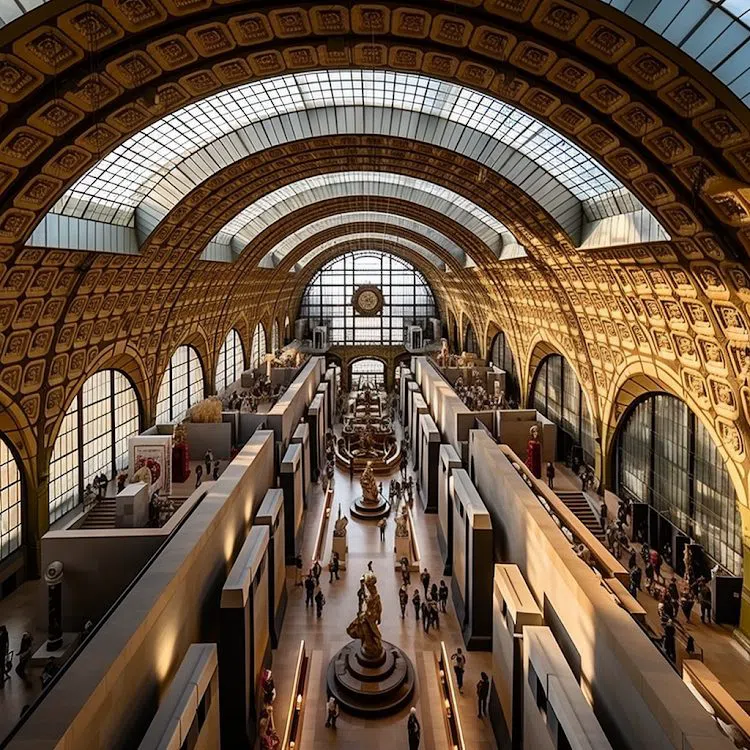
Crowd density, not crime, is what most people are reacting to when they say a place felt overwhelming. Musée d'Orsay (Left Bank quay, 7th) handles both problems well. It costs €18, drops to a flat €12 after 6pm on Thursday, and is free for under-18s and EU residents aged 18 to 25. The cloakroom takes big bags, which removes the thing most nervous visitors spend the day clutching to their chest. Groups are welcome with advance booking. The Thursday late opening until 9.45pm is the easiest way to be out after dark on your first night in the city: you step out of a staffed building onto a lit quay at a civilised hour, rather than standing on a pavement working out a night bus route in a language you don't have yet.
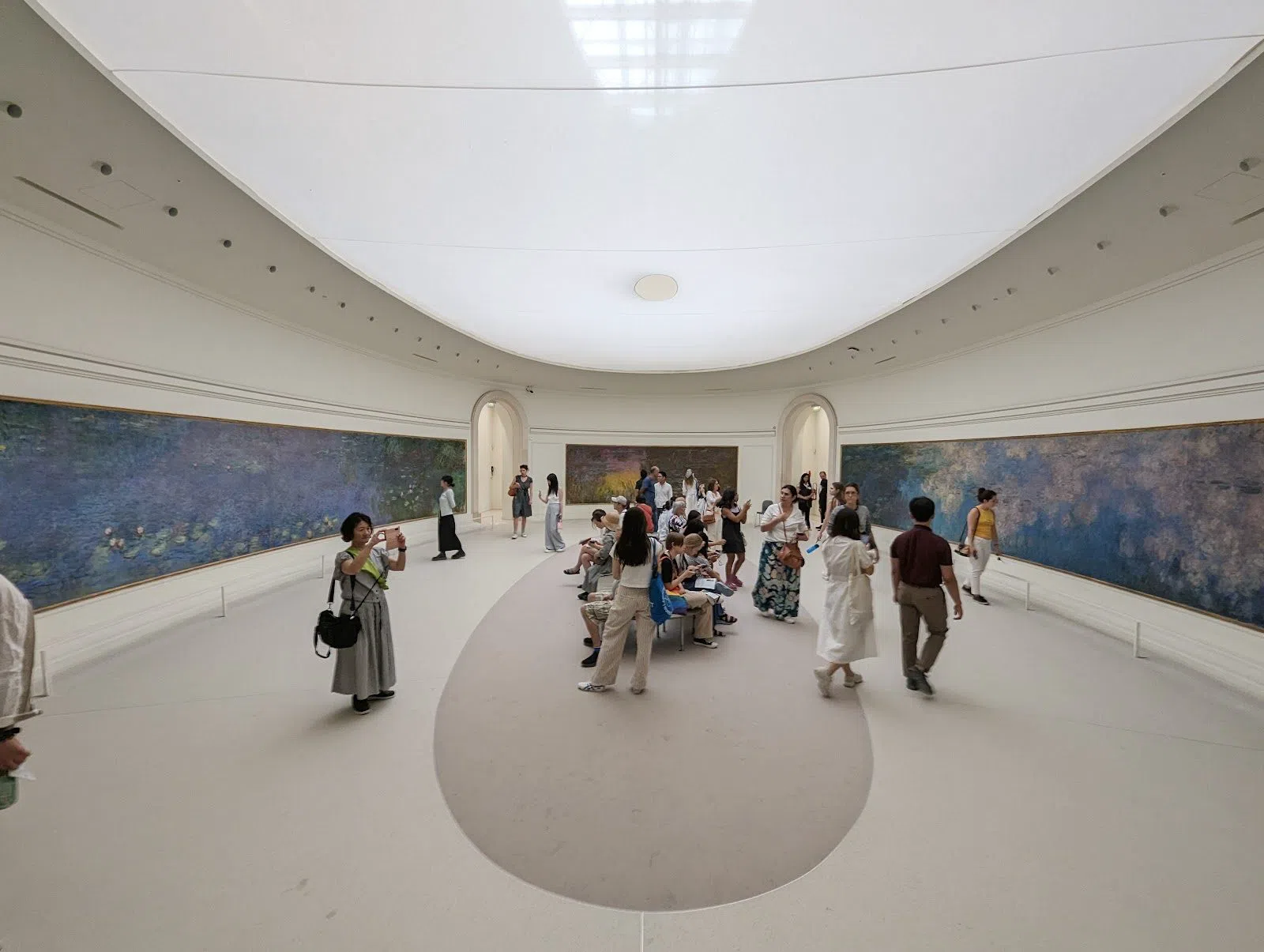
Musée de l'Orangerie (Jardin des Tuileries, 1st) is where to go after a bad first museum day. It is €12.50, free on the first Sunday of the month with a reservation, and closed on Tuesdays. The building is small, which means booked groups get scheduled rather than walked in, and it means an hour end to end is genuinely enough. If the Louvre's density was the actual problem (the shuffling, the raised phones, the sense of being carried along by a current you didn't join), this is the correction, and it sits a ten-minute walk away through the same gardens.
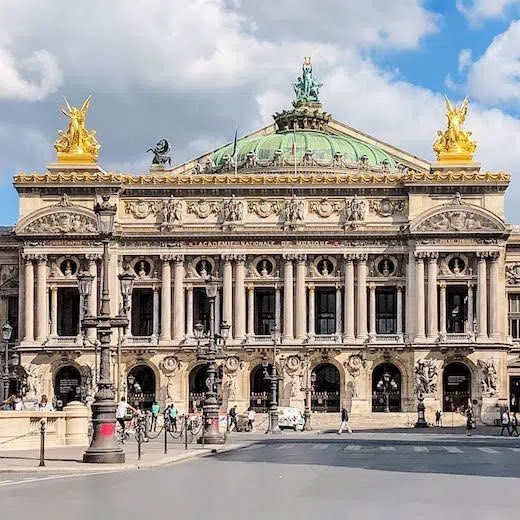
Palais Garnier (Opéra, 9th) needs one honest caveat before you build a morning around it. Online booking is mandatory for everyone; self-guided entry is €15 for EEA residents and €25 otherwise, guided tours run €11 to €35, and under-13s go free. But rehearsals close the auditorium often and without warning, so no ticket on earth guarantees you see the Chagall ceiling. Go for the staircase, the foyers and the sheer theatre of the building, and treat the auditorium as a bonus. Groups book through the opera's dedicated group line.
Getting high enough to see where you are
Disorientation is most of what feels like danger on day one, and the cheapest cure is altitude. La Terrasse at Galeries Lafayette Paris Haussmann (boulevard Haussmann, 9th) is free, walk-in, no ticket, no reservation and no limit on party size. Escalators take you to the eighth floor and a 360-degree view with nothing changing hands. It keeps store hours and closes in bad weather, so it is a fair-afternoon plan rather than a fixed appointment. Standing up there for fifteen minutes and physically locating the tower, the hill and the river does more for a first-timer's nerves than any amount of reading.
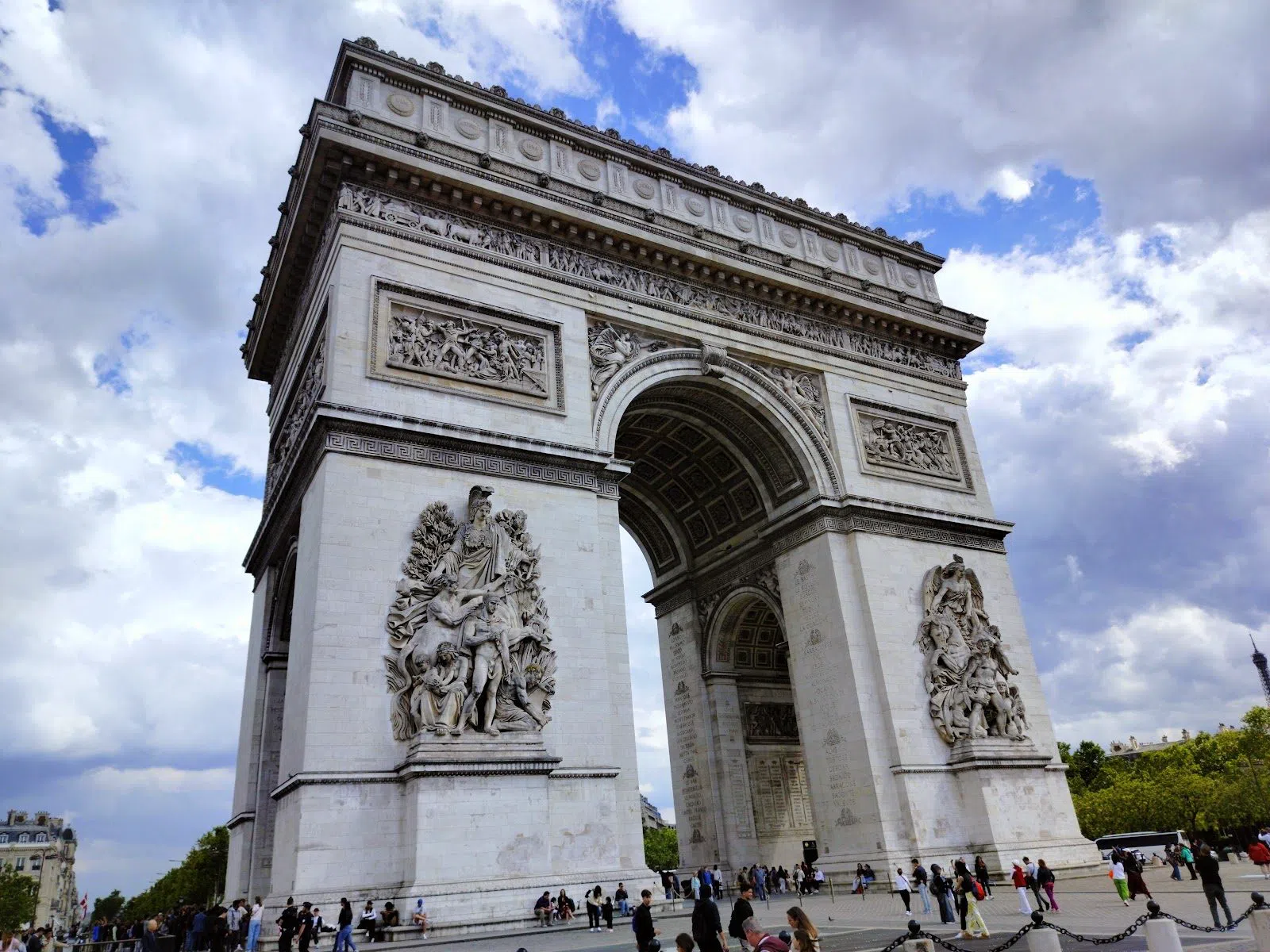
The Arc de Triomphe (place Charles de Gaulle, 8th) comes with a piece of practical knowledge worth having before you arrive rather than after. Nobody crosses that traffic on foot. Access is by pedestrian underpass from the Champs-Élysées side, and knowing this spares you the several minutes of kerbside panic that catch out almost everyone who doesn't. Entry is €22, free for EU residents under 26, and groups are handled through the monument's tourism-professionals channel. The lift is out for maintenance until further notice, so it is stairs only. Rule it out entirely if anyone in your party can't climb, and don't discover that at the top of the underpass steps.
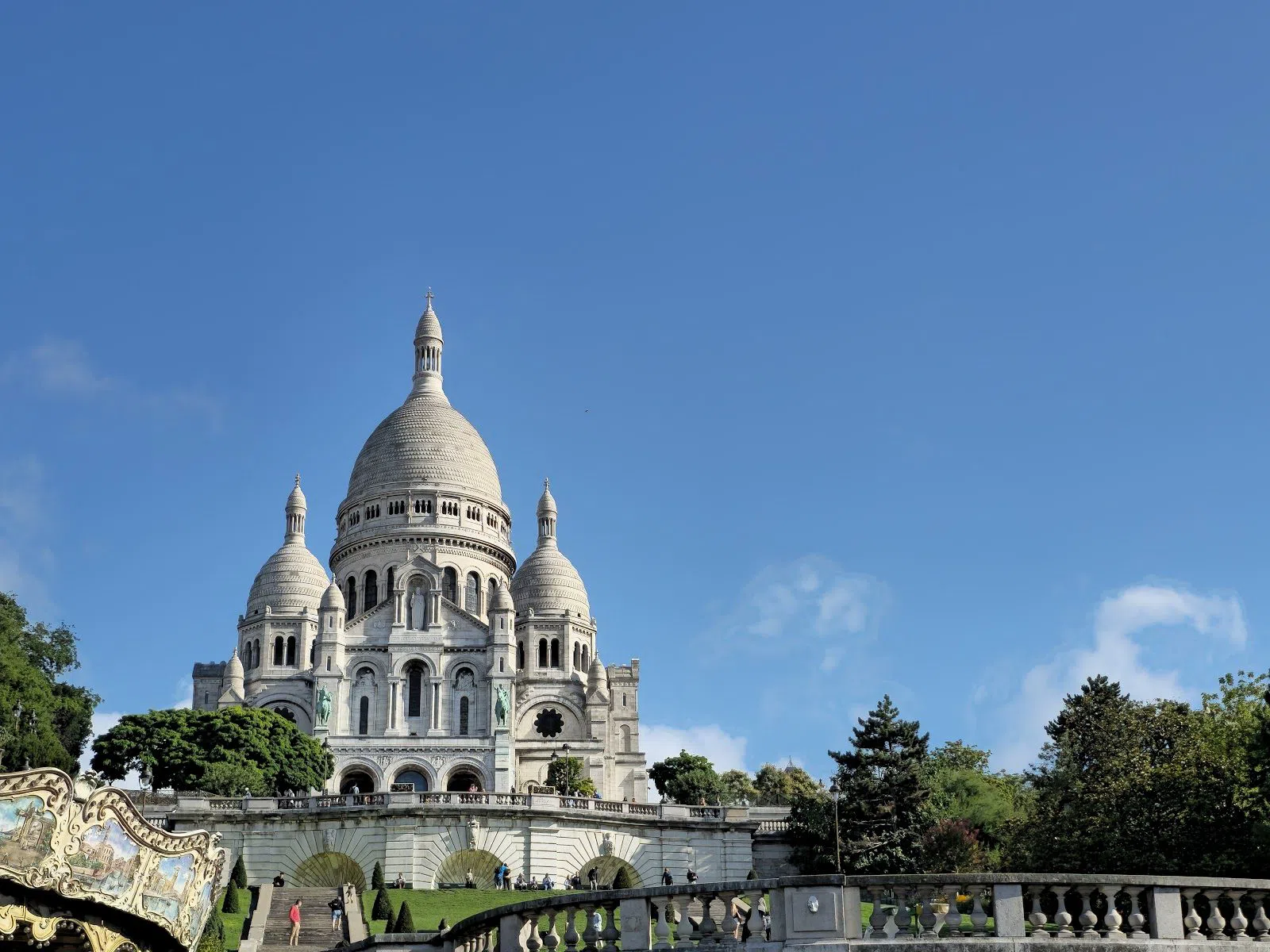
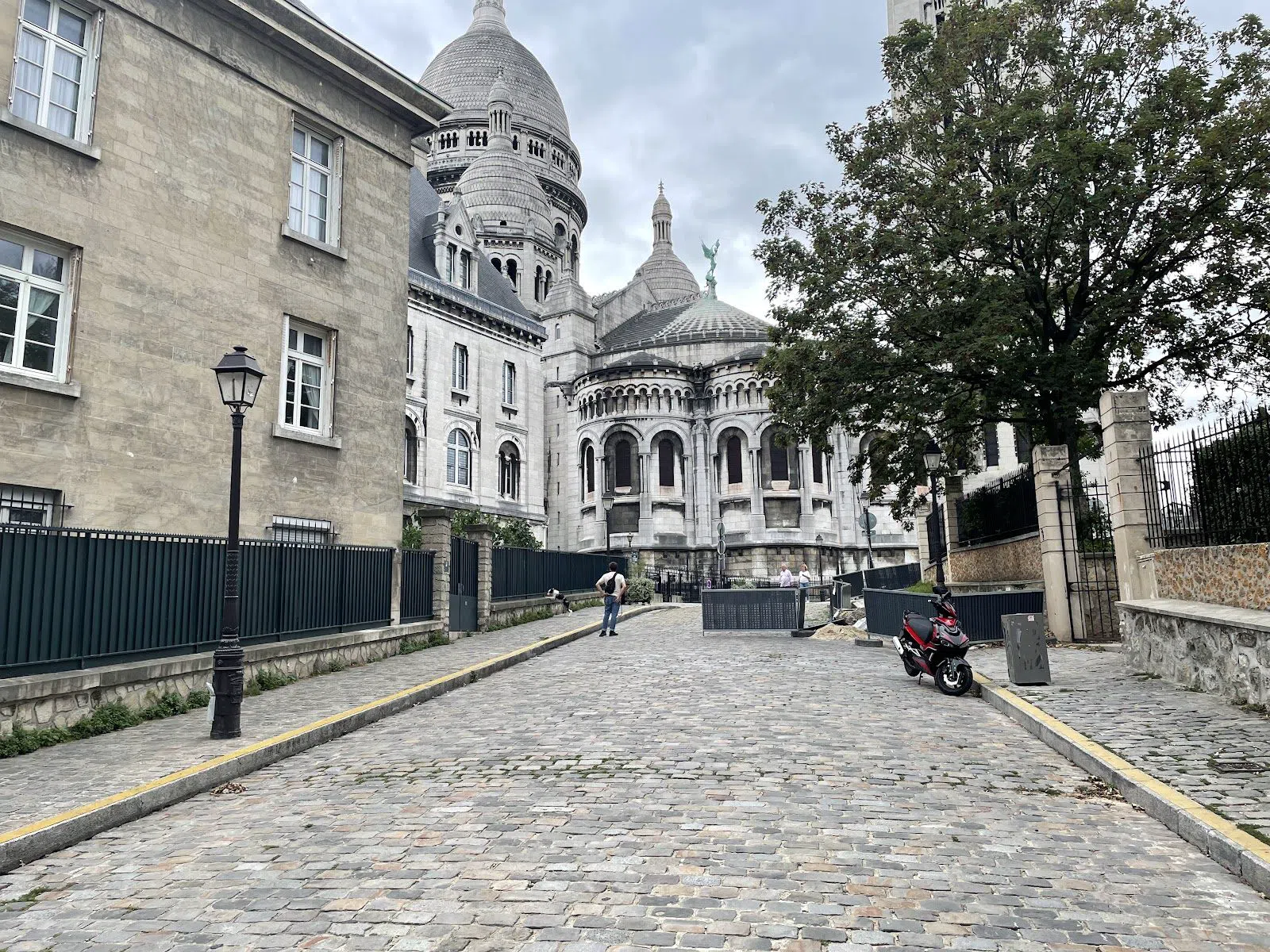
Basilique du Sacré-Cœur de Montmartre (Montmartre, 18th) is free to enter, needs no booking, and stays open 6.30am to 10.30pm daily, which makes it one of the few late viewpoints that costs nothing. The dome climb is charged separately, and organised pilgrim groups arrange directly by phone. The catch is the approach: the lower steps are the most concentrated patch of friendship-bracelet crews in the city, and they work the climb because the climb makes people stop. Take the funicular instead (€2.55, contactless since July 2026, with both cabins back in service after their ten-year overhaul) and keep your hands in your pockets on the way up. You arrive at the terrace without having been touched, which is the entire trick.
Staying above ground and on the water
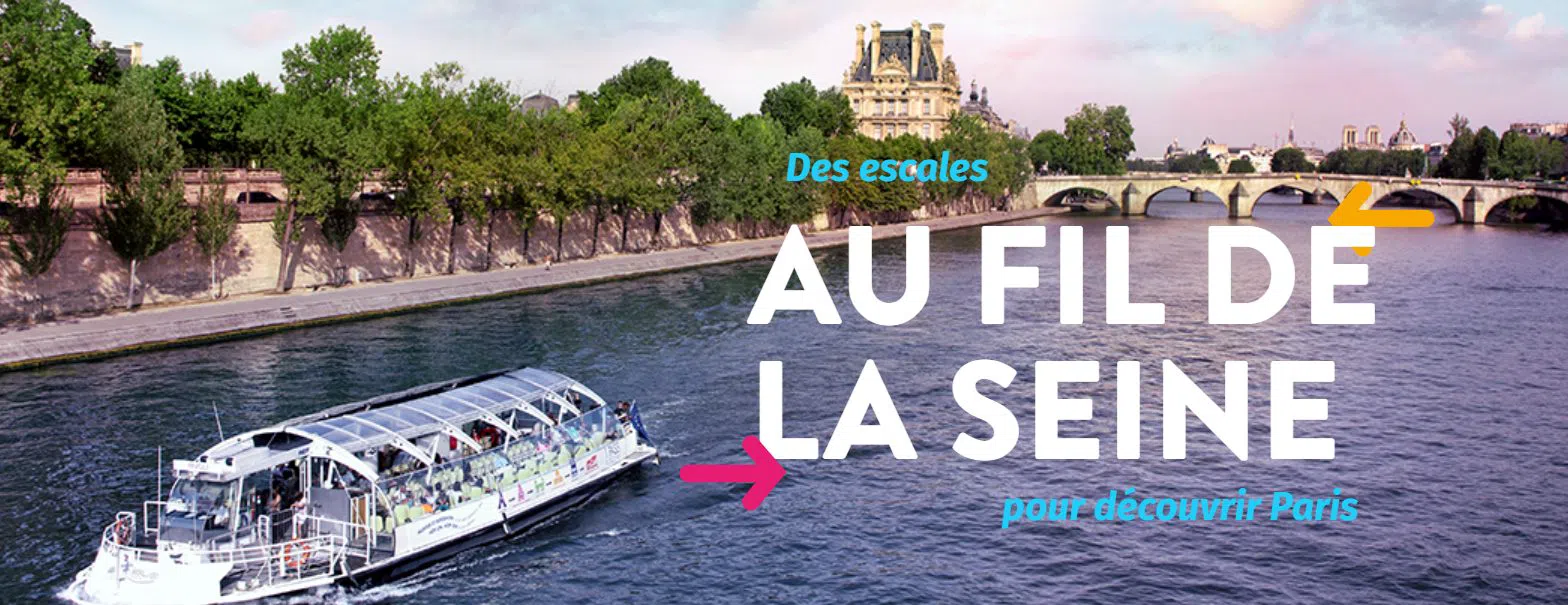
If what you are dreading is a crowded platform on Line 1 rather than the city itself, build the first two days above ground. A Batobus day pass is €23 for adults and €13 for children, works for any size party without pre-booking, and links nine hop-on-hop-off stops along the Seine including the Eiffel Tower, the Louvre, Orsay and Notre-Dame. That covers most of a standard first-time itinerary without a single escalator. Groups can arrange directly with the operator. It is slower than the metro, which is the point: you see the connective tissue of the city instead of a tunnel wall, and you learn the river, which is the easiest map of Paris to hold in your head.
Bateaux Mouches (Pont de l'Alma, 8th) is the evening version of the same idea, and the cheapest possible test of whether Paris after dark actually unsettles you. The one-hour sightseeing cruise is €17 for adults, €8 for under-13s and free for under-fours, with departures every thirty minutes until 10.30pm in high season and no booking needed. Dining cruises do need booking and cost considerably more: lunch from €90, dinner €90 to €170. Take the plain one-hour sailing on night one. You are seated, you are out after dark, the city is lit on both banks, and you step off onto a busy embankment with the whole thing having cost less than a museum ticket. It is a long-established group and private-charter operation, so larger parties are straightforward to place.
Eating alone in a room full of strangers
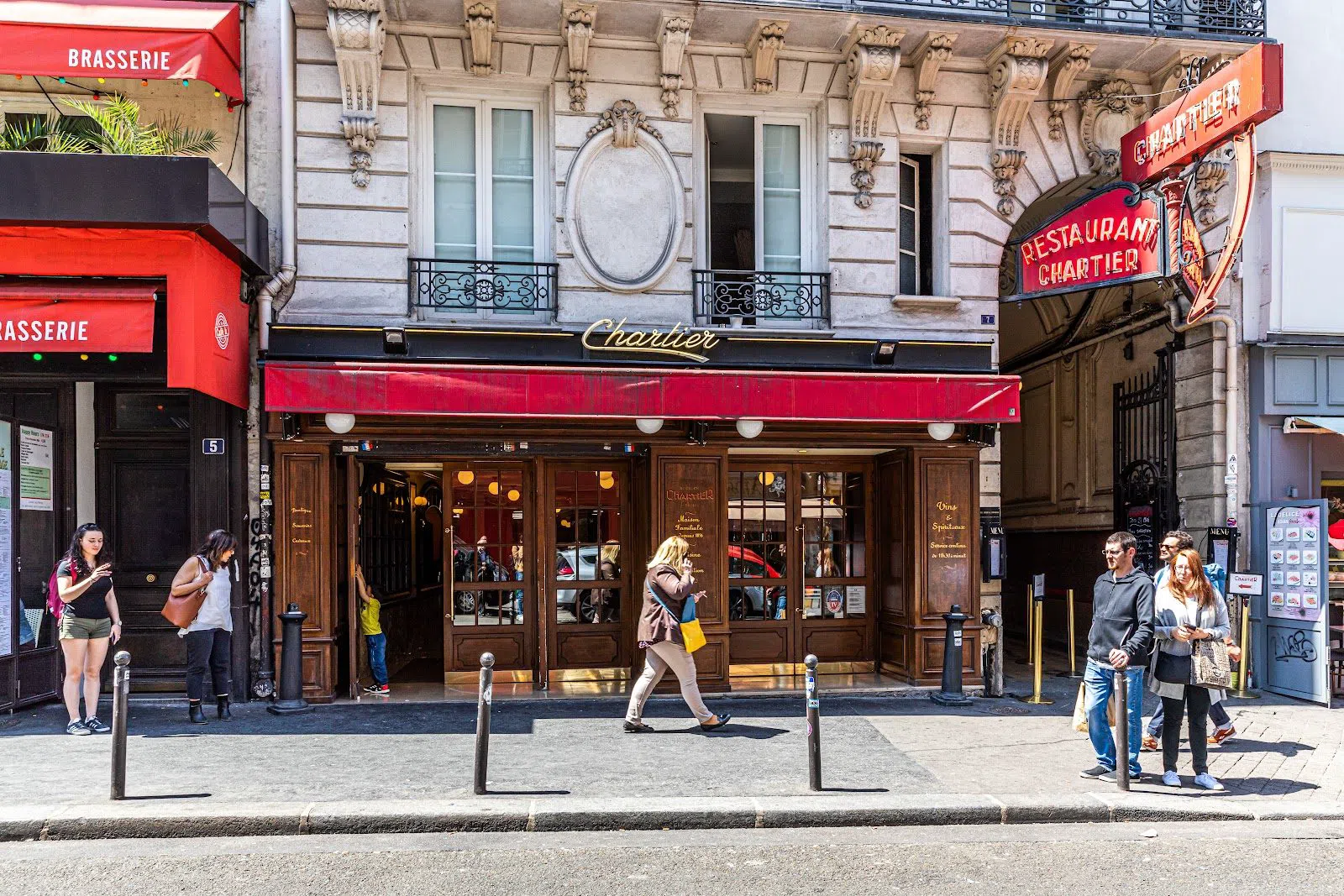
The part of solo travel people quietly dread is dinner. Bouillon Chartier (Faubourg-Montmartre, 9th) removes the problem by not offering you a choice. There are no reservations at all: walk in, join the line, and accept that larger groups get seated apart. Seating is communal, so being placed at a stranger's table is the house custom rather than a slight. Starters start at €1, mains at €7 and desserts at €2, which puts a full meal under €20. It runs 365 days a year from 11.30am to midnight, and that last detail is worth more than the prices. Whatever falls apart, whenever it falls apart, there is always a lit, busy, cheap room to eat in.
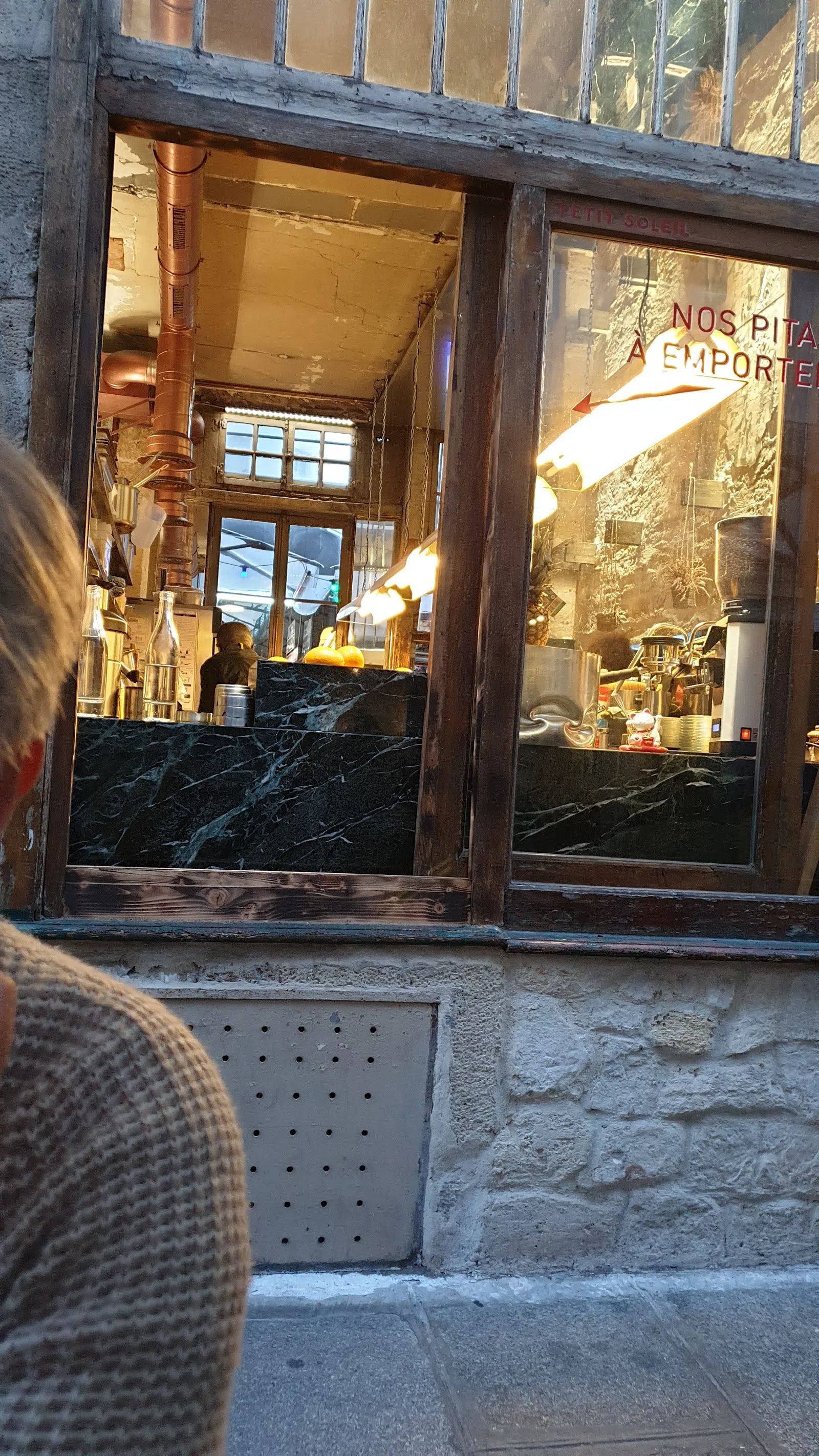
Marché des Enfants Rouges (Haut Marais, 3rd) does the same job at lunch. It is Paris's oldest covered market, there are no bookings, and you order at a counter and sit on a shared bench for €10 to €20 a plate. Small groups are fine, though a party of more than four will split across benches, so don't come expecting a table for six. It is closed on Mondays and stops at 2pm on Sundays. What it offers a solo traveller is the chance to eat well without performing solitude at a table for one. Nobody in that building is looking at you, because everyone is negotiating for bench space.
Parks and walks that lock their gates
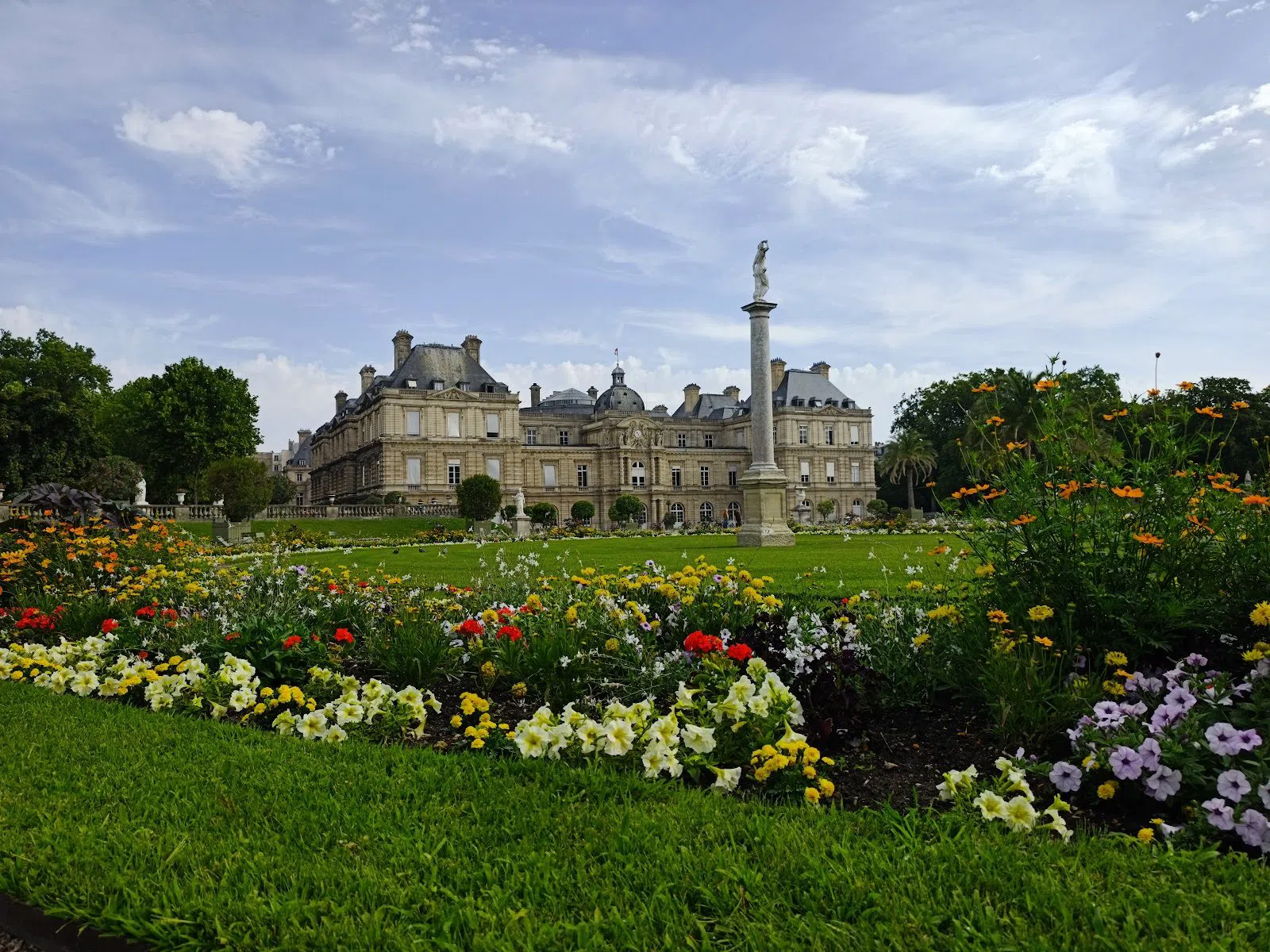
Green Paris is safe in daylight and firmly administered after it, which surprises people. Jardin du Luxembourg (Odéon, 6th) is free, gated, patrolled by Senate gardens staff and locked every night at dusk. Closing time shifts with sunset and changes on the 1st and 16th of each month, and the whistle that clears the park is a genuine shock the first time you hear it. Nothing is wrong; you are simply being swept out.
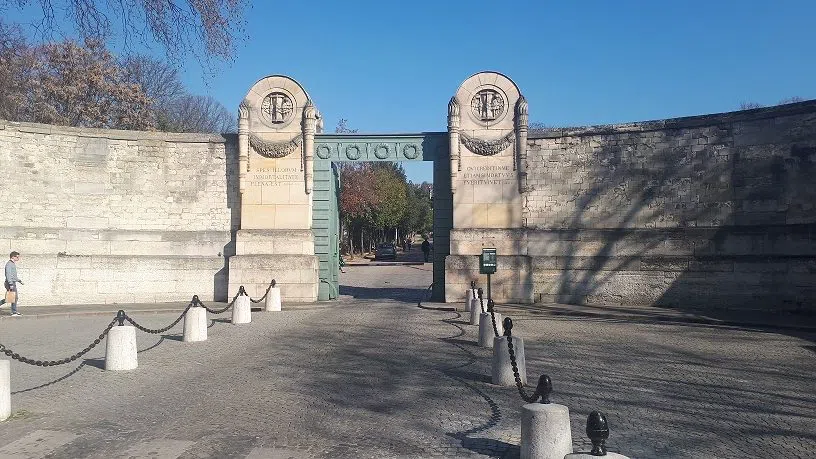
Cimetière du Père-Lachaise (20th) reads as forbidding and is in practice one of the calmest places in the east of the city. Entry is free for any size party, commercial guided groups operate there, and eating, drinking and noise are prohibited, which is exactly why it stays quiet. It is a daylight proposition only: gates close at 6pm from mid-March to October and 5.30pm in winter. Until the end of October 2026, a staffed welcome tricycle at Porte des Amandiers hands out free maps Tuesday to Friday, and taking one saves you an hour of wandering the wrong slope.
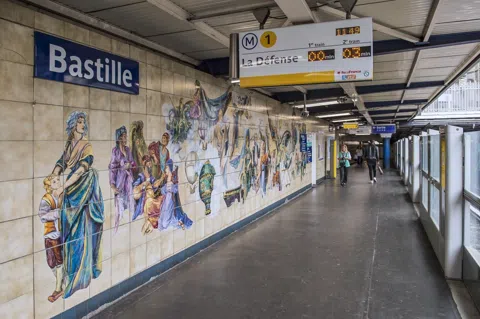
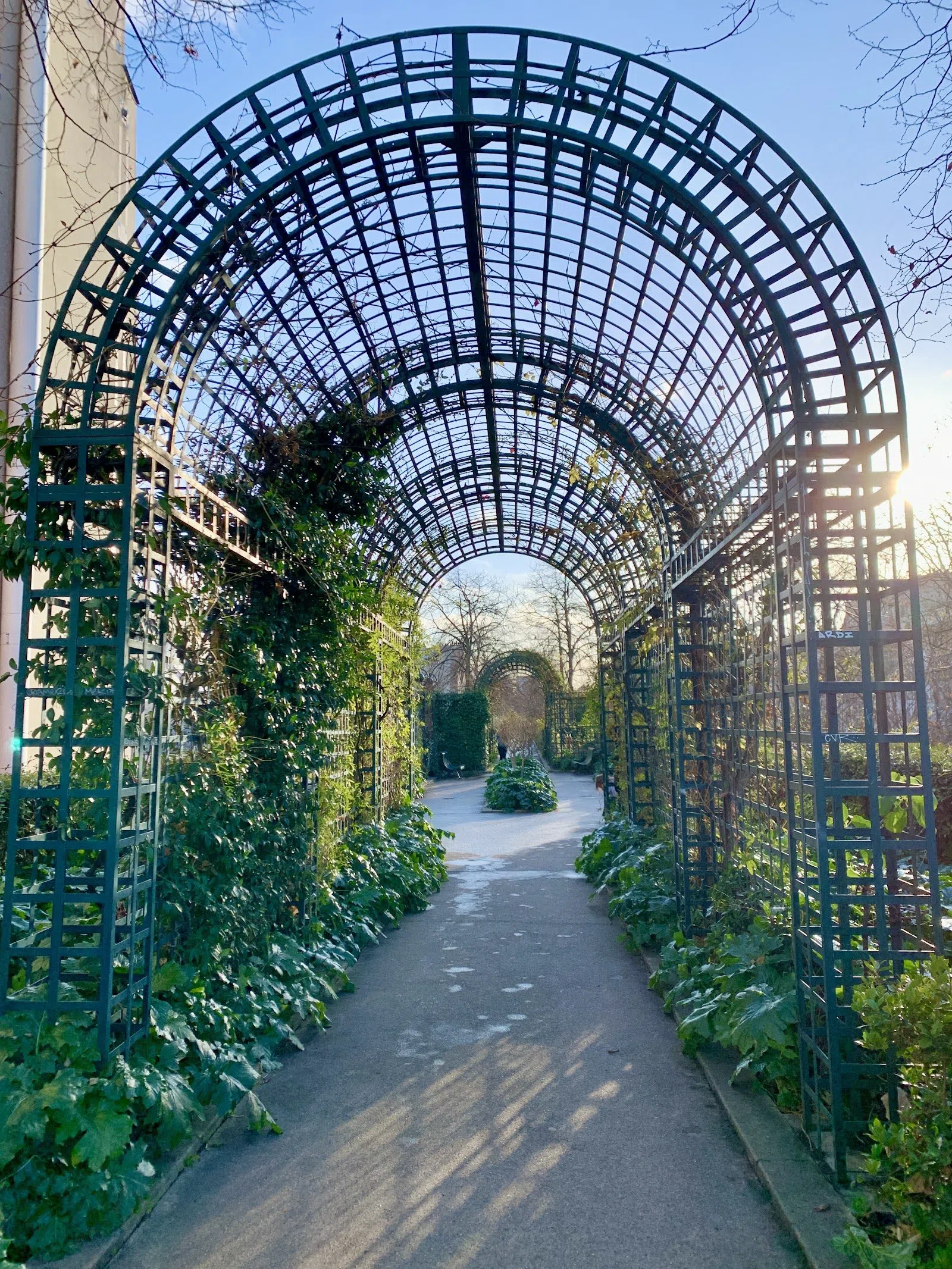
The Coulée verte René-Dumont (Bastille, 12th) runs nearly five kilometres east on an old viaduct with no traffic to cross anywhere along it, which makes it the least stressful long walk in Paris. It is free and open to all, though narrow in places, so a large party ends up single file. It gates at 8.30pm in summer and 5.45pm in winter, and because it sits above the street, there are fewer exits than you'd assume. Start it in the morning, not at dusk.
Walking with someone who lives here
Paris Greeters pairs you with a volunteer resident for a couple of hours on foot, free, in small parties only. Book well in advance, because availability depends entirely on who has volunteered. They are explicitly not professional guides, so don't ask for a museum tour or a history lecture. Ask them about the streets they live on, where they buy bread, which way they'd walk home. For a solo traveller, two hours beside someone who is simply going about a Tuesday changes how you read the city, because you get to watch what an ordinary person here does and doesn't worry about. Build it into day two, once you have your bearings and better questions.
Practical notes
Get a contactless card onto your phone and use it everywhere, including the funicular. Carry a small amount of cash for market counters and keep it separate from the card; the market and the bouillon are cheap enough that €40 covers two meals. Wear a bag that closes and sits in front of you on the river boats and in any ticket queue. The queue, not the exhibit, is where hands go. Timing matters more than any other precaution: ticketed sites early, parks and cemeteries in the middle of the day, water and lit boulevards after dark. Book the Eiffel Tower, Sainte-Chapelle, Orsay, the Orangerie and Palais Garnier online before you leave home; everything else here takes walk-ins. A realistic first-timer's day runs €45 to €70 with one paid monument, one cheap meal and a river pass. For where to base yourself, start with Paris hotel search and keep the wider Paris guide open for the neighbourhoods you decide you want to walk twice.
Before you go
Is Paris safe to walk around after dark on a first visit?
Ordinary sightseeing after dark is easier than most first timers expect, as long as you stay on lit, busy routes. The two most contained options are a one-hour Bateaux Mouches sailing (€17 adult, departures every 30 minutes until 10.30pm in high season) and the Musée d'Orsay Thursday late opening until 9.45pm, a flat €12 after 6pm, which leaves you on a lit quay instead of hunting for a night bus. Sacré-Cœur stays open until 10.30pm and the view from it costs nothing.
Where do pickpockets and street scams actually operate?
Almost entirely in the open approach areas rather than inside paid sites. The esplanade in front of the Eiffel Tower is where bracelet and petition crews work, and the lower steps up to Sacré-Cœur are the most concentrated patch of friendship-bracelet crews in the city, so take the €2.55 funicular instead and keep your hands in your pockets. Past a ticket gate, screening takes five to ten minutes and the space is tightly controlled.
Can I see the main sights without using the metro?
Largely, yes. A Batobus day pass (€23 adult, €13 child, no pre-booking) links nine Seine stops including the Eiffel Tower, the Louvre, Orsay and Notre-Dame, which covers most of a first-time itinerary above ground. Add the free rooftop terrace at Galeries Lafayette Paris Haussmann and the traffic-free Coulée verte René-Dumont from Bastille, and you can go days without a crowded platform.
Which Paris sights must I book before I arrive?
Book the Eiffel Tower, Sainte-Chapelle, Musée d'Orsay, Musée de l'Orangerie and Palais Garnier online. Garnier makes online booking mandatory for everyone, and the Orangerie's free first Sunday still needs a reservation. Bouillon Chartier takes no reservations, Marché des Enfants Rouges takes no bookings, and the Batobus, the Bateaux Mouches cruise and the Galeries Lafayette terrace are all walk-in.
Is Paris comfortable for solo travellers eating alone?
Two places seat you communally by default. Bouillon Chartier is walk-in only, open 11.30am to midnight 365 days a year, with starters from €1 and mains from €7, and being sat at a stranger's table is the house custom. Marché des Enfants Rouges works the same way at lunch, €10 to €20 a plate, closed Mondays, and it stops at 2pm on Sundays.