The Paris issue
Choosing Between the Louvre and the Orsay in Paris
Two national collections sit on opposite banks of the Seine, and in 2026 the choice usually comes down to the booking rules and the day of the week rather than the paintings.

By Sasha LindholmThe unhurried side of Paris
The Louvre and the Musée d'Orsay stand about a kilometre apart on opposite banks of the Seine, close enough that you can walk from the door of one to the door of the other in a quarter of an hour. From outside they read as the same decision made twice: two national collections in two monumental buildings, two queues, two sets of advice. Inside they ask different things of a visitor, and in 2026 the practical gap between them has widened enough to make the choice easier than it used to be.
The Louvre is a palace that happens to hold a collection
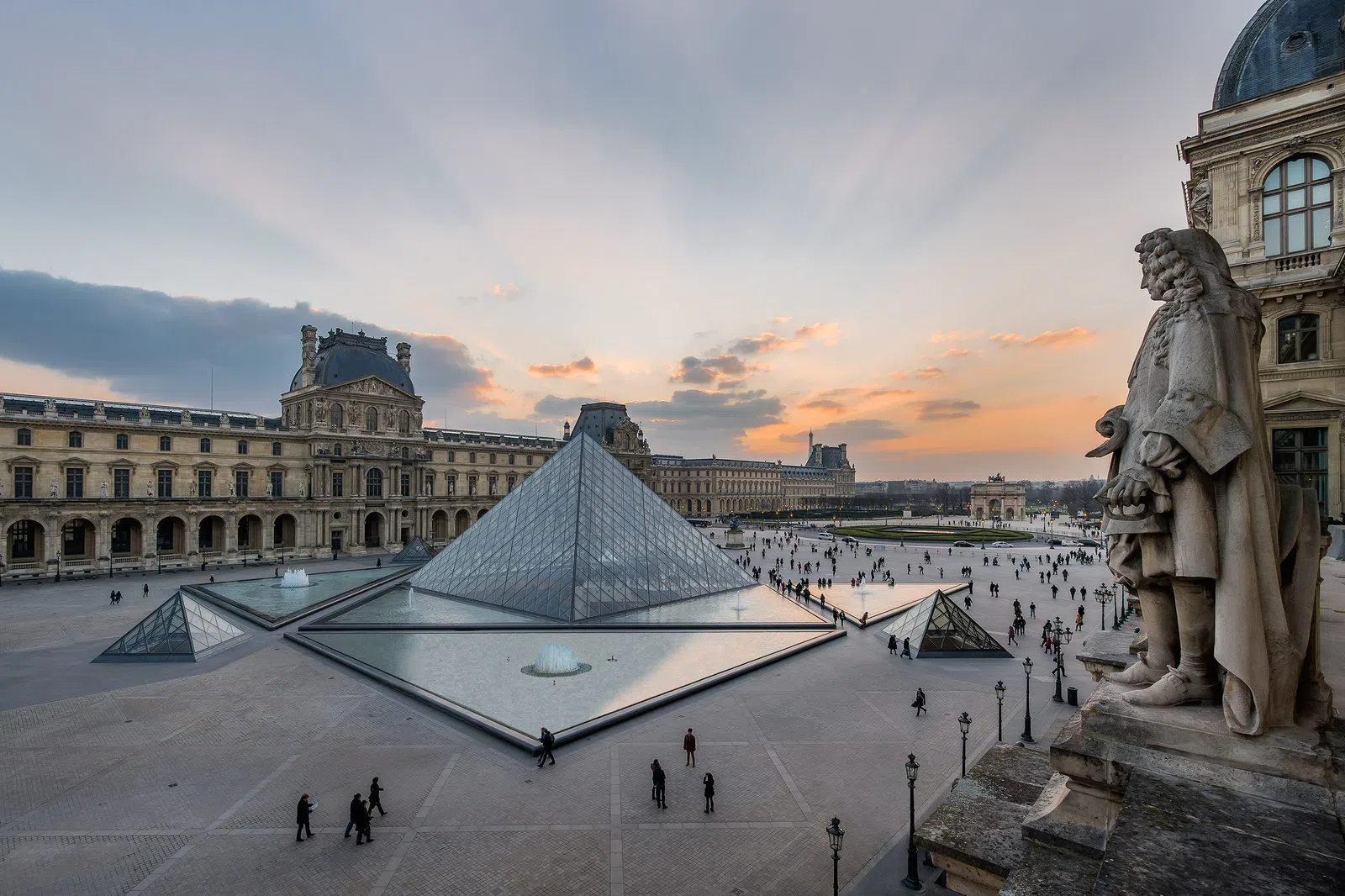
Musée du Louvre (1st arrondissement, on the right bank between the rue de Rivoli and the river) was a fortress, then a royal palace, and only became a public museum once the court had left it behind. That history explains its behaviour. The galleries follow the old palace plan rather than a curator's circuit, so you move through long enclosed wings (Denon, Sully, Richelieu) laid out for processions and apartments, not for a Tuesday morning with a map. Nothing about the building wants you to see it in one visit.
The entry price changed on 14 January 2026: €22 for adults resident in the EEA and €32 for non-EU visitors, with under-18s free. It closes on Tuesdays, and it runs late until 21:45 on Wednesdays and Fridays, which is the single most useful thing to know about it. Every visitor needs a timed slot. You cannot turn up and see what happens.
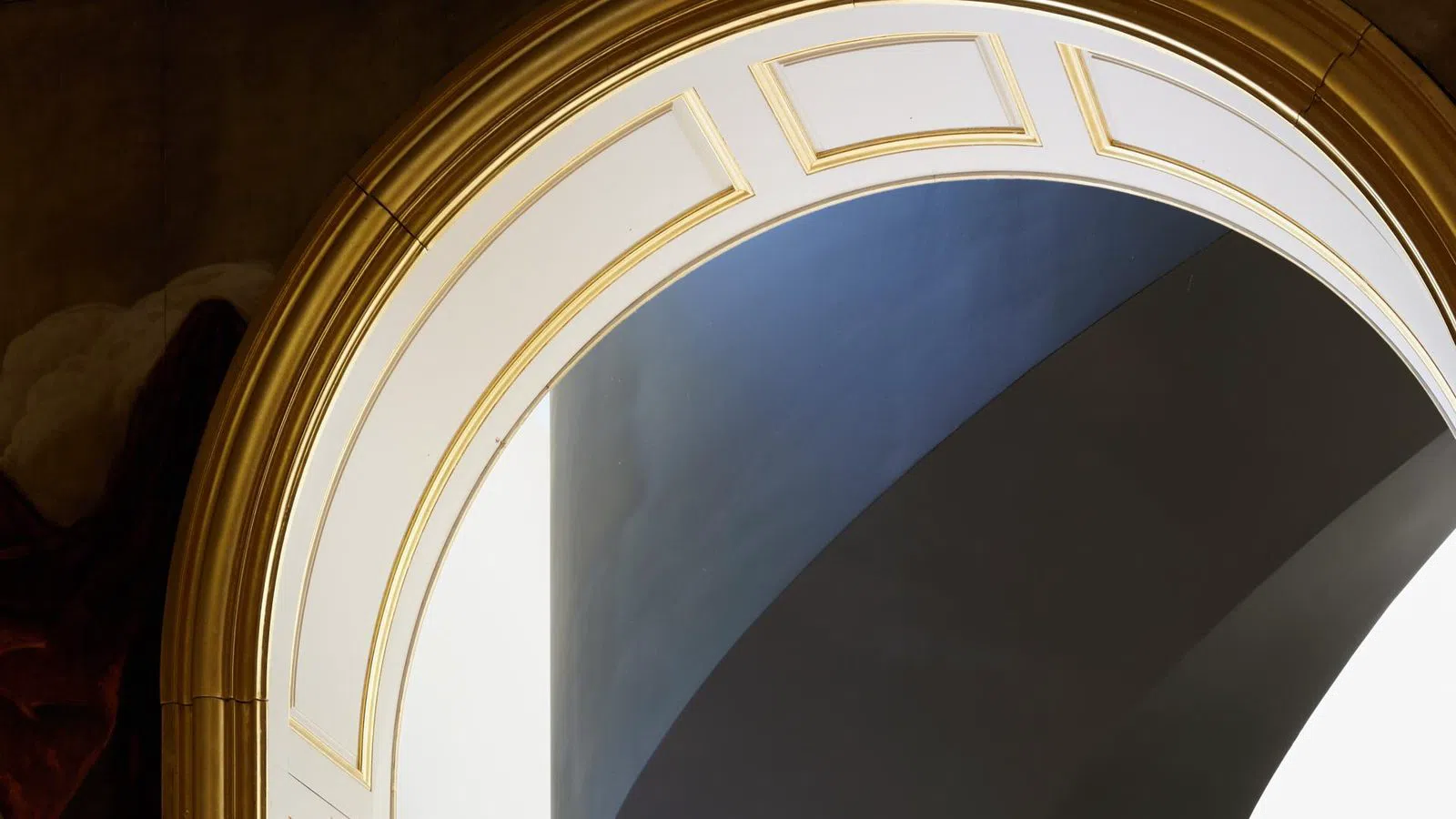
The Apollo Gallery reopened on 22 July 2026 after restoration, and it is a magnificent room: gilded, painted, the ceiling a whole argument about French kingship. But the crown jewels are not on display following the October 2025 theft. If someone in your party has been promised diamonds, tell them now rather than at the door.
Plan three hours as a floor, and pick two wings before you go in. The visitors who come out unhappy are almost always the ones who tried to cover it.
Plan your Paris trip
Live prices from our booking partners.
Free cancellation on many rooms. We may earn a commission when you book.
The Orsay is a railway station with one long room down the middle
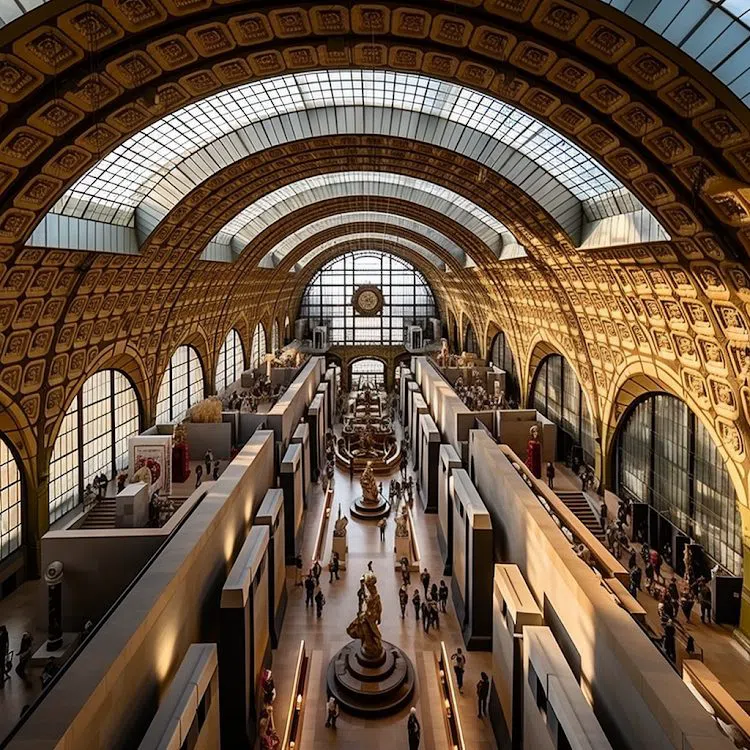
Musée d'Orsay (7th arrondissement, on the quai facing the Tuileries) was built as the Gare d'Orsay for the 1900 Exposition Universelle, and the conversion left the nave intact: a single vaulted hall with the old station clock at the end of it. That shape is why the Orsay is the more forgiving museum. You can stand in one place and understand the layout. Sculpture runs down the central floor, the nineteenth century unfolds off it, and the Impressionist rooms sit on the upper level with the clock faces looking north over the river toward the Tuileries.
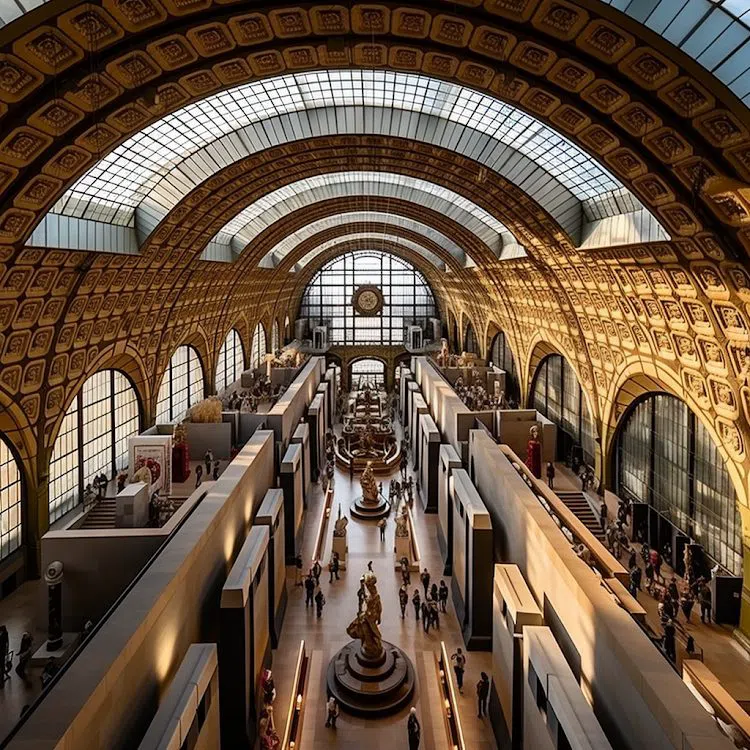
Tickets are €16 for adults online. It closes on Mondays and stays open to 21:45 on Thursdays. Since 10 March 2026, timed entry is compulsory for every visitor while the reception areas are rebuilt, and that work runs through summer 2028. The collection stays fully open throughout, but nobody gets in without a pre-booked slot, and walk-up arrivals are turned away. The first Sunday of the month is free, and it still requires a reserved slot; book roughly two weeks ahead for those dates or you will not get one.
Two to three hours does the Orsay properly, which is the crux of the comparison.
How to decide in about a minute
If this is a first trip and you have one museum morning, take the Orsay. It finishes. You leave having seen a coherent thing, with the afternoon intact and your legs still working.
If you have come specifically for the objects everyone knows (the Mona Lisa, the Victory of Samothrace on her staircase, the Egyptian and Near Eastern collections that no other museum in the city comes close to), then it is the Louvre, and you should give it a whole half-day rather than resenting it in two hours.
If you are travelling with someone who tires easily, or with children, the Orsay wins on distance walked alone. The Louvre's wings are long and the return trip to the exit is real.
If your only free evening is a Wednesday or a Friday, the Louvre's 21:45 closing is a genuinely different museum: thinner crowds, warmer light through the pyramid, and the Cour Napoléon quiet on the way out. If it is a Thursday, the Orsay does the same thing.
And if you are choosing between them because one of them is shut: the Louvre closes Tuesdays, the Orsay closes Mondays. They never leave you with nothing.
The tie-breaker sits in the Tuileries between them
When a group genuinely cannot agree, the answer is often neither. Musée de l'Orangerie (1st, at the Concorde end of the Tuileries, a ten-minute walk from either bank) is a one-hour museum that gives you the Impressionist headline without the Orsay's scale. The two oval rooms of Monet's Nymphéas were designed for these walls, lit from above, and they are the closest thing in the city to a room built for silence. Downstairs, the Walter-Guillaume collection carries the rest of the argument in a handful of galleries.

Entry is €12.50, free on the first Sunday of the month, and it closes on Tuesdays. During exhibition periods there is a Friday late opening to 21:00 with reduced entry from 18:00, an easy and cheap end to a day that started elsewhere. Groups are taken by reservation, but keep them small: the oval rooms are not large, and a coach party ruins the one quality they exist for.
Impressionism away from the main halls
If what you wanted was the paintings rather than the institution, two house museums do it better than either flagship.
Musée Marmottan Monet (16th arrondissement, in Passy near the Bois de Boulogne) holds Impression, soleil levant, the canvas that gave the movement its name, along with the largest holding of Monet anywhere. Around €14, groups by advance reservation with sizes capped because the house is small. Two things make 2026 the year: it is the Monet death centenary, and a full renovation is scheduled to begin in early 2027, during which the museum will be emptied of its works. If Monet is the reason you came to Paris, do not save this one for a future trip.
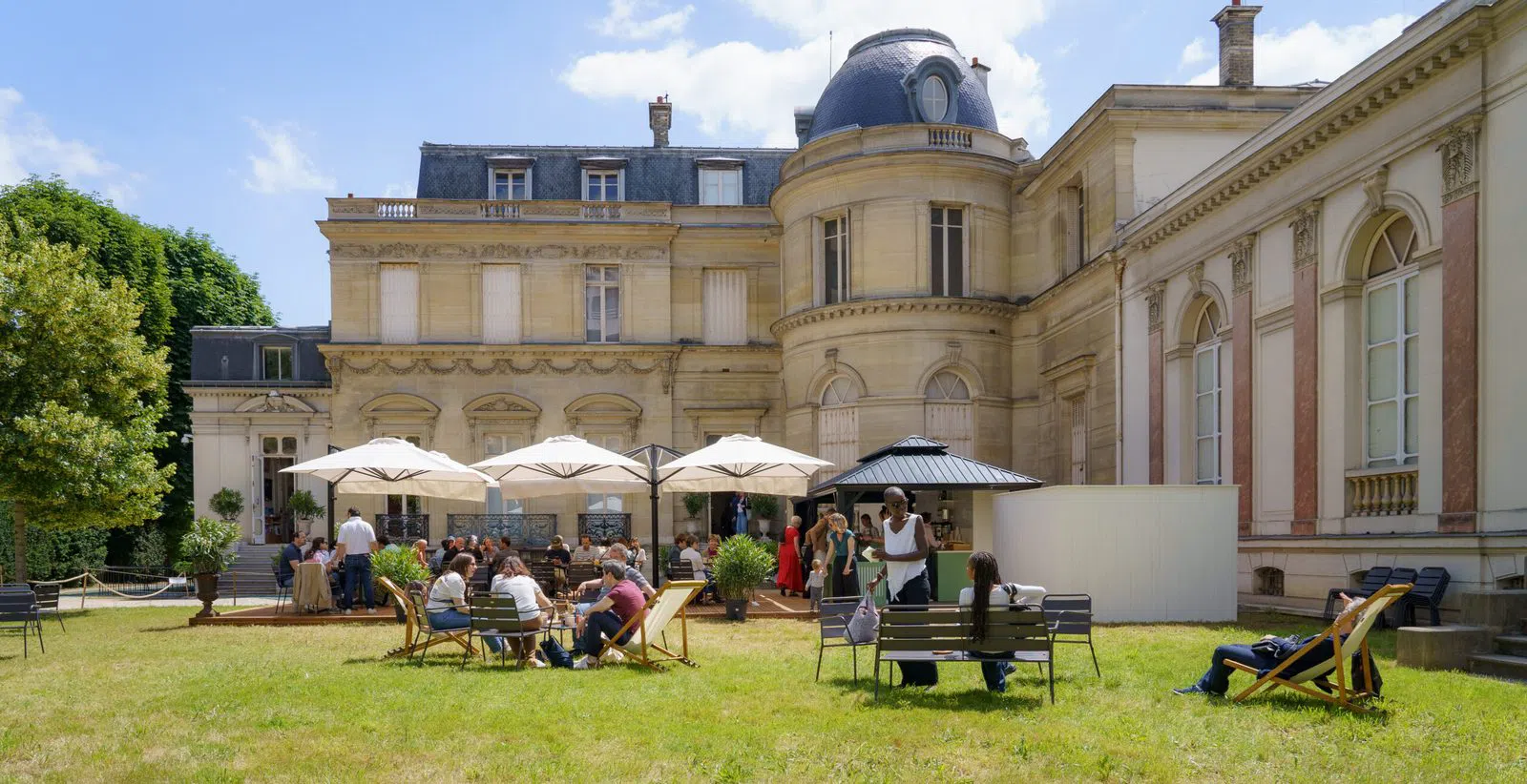
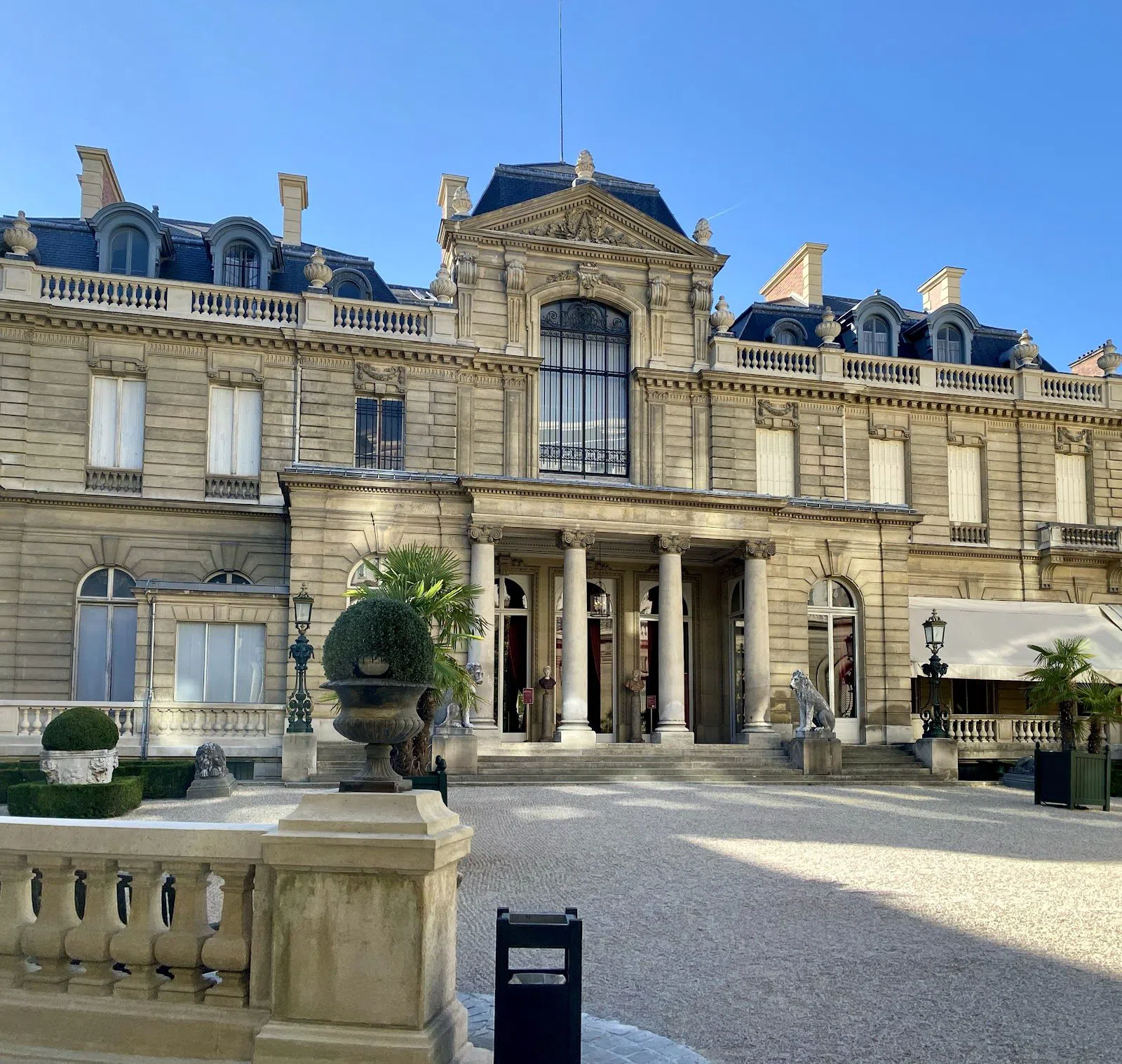
Musée Jacquemart-André (8th, on the Boulevard Haussmann) is the other kind of collection entirely: Italian Renaissance painting hung in the rooms of a private mansion, reopened in 2024 after a full renovation and immaculate now. €19 adult, €10 youth, under-7s free, open seven days a week and until 22:00 on Fridays. Timed booking is strongly advised; it fills faster than its size suggests. This is the one to name when someone wants great pictures without an institutional scale, and the tearoom in the former dining room is not a tourist trap.
Gardens instead of galleries
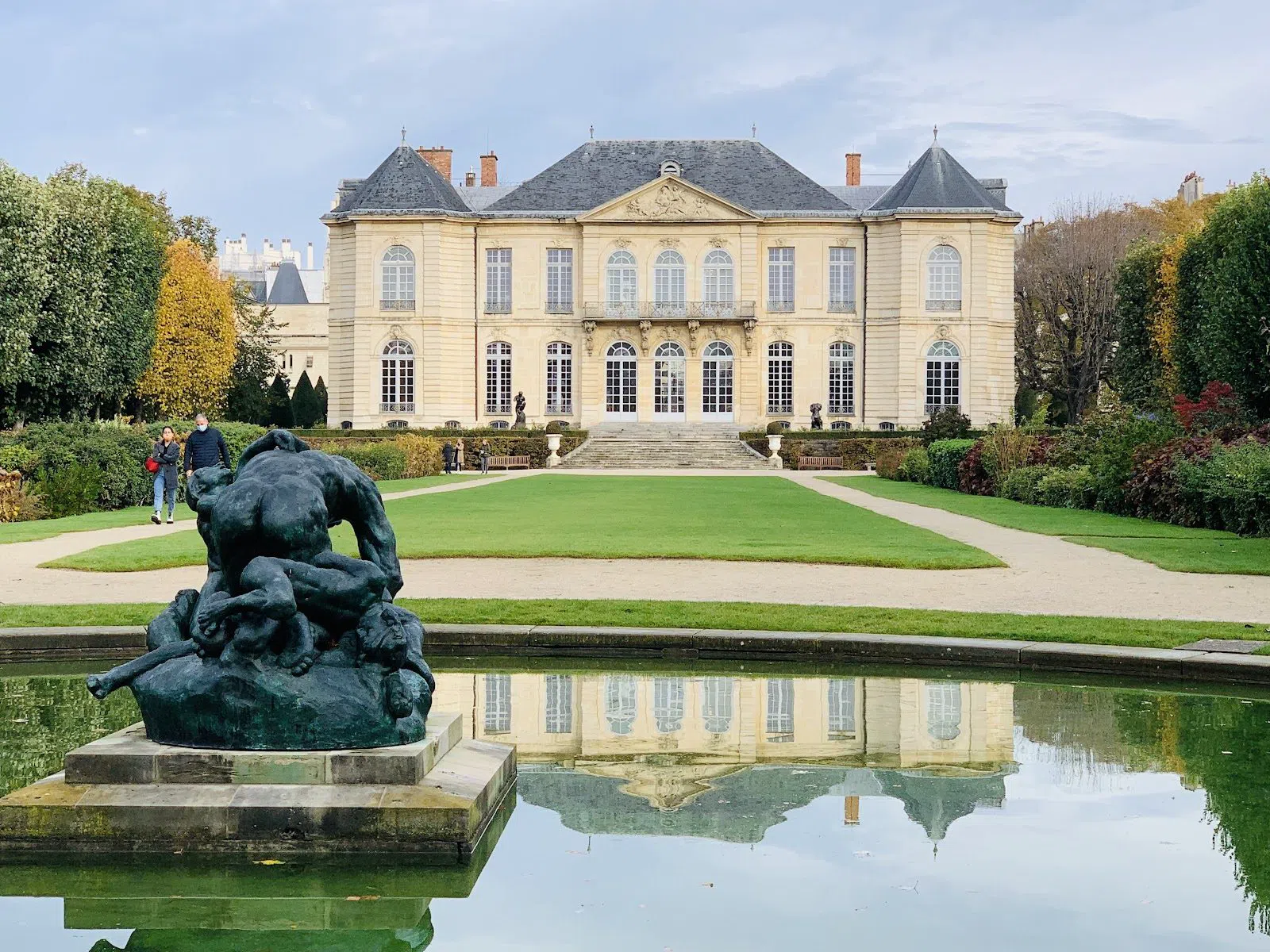
Gallery fatigue is a real constraint and it is worth planning around. Musée Rodin (7th, rue de Varenne, a short walk from the Invalides esplanade) is the standard cure: €14 including three hectares of garden, where The Thinker, The Burghers of Calais and the Gates of Hell stand outdoors among clipped hedges. It closes on Mondays and runs 10:00 to 18:30. For a group this is the easiest visit in the city, because self-guided group visits and guided tours both book through the ticketing system, and once inside people can split up and rejoin instead of shuffling in a line. The separate Meudon site reopened for the season on 28 and 29 March 2026 if you want the sculptor's own house and studio.
A few minutes away, Musée de l'Armée – Invalides (7th, under the gold dome) is the reliable fallback when the big museums are closed, because it opens every day. One ticket at €17 (€12 reduced, €10 for the late slot, free for EU residents under 26) covers the permanent collections, the temporary exhibitions, the Dôme church with Napoleon's tomb, the Ordre de la Libération museum and the relief-map museum, an oddity worth the climb: whole cities rendered as models for siege planning. It runs 10:00 to 18:00, with an 18:00 to 22:00 opening on the first Friday of the month.

An afternoon in the Marais
Musée Picasso Paris (3rd, in a 17th-century mansion on the rue de Thorigny) is a focused two-hour collection in a genuinely beautiful house, and it pairs with the Marais rather than eating a whole day. €16, closed Mondays, open to 22:00 on the first Wednesday of each month. Groups book by reservation and the timed slots give priority access, which matters on the staircase.

Ten minutes south, Musée Carnavalet – Histoire de Paris (3rd, rue de Sévigné) tells the city's own story from Roman Lutetia to the twentieth century: shop signs, room interiors lifted intact, revolutionary relics. The permanent collections are free and need no booking at all, so a group can simply arrive. It closes on Mondays, runs 10:00 to 18:00 with last tickets at 17:15, and it is the strongest argument that a first trip does not have to be spent queueing.
Where you can still walk straight in
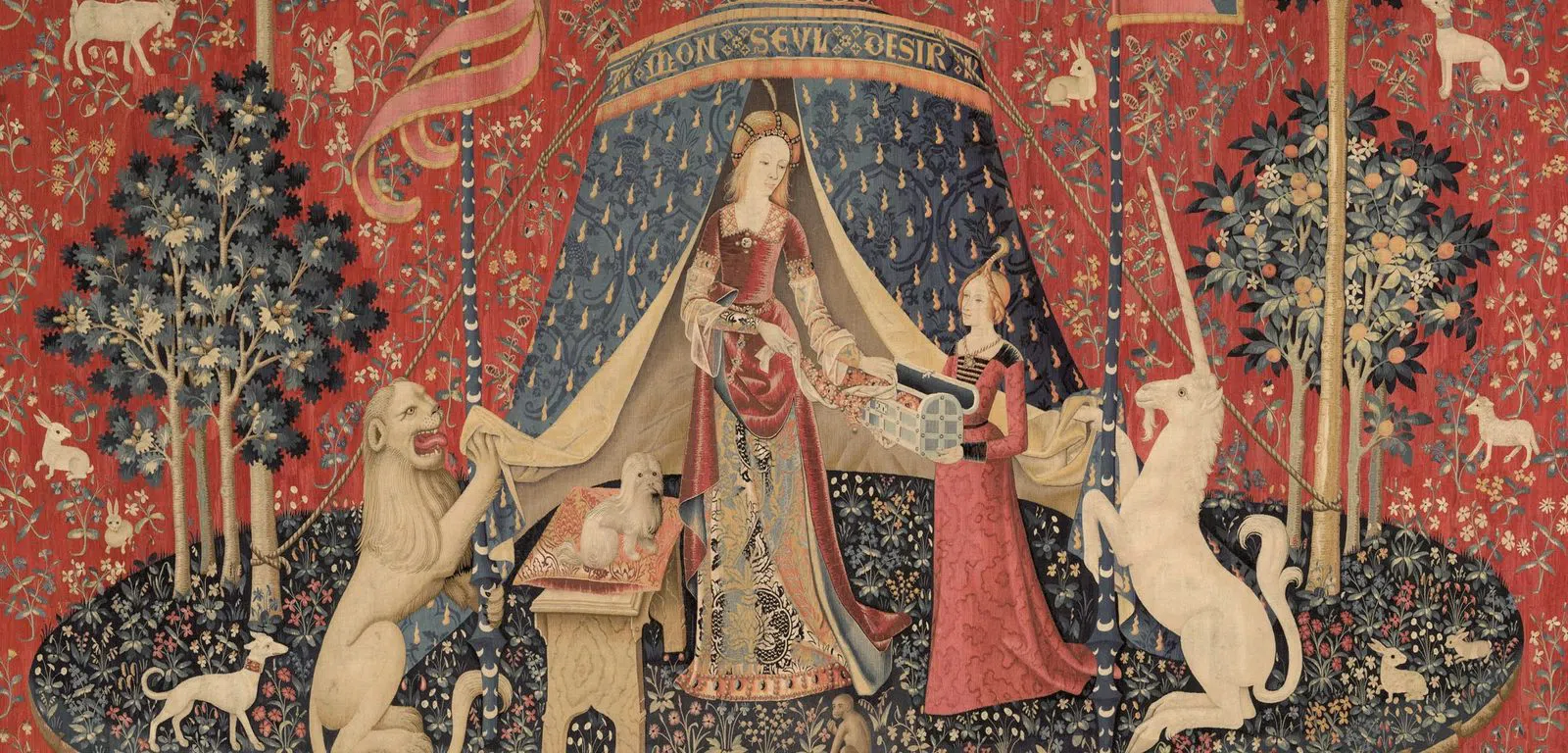
Timed entry has spread across the city, which makes the exceptions valuable. Musée de Cluny – Musée national du Moyen Âge (5th, Latin Quarter, on the Boulevard Saint-Michel) has no timed-entry system at all: around €12, open Tuesday to Sunday 09:30 to 18:15, late to 21:00 on the first and third Thursday of the month. It is built over Roman baths and holds The Lady and the Unicorn tapestries; the 'Unicorns' exhibition runs 13 March to 12 July 2026. For a group with a loose plan, it is the least stressful door in central Paris.
Petit Palais – Musée des Beaux-Arts de la Ville de Paris (8th, Avenue Winston-Churchill, facing the Grand Palais) is free for the permanent collection and needs no reservation either. Belle Époque architecture built for the 1900 Exposition, a garden café in the middle of it, and it closes at 18:00, or 20:00 on Fridays and Saturdays. It is the easiest hour in the city to add without planning.
When you have had enough European painting
Musée du quai Branly – Jacques Chirac (7th, five minutes from the Eiffel Tower along the quai) is the sharpest change of register available: the arts of Africa, Asia, Oceania and the Americas in a Jean Nouvel building screened by a vertical garden. €14 adult, €11 reduced, free on the first Sunday of the month, free for under-18s and EU residents under 26. Closed Mondays, 10:30 to 19:00, Thursdays to 22:00. The 2026 programme includes 'Africa Fashion' (31 March to 12 July) and '1913–1923: L'esprit du temps' (17 March to 20 September).

Contemporary counterweights
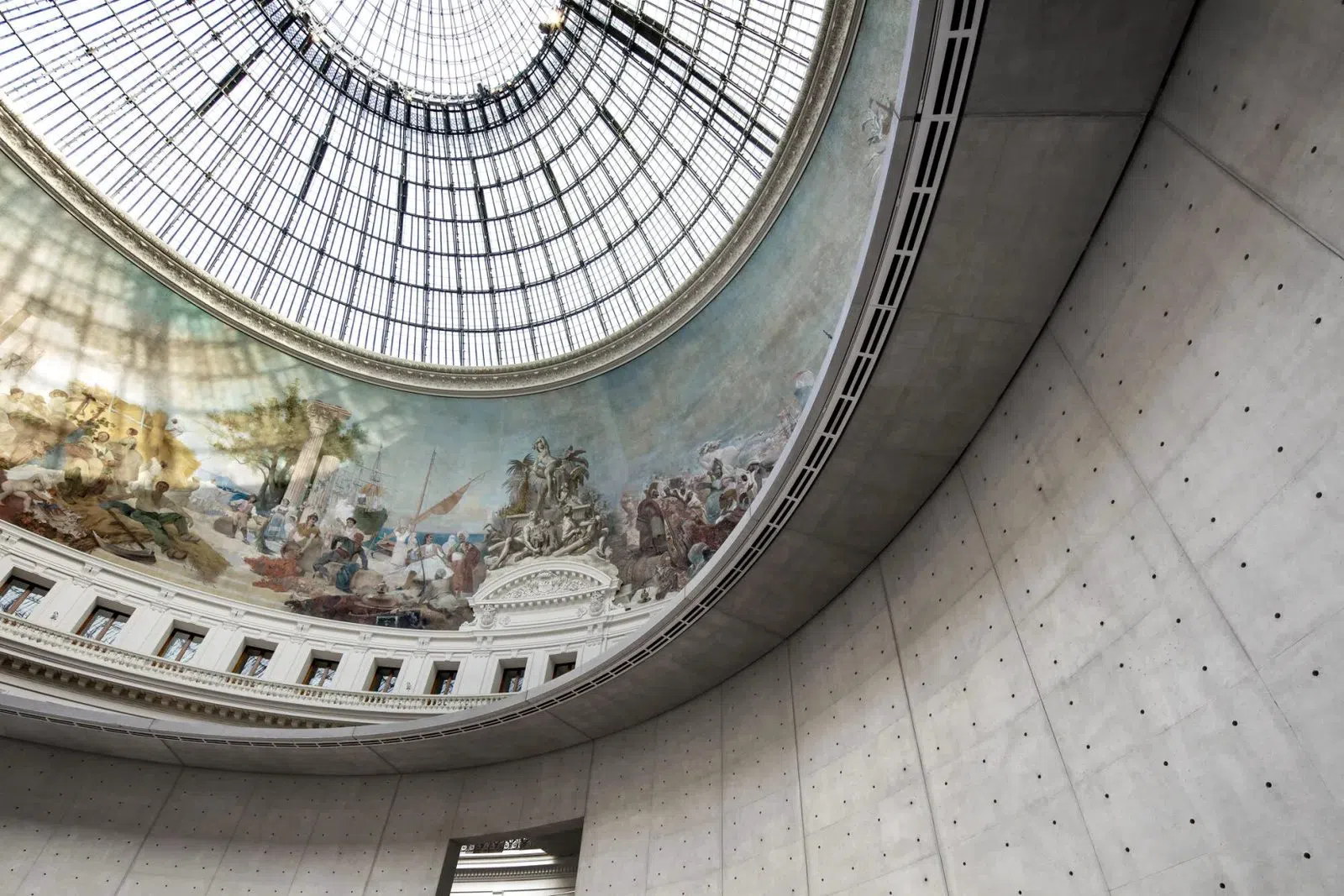
Bourse de Commerce – Pinault Collection (1st, at Les Halles) sits five minutes from the Louvre, and no building in the city contradicts it more flatly: a round former grain exchange with a concrete cylinder set inside the rotunda. €14 adult, €10 for ages 18 to 26, free under 18, closed Tuesdays, 11:00 to 19:00 and to 21:00 on Fridays, with free evening entry from 17:00 to 21:00 on the first Saturday of the month.
Fondation Cartier pour l'art contemporain (1st, 2 Place du Palais-Royal) moved after 31 years on the Boulevard Raspail and reopened at its new address on 25 October 2025. Check the address you were given, because older guides still send people across the river. €15 adult, €10 reduced, closed Mondays, Tuesdays to 22:00.
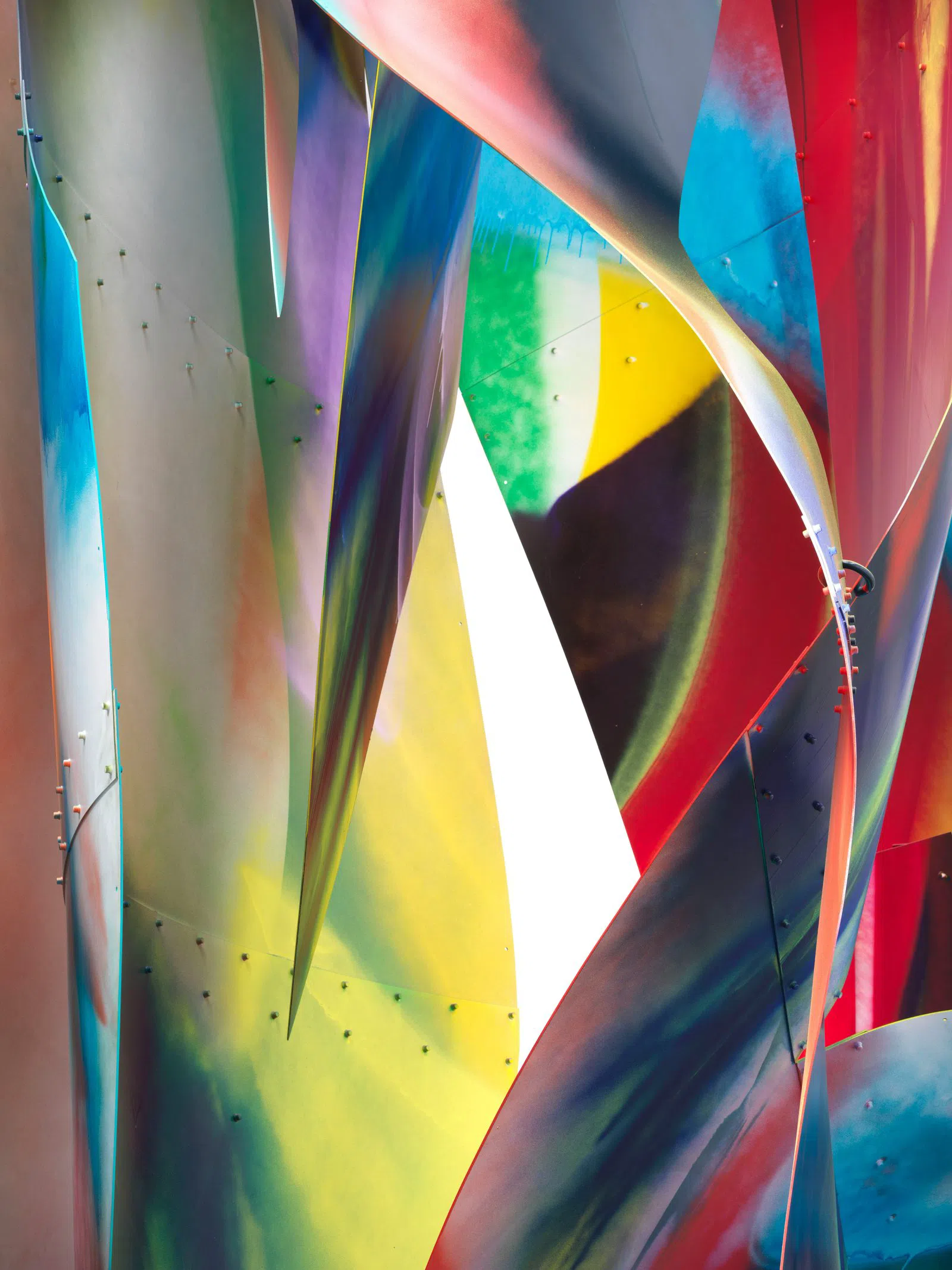
Fondation Louis Vuitton (16th, in the Bois de Boulogne) is worth the trip out for the Frank Gehry building alone, and the rooftop terraces give a view of the city most first-time visitors never get. €22 adult, free under 3, reduced for under-26s, closed Tuesdays. A free electric shuttle runs every 20 minutes from 44 Avenue de Friedland near Charles-de-Gaulle–Étoile, which solves the transfer for a group. Calder's 'Rêver en équilibre' opens 15 April 2026 and a Gustave Fayet show follows on 9 October 2026.
Groups, couples and the reality at the door
Groups need to be honest about which of these buildings actually suits them. The Louvre takes groups through a dedicated 'Visit as a group' channel, and small-group or private tours of up to about a dozen people are widely sold, but the timed-slot rule applies to everyone, so a group without a booking is a group standing outside. The Orsay is stricter still: since March 2026 walk-up group arrivals are simply refused. The Orangerie and Marmottan take groups by reservation with sizes kept modest because the rooms are small, and both are better for six people than sixteen.
For couples, the calculation reverses. The Orangerie ovals, the Marmottan house and the Jacquemart-André interiors reward two people moving at their own pace, and all three are ruined by scale. For families, Rodin's garden and the Invalides relief maps hold children far longer than any painting gallery, and both let a party spread out.
For anything unbooked and spontaneous, it is Cluny, Carnavalet and the Petit Palais, the three places in this list where the door is still just a door.
Practical notes
Getting between the Louvre and the Orsay is a walk, not a journey: cross by the Passerelle Léopold-Sédar-Senghor at the west end of the Tuileries and it is about fifteen minutes door to door, with the Orangerie directly on the way. Métro line 1 covers the right-bank cluster (Louvre–Rivoli, Concorde, Champs-Élysées–Clemenceau for the Petit Palais); RER C runs along the left bank for the Orsay, Invalides and Pont de l'Alma near quai Branly. Buy a carnet or use contactless at the gate rather than queueing for a pass you will not amortise.
On money, cards work everywhere on this list, including at the smaller foundations, but carry a little cash for cloakroom lockers, market stalls and the odd café that still sets a card minimum. Prices here are in euros and were current at time of writing; national museums adjust in January, as the Louvre did on 14 January 2026.
On timing, book the Orsay first. It is the hard constraint, and free first Sundays go about two weeks out. Book the Louvre second, and take a Wednesday or Friday evening slot if one exists. Leave Cluny, Carnavalet and the Petit Palais unbooked as your weather-and-mood reserve. Nothing on this list except the Invalides opens every day, so check the closed day before you build a morning around it.
On budget, a serious two-museum day costs roughly €38 (Louvre EEA plus Orsay) or €48 from outside the EU, and a first-Sunday plan with the Orangerie and quai Branly free, plus Carnavalet and the Petit Palais free year-round, brings a full day of galleries close to nothing. If you are still deciding where to base yourself for it, the right-bank streets north of the Tuileries and the 7th around the rue Cler both put two of these museums within walking distance. Start with a Paris hotel search, and the rest of the city is covered in our Paris guide.
Before you go
Do I have to book the Musée d'Orsay in advance in 2026?
Yes. Since 10 March 2026 timed entry is compulsory for every visitor while the reception areas are rebuilt, and that work runs through summer 2028. The collection stays fully open, but walk-ups, including groups, are refused. Adult tickets are €16 online. The first Sunday of the month is free and still needs a reserved slot, so book about two weeks ahead for those dates.
How much does the Louvre cost in 2026?
Since 14 January 2026 it is €22 for adults resident in the EEA and €32 for non-EU visitors, with under-18s free. Every visitor needs a timed slot whatever the ticket, so book before you travel rather than at the door.
Can I still see the French crown jewels at the Louvre?
No. The Apollo Gallery reopened on 22 July 2026, restored and open as a state gallery, but the crown jewels are not on display following the October 2025 theft. The room is worth seeing for its ceiling and gilding, though do not promise anyone diamonds.
Which one is better if I only have one museum morning?
The Orsay. It is a single converted railway hall you can take in from the entrance, and two to three hours covers it properly, which leaves the afternoon free. The Louvre follows an old palace plan and needs a half day at minimum; two hours there leaves most people disappointed.
What is open on a Monday or a Tuesday in Paris?
The Louvre closes Tuesdays, the Orsay closes Mondays, so one of the two is always open. On Mondays you can visit the Louvre, Cluny, the Bourse de Commerce and Fondation Louis Vuitton; on Tuesdays the Orsay, Musée Rodin, Musée Picasso and Carnavalet. The Musée de l'Armée at Invalides opens every day, so it is the safe fallback.