The Paris issue
Seeing Paris Without Wrecking Your Feet
Boats, lifts, a funicular and 4,500 free chairs: how to cover the whole of Paris with your legs intact.

By Sasha LindholmThe unhurried side of Paris
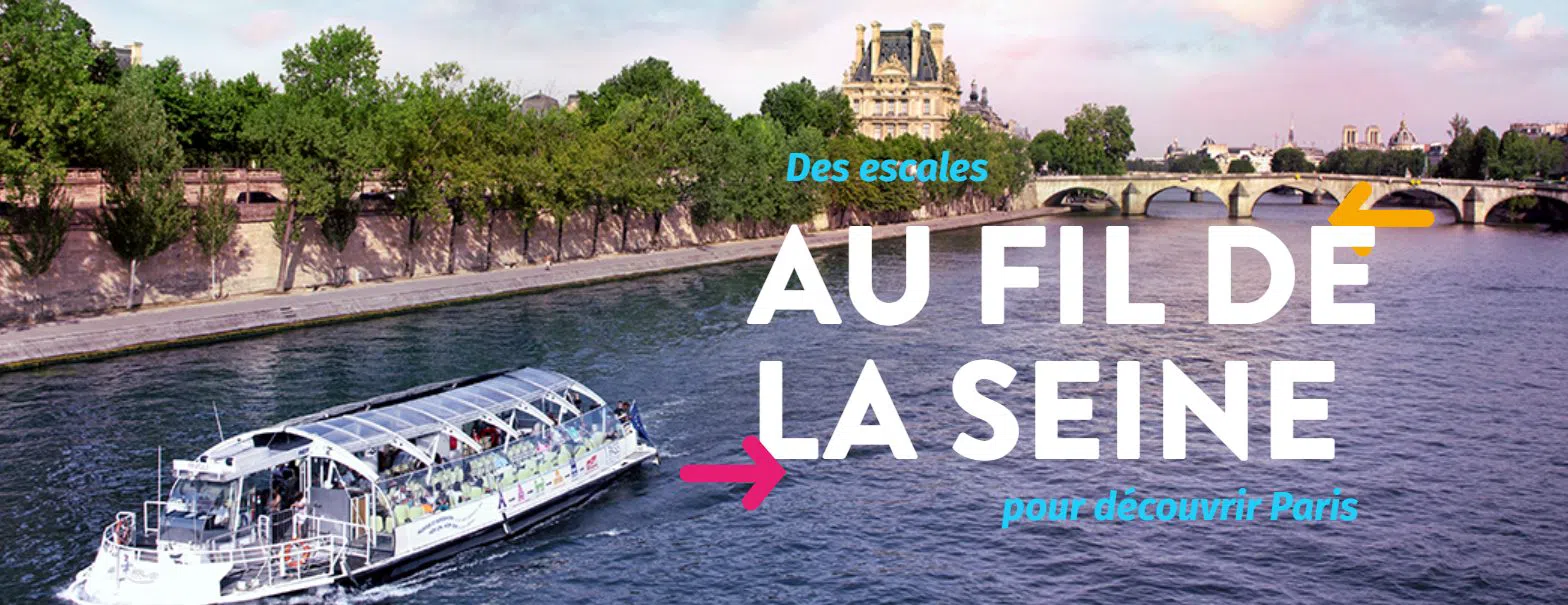
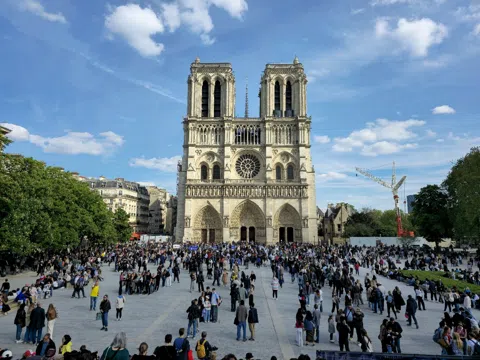
The Seine runs flat through the middle of Paris, and the city's biggest set-pieces sit along it in a line: the Eiffel Tower at one end of the run, Notre-Dame in the middle, the Jardin des Plantes at the other. Most first trips ignore that geometry entirely and turn into a forced march, eighteen thousand steps by four in the afternoon, a dinner nobody can taste, and a second day spent limping. There is another version of the same trip, built on boats, lifts, a funicular and a few thousand free chairs, and it sees more of the city rather than less.
Let the river do the distance
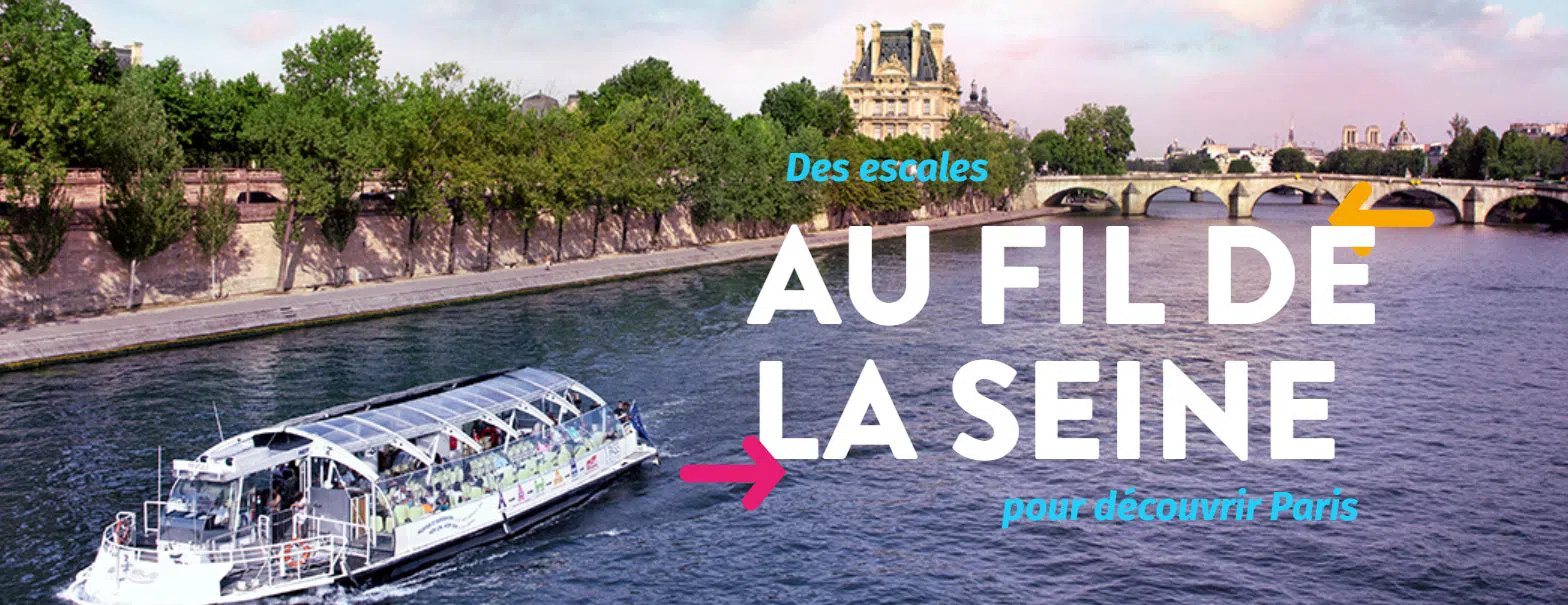
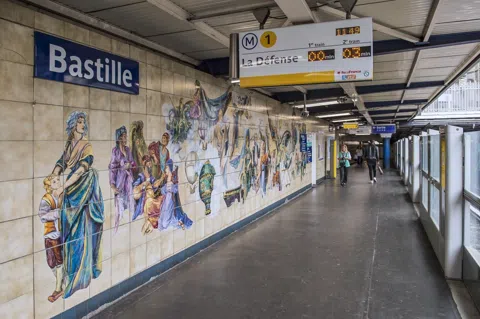
Batobus (the Seine itself, nine piers from the Eiffel Tower down to the Jardin des Plantes) is the one ticket that changes the shape of a day. It works as a river shuttle rather than a tour: you board on a pass, ride as far as you like, get off, and pick up the next boat when you are ready. A pass is €23 for 24 hours and €27 for 48, which only makes sense against the alternative. The same east-west axis on foot is a long, hot, staircase-heavy walk, and on the Métro it is a series of tiled corridors with no daylight in them. On the river you sit down, the monumental centre goes past at eye level, and the piers put you out beside the things you came for. There is no door policy and no reservation; the catch is that boats fill at peak times, so a group of ten in mid-afternoon may watch one leave without them. Groups do fit. Ask the sales desk about group rates rather than buying singles at the pier.
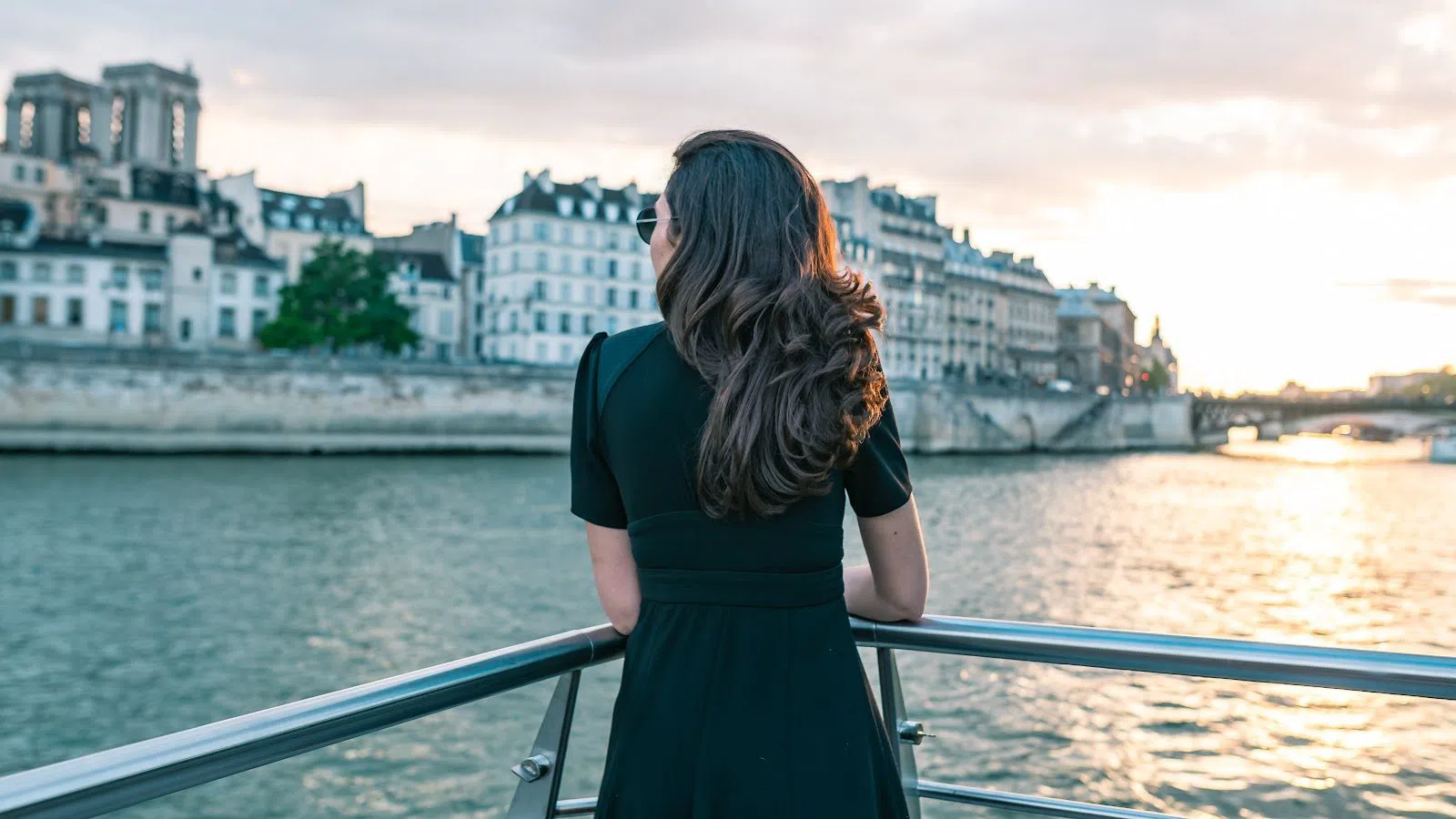
If you would rather have the whole centre delivered in one sitting, Bateaux-Mouches (Pont de l'Alma, 8th) does it in an hour from a fixed seat. The sightseeing cruise is €20 for an adult, departures run every thirty minutes from April to October, and the last boat is around 22:30, which makes the late slot genuinely useful, because the bridges and the façades are lit and you have spent nothing more than a seat. It is the most group-friendly option on this list: the group rate starts at fourteen people and coaches drop directly at the pier. The meal cruises are a different proposition, lunch from €90 and dinner from €99, and the dress code is smart-casual and actually enforced, so trainers and a day-pack will get a word at the gangway. For two people, the plain cruise is the better buy; for a party of sixteen who need one decision and one bill, the meal boat earns its price.
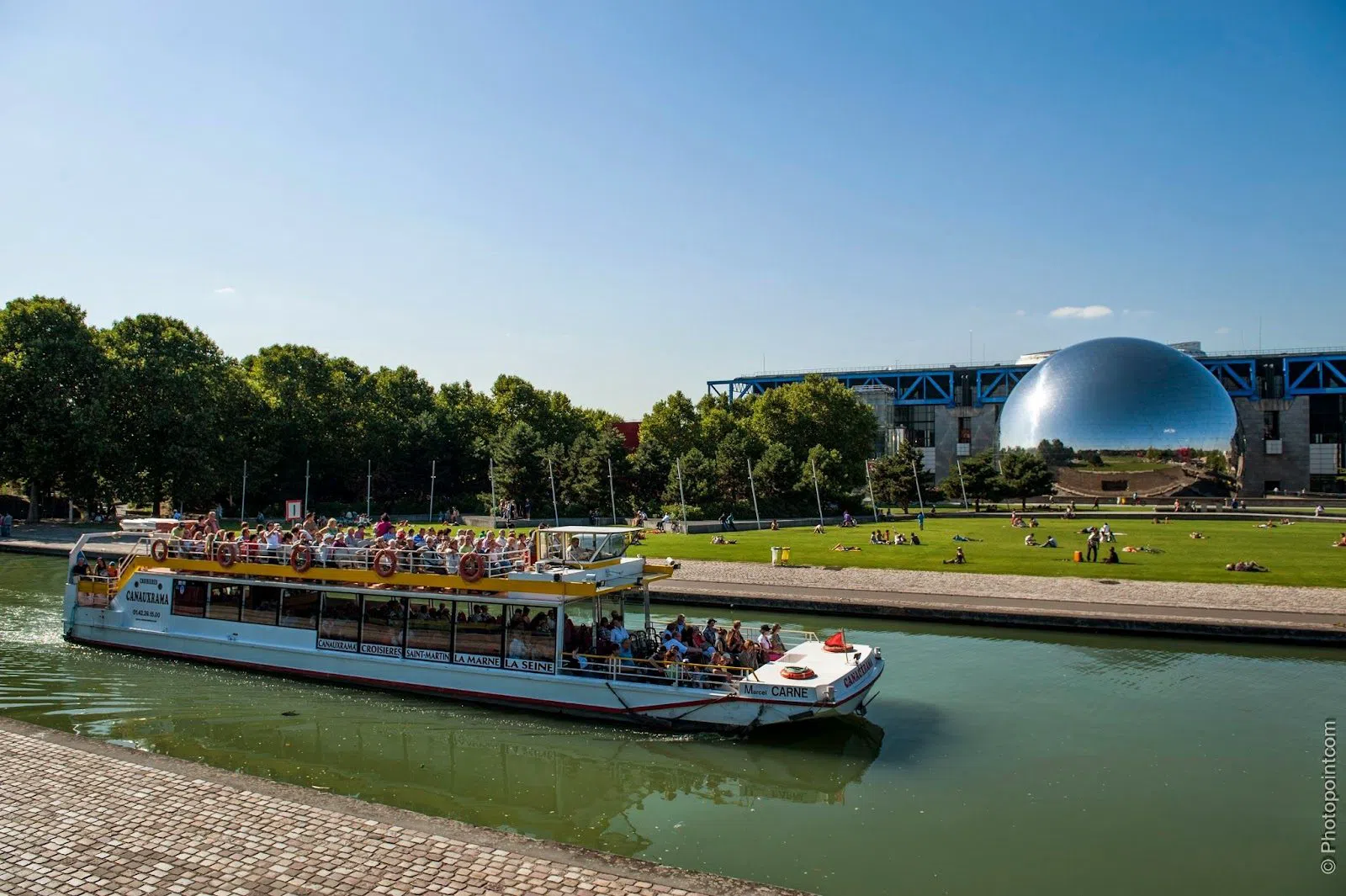
Canauxrama (Bastille to La Villette, up the Canal Saint-Martin) is the quiet counterweight. The 2h30 run costs €23 and takes four locks and the long dark vault under Bastille, which is a strange and memorable half-hour. The boat lifts, the water pours in, and nobody has to do anything but sit. There is a cheaper 1h15 electric cruise if the full length is too much. The one hard constraint is booking: popular dates sell out weeks ahead, and the whole barge can be chartered privately, which takes sailings out of public sale. Decide this one early or not at all.
Plan your Paris trip
Live prices from our booking partners.
Free cancellation on many rooms. We may earn a commission when you book.
Montmartre without the gradient
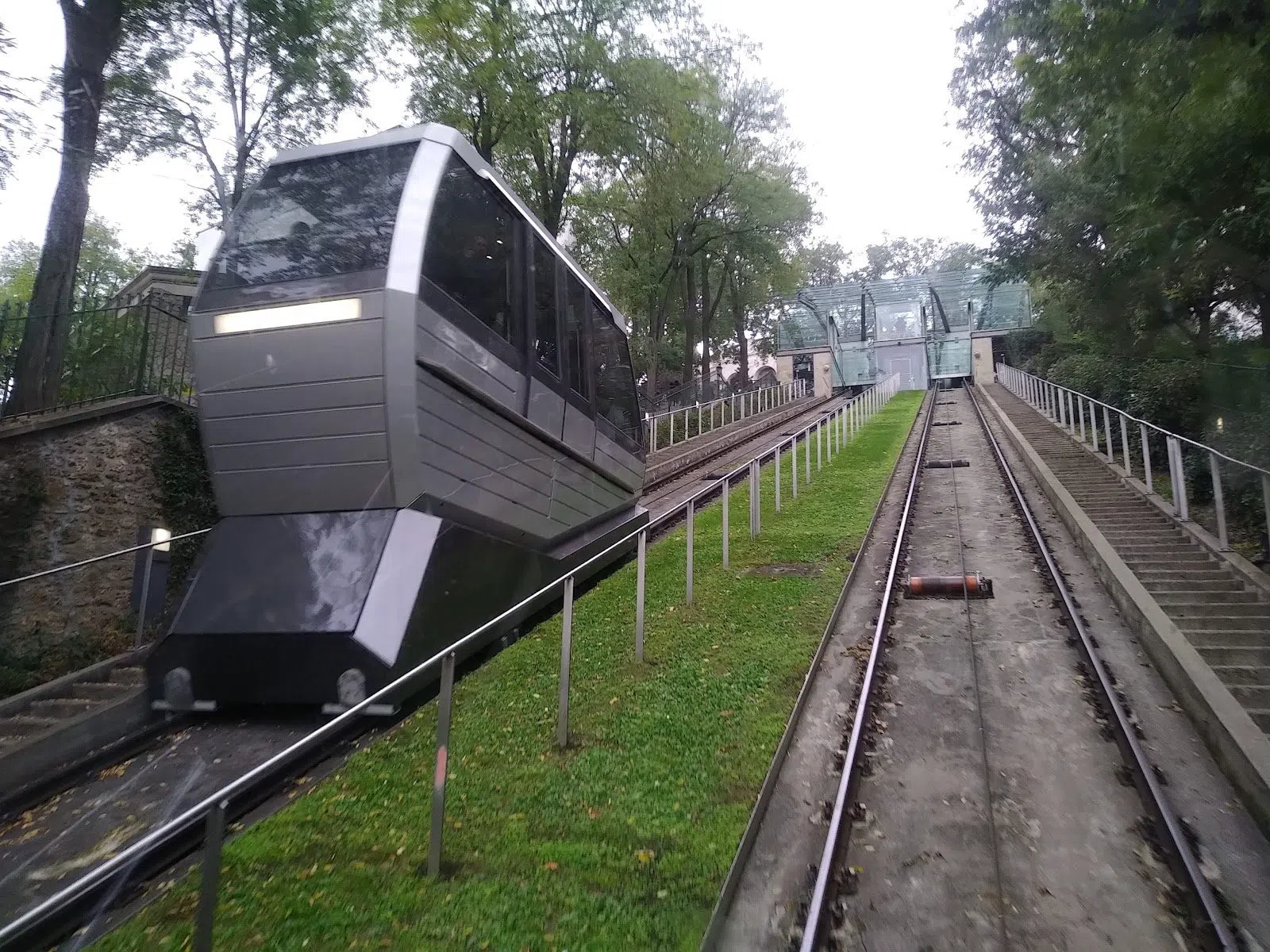
Montmartre is where good itineraries fall apart, because the district is a hill and every route to Sacré-Cœur ends in stairs. The Funiculaire de Montmartre (18th, from the foot of the butte up to the basilica) removes roughly two hundred steps for €2.55, a standard Métro fare, with no booking and no queue-jump ticket to buy. After a ten-year overhaul it has been running on both cabins again since June 2026, and it now takes contactless, which spares you the ticket machine. At midday you will still queue, because a coach party fills a cabin; go early or go after five.
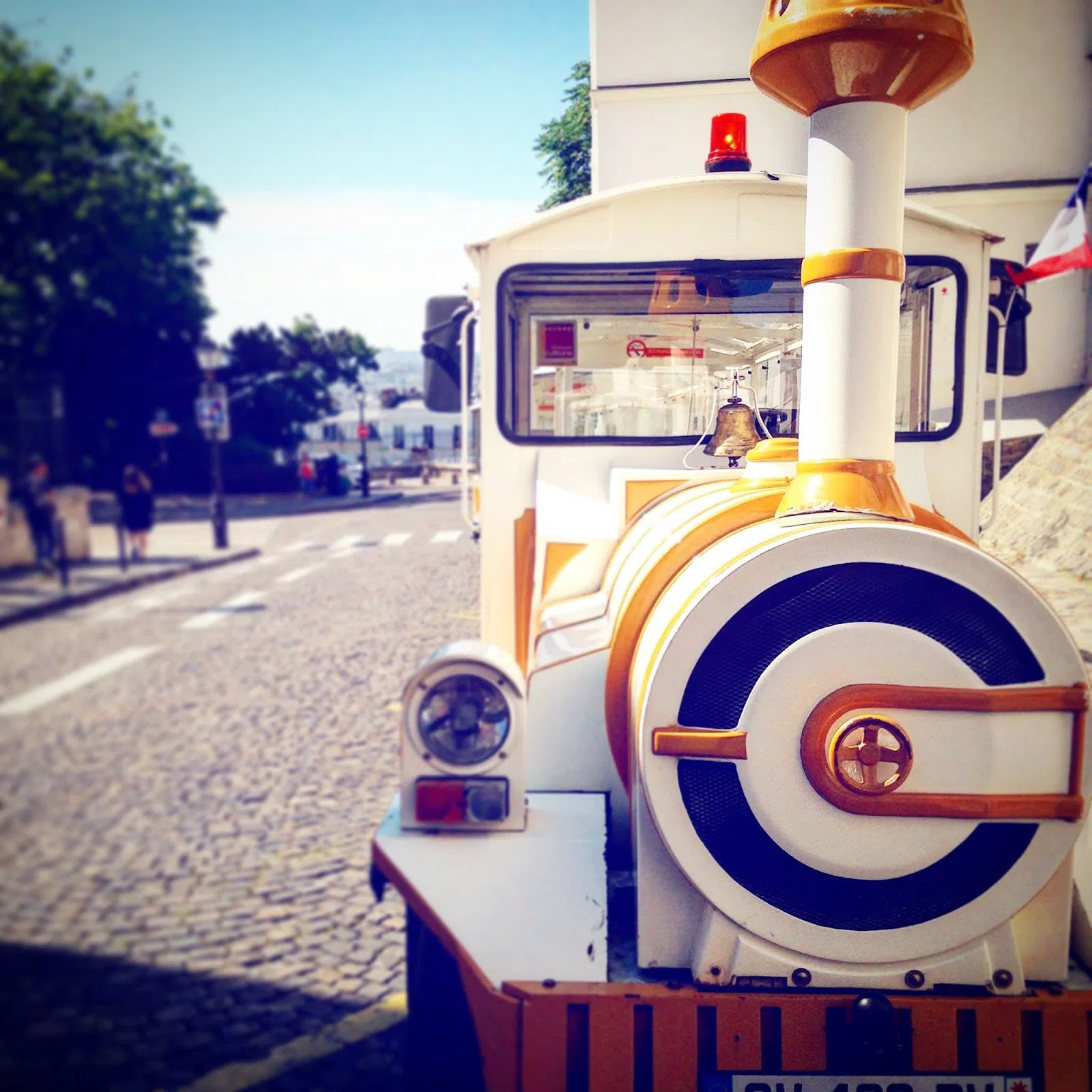
The hill itself is the other problem, and Le Petit Train de Montmartre (departures from Place Blanche, 18th) is the honest answer to it. Forty minutes, seated, around the steepest quarter in the city, for about €12 for an adult and €5 for a child. Departures are hourly, and every thirty minutes at weekends and during school holidays; the whole train can be hired if you are travelling with a group that would otherwise splinter. This is not a connoisseur's tour of the butte. It is transport with commentary, and it is the difference between seeing Montmartre and sitting at the bottom of it.
Wheels that cover the ground for you
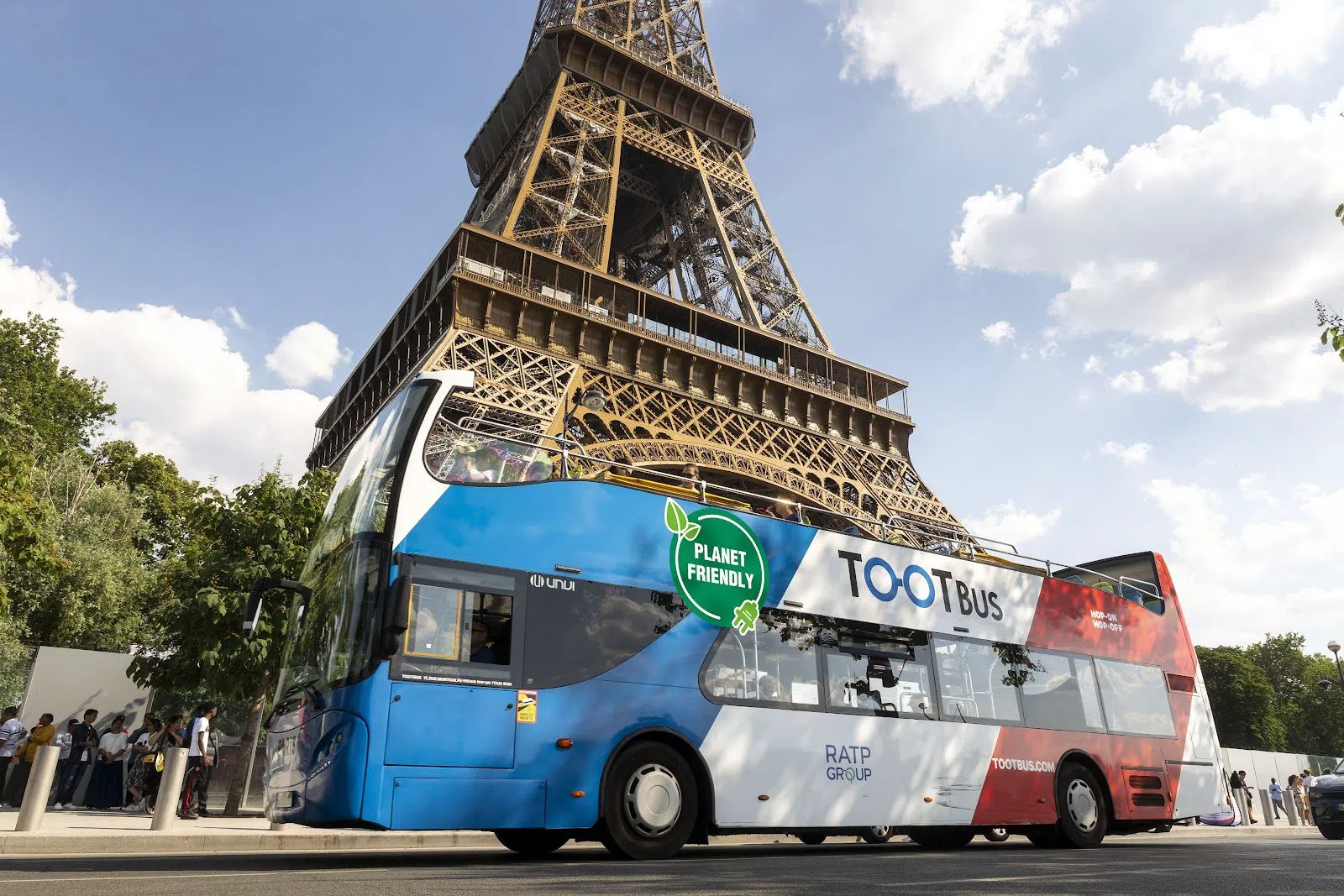
Tootbus Paris (ten stops across the centre) is the open-top hop-on hop-off, and it earns a place here because it goes where the river does not, north and west of the Seine, and you stay seated between stops. A 24-hour pass starts at about €40, with cheaper multi-day options, and the fleet is all-electric, with audio commentary in ten languages. Two operational notes worth checking before you commit: the Blue Line pauses on set dates through the year, and the Concorde stop moved on 4 September 2026, so an older map or a screenshot from a friend's trip will send you to the wrong kerb. Walk-up works, but the top deck fills first in good weather, so pre-booking is worth it on a clear morning.
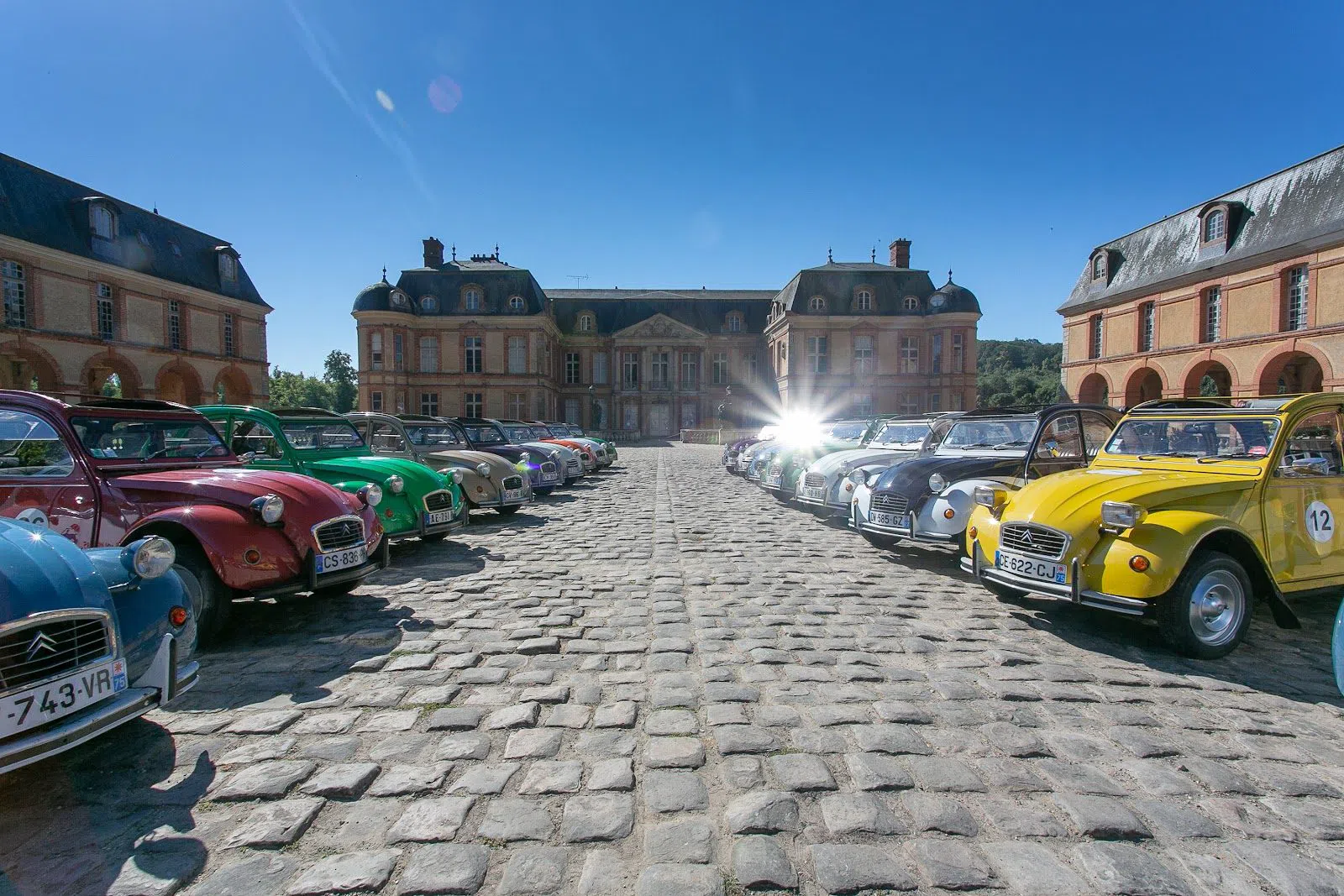
For door-to-door with no walking at all, 4 Roues Sous 1 Parapluie (pick-up wherever you are staying) runs chauffeured vintage 2CVs, from about €40 per person, with private cars bookable by the hour. Three passengers fit per car, so a group of nine means a convoy of three, which the company handles routinely, including team rallies. The car is the novelty; the useful part is that the itinerary is yours and the stops are wherever you say, so an elderly parent or a small child can see six places in an afternoon without a single transfer. Electric 2CVs are now on the fleet. Demand runs months out, so book this one before you fly rather than in the week itself.
Views you reach by lift
Most panoramas in Paris charge you a queue and a staircase. These three do not. The rooftop terrace at the Institut du Monde Arabe (5th, on the quai Saint-Bernard facing the river) is free and unticketed, reached by a glass lift, and it gives you the rear of Notre-Dame across the water, the view of the apse and the flying buttresses rather than the postcard front. The terrace is small, so a party of twenty will swamp it; split into halves or come late afternoon when the light is on the stone. It is closed on Mondays, and the rooftop restaurant is now Dar Mima, priced separately.
The rooftop at Galeries Lafayette Paris Haussmann (Boulevard Haussmann, 9th) is the other free one, reached entirely by escalator and lift, with the stained-glass dome to look up into on the way. Access is open to the public and groups are no problem on the terrace itself, but the seated bar areas want a booking, including Balcon, the bistro, if your group has reached the point where it needs to sit down properly with a table and a bill.
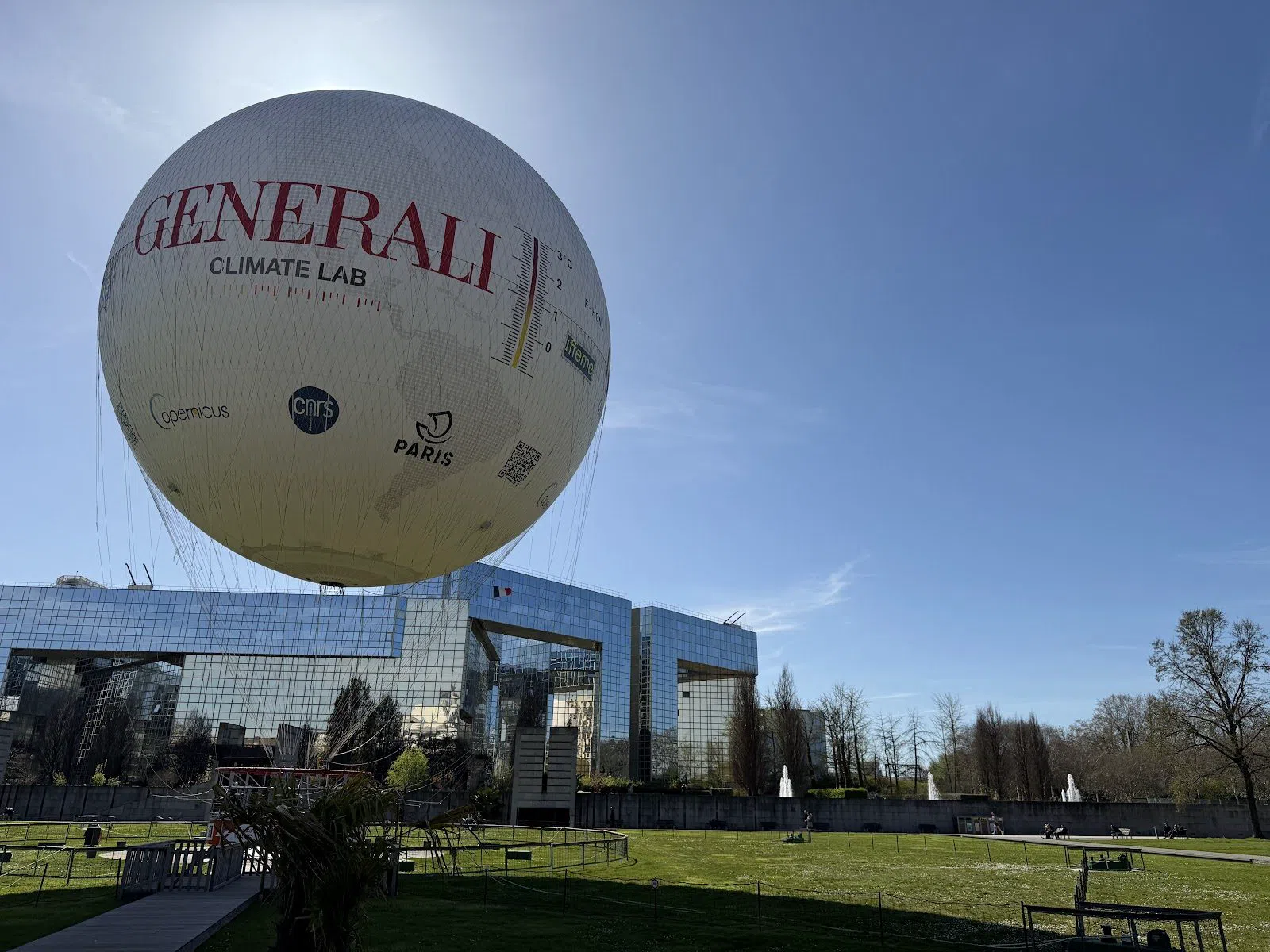
Ballon de Paris Generali (Parc André Citroën, 15th) is the outlier and the best-value ten minutes in the city at €18, reduced for children. It is a tethered balloon that lifts to 150 metres for a full circle of the skyline, with no stairs and no tower queue, and the basket takes up to thirty, so a group goes up together rather than in shifts. It opens daily from 9am. Wind cancels it, sometimes at short notice, so check the site the morning you plan to go and treat it as a bonus rather than a fixed point in the day.
Museums that give you the most for the fewest steps
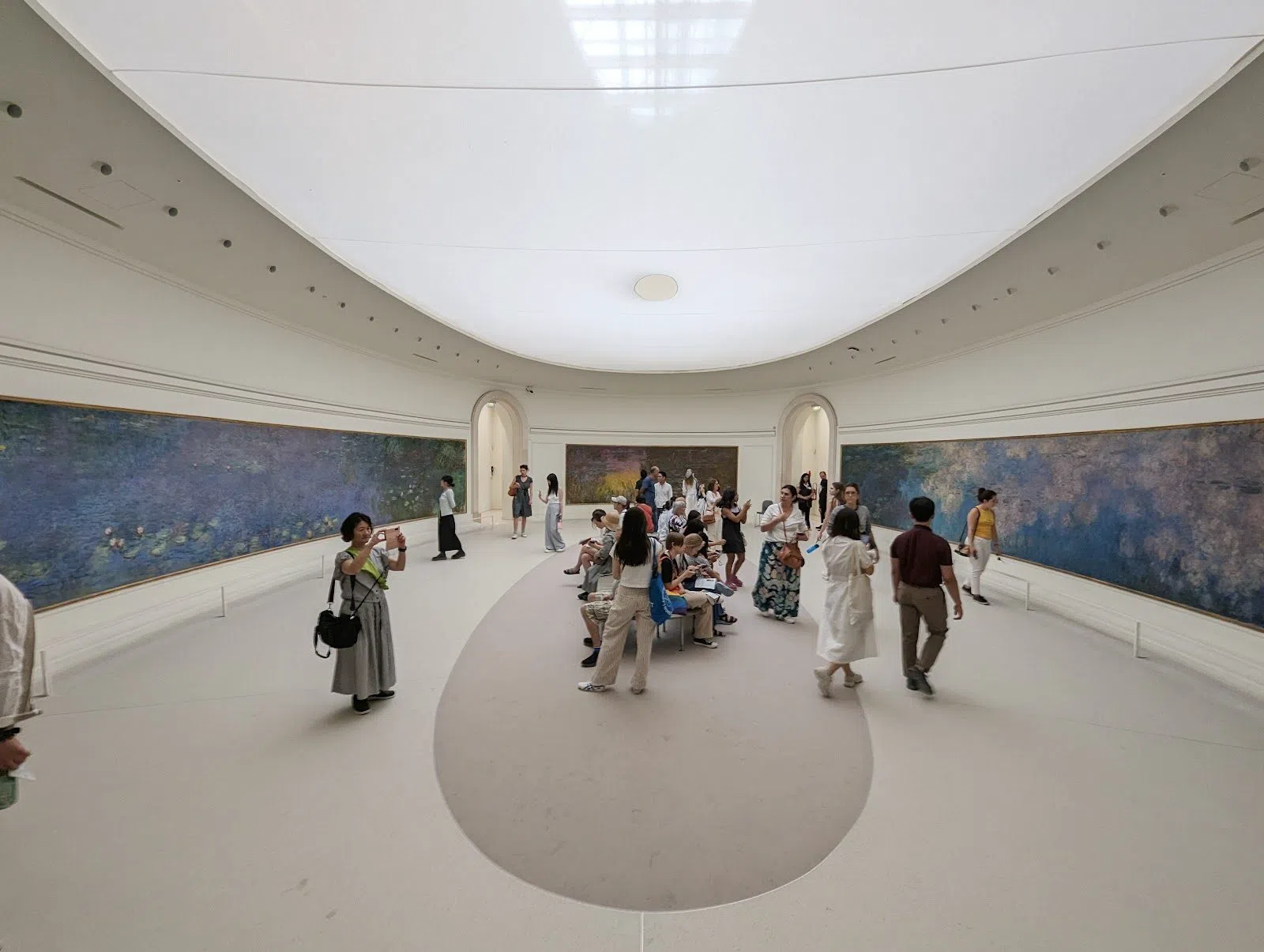
The big museums are the real leg-killers, and the fix is not to skip art but to choose small buildings. The Musée de l'Orangerie (in the Tuileries, 1st) is two oval rooms and a bench, holding Monet's water-lily panels at the scale he intended, and you can see all of it properly in forty minutes. It is €12.50, closed Tuesdays, and entry is timed, so book a slot; the oval rooms are genuinely tight, and a large group in there ruins the thing it came to see. Come in pairs or fours.
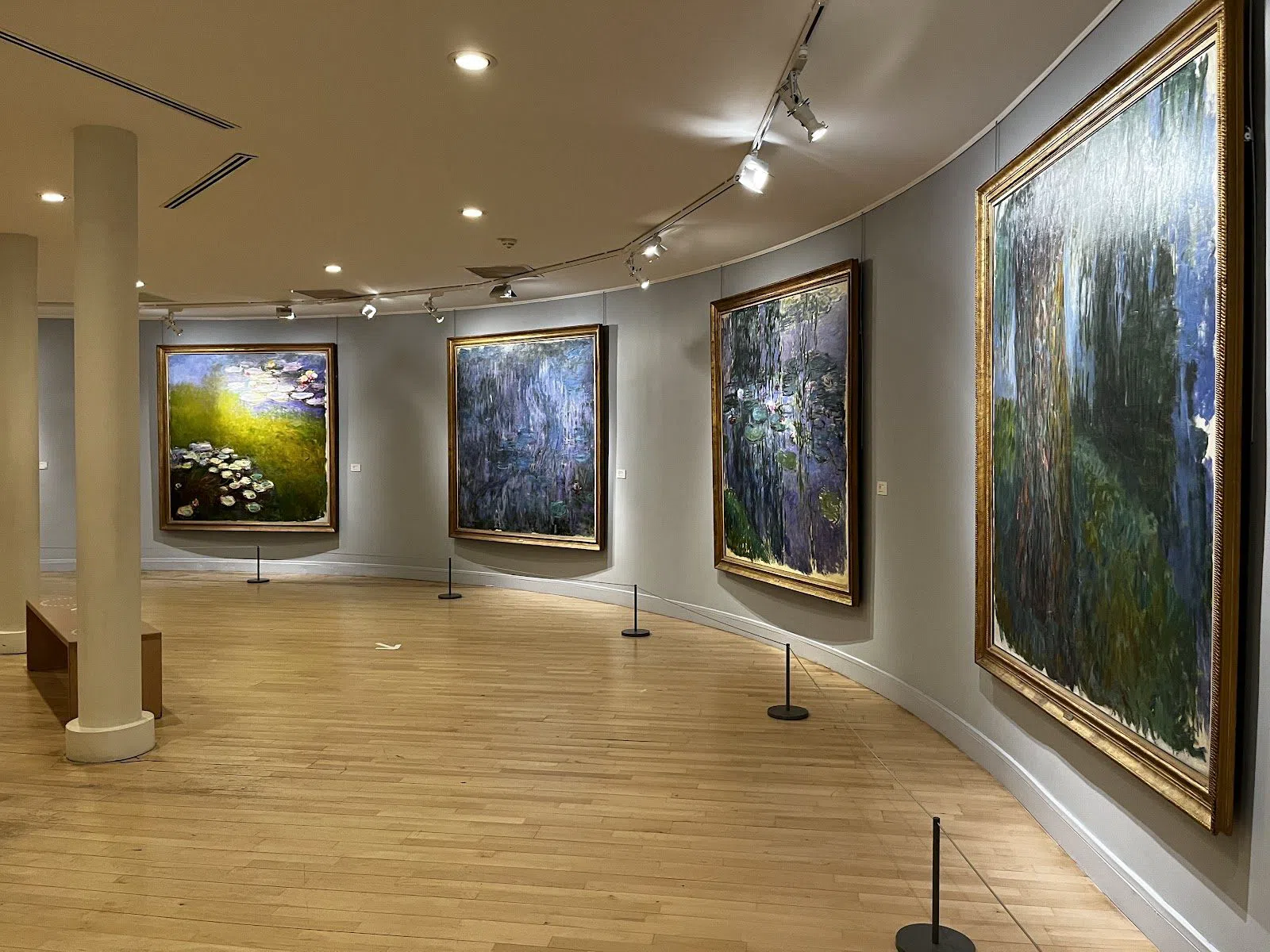
Musée Marmottan Monet (16th, beside the Jardin du Ranelagh) holds the largest collection of Monet anywhere, in a house you can walk in an hour, for about €14. It stays quiet even in season, which makes it one of the few places where a group of a dozen does not change the atmosphere. It closes on Mondays, and it is due to shut for a full renovation from 2027, so this year is the window.
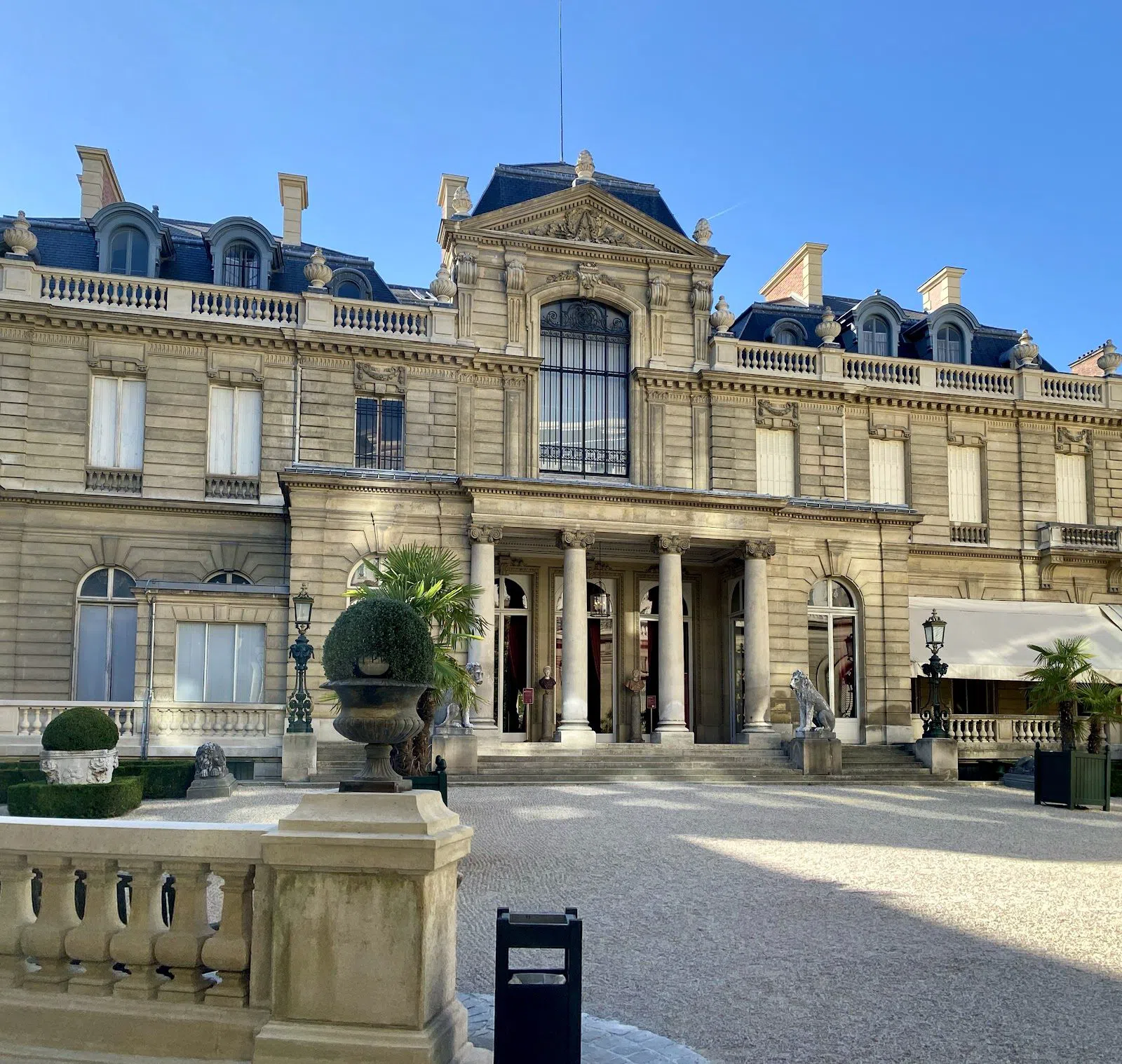
Musée Jacquemart-André (Boulevard Haussmann, 8th) is a mansion collection on flat floors, with Café Jacquemart-André under the ceiling frescoes for the sitting-down half of the visit. About €18, café priced separately. The rooms are narrow, so timed entry and small parties are the only sane way in; group bookings are taken, but split a coach into waves. The Tintoretto exhibition runs from 11 September 2026 to 24 January 2027, which will make the slots tighter than usual.
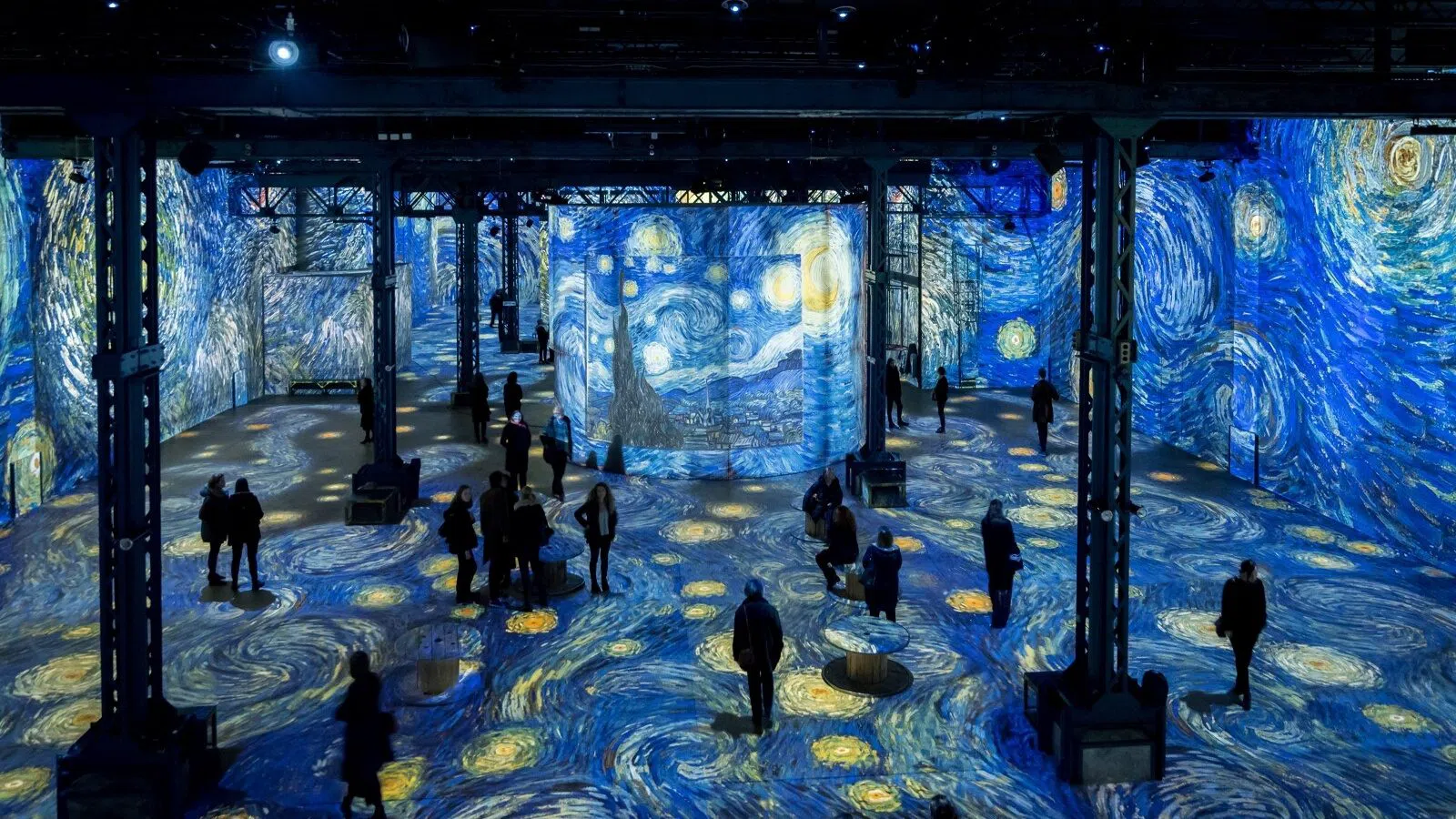
And when even a small museum is too much, Atelier des Lumières (11th, rue Saint-Maur) inverts the problem. You sit on the floor or the steps in a dark former foundry and the art moves instead of you, projected across every wall. About €16 to €17. Through 2026 the programme rotates between Renaissance masters, Van Gogh, The Little Prince and a Coldplay film on set days, so check which one is running on your date rather than turning up hopefully. Groups and school parties are fine with pre-booked slots.
Where to actually sit down
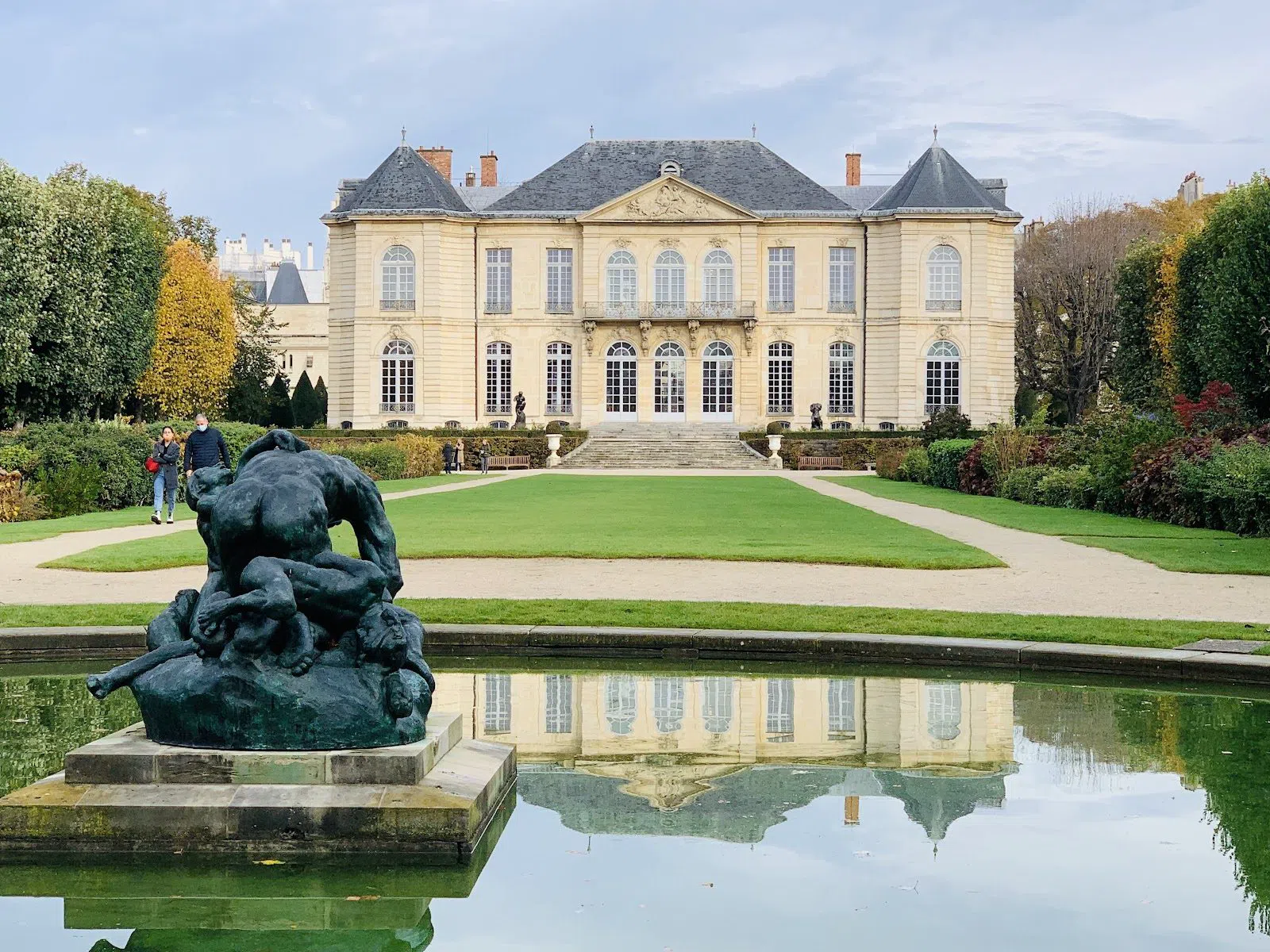
The Musée Rodin sculpture garden (7th, rue de Varenne) sells a garden-only ticket for €5, and only at the gate, never online, which is why most people miss it. Five euros buys gravel paths, a rose garden, benches in the shade and The Thinker outdoors, and it is the cheapest proper rest in central Paris. The full museum is €14 if you want the interior too. Closed Mondays.
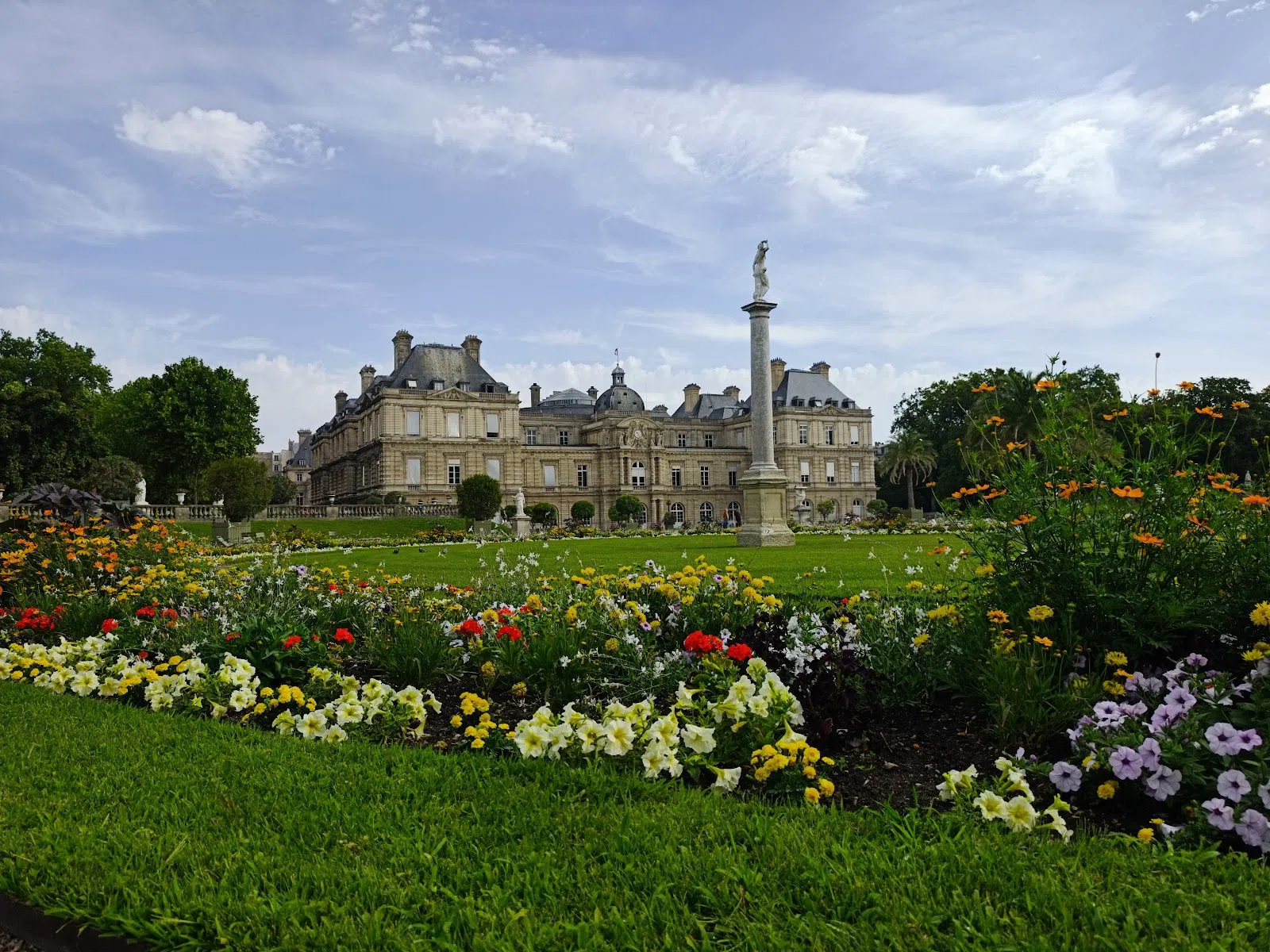
The Jardin du Luxembourg (6th, between Saint-Germain and the Latin Quarter) is free, unticketed and holds roughly 4,500 movable metal chairs that have been free to use since 1974. You drag them where you want, into the sun, under a tree, into a circle for eleven people, which is why it works as the default recovery stop between two heavy sights in a way no café can. Gates close with the sunset, so the closing time moves through autumn; check it before you settle in for the last hour of light.
A shape that holds up over two days
One workable pattern. Day one belongs to the river: a 48-hour Batobus pass from mid-morning, off at the Jardin des Plantes end for the Orangerie or a long sit, back on the water in the afternoon, then either the rooftop at the Institut du Monde Arabe for the light or a late Bateaux-Mouches sailing for the lit bridges. Day two goes uphill without climbing: the funicular to Sacré-Cœur early, the little train around the butte, down to the Jacquemart-André or the Marmottan for an hour indoors, and the Luxembourg chairs before dinner. That is two full days, every major register of the city covered, and perhaps six thousand steps rather than twenty.
Practical notes
Transport is the lever. A Métro ticket and the funicular cost the same €2.55, and the Métro is fast but stair-heavy. Many stations have no lift and long interchanges, so treat the river, the bus and the road train as the default and the Métro as the thing you use when you are fresh. Taxis are straightforward from ranks and by app, and a short cross-river hop is often cheaper than the third attraction ticket you were about to buy out of guilt.
Cash is barely needed. Cards and contactless work everywhere on this list, including the funicular since the overhaul; the one place to carry a little cash is the Rodin garden gate and the odd park kiosk. Prices here are quoted in euros and were current for 2026, so check the operator's own page for the day you travel, particularly for Tootbus line changes and Canauxrama sailings.
Timing matters more than budget. Mondays close the Marmottan, the Rodin garden and the Institut du Monde Arabe terrace; Tuesdays close the Orangerie. Book the Orangerie, Canauxrama and 4 Roues ahead, weeks for the first two, months for the third. Everything else on this list takes you as you arrive.
On cost, a realistic day runs €25 to €45 a head for a river or bus pass, one small museum, and a free rooftop, which is less than most people spend on a single tower ticket and a recovery lunch. Stay somewhere on or near the river or a funicular-adjacent slope and the whole plan gets shorter; the Paris hotel search is the place to start, and the wider Paris guide covers eating and districts once your legs are no longer the limiting factor.
Before you go
What is the cheapest way to see a lot of Paris without walking much?
A Batobus river pass, €23 for 24 hours, replaces the Métro for a whole day across nine piers between the Eiffel Tower and the Jardin des Plantes. Add a free rooftop (the Institut du Monde Arabe or Galeries Lafayette, both reached by lift) and the free chairs in the Jardin du Luxembourg, and a full day costs about what one tower ticket does.
How do I get up to Sacré-Cœur without climbing the steps?
Take the Funiculaire de Montmartre. It costs €2.55, the same as a standard Métro fare, takes contactless, and needs no booking. Both cabins have been running since the ten-year overhaul finished in June 2026. Expect a queue around midday when the coach parties arrive.
Which Paris museums can I see properly in under an hour?
The Musée de l'Orangerie is two oval rooms with a bench: €12.50, timed entry, closed Tuesdays. At the Musée Marmottan Monet you can walk the whole house in an hour for about €14, closed Mondays, though it is due to close for renovation from 2027. The Jacquemart-André is flat-floored and has a café under the frescoes, about €18.
Does any of this work for a group of ten or more?
Bateaux-Mouches handles groups best, with a group rate from fourteen people and coach drop-off at the pier. Ballon de Paris takes up to thirty in the basket at once, and Le Petit Train de Montmartre can be hired whole. Keep large parties out of the Orangerie's oval rooms and the narrow rooms at Jacquemart-André, and send people through in small waves instead.
What should I book in advance and what can I just turn up for?
Book ahead for the Musée de l'Orangerie (timed slots), Canauxrama (sells out weeks ahead) and 4 Roues Sous 1 Parapluie (demand runs months out). Batobus, the funicular, both free rooftops and the Jardin du Luxembourg need no booking at all. The Musée Rodin garden-only €5 ticket is sold at the gate and cannot be bought online.