The Paris issue
Paris Around the Papal Visit, 24–26 September 2026
The cathedral shuts for three days and Concorde disappears under an open-air Mass. Plan a late-September week in Paris that barely notices.

By Sasha LindholmThe unhurried side of Paris
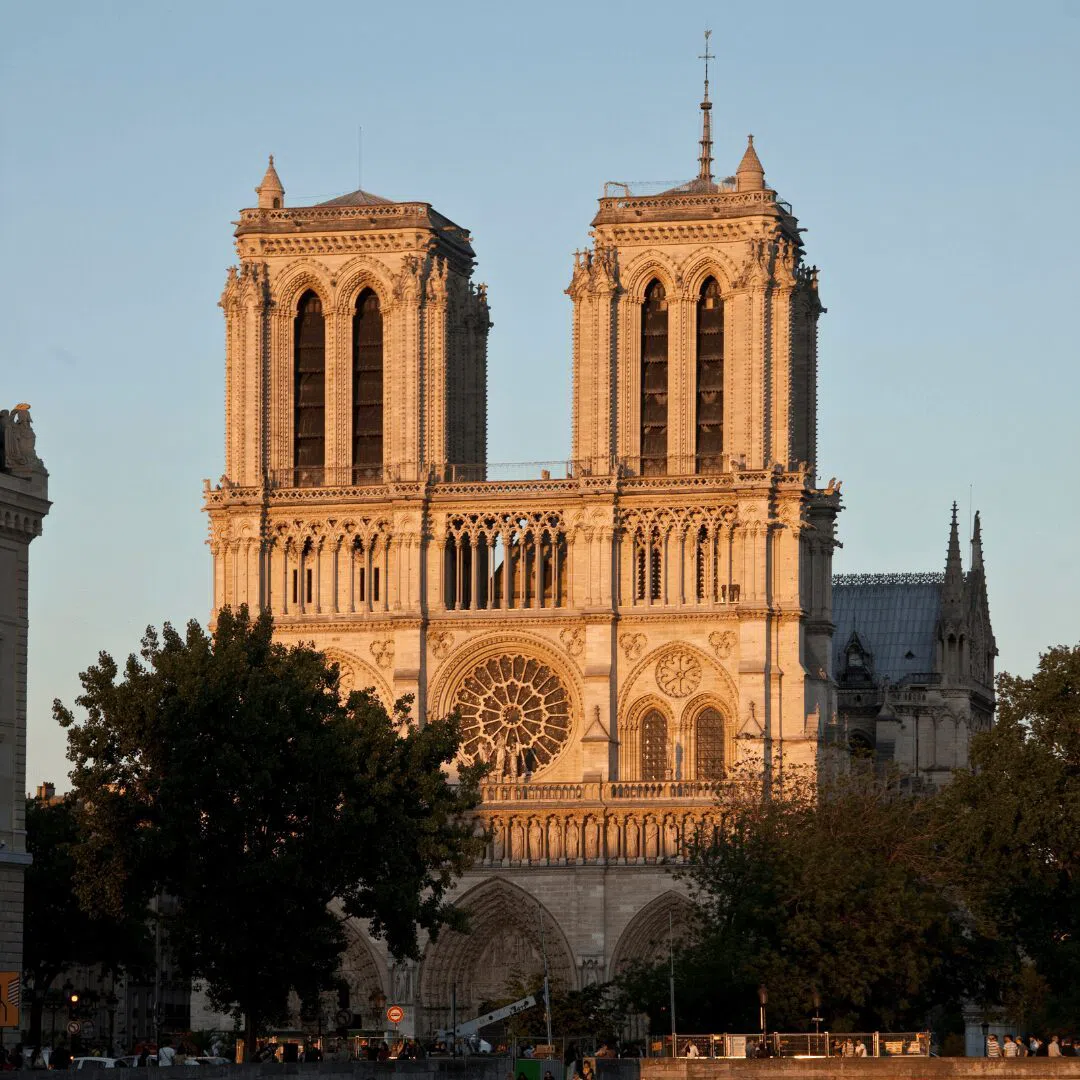
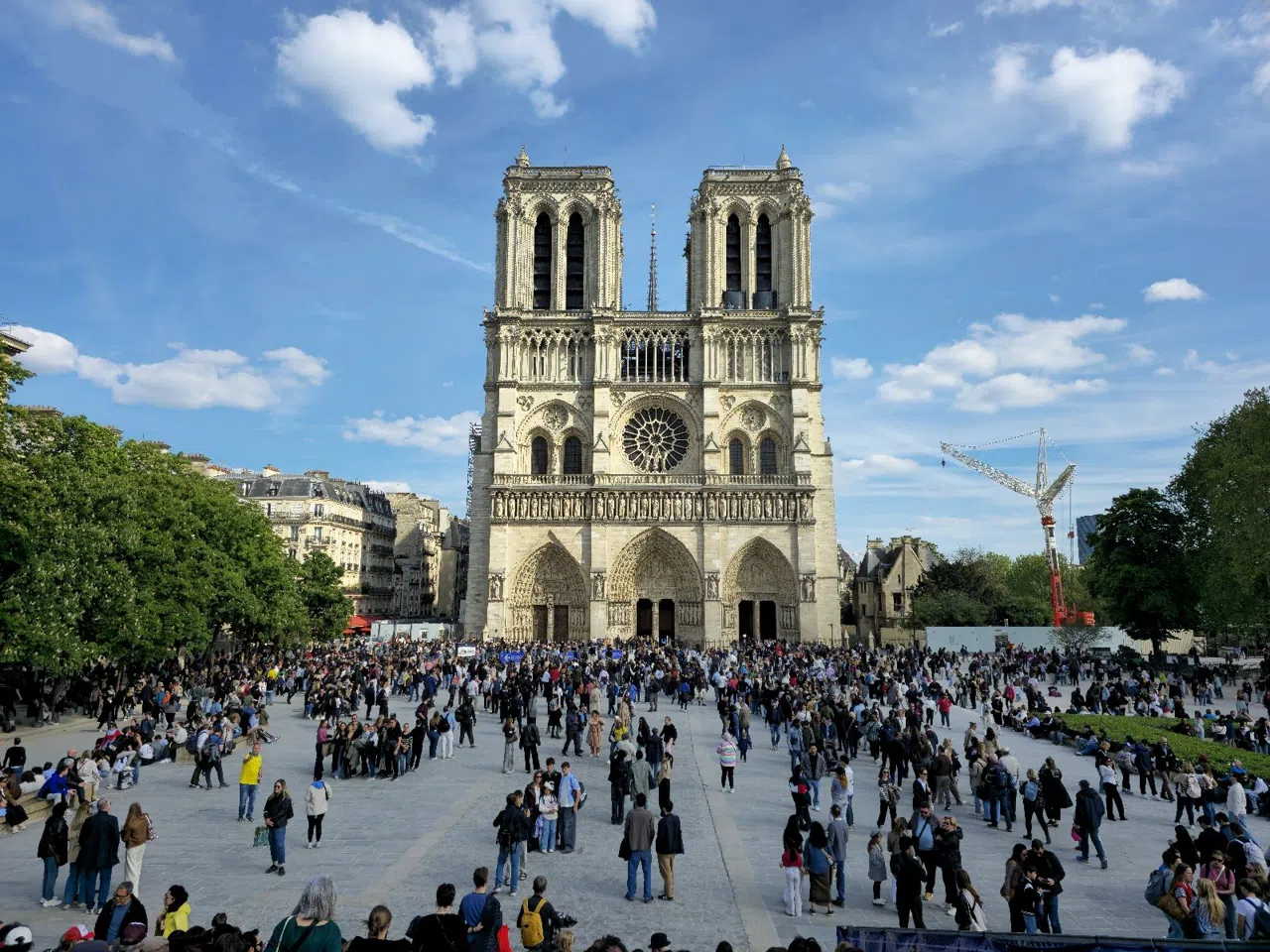
Late September is when Paris settles back into itself. The light comes low along the quais by six, the terraces still work without a heater, and the queues that made August a chore have thinned to something you can plan around. One weekend cuts across that: the papal visit closes Cathédrale Notre-Dame de Paris (Île de la Cité) to visitors from 24 to 26 September, and on the Saturday an open-air Mass takes Place de la Concorde and the streets that feed it. Work around those three days and the rest of the week is untouched.
The three fixed points of that weekend
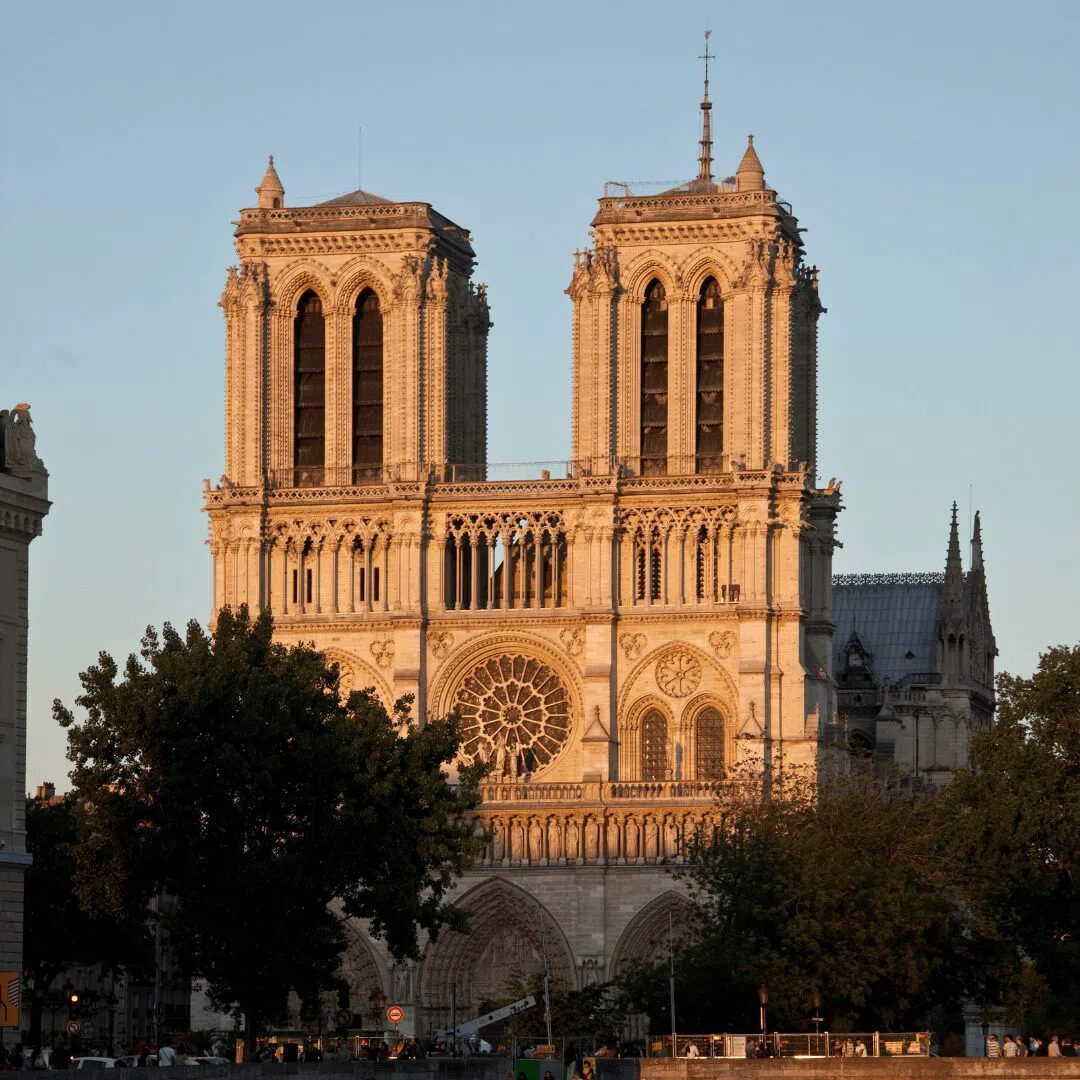
The first is the cathedral. Notre-Dame is shut to visitors from Thursday 24 to Saturday 26 September for the papal vespers, and there is no side door and no early slot. If the cathedral is the reason you came, your visit belongs on Tuesday 22 or Wednesday 23, or from Sunday 27 onward.
The second is Place de la Concorde on Saturday 26 September, where the open-air Mass is staged. Assume the square, the bottom of the Champs-Élysées, the western end of rue de Rivoli and the Tuileries' Concorde corner are all out from early morning, closed to traffic and thick enough with people to be slow to cross on foot. Anything you had pencilled in for that corner moves earlier in the week.
The third is Friday evening 25 September, when the youth vigil pulls crowds north of the périphérique. If you are out that way, check line 13's last trains before you commit to staying late; a vigil crowd and a thinning metro timetable make a poor pairing at midnight.
Everything below is arranged by how far it sits from those three points.
Plan your Paris trip
Live prices from our booking partners.
Free cancellation on many rooms. We may earn a commission when you book.
Booking Notre-Dame either side of the closure
Entry to the cathedral is free, as it has always been. You can queue on the parvis and take your chances, but the sensible route is the free timed slot on the official site and app, and those slots only open 48 hours ahead. That is a short window, so set a reminder rather than trusting yourself to remember on a travel day. For a Sunday 27 September visit, the slots appear on the Friday morning.
Groups do not book those slots directly. Licensed guides hold the reserved entry, so a party of ten or more needs a guide who already has one, arranged before you fly rather than found on the square.
The bell towers are a separate ticket: €16 through the Centre des monuments nationaux, for a 424-step climb sold in small capped groups because the stair is a single-file spiral with nowhere to pass. It suits pairs and small parties; it does not suit twelve people who want to stay together. Book it for the same open days as the cathedral itself.
Gothic Paris without the cathedral
Two hundred metres west along the island, Sainte-Chapelle (Île de la Cité) covers the same century without pretending to be a substitute. Louis IX raised it in the 1240s as a reliquary for the Crown of Thorns, and the upper chapel's glass is the whole reason to go. It reads best on a bright late-September morning, which argues for the 9am opening. Entry is €22, or €25 on a joint ticket with the Conciergerie next door, worth taking if you want the bleak half of the palace as well as the luminous one.
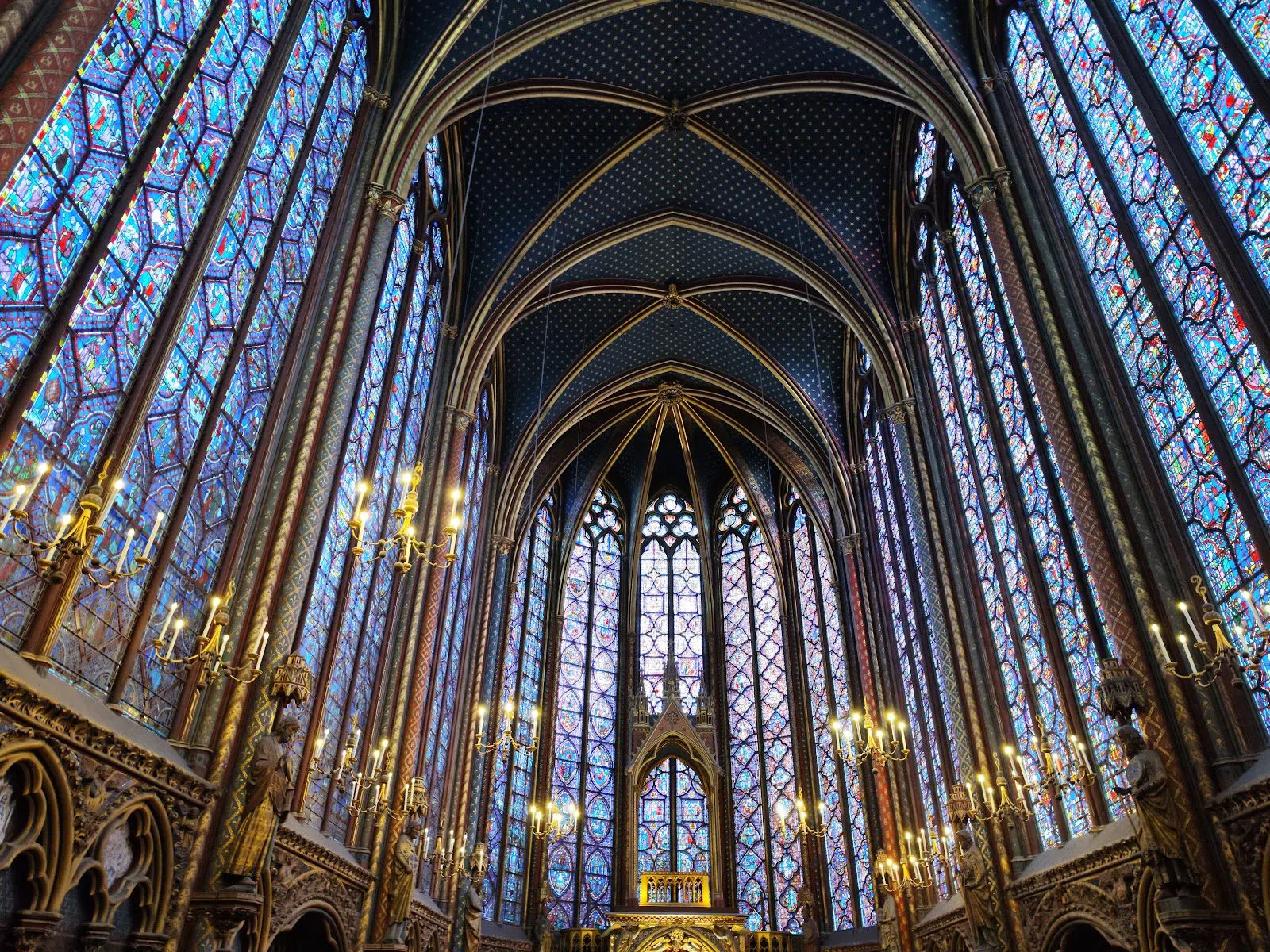
The catch is the gate. The chapel sits inside the working Palais de Justice, so everyone passes through airport-style security. A couple absorbs that in ten minutes. A party of thirty needs a dedicated group slot booked in advance and should still turn up at opening, because the queue outside is where large groups come apart.
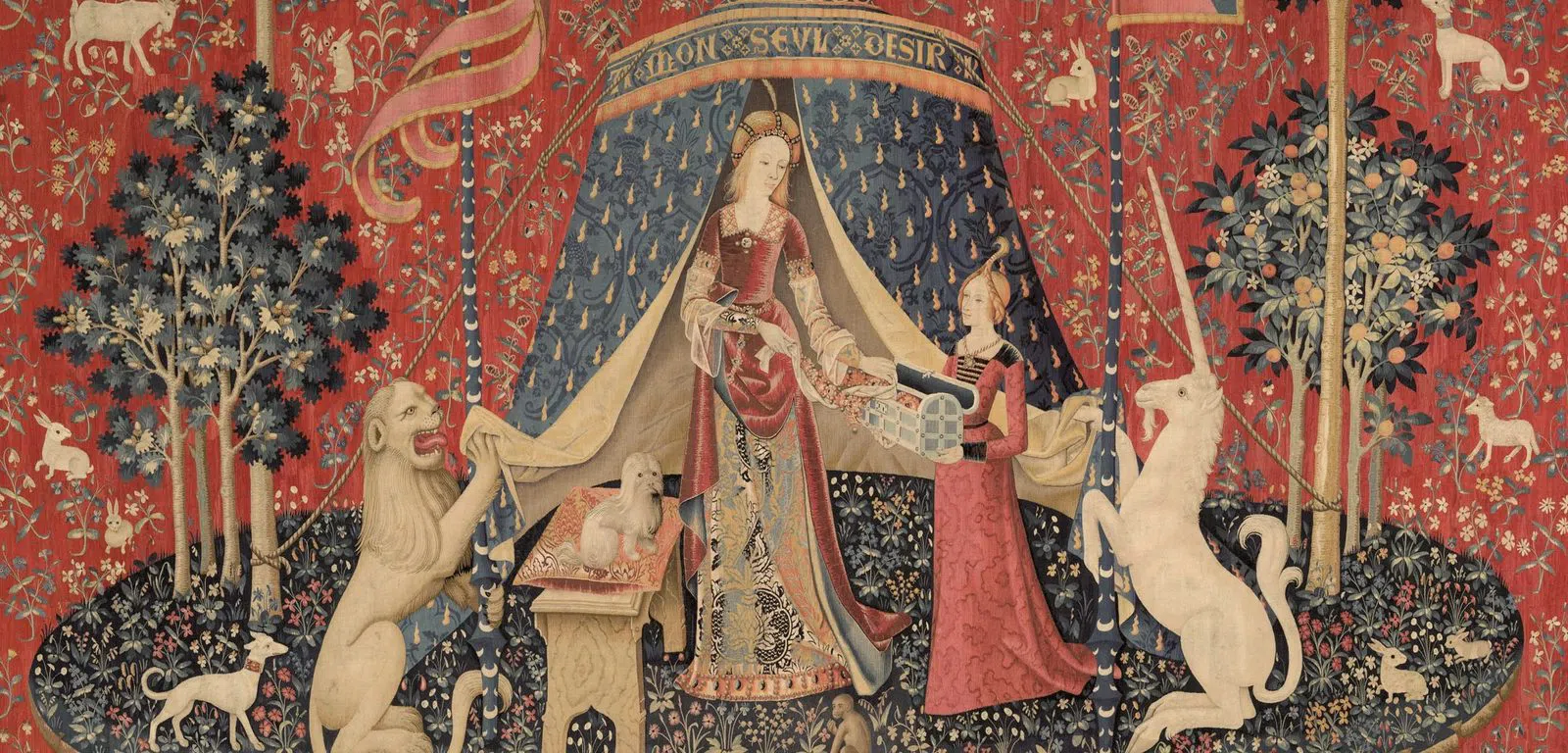
Cross the Petit Pont, walk five minutes up to the corner of boulevard Saint-Germain, and you reach Musée de Cluny – musée national du Moyen Âge (Latin Quarter), the medieval abbots' townhouse built directly over Gallo-Roman baths. It holds Notre-Dame's own medieval sculpture: the heads struck from the Gallery of Kings during the Revolution, buried, and dug up again in 1977. On 24 to 26 September that makes it the cathedral visit you cannot otherwise make. Entry is €14 and, unusually for Paris, there is no timed reservation, so walk-up groups genuinely walk up; guided group tours can still be booked ahead. The restored medieval garden is included and is a good place to sit with a sandwich.
Museums that sit clear of the closure ring
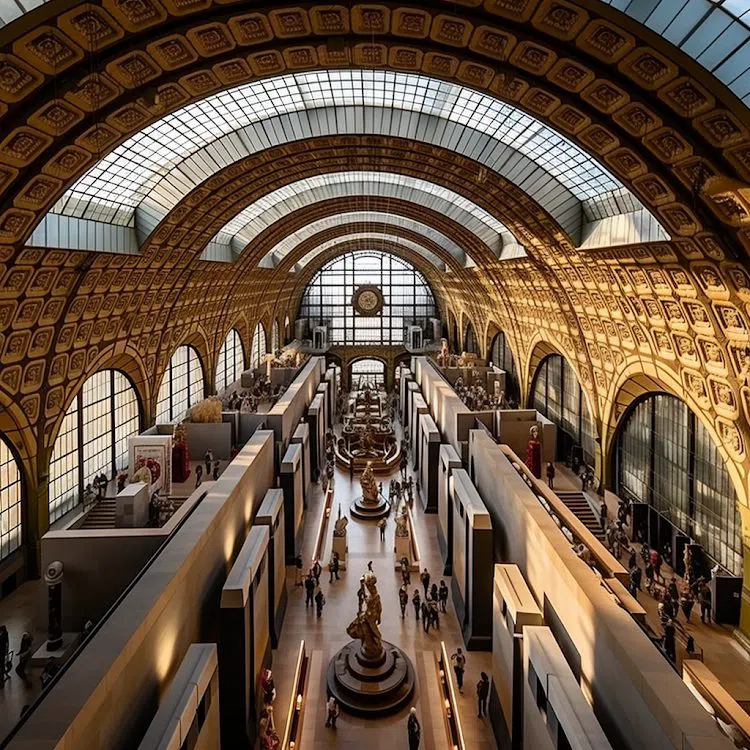
Musée d'Orsay (Left Bank, 7th) is on the wrong side of the river for any of the disruption, and its Thursday late opening until 9.45pm is the calmest slot of the week for a group. Thursday 24 September, with the island sealed, is exactly when to use it. Tickets are €16 online, €14 on site and €12 on Thursday after 6pm. The door really is cheaper than the website; the trade is a queue. Timed entry throughout, with a dedicated group entrance and advance group reservation. From 15 September the Bartholdi exhibition, 'Liberty Enlightening the World', is running. Closed Mondays.
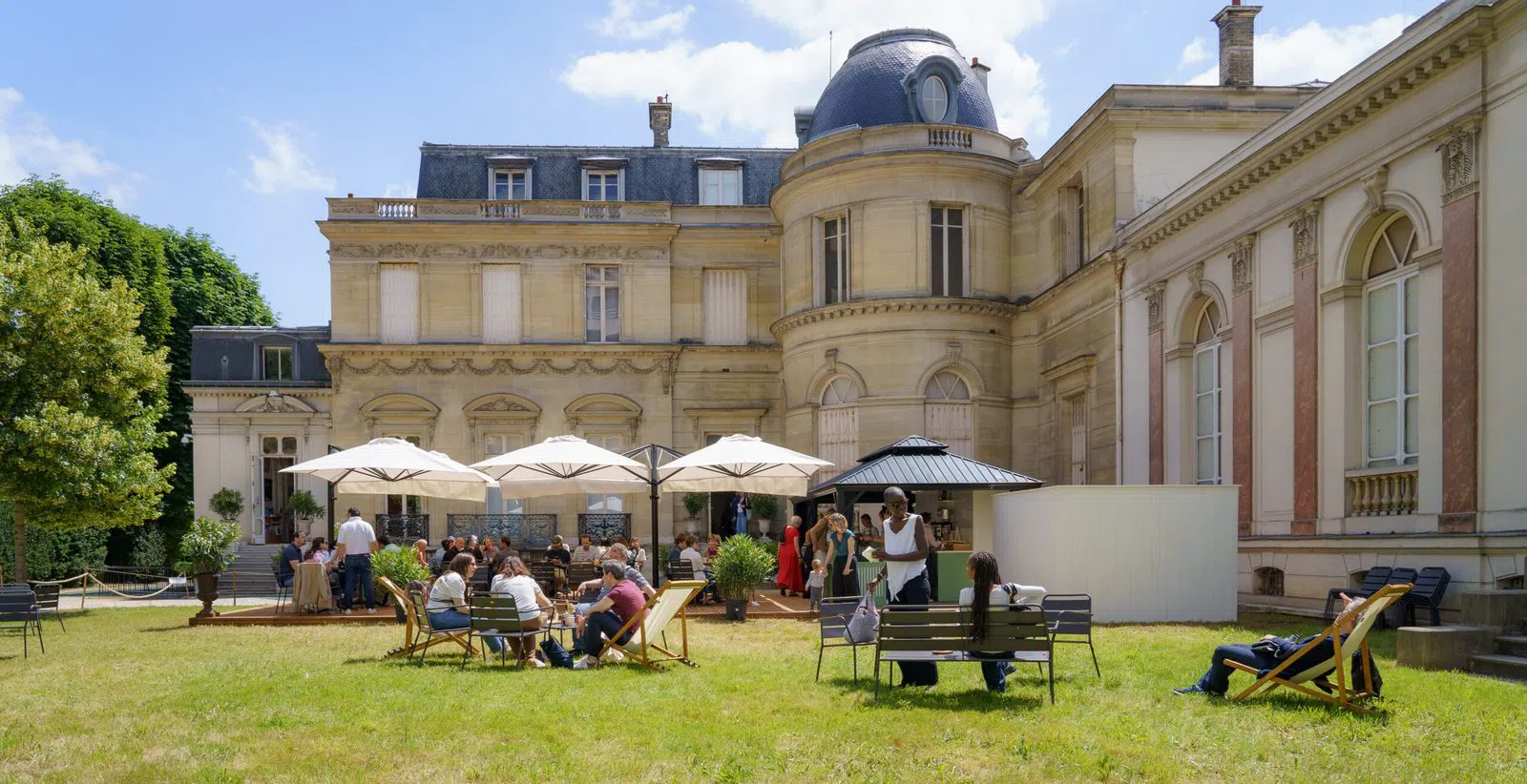
Musée Marmottan Monet (16th, far west) is the best-timed opening of the week: 'Histories of Landscape: From Monet to Hockney' begins on 24 September 2026. The museum is small, never crushed, and completely outside the affected quarter; group visits can be booked, but tickets are still sold at the door, which is rare enough in this city to note. €14, or €9 reduced. Closed Mondays.
Musée national Picasso-Paris (Marais, 3rd) and Musée Carnavalet – Histoire de Paris (Marais) sit five minutes apart on foot, deep in the old streets east of the Louvre and well away from Concorde. Picasso runs timed slots with group booking, at €16 adult and €12 reduced, free on the first Sunday of the month, with a late opening to 10pm on the first Wednesday, which falls at the start of September rather than during this week. Carnavalet's permanent collection is free and needs no booking at all: the whole history of the city for nothing, and the easiest place to redirect a group whose morning has been wrecked by a road closure. Both closed Mondays.

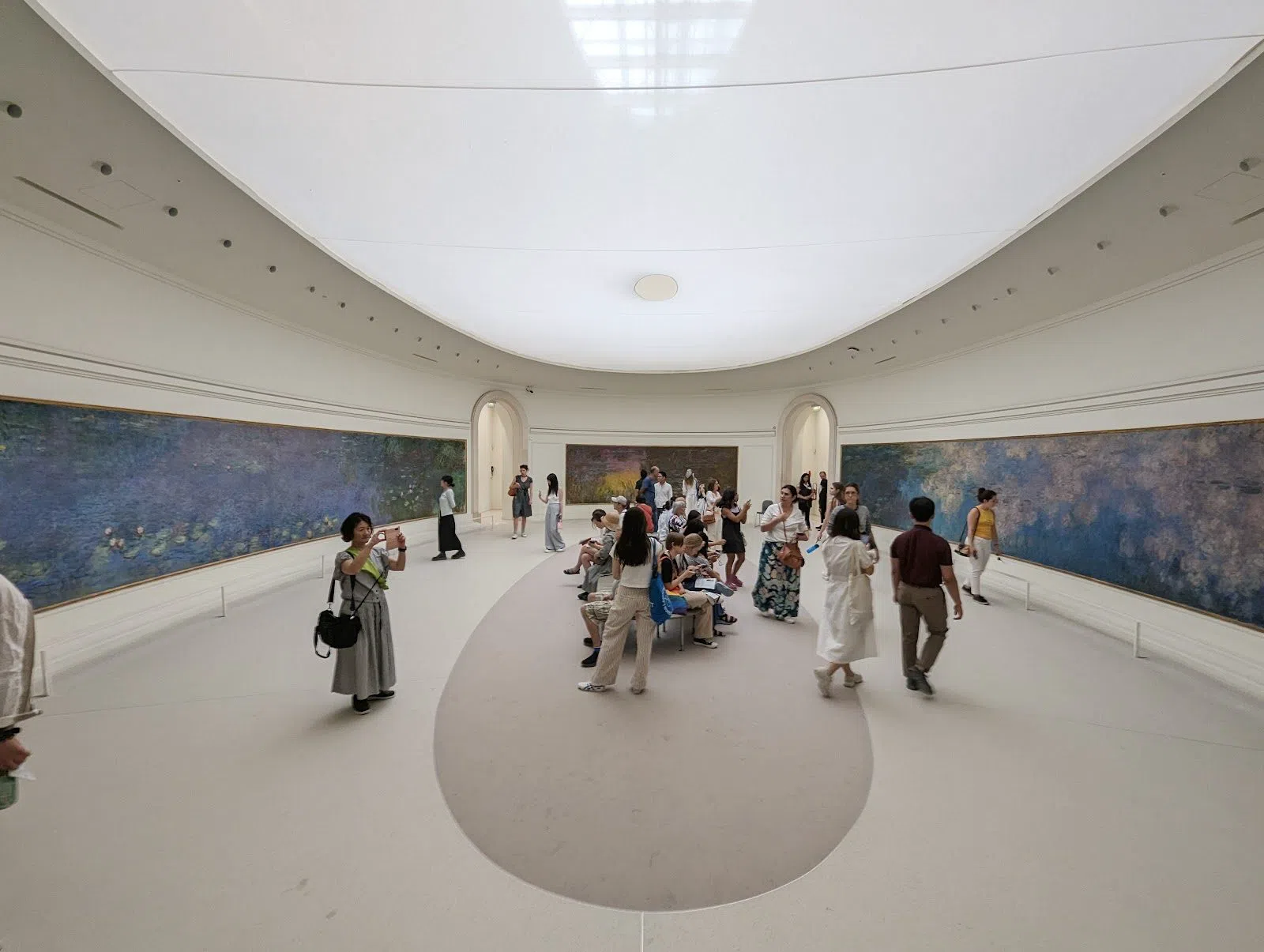
Musée de l'Orangerie (Tuileries, 1st) is the one museum the Mass actually touches. The Nymphéas rooms sit in the Tuileries corner directly on Place de la Concorde, inside the Saturday footprint. Treat 26 September as unusable here and go on the 23rd or 24th instead, at the 9am opening. It is a small building with strict capacity, so groups must book a slot and large parties are split at the door. €14 adult, free on the first Sunday of the month, reduced from 6pm on Fridays.
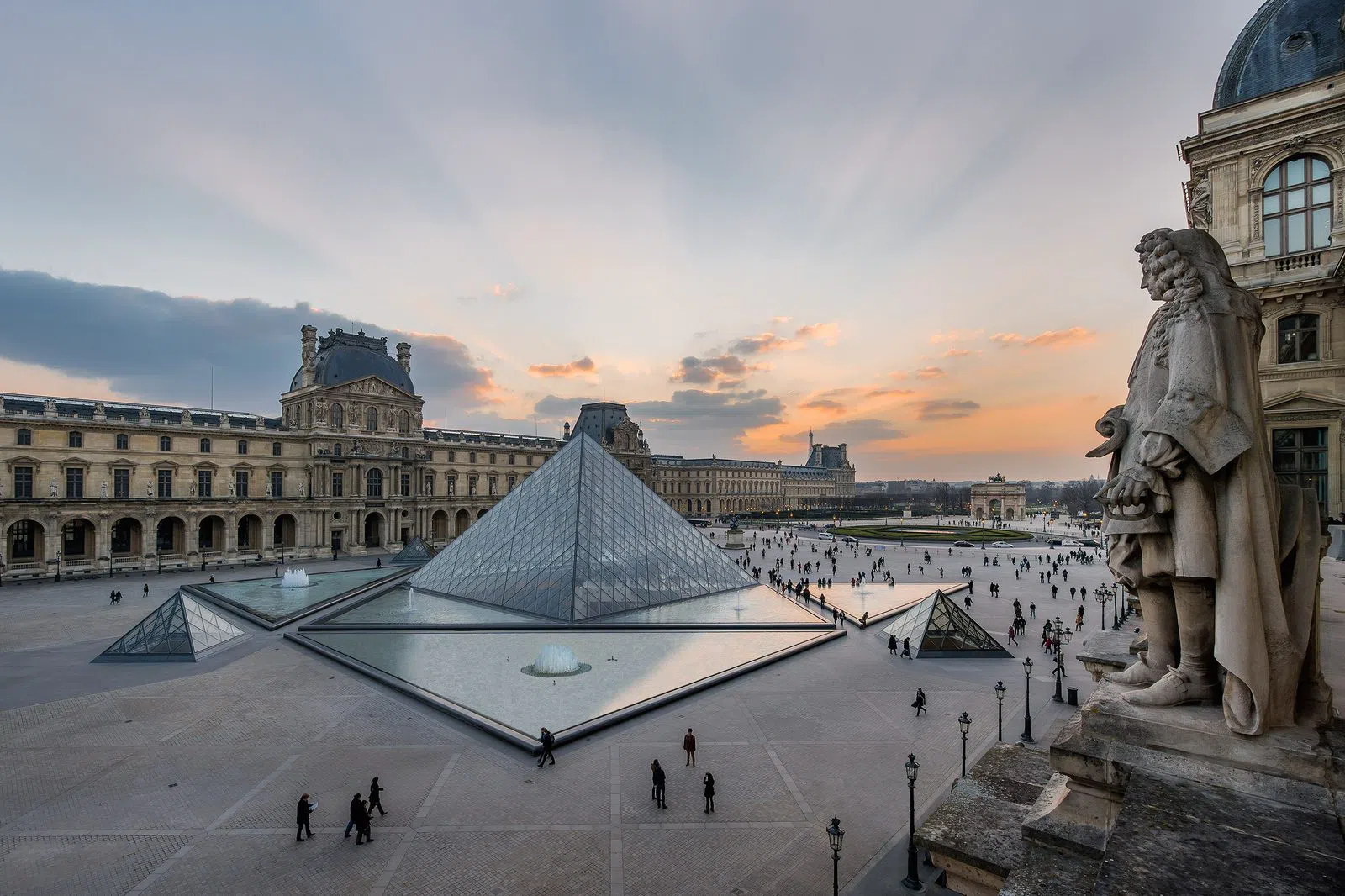
Musée du Louvre (1st) is closed on Tuesdays, so if you land on Tuesday 22 it cannot be your first stop whatever the papal calendar is doing. Book a timed slot, use the formal group booking if you are more than a handful, and go in through the underground Carrousel du Louvre door rather than the pyramid; that is the difference between arriving as a group and arriving as scattered individuals. Admission is €22 for EEA residents and €32 for everyone else, a gap large enough to matter across a family. The Galerie d'Apollon reopened on 22 July 2026 after the 2025 theft and stands deliberately empty of its jewels; the room itself, gilded barrel vault and all, still earns the detour.
Churches that stay open on the papal days
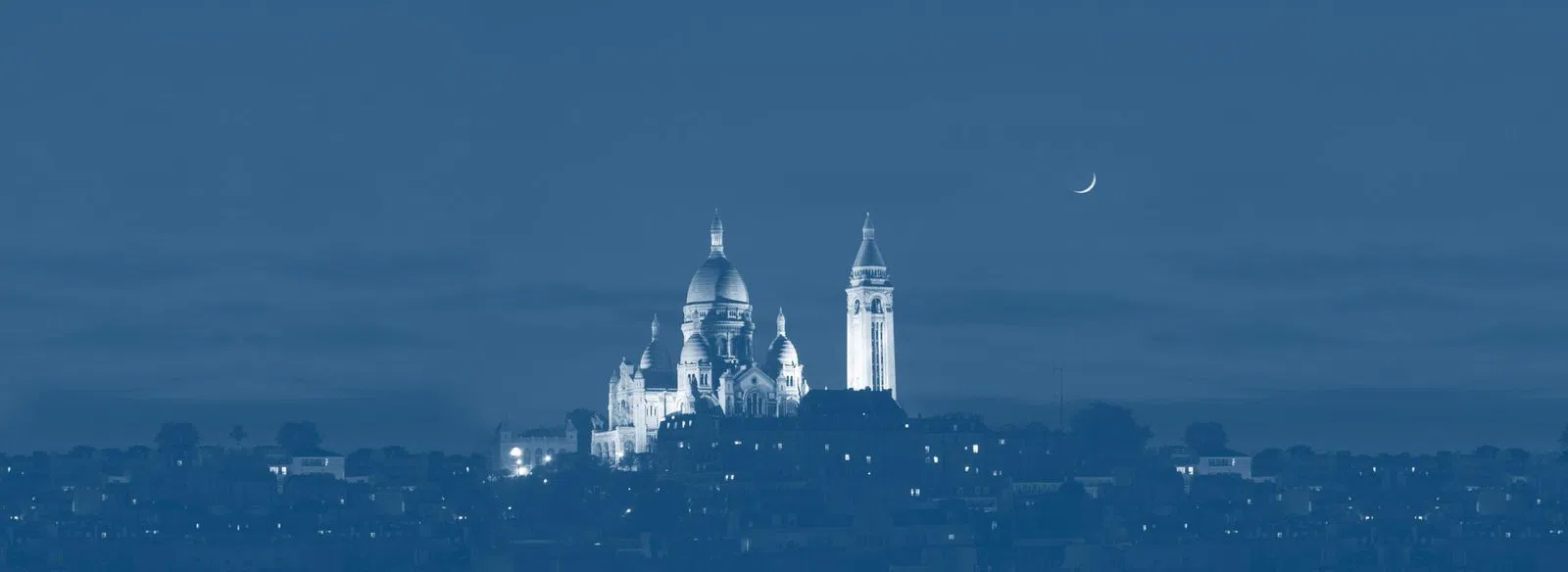
Basilique du Sacré-Cœur de Montmartre (Montmartre, 18th) sits high and far north of any of it, free to enter, open from 6am to 10.30pm and happy to take groups of any size. That late closing makes it the reliable evening move on the 25th and 26th, when the centre is still emptying. The dome is a different proposition: 280 steps, no lift, €8 adult and €5 child including the crypt, and realistically a small-group climb only.
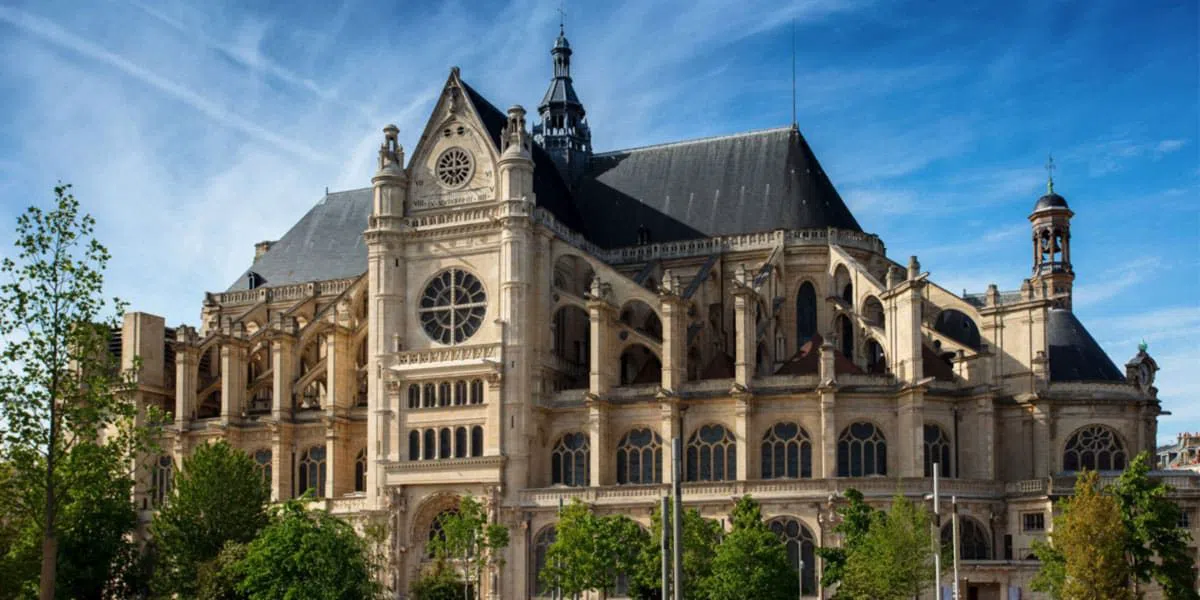
Église Saint-Eustache (Les Halles, 1st) is free, needs no booking, and swallows a coach party without noticing; the nave is vast enough to lose forty people in. France's biggest organ plays free every Sunday at 5.30pm, with free Thursday lunchtime recitals from September. Seating is unreserved, so arrive early if you are more than four. Sunday 27 September at 5.30pm is a good way to close the week.
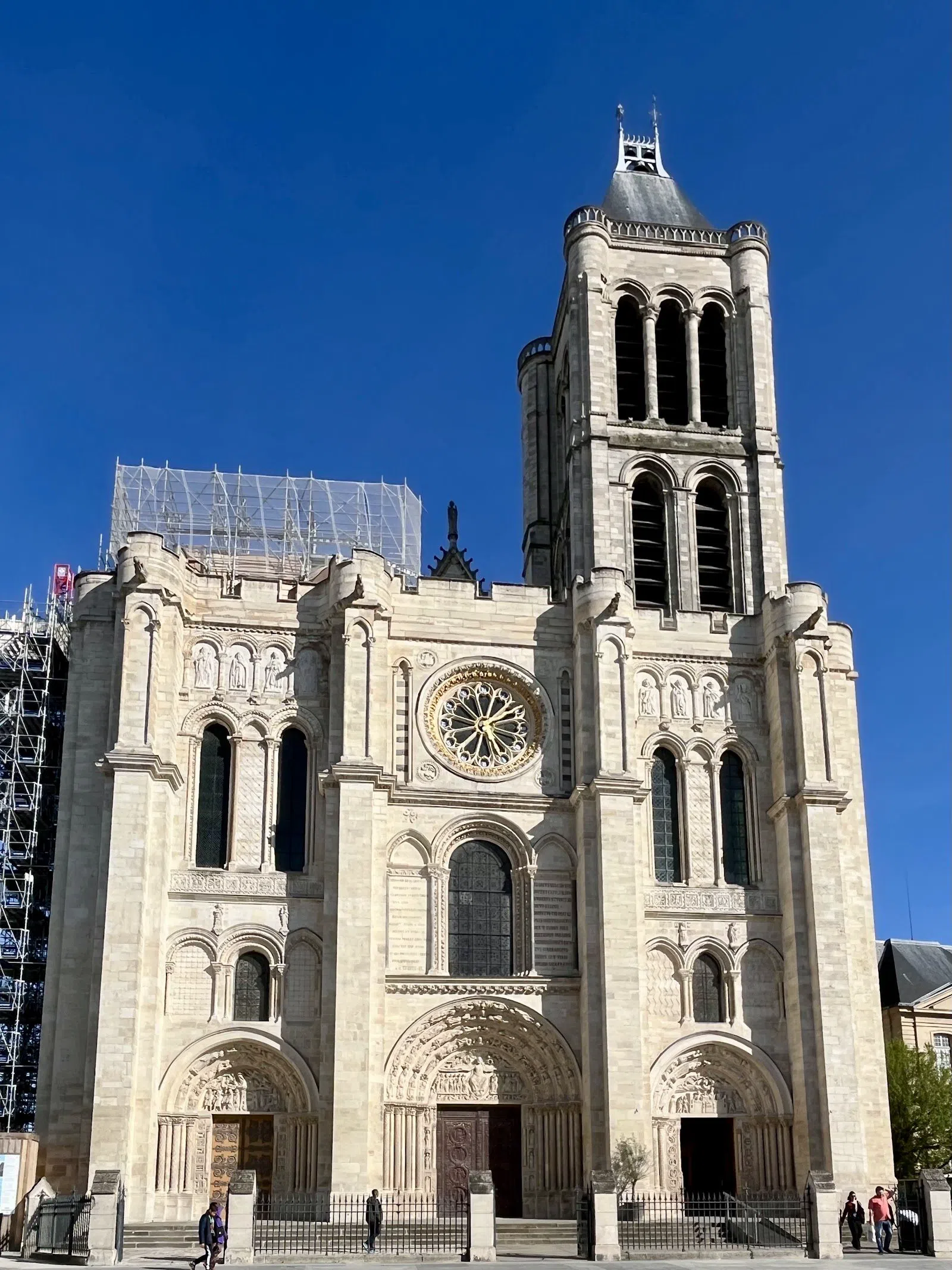
Basilique cathédrale de Saint-Denis is two stops beyond the Stade de France on line 13, and it is where Gothic architecture starts: Suger's choir of the 1140s, and beneath it the burials of 43 kings and 32 queens. Mondays it is €11 for the necropolis alone; Tuesday to Sunday you buy a combined ticket that adds the Fabrique de la Flèche, the working yard rebuilding the spire. Group bookings go through the CMN, and it is rarely crowded even in peak season. It pairs naturally with the vigil quarter on Friday 25 September, with the line 13 caveat above.
Three days that no road closure can touch
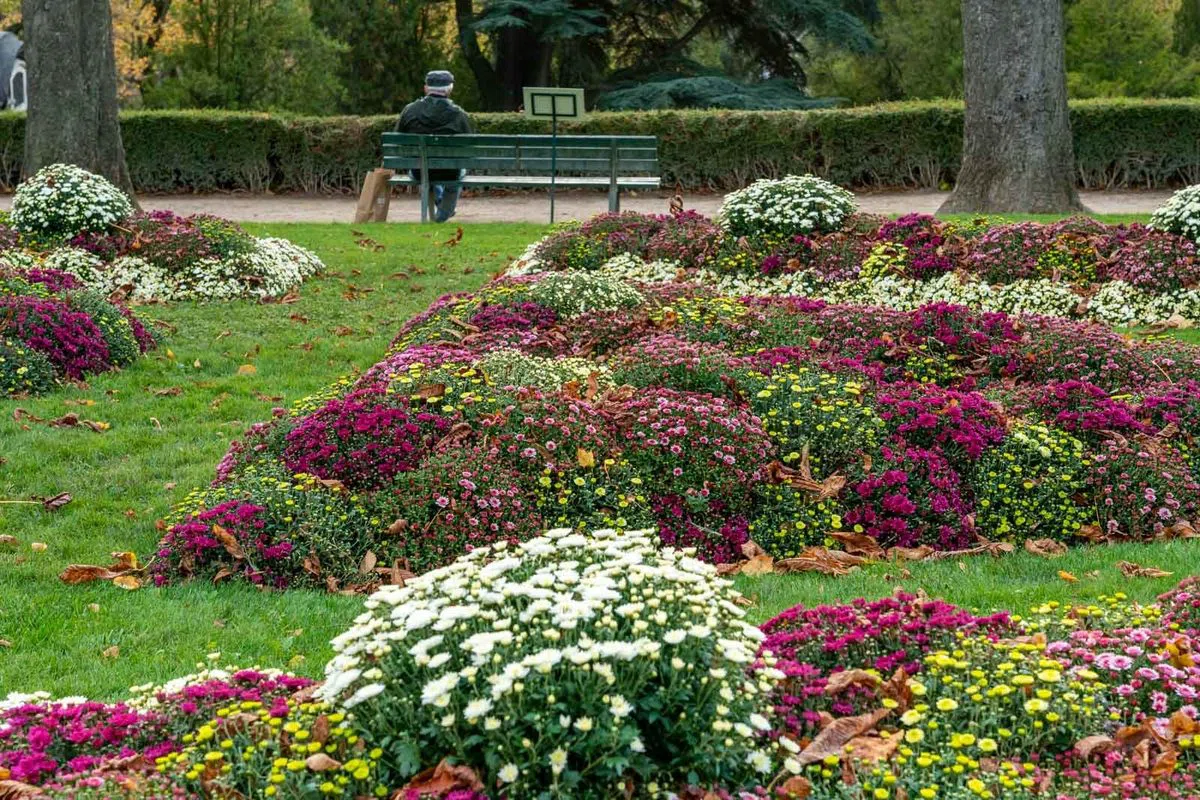
Cimetière du Père-Lachaise (20th) is free, open to everyone, and about as far east of Concorde as the city goes. It opened in 1804 on a hillside nobody wanted, and it now takes more visitors than any other cemetery on earth; a morning on its cobbled slopes costs nothing at all. Guided walking groups are entirely normal here, and the Maison du 20e team hands out free maps Tuesday to Friday.
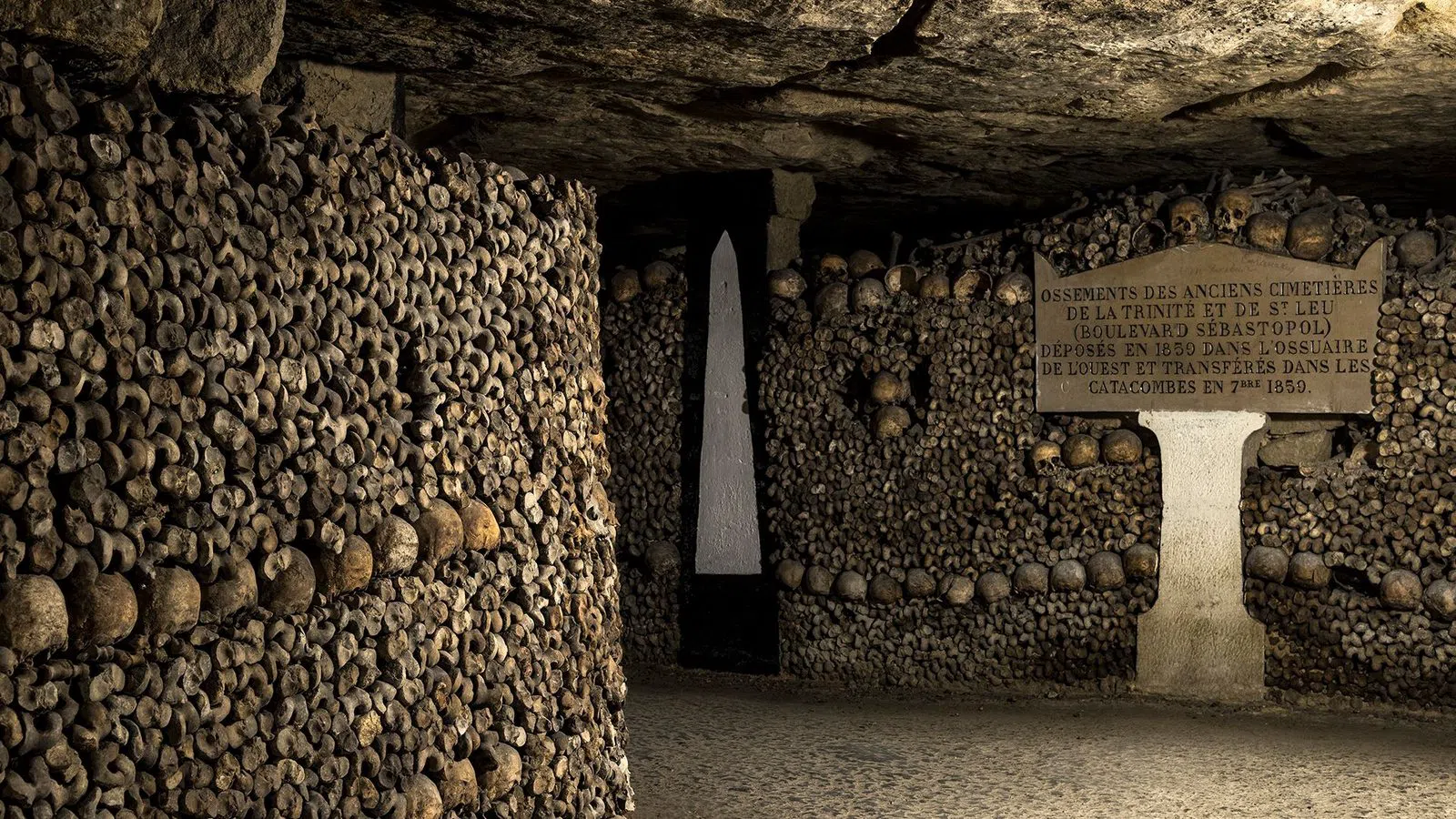
Catacombes de Paris (Denfert-Rochereau, 14th) reopened on 8 April 2026 after a five-month overhaul, with a redesigned route and an immersive audio guide. Tickets are €31 adult including the guide, €25 reduced, €15 for children aged 8 to 17. There is a hard cap of roughly 200 people underground at once, so large groups are split across slots, and timed tickets release online seven days ahead at 10am Paris time, which means a diary entry rather than a browse when you get round to it. It holds 14°C year-round, so take a layer even in a warm September. Closed Mondays.
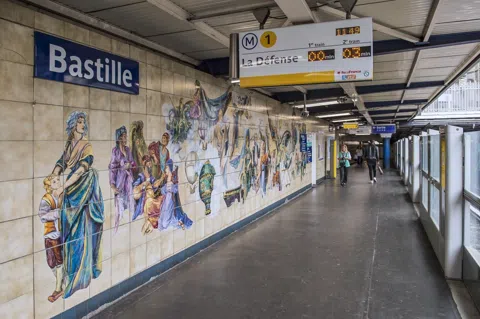
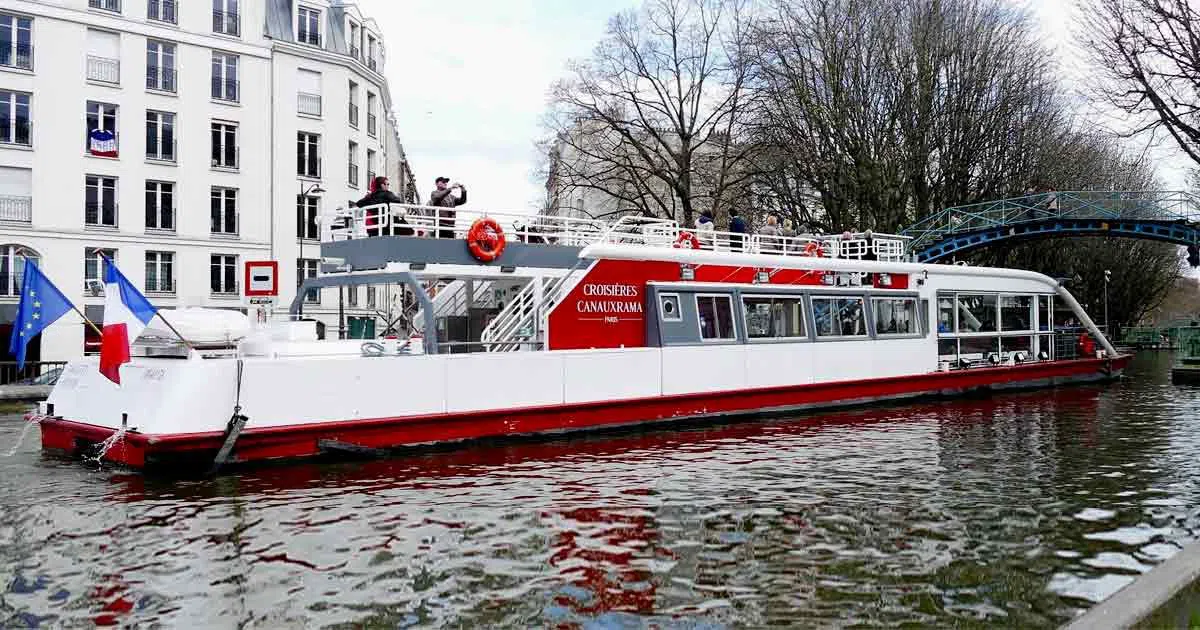
Canauxrama (Bastille to La Villette) works whatever the streets are doing, because the canal route is not affected by closures. The 1h15 cruise starts at €20 and the 2h30 Bastille to La Villette run is €23, the longer one taking in the vaulted tunnel beneath Bastille that most visitors never see from the inside. Parties of 30 or more get preferential rates and whole-boat charter is available, one of the few outings in Paris that gets easier as the group gets bigger.
Saturday out at Versailles
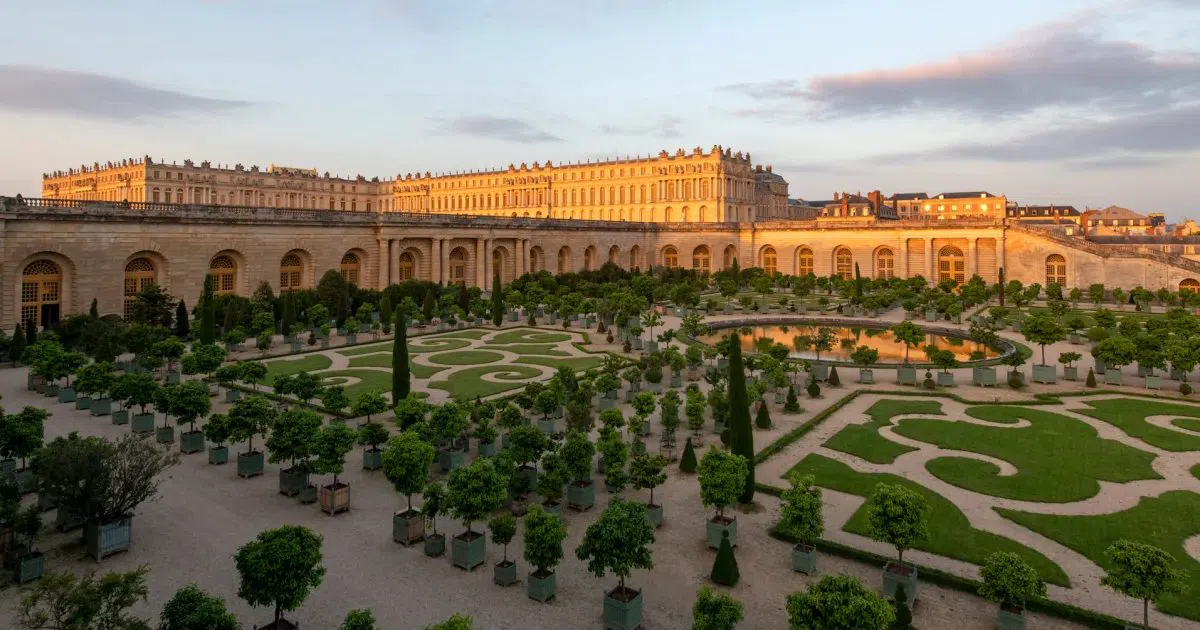
If your group is large or your patience is short, spend Saturday 26 September off the map entirely. Château de Versailles runs a full group booking service, and the Passport ticket carries a fixed Palace time slot, which is the only dependable way to hold a party together on a busy Saturday. The Grandes Eaux Musicales play in the gardens at weekends on a separate supplement. One caveat: the Saturday-night Grandes Eaux Nocturnes season ends on 19 September, so the fireworks-and-fountains evening will not be running that weekend. Go for the gardens in daylight and take the earliest train back you can bear.
A shape for the week
Tuesday 22: Notre-Dame on a slot booked Sunday, Sainte-Chapelle at 9am, Cluny after lunch. Not the Louvre; it is closed.
Wednesday 23: Orangerie at 9am while Concorde is still an ordinary square, then the Louvre through the Carrousel door.
Thursday 24: cathedral shut. Marmottan for the opening day of the new show, then Orsay's late Thursday until 9.45pm.
Friday 25: the Marais, Picasso first, then Carnavalet five minutes away. Saint-Denis late afternoon if you want the vigil quarter, watching line 13; otherwise Sacré-Cœur after dark.
Saturday 26: Versailles, or stay east with Père-Lachaise in the morning and the canal boat in the afternoon. Nothing near Concorde.
Sunday 27: the cathedral reopens; book the free slot on Friday morning. Saint-Eustache organ at 5.30pm to finish.
Practical notes
Buy a Navigo Easy card at any staffed station and top it up in the app; it saves the paper-ticket fumble at every barrier. On Saturday 26 September, plan on the assumption that stations serving Concorde may be skipped or exit-only, and approach your destination from the far side rather than trying to cross the square. The canal boat and your own legs are the two forms of transport the closures cannot reach.
Cards and contactless work everywhere that matters, including museum doors and boat tickets. Carry €20 or €30 in small notes anyway, for church candles, the flower stall at the cemetery gate and market lunches.
Mondays close Orsay, Marmottan, Picasso, Carnavalet and the Catacombes; Tuesday closes the Louvre. Sainte-Chapelle and the Orangerie both reward the 9am opening more than any other slot. Notre-Dame slots at 48 hours and Catacombes tickets at seven days are the two alarms worth setting.
A genuinely free day exists here: Carnavalet, Père-Lachaise, Sacré-Cœur and Saint-Eustache come to nothing. A paid museum day runs €14 to €32 a head depending on residency and venue; the Catacombes at €31 and the Versailles Passport with its fountains supplement are the two costliest single outings of the week.
Stay in the 5th, 6th, the Marais or the 9th and you can walk to most of the above and are never dependent on a line that might be diverted; start with the Paris hotel search, and book earlier than you normally would for a late-September weekend with an event this size in town. The rest of the city (the districts, the markets, the days either side) is in the Paris guide.
Before you go
Is Notre-Dame open during the papal visit?
No. Cathédrale Notre-Dame de Paris is closed to visitors from Thursday 24 to Saturday 26 September 2026 for the papal vespers. Entry is free the rest of the time, but the free timed slots on the official site and app only open 48 hours ahead, so book for the 22nd or 23rd, or from the 27th onward. Groups of ten or more cannot book those slots directly; a licensed guide holds the reserved entry.
Which parts of Paris should I avoid on Saturday 26 September 2026?
Place de la Concorde and everything feeding it: the bottom of the Champs-Élysées, the western end of rue de Rivoli, and the Tuileries' Concorde corner. The open-air Mass is staged there, so treat that whole edge as unusable from early morning. Musée de l'Orangerie sits inside that footprint, so visit it on the 23rd or 24th instead.
What can I see instead of Notre-Dame while it is shut?
Sainte-Chapelle is two hundred metres away on the same island and covers the same century, at €22 (or €25 with the Conciergerie). Musée de Cluny, five minutes across the Petit Pont, holds Notre-Dame's own medieval sculpture including the Gallery of Kings heads, costs €14 and needs no reservation. For the origins of French Gothic, Basilique cathédrale de Saint-Denis is two stops past the Stade de France on line 13.
Is the Louvre closed for the papal visit?
There is no papal closure of the Louvre, but it is closed every Tuesday regardless, so it cannot be your Tuesday 22 September plan. Book a timed slot, enter via the underground Carrousel du Louvre door rather than the pyramid if you are in a group, and budget €22 for EEA residents or €32 for everyone else. The Galerie d'Apollon reopened on 22 July 2026 but is empty of its jewels.
Can I still do a day trip out of the city that weekend?
Yes, and Saturday 26 September is the day to do it. Château de Versailles takes full group bookings and the Passport ticket carries a fixed Palace time slot, which keeps a party together on a busy Saturday; the Grandes Eaux Musicales run in the gardens at weekends on a supplement. The Saturday-night Grandes Eaux Nocturnes season ends on 19 September, so that evening show will not be on.