Paris neighbourhood guide
Le Marais, Paris: A Neighbourhood Feature on the 3rd and 4th Arrondissements
Inside the medieval lanes Haussmann never touched, where a falafel queue on rue des Rosiers and a Picasso collection in a 1650s mansion sit three streets apart.
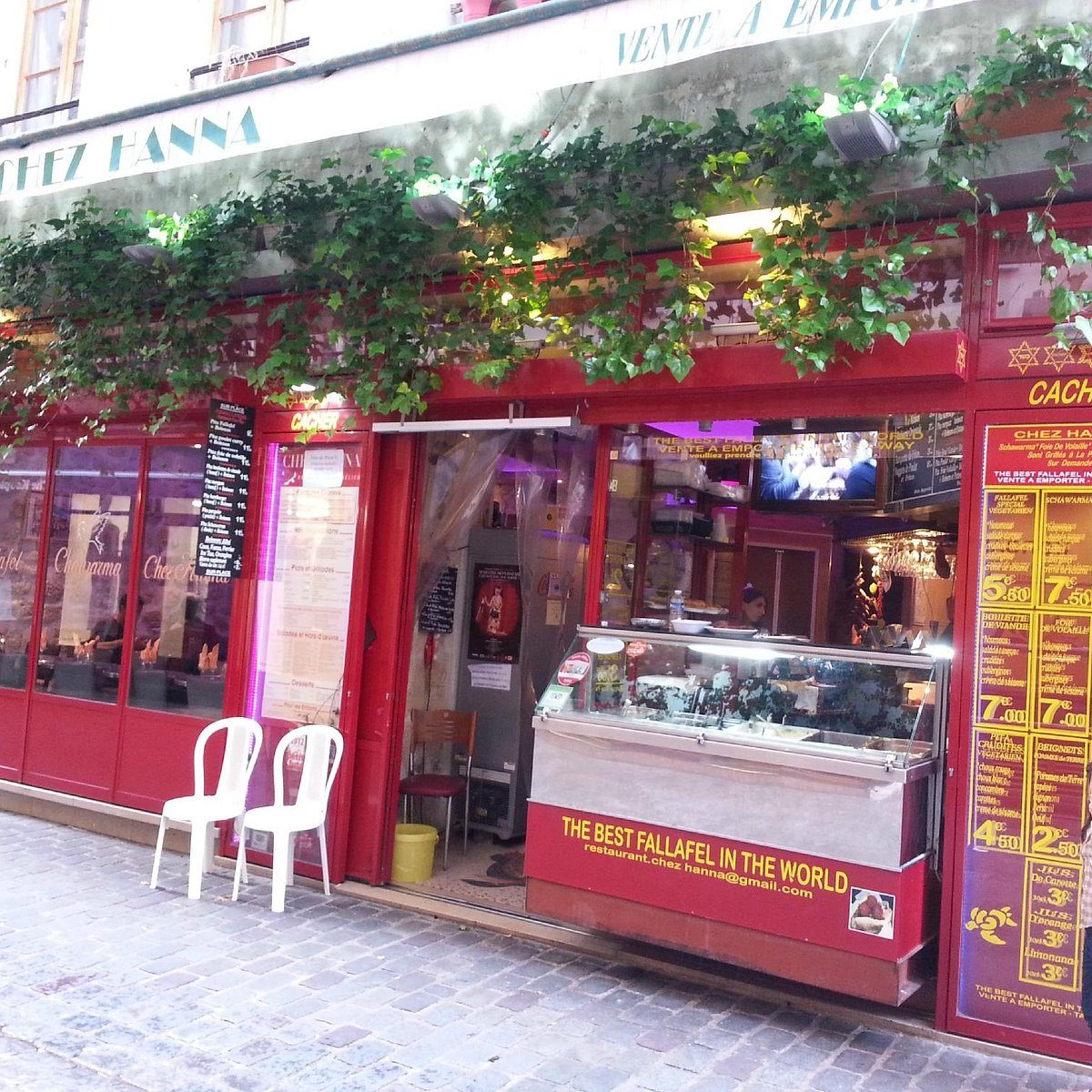
By noon on a Tuesday, the queue outside a falafel counter on rue des Rosiers can run twenty deep — tourists and regulars shoulder to shoulder for a pita stuffed with fried eggplant and tahini. That queue is a clue. This half-square-mile straddling the 3rd and 4th arrondissements is the part of central Paris that Baron Haussmann's 19th-century demolitions somehow skipped, and the wide boulevards and cream-stone facades most visitors picture when they picture Paris simply stop at its edges. Inside them, the streets are barely wide enough for a delivery van, the mansions are 17th-century hôtels particuliers repurposed as museums, and Place des Vosges sits exactly where Henri IV commissioned it in 1605 — still the oldest planned square in the city.
What Le Marais is known for
The name means "marsh," a nod to the drained wetland that sat outside the old city walls long before anyone built here. What survived on that reclaimed ground is a district that reads as medieval and Renaissance Paris rather than the grand, symmetrical city Haussmann built everywhere else. Cobbled lanes twist at odd angles because they were never redesigned for carriages, let alone cars. Aristocratic townhouses that once housed dukes now hold a Picasso collection or a city history museum behind the same 17th-century stone gates. And the shopfronts along those lanes flip, block by block, between a Jewish quarter that's fed the neighbourhood since before the war and a newer wave of concept boutiques and wine bars.
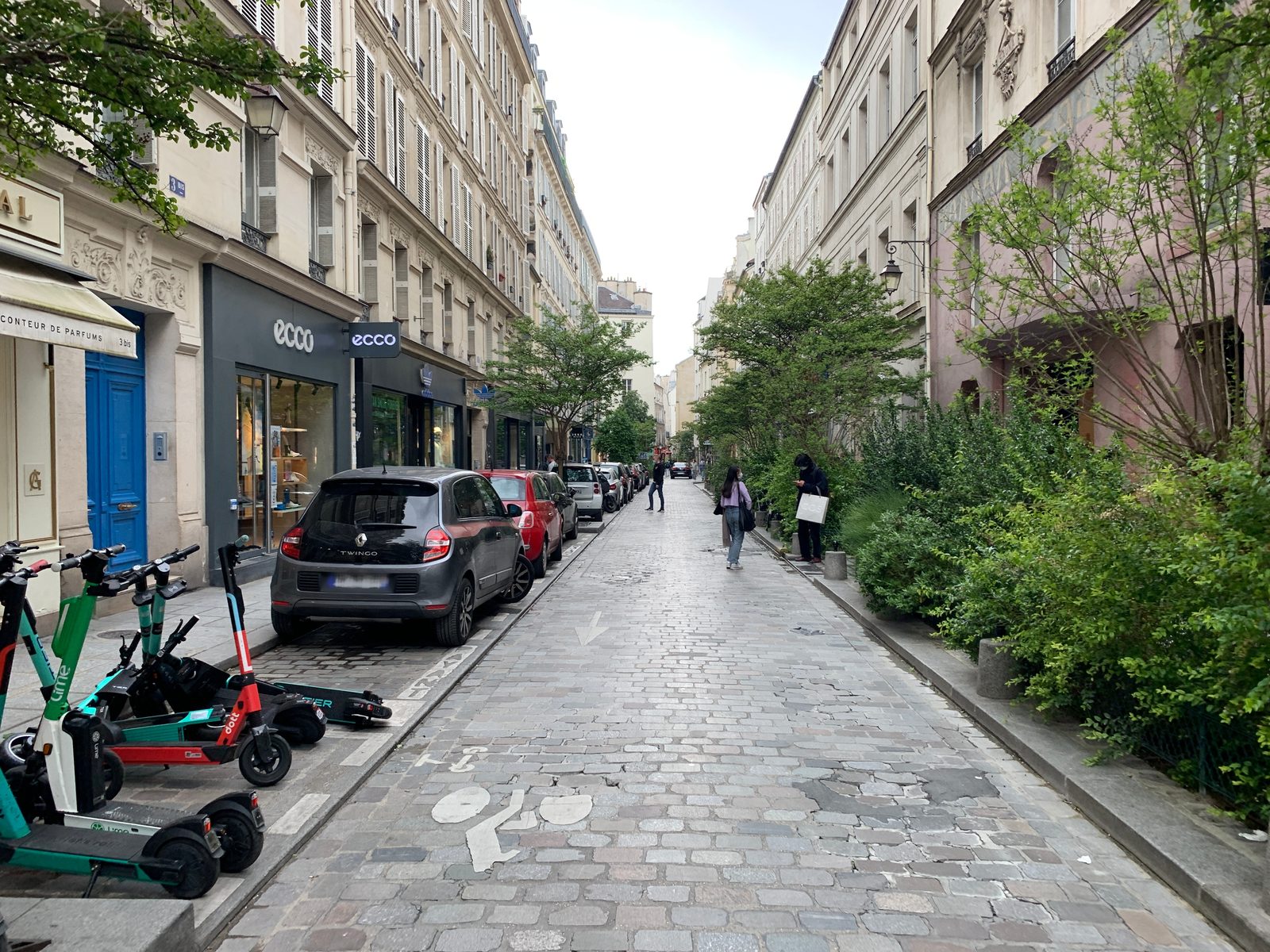
That density is the whole appeal and the whole catch. It's why the Marais rewards walking more than almost any other Paris district — you can cover Place des Vosges, the Musée Picasso and a proper lunch without touching the metro — and why weekend nights get loud fast, since narrow streets amplify crowd noise straight up into the hotel windows above them. It isn't a neighbourhood for drivers, either: the streets are cobbled, mostly one-way, largely pedestrian-priority, and parking is close to nonexistent.
Where to eat and drink
Rue des Rosiers is falafel central, and L'As du Fallafel at no. 34 is the reason the street has a reputation — a pita stuffed with crisp falafel, fried eggplant, cabbage and tahini, for something in the €8-10 range, dispensed to a line that rarely shrinks. It's closed Saturdays for Shabbat, a detail worth building your day around rather than discovering on the sidewalk.
A few streets over, near Place des Vosges, Chez Janou trades falafel-counter speed for a full Provençal bistro sit-down — mussels, and a bowl of chocolate mousse that the kitchen will simply refill if you ask, part of the €40-60 range a proper Marais dinner tends to run. It's the kind of place that makes the neighbourhood's budget_feel make sense: you can eat for under ten euros or eat for fifty, often on the same street.
On rue Vieille du Temple, Breizh Café has been folding buckwheat galettes and crepes finished with Bordier butter since 2010, a Brittany import that's become as much a neighbourhood fixture as anything French-Parisian on the same street. And tucked behind a nondescript gate is the Marché des Enfants Rouges, Paris's oldest covered market, trading since 1615 — still the best grazing lunch in the district, eaten standing under the same arcades that have sheltered stalls for four centuries. For an evening that starts with food and drifts into drink, Le Mary Celeste anchors the Haut Marais bar scene from its corner spot, a natural-wine list and a raw bar that gets going as the market stalls are packing up.
Nightlife
The Marais's after-dark identity splits two ways: serious cocktail bars, and one of Paris's most established gay villages, both packed into the same few blocks. Little Red Door, on rue Charlot, has been a World's 50 Best Bars regular for its concept cocktails built around a rotating theme; it briefly went dark in 2024 after a shareholder split, then reopened that July under new ownership without losing its place on the circuit.
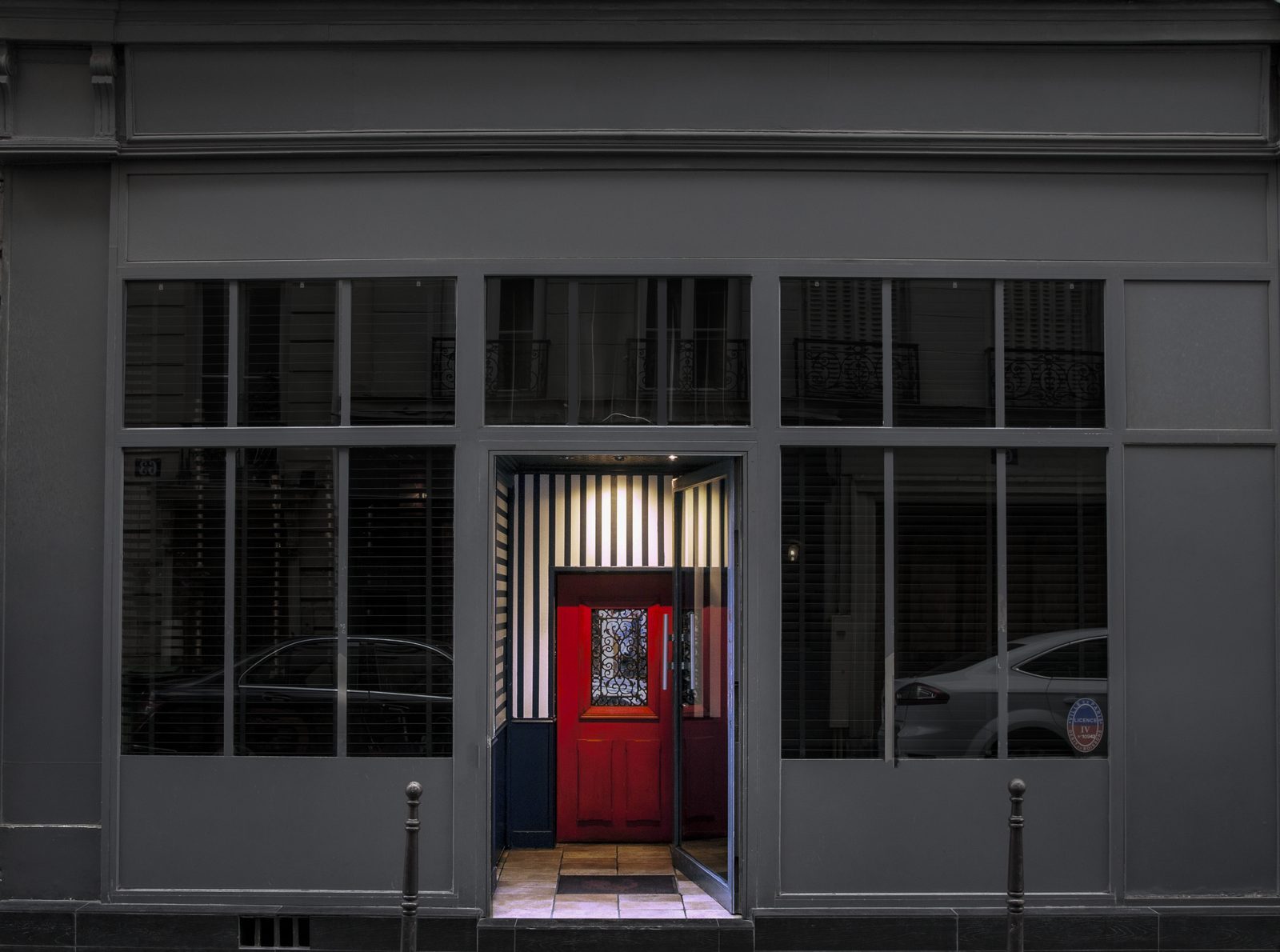
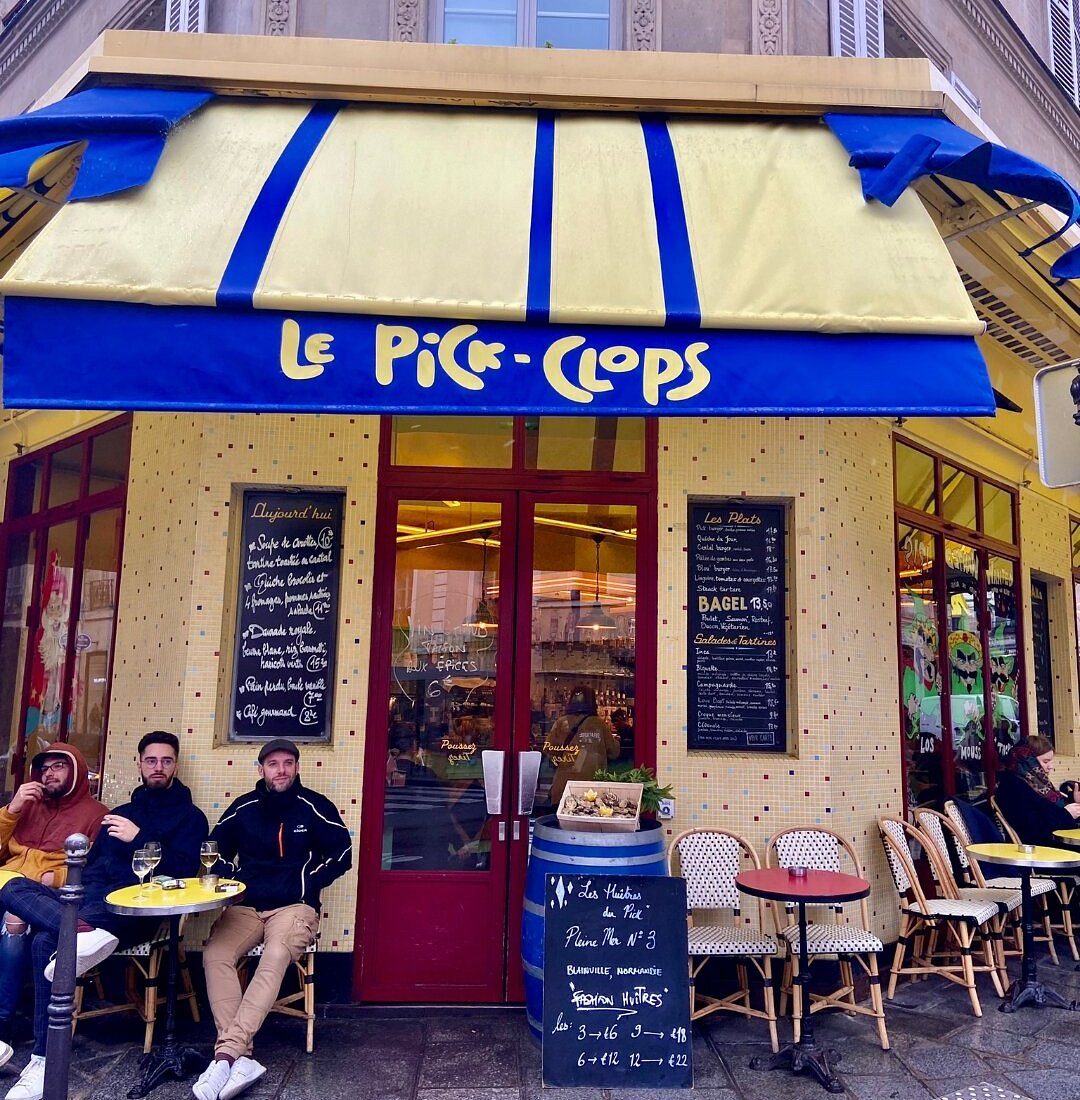
For something with less ceremony, Le Pick-Clops on rue Vieille du Temple has been running its retro 1950s-diner look for long enough that it's stopped being a novelty and become a genuine locals' terrace — order a coffee or a glass of wine and watch the street do its thing.
The gay village radiates out from around rue Vieille du Temple and rue des Archives, a visible, established scene rather than the scattered handful of venues found in most cities, which is part of why LGBTQ+ travellers tend to gravitate here over other Paris districts.
Things to do
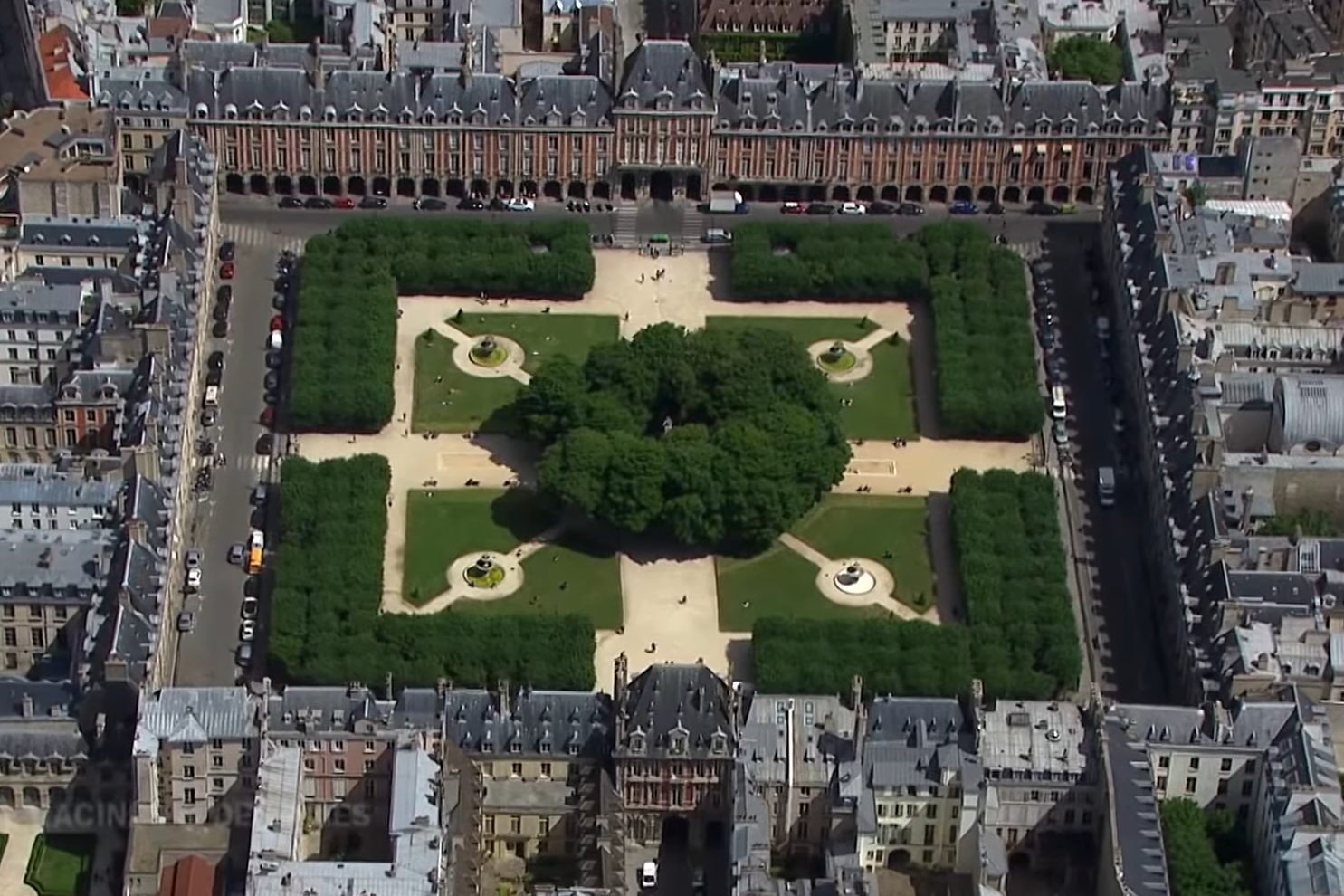
Start where the district itself started: Place des Vosges, Henri IV's 1605 square and the oldest planned square in Paris, its arcades still framing a garden of clipped lindens where locals nap on lunch breaks.
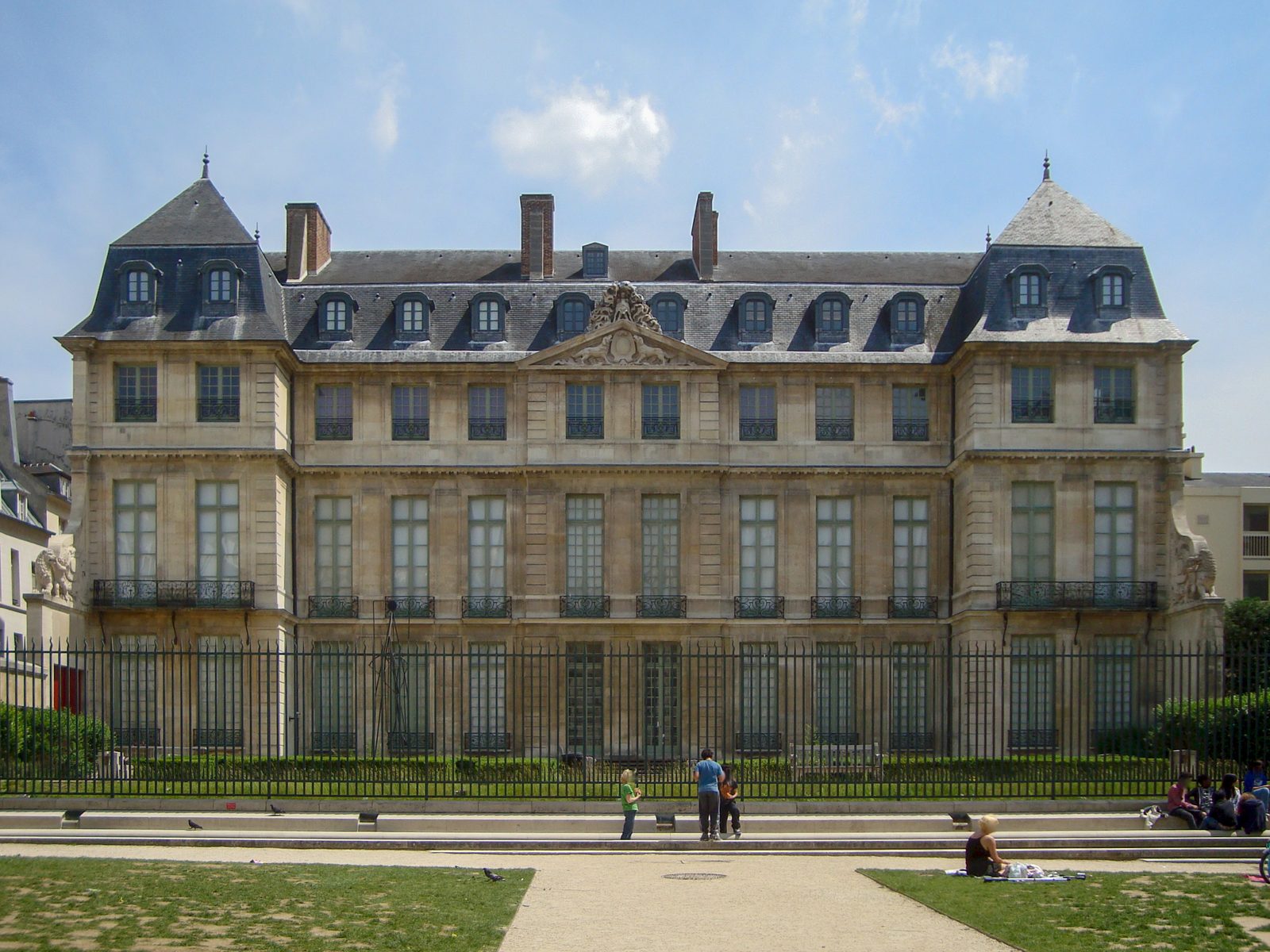
At no. 6, the Maison de Victor Hugo marks the corner apartment where the writer lived for sixteen years; the permanent collection is normally included in a standard ticket, though a separate thematic exhibition sometimes carries its own charge. A short walk north, the Musée Picasso holds the largest Picasso collection anywhere, housed inside the Hôtel Salé, a mid-1650s mansion that's arguably as much the draw as the paintings.
For the district's own history, the Musée Carnavalet spreads a free permanent collection across two connected hôtels particuliers, tracing Paris from its founding to the present — one of the better free museums in the entire city. And in the streets that were the heart of the pre-war Jewish quarter, the Mémorial de la Shoah offers free entry to its Holocaust museum and documentation centre, a sober counterweight to the boutiques and bars a block away.
Don’t miss in Le Marais (3rd/4th Arrondissement)
The perfectly symmetrical arcades of Place des Vosges.
The historic Jewish bakeries along Rue des Rosiers.
The contemporary art collections at the Musée Picasso.
Shopping
Rue des Francs-Bourgeois is the district's shopping spine, and unusually for Paris, most of its stores trade on Sundays under a legal exemption most other neighbourhoods don't get — which makes it one of the few genuinely busy shopping streets in the city on a day when everything else is shuttered. Expect a mix of established French labels and smaller concept boutiques, with Chanel anchoring one end of the street as the best-known name among them.
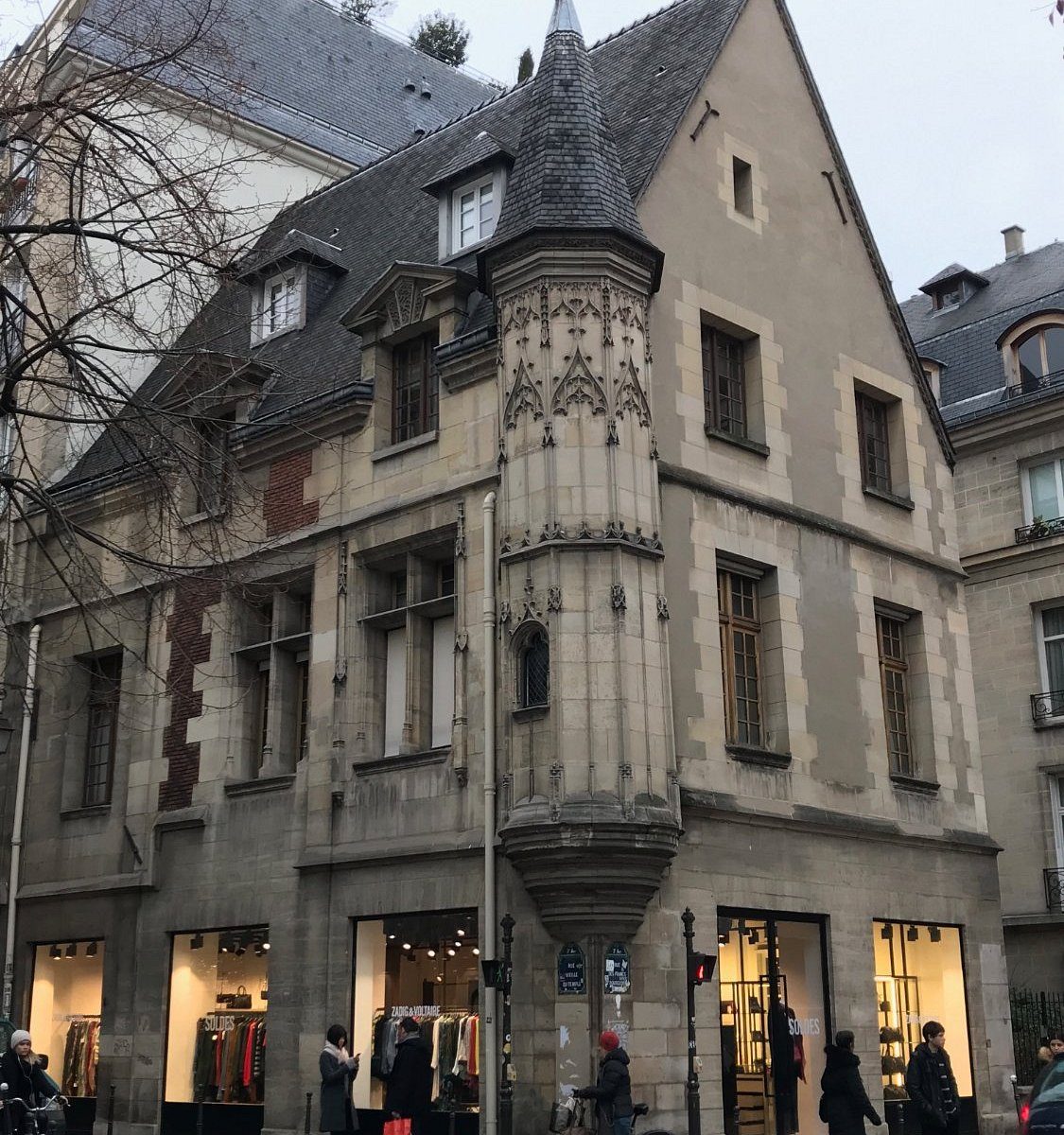
A block over, rue Vieille du Temple skews younger and more independent — the kind of street where a vintage rack sits next to a natural-wine shop next to a gallery, which tracks with the district's habit of switching character every few doors.
Where to stay in Le Marais (3rd/4th Arrondissement)
The streets around rue Vieille du Temple and Place des Vosges put you closest to the restaurants, the museums and the evening bar crawl — the trade-off being that you're also closest to the weekend noise those same streets generate, since it carries straight up into hotel windows on narrow lanes. That combination suits a short stay built around walking everywhere more than it suits anyone chasing a quiet night. Further north, the Haut Marais offers a slightly calmer base without moving far from any of it. None of this is a budget play: room rates here run above the Paris average given the demand and the small, historic room sizes that come with converting centuries-old buildings, so this isn't the district for travellers chasing the cheapest rate in the city.
Where to stay here
Hotels in Le Marais (3rd/4th Arrondissement)
Our best-rated stays in this neighbourhood. Prices are approximate “from” rates — confirmed at the provider when you continue. We may earn a commission if you book through our partners — at no extra cost to you.
 In this area
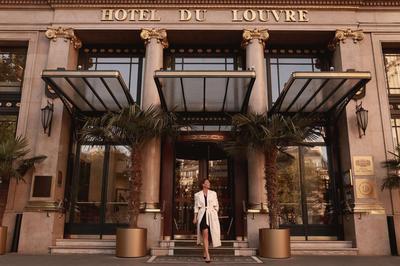
Hôtel du Louvre, in The Unbound Collection by Hyatt
 In this area
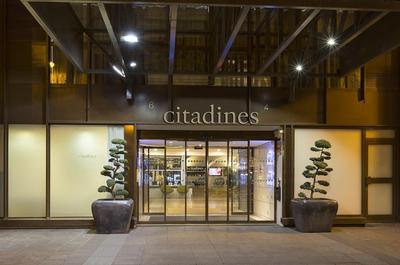
Citadines Les Halles Paris
 In this area
 In this area
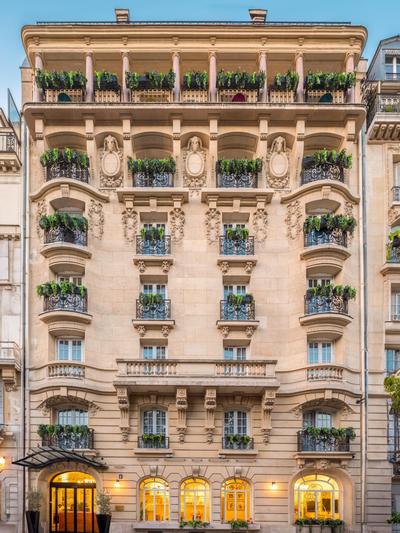
Solly Hôtel Paris
 In this area
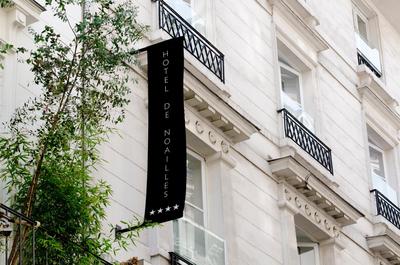
Golden Tulip Opera de Noailles
 In this area
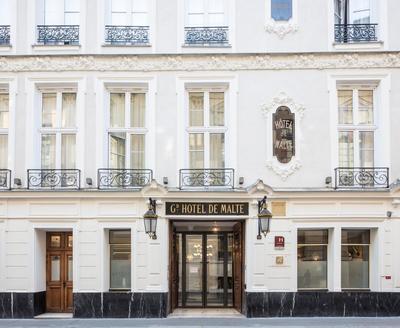
Hotel Malte - Astotel
 In this area
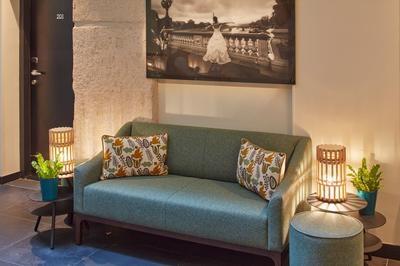
Hotel Atmospheres
 In this area
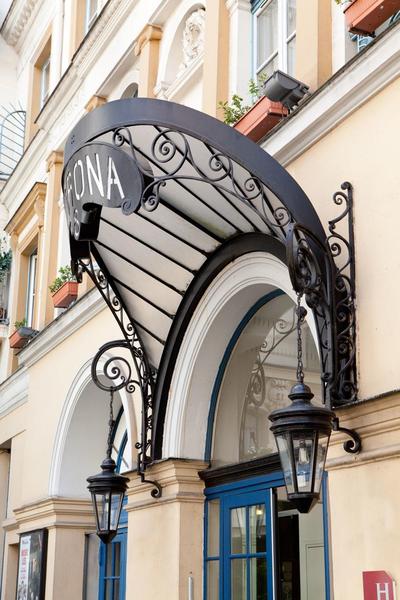
Leonardo Boutique Hotel Paris Opera
 In this area
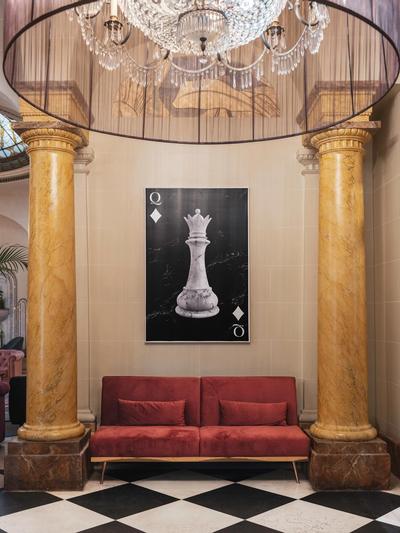
M Social Hotel Paris
 In this area
Crowne Plaza Paris - Republique by IHG
 In this area
Hotel Lorette - Astotel
 In this area
La Maison Favart
Getting around
Saint-Paul, on line 1, is the most useful stop for the lower Marais and sits a one-minute walk from Hôtel de Ville station, also on line 1, which runs straight along the Seine to Châtelet and the Louvre — meaning two of the district's busiest connections are essentially the same walk. Line 11 clips the northern edge at Rambuteau and Arts et Métiers, handy for the Haut Marais end of things. From Charles de Gaulle, the RER B to Châtelet-Les Halles followed by a short metro ride to Saint-Paul or Hôtel de Ville takes roughly 45-60 minutes total, similar to a taxi depending on traffic. Once you're here, though, the point is to stop taking transit at all: this is one of the few central Paris districts where the Louvre, Notre-Dame and Centre Pompidou are all genuinely walkable rather than a metro ride away, and the safety profile backs that up — heavy police and tourist presence around Place des Vosges and rue des Rosiers make it one of the more comfortable central districts to wander after dark, standard pickpocket caution aside.
Good to know
Le Marais (3rd/4th Arrondissement) — your questions
Is Le Marais a good area to stay in Paris?
Yes, especially for a first visit or a short trip — it's centrally located, walkable to Notre-Dame, the Louvre and the Seine, and dense with restaurants, museums and bars. The trade-offs are noise on weekend nights in the busiest streets and prices toward the higher end of central Paris.
Is Le Marais expensive?
It's one of the pricier central districts for hotels given the demand and small historic room sizes, but eating doesn't have to be — a falafel pita on rue des Rosiers costs a fraction of a sit-down bistro dinner, and the covered market and casual crêperies keep food budgets flexible.
Do shops in Le Marais really open on Sundays?
Yes — this is one of the few Paris districts with a legal exemption letting most shops trade on Sundays, so rue des Francs-Bourgeois and the surrounding streets are busy shopping destinations even when the rest of the city is shuttered.
How far is Le Marais from the Eiffel Tower?
Around 5-6km, roughly 25-30 minutes by metro with one change, or about an hour on foot along the Seine. It's closer to Notre-Dame, the Louvre and Bastille than to the Eiffel Tower or Montmartre.
Gallery