The paint has long dried, but Montparnasse still smells faintly of plaster and turpentine if you know which doorways to try. Behind quiet street-level facades between boulevard Raspail and the edge of the 15th, a handful of studios survive almost exactly as their occupants left them: some now museums, some still somebody's actual workplace, all of them proof that the Left Bank's early-twentieth-century art scene never fully decamped to Montmartre's tidier, more photographed version of itself.
This is a walking story more than a checklist. The distances are short enough to cover on foot over a day or two, and grouping the sites by what kind of visit they actually are, rather than by fame, will save you from turning up at a locked door expecting a walk-in museum. For where to stay while you do it, and the rest of the city beyond Montparnasse, see the full Paris guide.
Museums built from the studios themselves
Three of the Left Bank's studio-museums keep the actual walls their sculptors worked against, and each suits a different kind of visit.
Institut Giacometti (rue Victor Schœlcher, 14th, near the Montparnasse cemetery) is the strictest and smallest of the three: this is a literal reconstruction of Giacometti's own studio, its plaster-flecked walls rebuilt here piece by piece, in a space that is genuinely tiny. Visits run in guided slots of roughly 15 people maximum, occasionally with two slots running concurrently, so book ahead rather than turning up. A coach group simply will not fit. Full entry is €8, reduced €3. It closes between exhibitions for changeover, so check the current dates before building a visit around it; there's little else on that particular stretch of street to fall back on if you find the door shut.

Musée Zadkine (rue d'Assas, on the quieter edge of the 6th toward Luxembourg) is the opposite kind of experience: free, unhurried, and genuinely welcoming to small groups with no reservation needed at all. This was Zadkine's actual home and studio, and it's one of the only Left Bank artist ateliers you can simply wander into during any opening hour. The garden and studio stay open throughout, and the sculpture garden alone, his bronze and stone figures set among trees hidden behind an unassuming street door, earns the detour even without much prior interest in Cubist sculpture. Entry is free; only temporary exhibitions occasionally carry a charge.

Musée Bourdelle (rue Antoine-Bourdelle, a short walk from Gare Montparnasse, 15th) is the one built for scale: large enough for tour groups and coaches, with group rates and guided visits bookable in advance. This is the best-preserved sculptor's atelier complex on the Rive Gauche: Bourdelle's original glass-roofed studios still stand behind the museum's later modern extension, so you walk from concrete and steel straight into the exact light he worked in. The permanent collection is free; temporary exhibitions run roughly €9-11.

Villa Seurat's two sculptors kept as they left them
Tucked off rue de la Tombe-Issoire in the 14th, Villa Seurat is a short cobbled dead-end of 1920s artist housing that most visitors to Montparnasse never find, and it holds two studio-museums worth pairing on the same afternoon.
Maison-atelier Jean Lurçat (Villa Seurat, 14th) is one of only two Villa Seurat ateliers open to the public, and it runs on a genuinely theatrical system: guided visits only, Friday and Saturday, a maximum of 12 people per 45-minute slot, and you collect your ticket from a bookshop up the street before you're let in: proper Left Bank ceremony rather than a walk-up museum. Book ahead; the slots are small and the open days limited. Full entry is €15, reduced €10.
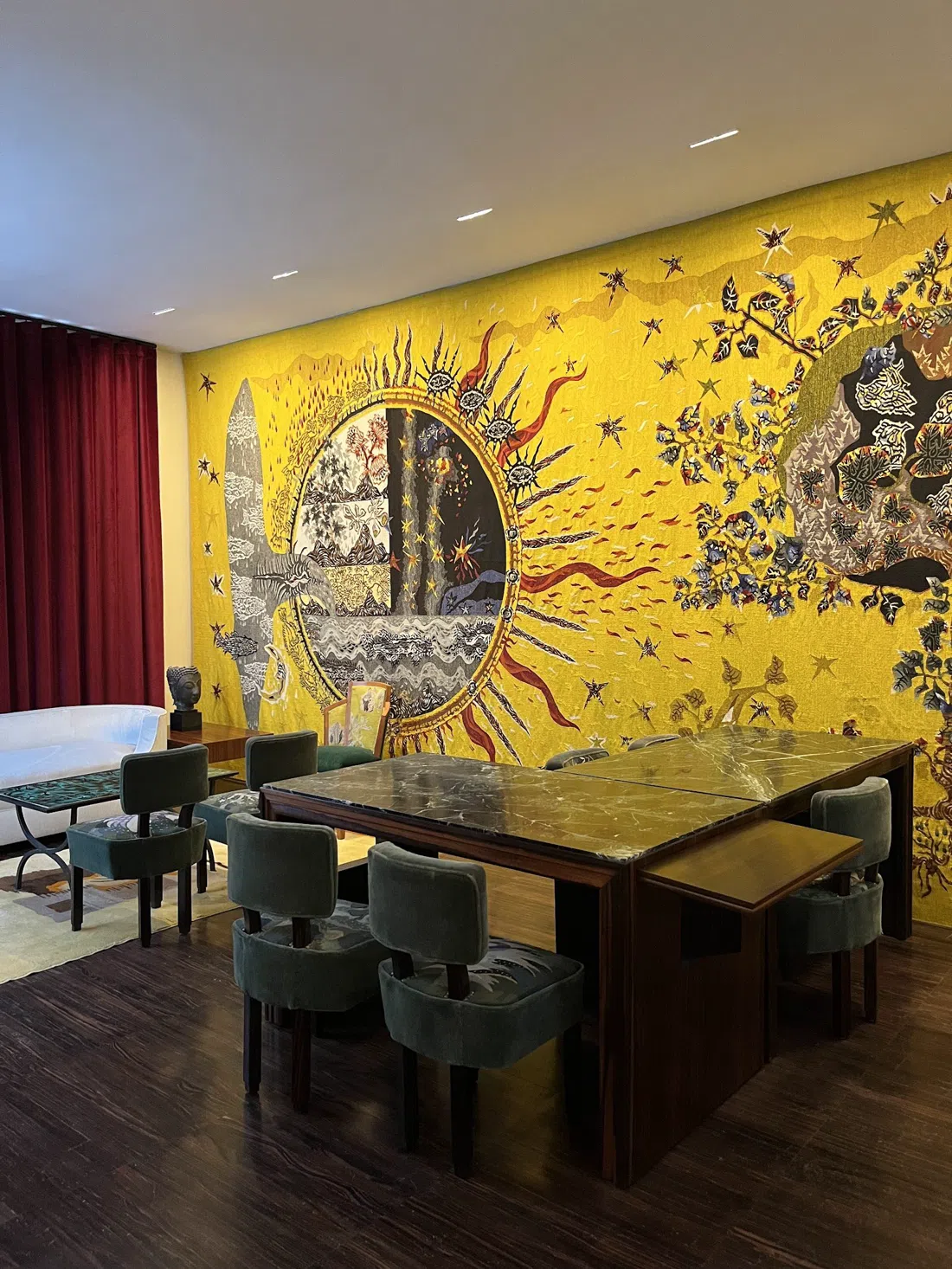
Next door, Ateliers-musée Chana Orloff (Villa Seurat, 14th) is the quieter, less-visited half of the pair: weekends only, by reservation, with guided tours running 45 minutes to an hour and small groups welcome. The studio is essentially untouched since Orloff worked here, which is much of its appeal: no polish, no reconstruction, just the room as she left it. Expect to pay around €10, though it's worth checking the current rate before booking. Do both in one visit if you can; the two studios talk to each other in a way that neither quite manages alone.

Where the ateliers are still in use
Not everything on this walk is a museum. Two sites are still, in one form or another, actual working artist spaces, and the etiquette is correspondingly different from anywhere with a ticket desk.
Atelier 11, Cité Falguière (15th, off rue Falguière), run by the resident association L'AiR Arts, is the real shared studio where Modigliani and Soutine once worked, and it's still a working artist residence today, not a museum piece. Entry is free, but it's by appointment via email only; the residents host small groups happily, but you're a guest in someone's workplace rather than a visitor to an institution, so build in the lead time an email exchange needs and don't expect same-day access.
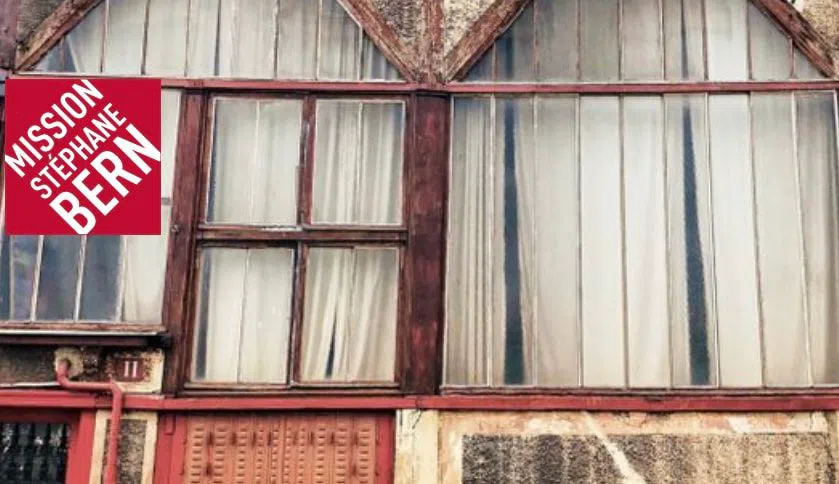
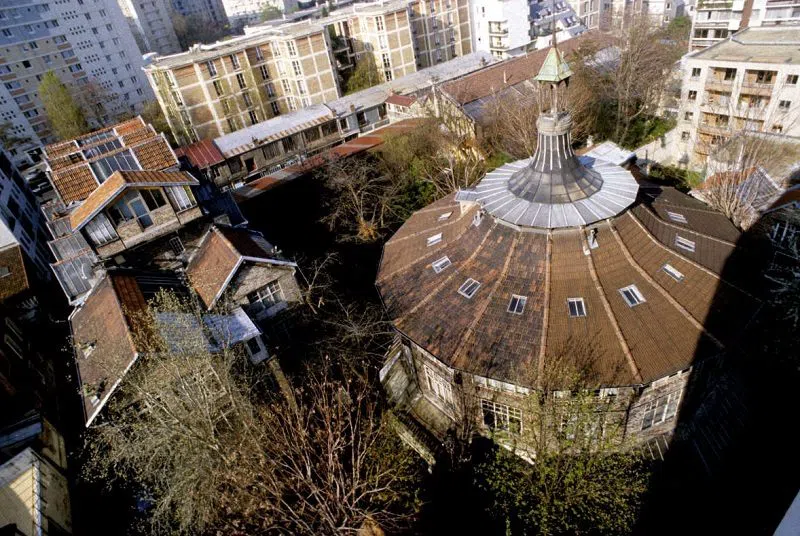
La Ruche (passage de Dantzig, 15th) is the more famous name: the original Montparnasse "beehive" where Chagall, Léger, Soutine and Zadkine all had ateliers, and which still houses roughly 50 working artists today. For most of the year that means you see it from the outside only: the gate and the distinctive circular rotunda building are visible year-round from passage de Dantzig, and that pavement view is worth the short detour on its own. The interior opens properly for Heritage Days (Journées du Patrimoine, next running 19-20 September 2026), plus occasional open days through the year, so if you want to get past the gate, plan the trip around that weekend rather than hoping for a lucky day. Entry is free.
Where they trained before any of it was famous
None of the above would exist without somewhere the artists actually learned to draw, and that somewhere is Académie de la Grande Chaumière, on rue de la Grande Chaumière in the 6th. Modigliani, Foujita and Giacometti all trained here, and unlike everything else on this list, it isn't a preserved shell: it's a working life-drawing school, and its drop-in sessions welcome solo visitors and small groups alike for around €16-20 a session, with easel and paper usually included and no long-term enrolment required.
Treat the address itself as provisional, though. The school was evicted from its historic 1904 building in 2025 and is currently running out of temporary Left Bank premises while it hunts for a permanent home. Confirm the current location before you go: this is the one entry on this list where the facts on the ground are still moving in 2026, and the romance of walking where Giacometti once drew is undercut somewhat by turning up at a shuttered building that moved on without telling you.
A facade worth five minutes on the way past
Not every stop needs a ticket. The Rue Campagne-Première artists' studios building (14th, just off boulevard Raspail) is a pavement-only visit: the studios behind its ceramic facade are private residences, so there's no door to knock on and no group-size limit because nobody's letting you in either way. Man Ray, Soutine, Dora Maar and Kertész all worked behind that same tiled front, and it remains one of the best five-minute photo stops on the entire Left Bank: stand across the street, look up at the studio windows under the roofline, and you're looking at more concentrated twentieth-century photographic history than most museums manage in a whole wing. It costs nothing and takes less time than the walk to the next stop.

Who each stop actually suits
If you're travelling as a couple after quiet and unhurried rooms, prioritise Musée Zadkine, Ateliers-musée Chana Orloff and the Rue Campagne-Première facade: none of them will ever feel crowded, and Zadkine's garden in particular rewards lingering rather than ticking off. If you're organising a larger group or a coach tour, Musée Bourdelle is the only one of the nine built to take you comfortably; Institut Giacometti and both Villa Seurat museums cap out at 12-15 people specifically because they were never meant to hold more, so don't book a big group into any of them expecting flexibility on the day. Atelier 11 sits in its own category entirely: it isn't really a museum at all, so treat a visit there as a favour from the artists who still work in Cité Falguière rather than a ticketed attraction, and keep any group small out of basic courtesy.
Before you go
Getting around. Everything here sits within Montparnasse and the northern edge of the 14th and 15th arrondissements, close enough to link on foot if you're reasonably fit, or by a couple of short Métro hops: lines 4, 6 and 13 all cross the area, with Denfert-Rochereau, Vavin, Falguière and Pernety the useful stops. A full day covering the three main museums, Villa Seurat and La Ruche's exterior is a realistic single-day walk; a life-drawing session or a visit timed around Heritage Days is worth treating as a separate trip.
Cash and cards. Every paid site here takes cards. Only Atelier 11 and La Ruche's occasional open days run informally enough that a little cash for a donation or a workshop material fee doesn't hurt.
Timing. Book the small-slot sites (Institut Giacometti, Maison-atelier Jean Lurçat and Ateliers-musée Chana Orloff) several days ahead if you can, especially for weekends, since their whole appeal is the smallness of the group you're in. Musée Zadkine and Musée Bourdelle can be done on impulse. La Ruche's interior is worth building a trip around rather than hoping for; 19-20 September 2026 is the date to circle.
Budget. A day covering the three main museums plus the Villa Seurat pair runs roughly €40-50 per person in entry fees if you do all five paid sites; add a life-drawing drop-in and you're closer to €60-70. Musée Zadkine, La Ruche's exterior, Cité Falguière and Rue Campagne-Première cost nothing beyond time and, in Atelier 11's case, an email.
If you're building a longer Left Bank stay around this walk, base yourself in or near Montparnasse rather than commuting in from further out: it keeps every stop on this list within a short walk or one Métro change. Start your search with this Paris hotel search.