The Paris issue
Paris in September When the Queues Finally Move
How to spend a September week in Paris while the crowds thin and the city's own season starts up again: timed tickets, door rules, real prices and walkable routes.

By Sasha LindholmThe unhurried side of Paris
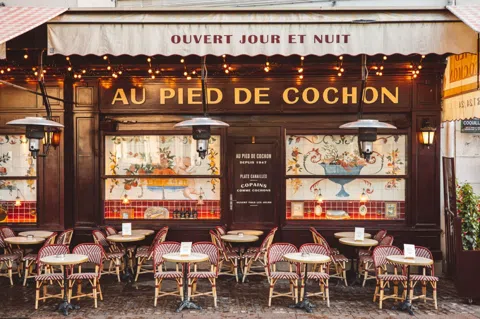
By the second week of September the shutters that stayed rolled down through August are up again along the rue de Bretagne, the terrace furniture is back out, and the pavement belongs to people going to work rather than people photographing them. The light comes in lower and stays longer on the limestone, the Seine has lost its hot-dust smell, and a queue that ran the length of a parvis in July moves at something close to walking pace. September is the month the city stops performing and gets on with its own business.
What the rentrée changes
Two calendars cross here. The visitor calendar empties out: school terms restart across most of the world in the first fortnight, the August wave flies home, and by around the 10th the difference on the ground is not subtle. The Paris calendar does the opposite. Concert seasons open, exhibitions launch, and kitchens that closed for the summer come back on stream, some of them late. You get a city fuller of Parisians and thinner of tourists at the same time, which is the entire argument for the month.
Plan around two things. The first is the weather. Days generally sit in the low twenties, mornings and evenings want a layer, and it may well rain. When it does, every covered attraction in the arrondissement fills within the hour, so build one indoor fallback into each day rather than improvising in a downpour.
The second is the closing day. Several of the museums below shut on Mondays, and the ticket desks stop selling well before the doors lock. Put your boat, your bike loop or your long lunch on the Monday and you lose nothing.
Plan your Paris trip
Live prices from our booking partners.
Free cancellation on many rooms. We may earn a commission when you book.
Two island interiors worth a booking plan
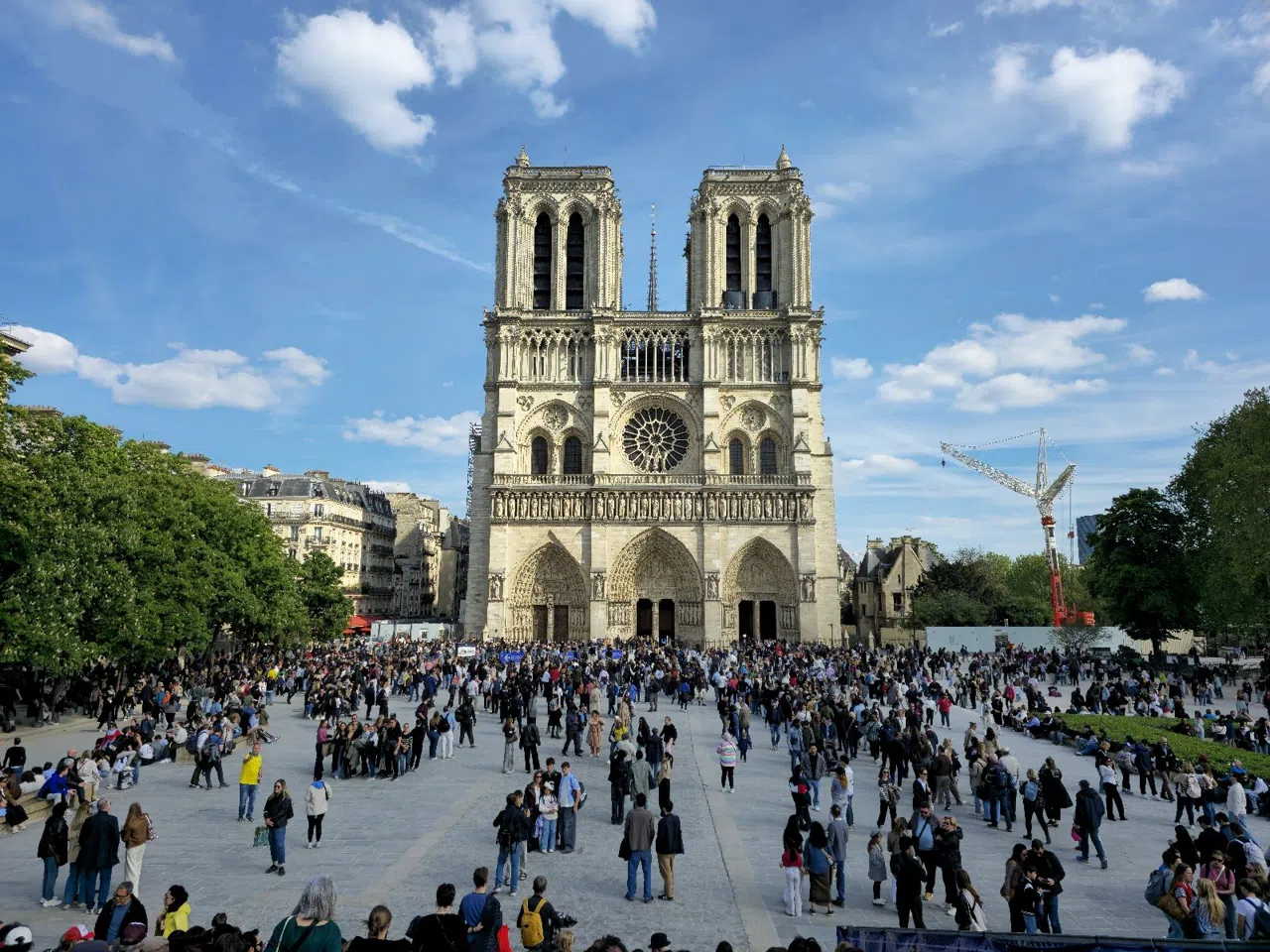
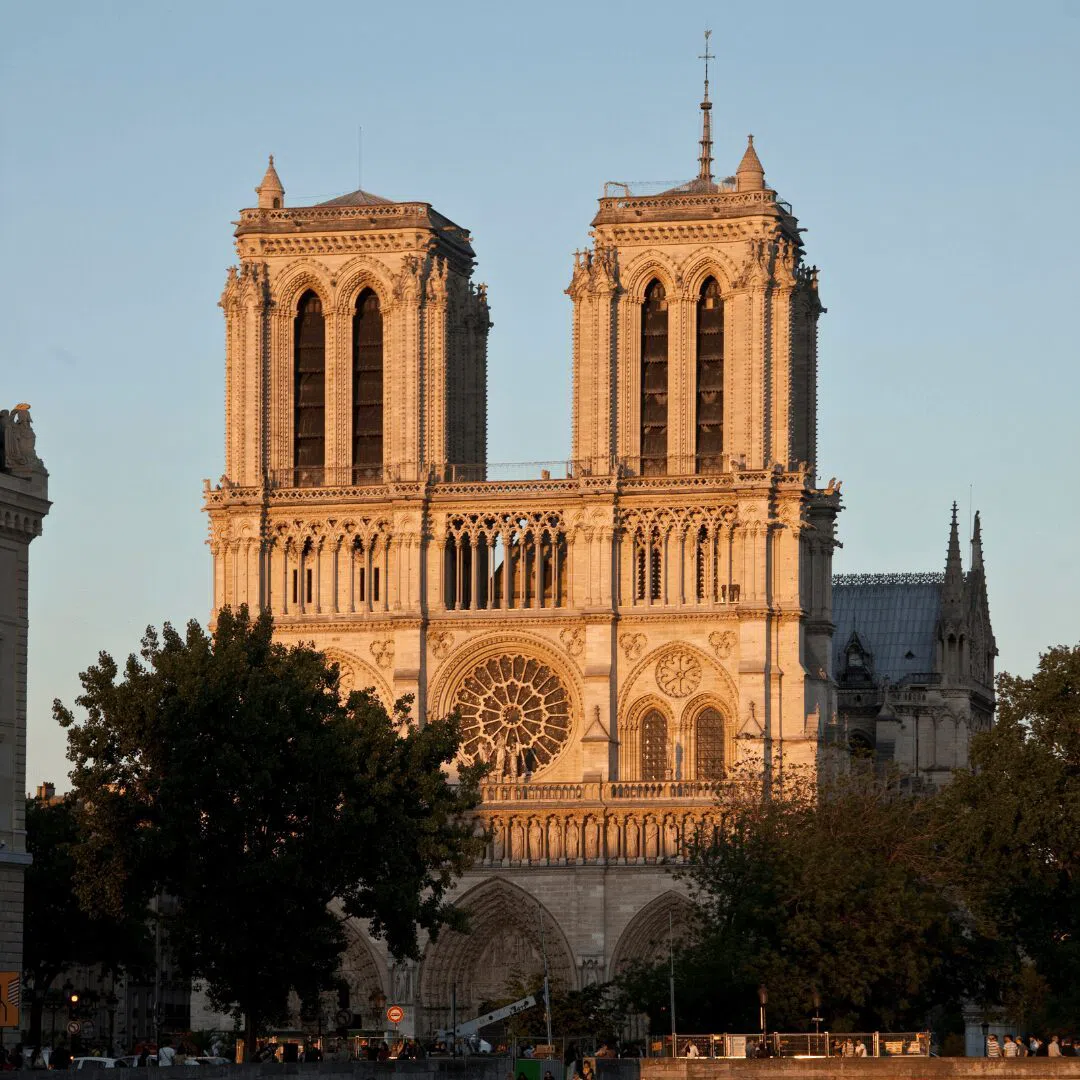
Notre-Dame de Paris (Île de la Cité) is now the single busiest interior in the city, and the floor visit is free, which is why the queue behaves the way it does. Walk-in waits run anywhere from thirty minutes to three hours depending on the hour and the weather. The free timed-entry reservation is the only reliable fix, and the only way to keep a party of any size together on one slot, but the booking window opens just two or three days ahead. Set a reminder and book the moment it opens. September's thinner crowd turns a two-hour wait into a twenty-minute one; it does not remove the queue. The towers are a separate paid ticket and a separate decision.
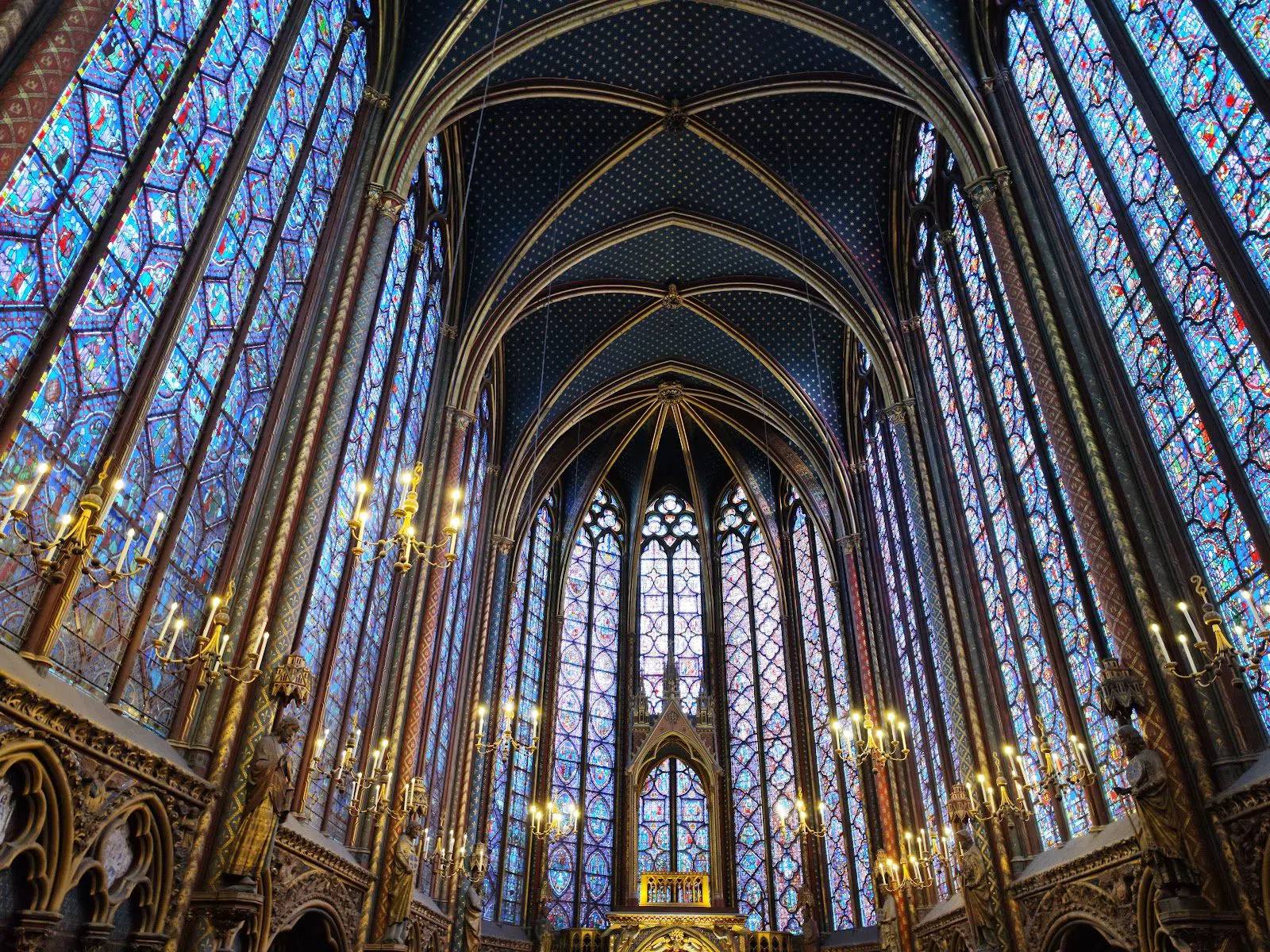
Five minutes away, Sainte-Chapelle (Île de la Cité) is the opposite proposition: small, ticketed, and best judged on light. Timed online tickets are compulsory, so a group has to book one slot together rather than drifting in. Adult entry is €22, with a reduced rate around €16 for EEA residents and free entry for EU under-26s. France introduced a higher non-EEA rate across its national monuments in January 2026, so check what applies to your passport before you reach the barrier. Note the daily closure from 13:00 to 14:15, which catches people out constantly. Go in the afternoon if you can. September's lower, longer light through the south lancets is far better than August's flat overhead sun, and the upper chapel changes colour as the hour moves.
Museums that fit a shorter day
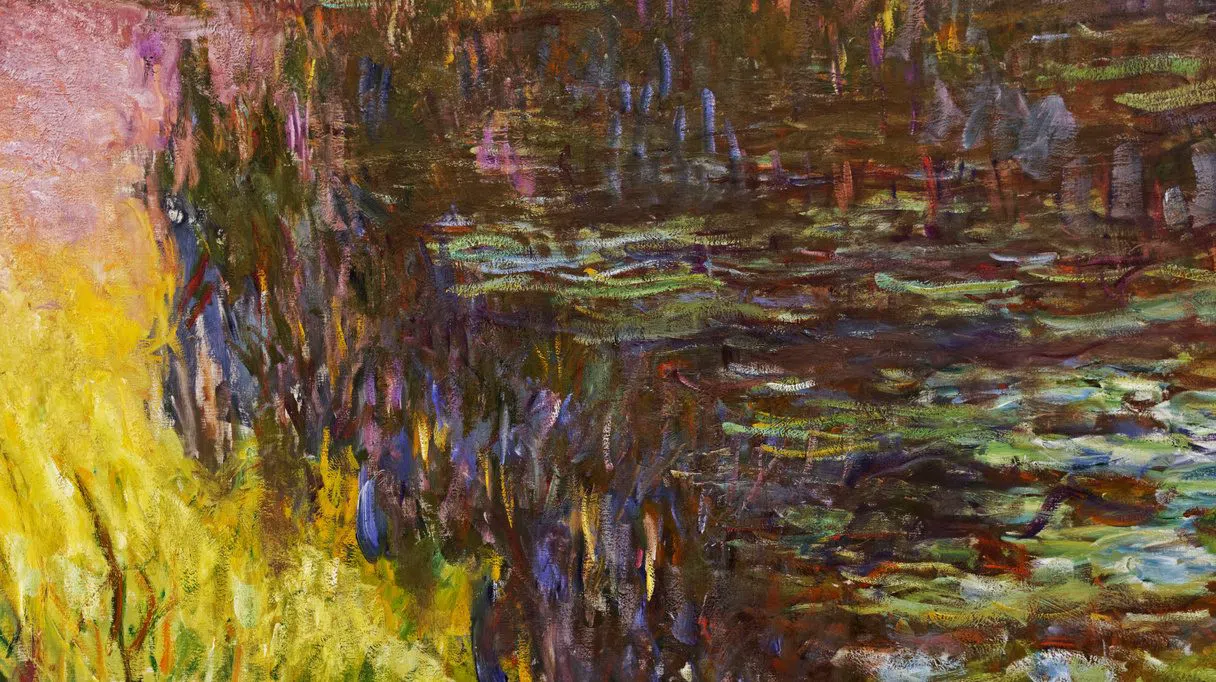
September days are shorter than July days, and the honest planning limit is two serious interiors plus something outdoors. Musée de l'Orangerie (Tuileries, 1st) is built for that arithmetic: small enough to do properly in ninety minutes, at €12.50 on the door or €10 booked online, free on the first Sunday of the month. Entry is timed, groups must hold a slot, and the two oval Water Lilies rooms fill quickly, so a party of four sees more of them than a party of twelve. During exhibition runs it stays open late on Fridays to 21:00, which is the single best way to see those rooms with air around you. Dance Among the Water Lilies opens on 21 September 2026 if you are travelling in the second half of the month.
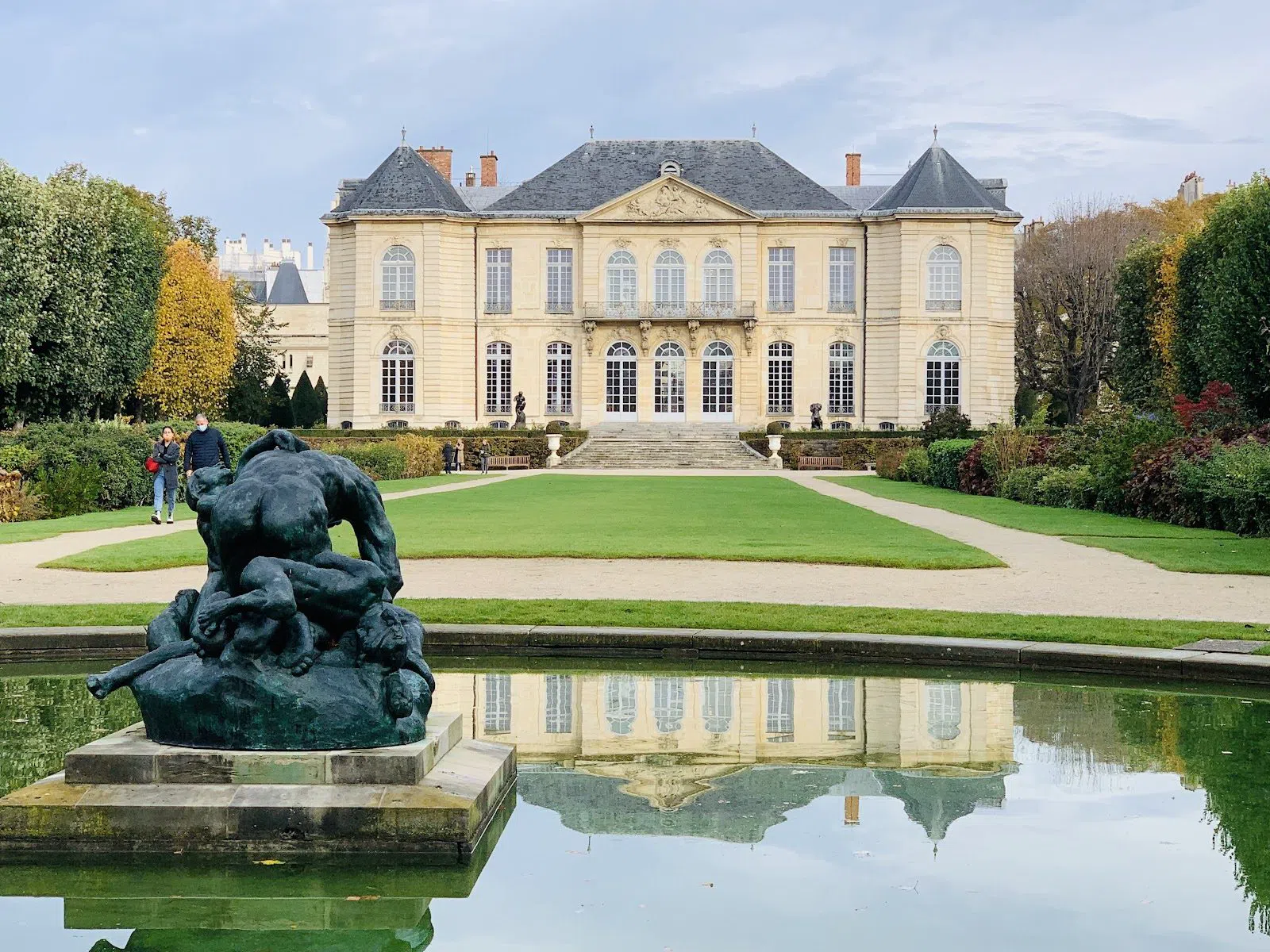
Musée Rodin (Invalides, 7th) works better in September than in any August heatwave, because most of it is garden. Entry is €15, there is a cheaper garden-only ticket if sculpture in the open is what you came for, and last entry is 17:45 with Mondays closed. Parties of ten or more count as a group; twenty or more can arrange rates and dedicated slots in advance, which is worth doing rather than arriving as a loose crowd.
For an hour that costs nothing and pays for itself all week, Musée Carnavalet — Histoire de Paris (Marais, 3rd) has a free permanent collection with no booking, so a group can simply walk in. It is the one museum that explains the streets immediately outside its own door (shop signs, street furniture, the shape of the quarter), and the sense it gives you carries into every subsequent walk. Paid temporary shows use timed entry. Closed Mondays, and the ticket desk stops at 17:15.
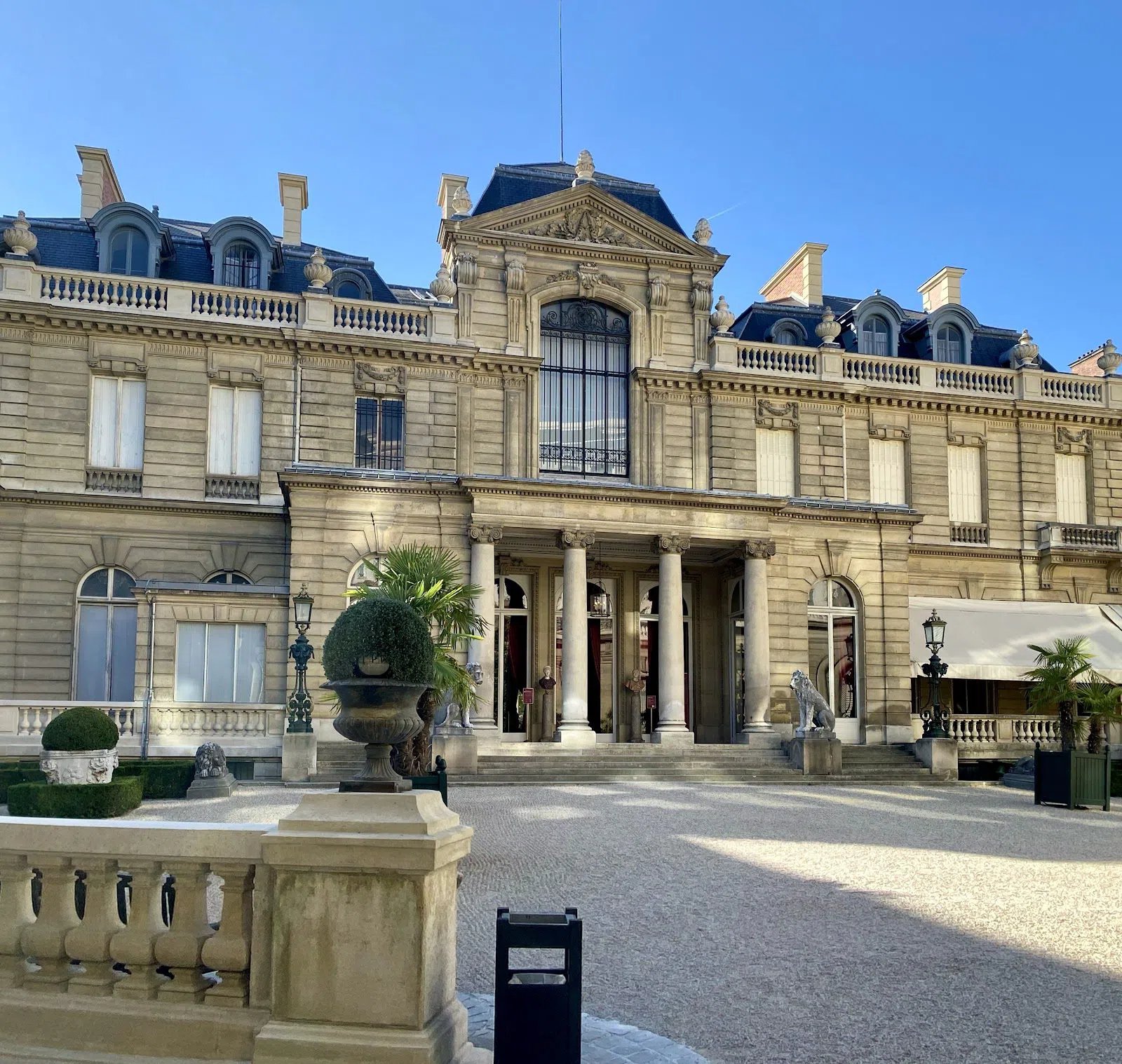
If you want a private collection rather than a state one, Musée Jacquemart-André (Boulevard Haussmann, 8th) is open seven days a week and never as mobbed as the big institutions. Expect roughly €15 to €20 depending on the exhibition. It reopened in 2024 after a full renovation, added immersive tours, and has a new restaurant from 11 September 2026. The tearoom in the old dining room, under the Tiepolo, will seat a group without the usual scramble. Group and guided visits are handled directly by the museum.
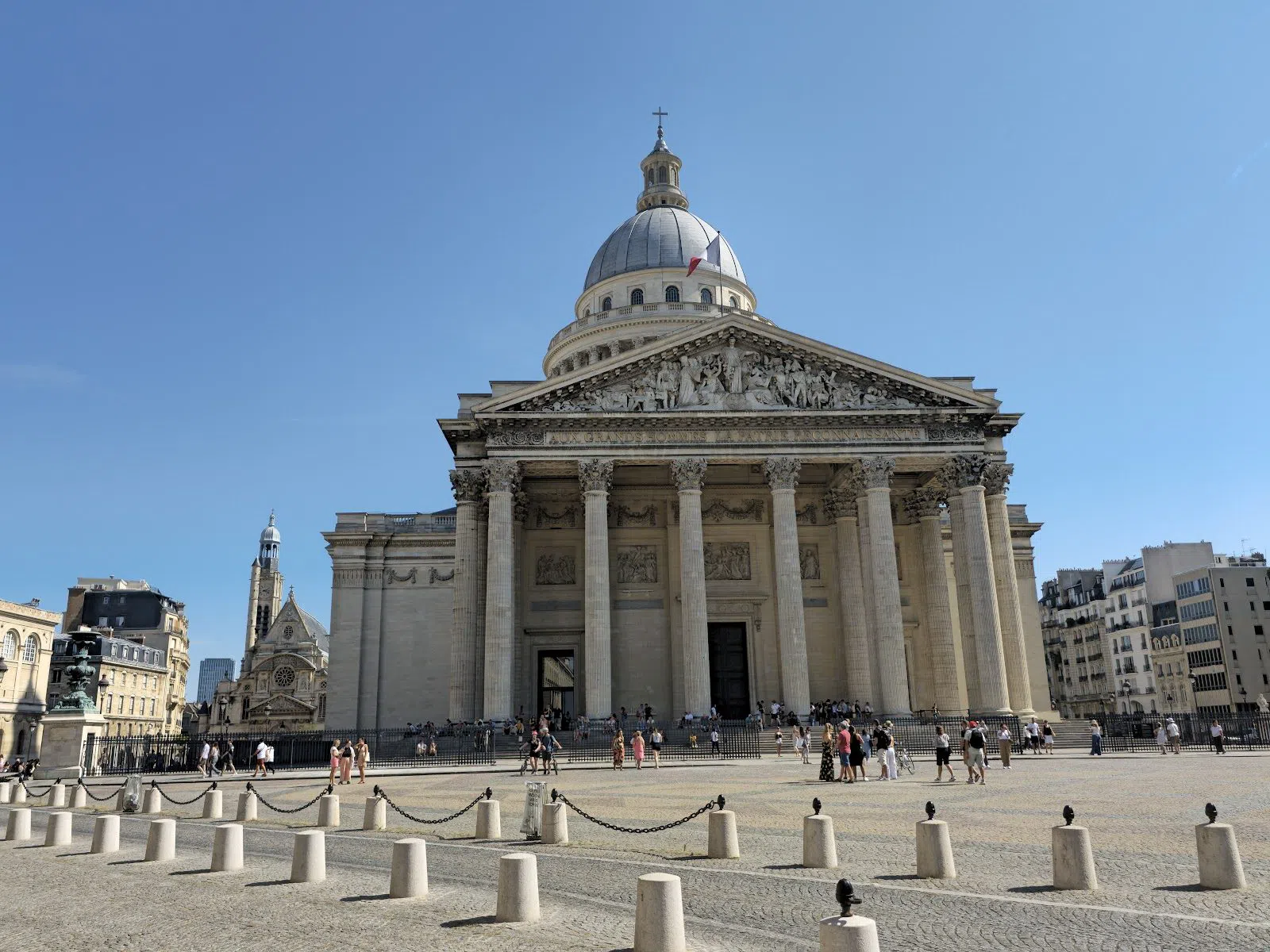
One correction to most itineraries: Panthéon (Latin Quarter, 5th) is not your rooftop. The dome panorama is closed for renovation. Come instead for Foucault's pendulum swinging in the nave and for the crypt (Curie, Baker, Hugo), which absorbs a large party easily. €16 adult, free for EU residents under 26. Take your view elsewhere, and there is a better free one below.
Where a group can actually eat
September catches some kitchens still stretching after the summer break, and that is where the reservation stress comes from. Two places solve it in opposite ways.
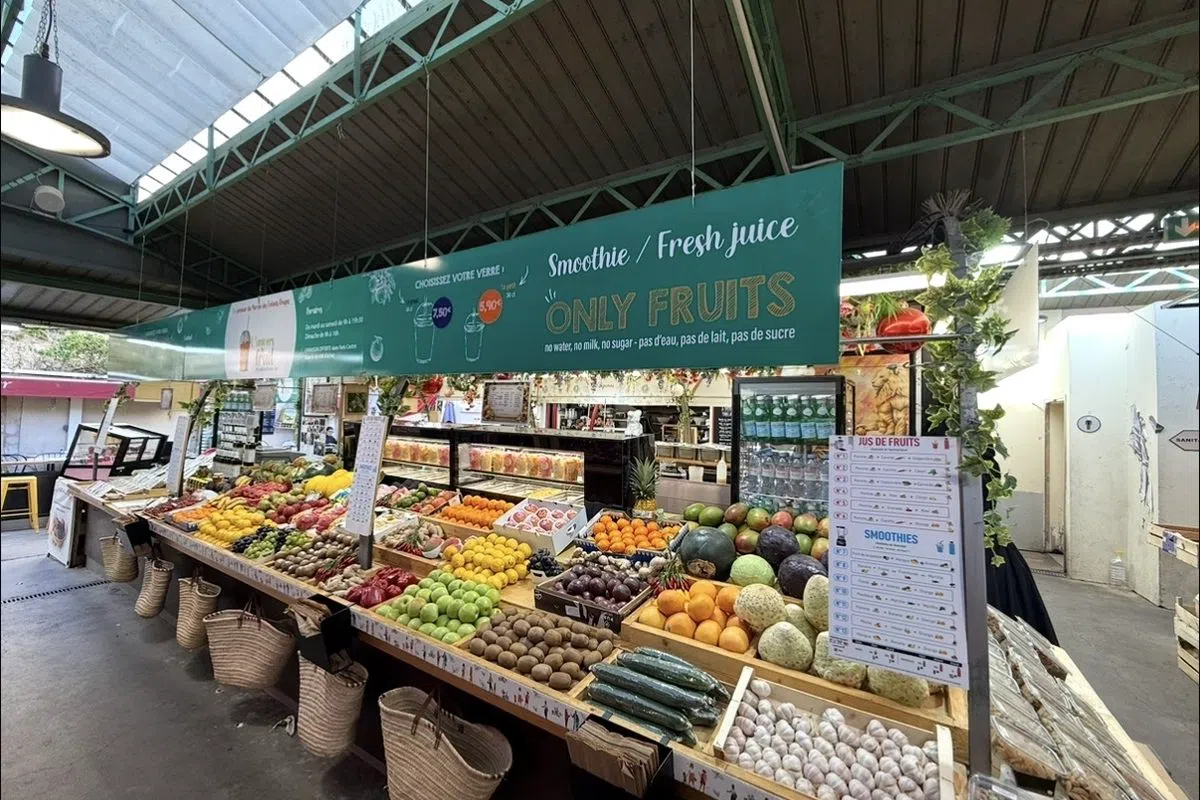
Marché des Enfants Rouges (Marais, 3rd) is the oldest covered market in Paris, founded in 1615 and listed since 1982, and it takes no bookings at all. Plates run €10 to €20. The aisles are tight: fine for four, genuinely awkward above six. The working method is to send one person to queue at each stall and regroup at a table someone has already claimed. Go at 12:00 sharp on a weekday. By 13:00 on a Sunday there is nowhere to sit and you will be eating standing up in a doorway.
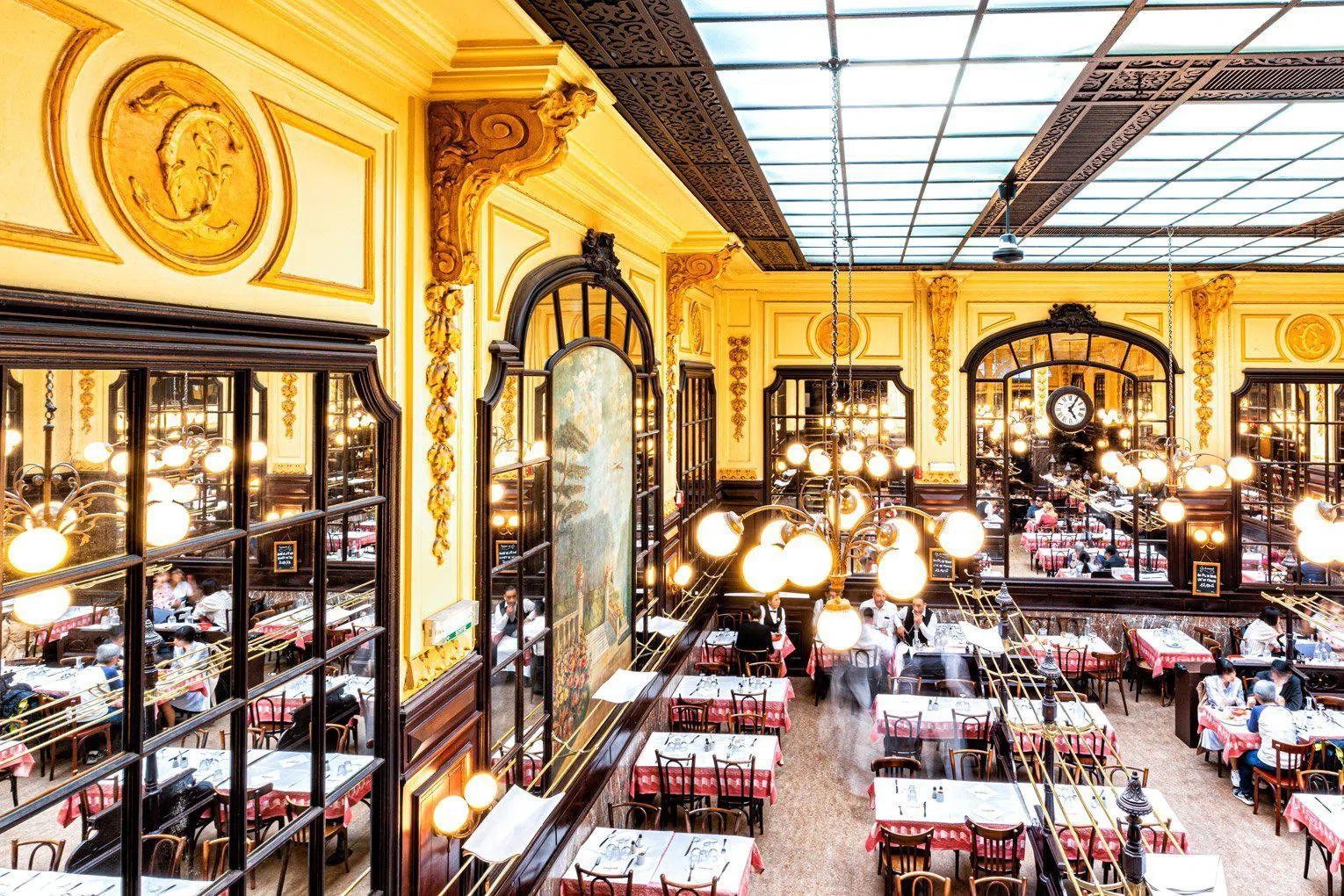
Bouillon Chartier Grands Boulevards (9th) is the other answer: a room designed in another century to feed crowds fast, with shared tables and paper on the cloth. It is walk-in, though you can reserve 24 hours ahead, and it will absorb a group of eight with no notice, which almost nothing else central will do. Mains sit at €10 to €15 and you will struggle to spend €20 a head. It runs 365 days a year, 11:30 to midnight without a break. There is a queue; it moves.
For a sit-down evening with structure, Ô Chateau (1st, a few streets north of the Louvre) runs sommelier-led tastings in English at a serious level (it took a Star Wine List of the Year France 2026 jury medal), and September lands during harvest talk, when the new vintage is the only thing the trade wants to discuss. Tastings start around €40 and grand cru sessions climb well into three figures. It is properly built for groups, with scheduled English sessions, private events and full buy-outs, but book ahead and note it is closed on Sundays.
La Cuisine Paris (4th, on the right-bank quay facing the Île Saint-Louis) is the rainy-afternoon fallback that does not feel like a fallback. Classes are taught entirely in English at small fixed sizes, €119 for a three-hour class and €189 for a market tour plus class, and croissants, macarons and mother sauces run all through September. Private group bookings and market combinations are available. Reserve well ahead: individual classes routinely show one to three places left.

Two slow ways to cross the city
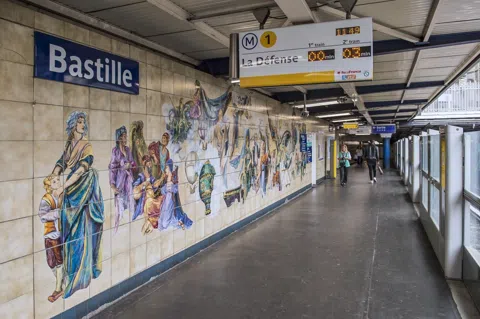
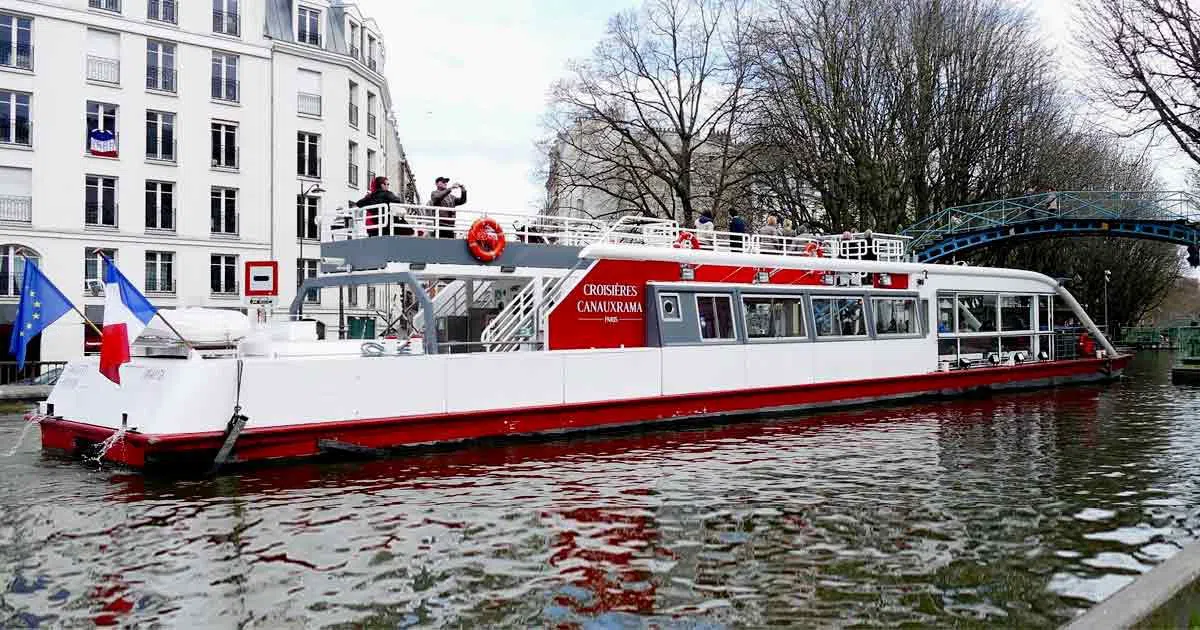
Canauxrama (boarding at the Bastille marina, running up to the Bassin de la Villette) is the crossing worth making. €23 buys two and a half hours through four locks and two swing bridges, seated, at the pace of water rising in a chamber. It beats the Seine tour boats for atmosphere by a distance, it runs year-round on a scheduled departure so a party simply books seats on one sailing, and weekend departures do sell out, so book online. Evening sailings run to the end of September, and the light on the canal at that hour is the reason to take the late one.
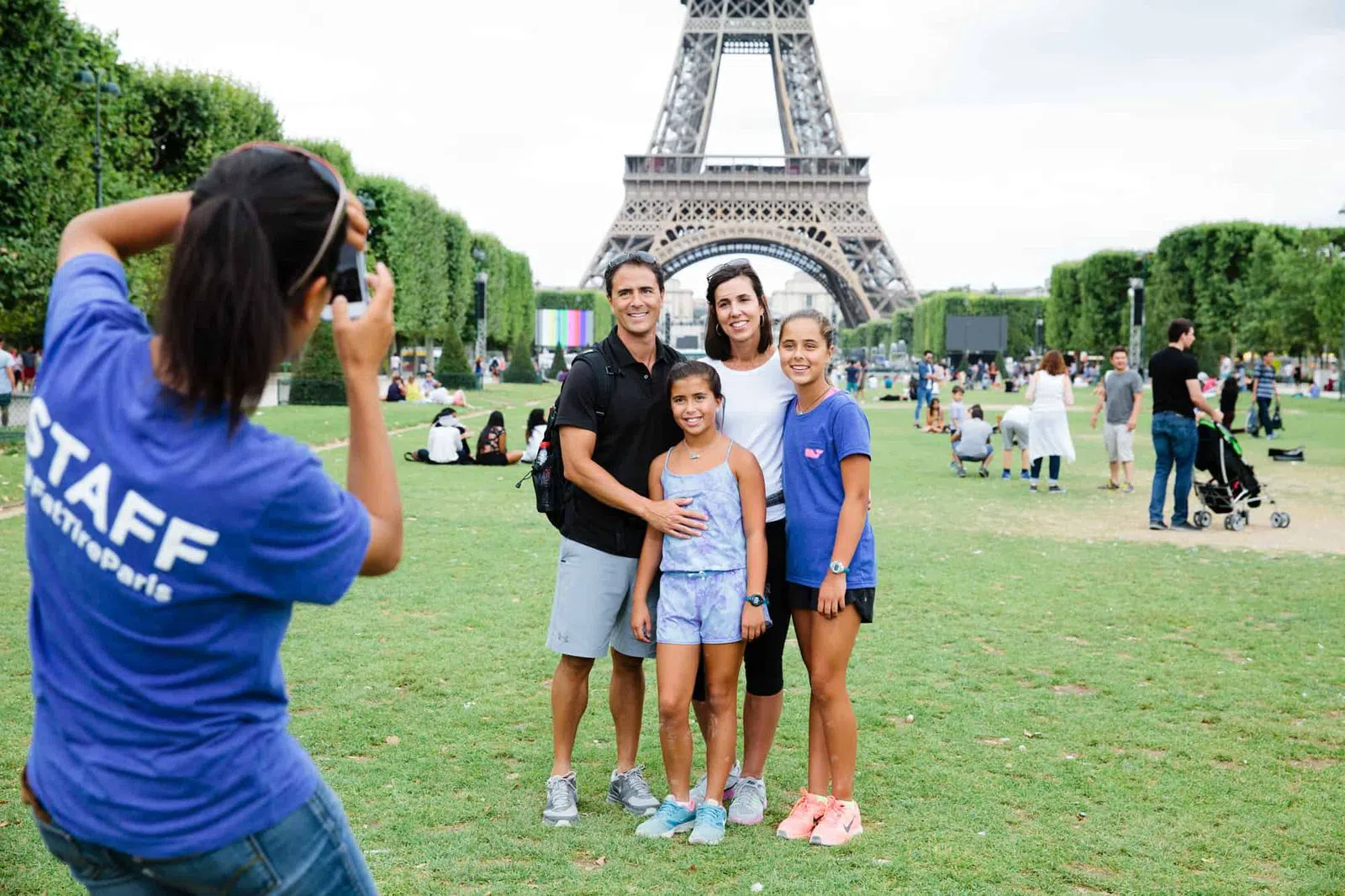
On wheels, Fat Tire Tours Paris (day tours depart from the 15th, near the Eiffel Tower) has a dedicated group desk for custom bike, walking and food itineraries, plus private tours bookable in languages other than English. The three-hour day tour runs roughly €40 to €50 and covers a 10.5 km loop past the Louvre, Invalides and the Tuileries, a ride that is genuinely brutal in an August heat spike and close to perfect at September temperatures. The parent company now also trades as Unlimited Biking, so do not be thrown if that name appears on your confirmation.
Rooftops and the door question
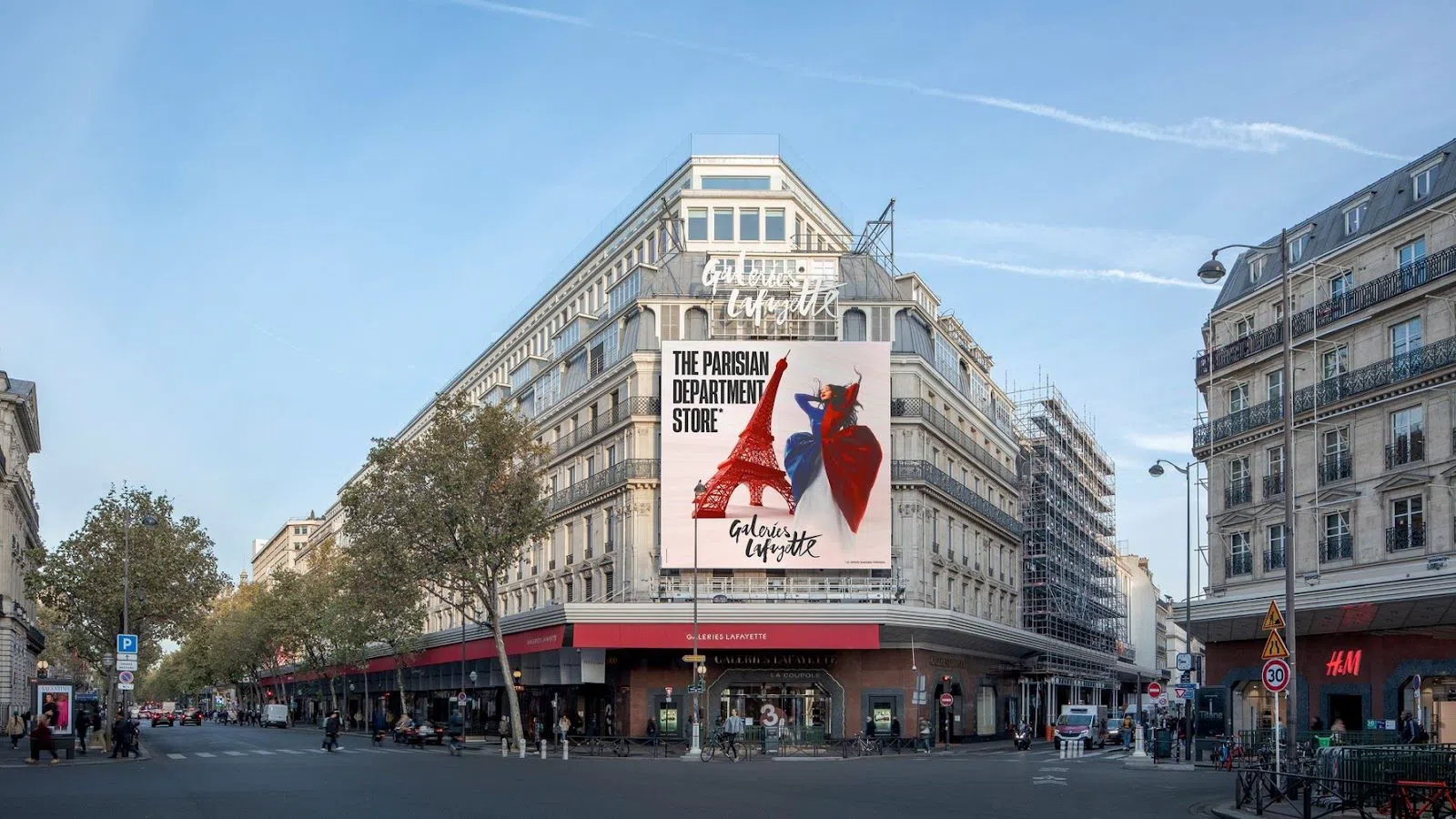
The Montparnasse observation deck is shut until around 2030, which has quietly made Galeries Lafayette Paris Haussmann (9th, behind the Opéra) the best free panorama in central Paris. There is no ticket, no reservation and no minimum spend: walk in, take the lift, stand on the terrace. It is the one viewpoint a group of any size can do on a whim, including with children and grandparents in tow. The seasonal rooftop bar charges for drinks and runs to the end of the season, so early September still catches it.
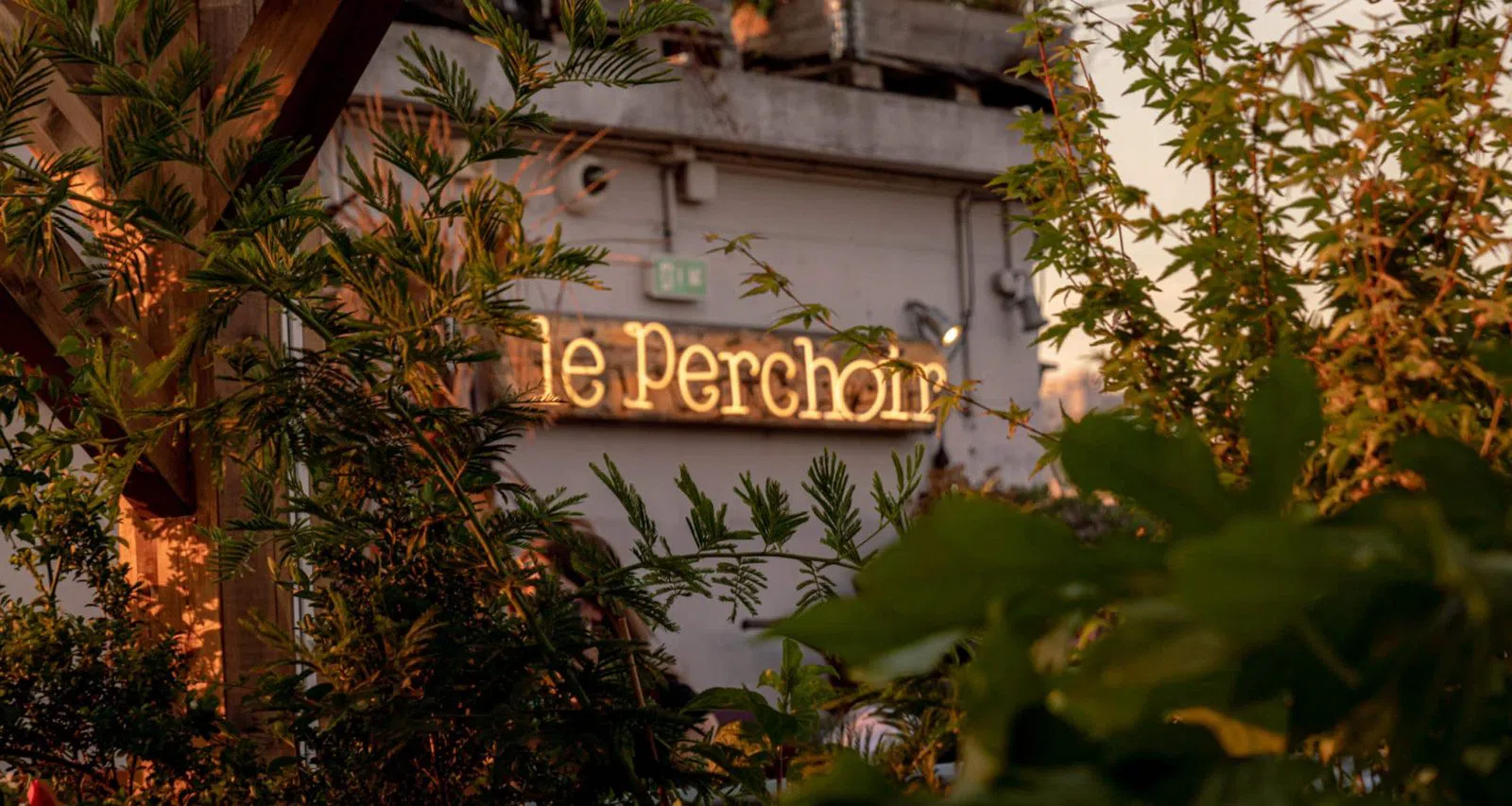
Le Perchoir Ménilmontant (20th) is the evening version, and it is where door policy matters. There are no bookings for the rooftop bar: one lift, one queue, and staff who hold back large parties on sight. Split into threes and fours, arrive before 19:00, and accept the line if you turn up later. Cocktails run around €14 to €16. The retractable roof and the heaters are the point in this month, because it still works on a cool evening when the open rooftops have already given up for the year.
A concert season that opens in September
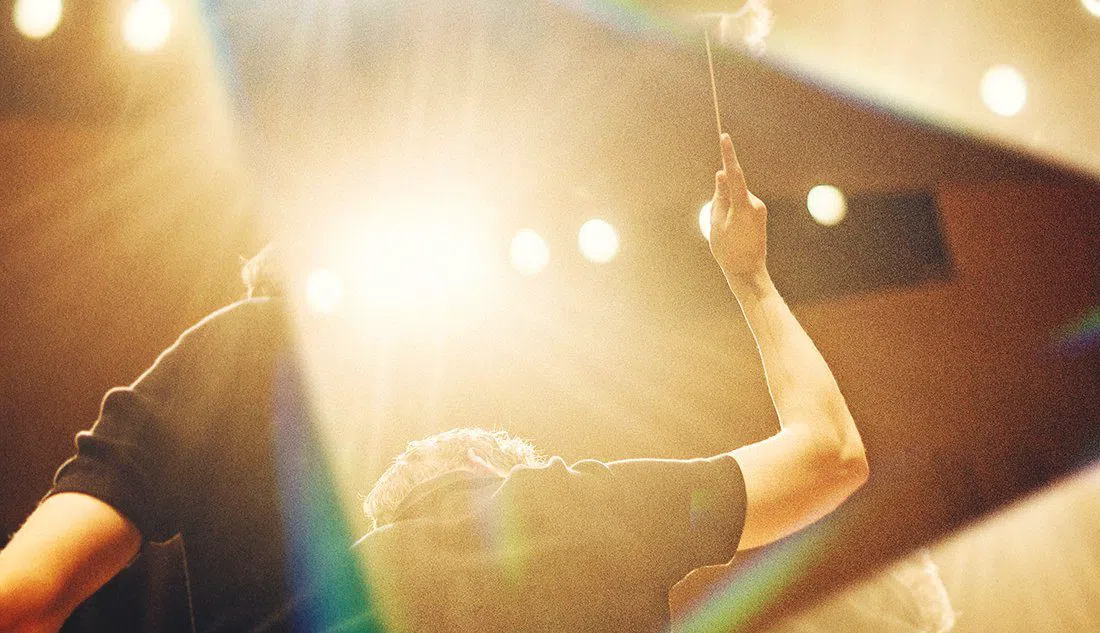
Nothing is winding down at Philharmonie de Paris (Parc de la Villette, 19th), because the season starts. The Prem's run brings international orchestras through between 1 and 10 September 2026, and Mäkelä conducts Mahler's Third on 16 September. Across the year there are more than 400 events, and the standing-format concerts suit a younger group better than a formal seated block. Tickets run roughly €10 to €90 depending on the concert and the seat, and the good ones go early, so book a block as soon as you have your dates. Pair it with the canal boat, since both live at the same end of the same waterway.
Where to base yourself for a walking week
The Marais and the 5th put you inside walking distance of the island monuments, Carnavalet, the market and most of the eating above, which matters more in September, when a shower can turn a planned metro hop into a nuisance. The Grands Boulevards side is cheaper, better connected and a short walk from both the department store terrace and Chartier. Rates soften after the first week compared with high summer, but the trade fair calendar can spike them on specific mid-week nights, so check dates rather than assuming a shoulder-season discount. Start with a Paris hotel search and cross-check against the wider Paris guide for how the arrondissements actually connect on foot.
Practical notes
Buy a reloadable travel card from any station machine rather than feeding it single paper tickets. A single metro journey costs a couple of euros, and a day pass starts paying for itself somewhere around the fourth or fifth ride. Most of the walking above is flat, and the distances between the island, the Marais and the Tuileries are 20 to 30 minutes on foot.
Cards work almost everywhere, including most market stalls, but carry €20 to €30 in small notes for the tighter stalls at the covered market and for a queue you do not want to hold up.
Book Sainte-Chapelle, the Orangerie, the Philharmonie, Ô Chateau and La Cuisine as far ahead as you can. Book Notre-Dame the day its window opens, two to three days out. Keep Mondays for the boat, the bike loop and Chartier. Give any afternoon interior a 14:15 start if it closes over lunch.
A full, unhurried day (Carnavalet free, the Orangerie at €10 online, lunch at Chartier under €20, the canal cruise at €23) comes in around €55 a head before transport and a drink. Add the tasting or the cooking class and you have a €150 to €200 day; skip both and September gives you a very good one for well under €70.
Before you go
Is September actually less crowded in Paris, or is that just a story?
The drop is real but not instant. The first week still carries summer traffic; from roughly the 10th, once school terms have restarted, you can see the difference on the street. It shows up most at the free sites: a walk-in wait at Notre-Dame that ran two to three hours in high summer often falls to twenty or thirty minutes. Ticketed interiors like Sainte-Chapelle and the Orangerie are timed anyway, so what you gain there is space inside rather than a shorter queue.
How far ahead do I need to book Notre-Dame and Sainte-Chapelle?
They run on different clocks. Notre-Dame's floor visit is free and its timed reservation window opens only two to three days ahead, so you book it during the trip rather than before. Set a reminder, because that is the only way to keep a group on one slot. Sainte-Chapelle uses compulsory timed online tickets at €22 adult that you should buy well in advance, and it closes daily between 13:00 and 14:15.
Where do I get a rooftop view now that Montparnasse is closed?
The observation deck at Montparnasse is shut until around 2030, and the Panthéon's dome panorama is closed for renovation, so neither is an option. The rooftop terrace at Galeries Lafayette Paris Haussmann is free, needs no ticket or reservation, and takes a group of any size on a whim. For an evening version with a drink, Le Perchoir Ménilmontant has a retractable roof and heaters, but no bookings and a door that breaks up large parties.
Are restaurants still closed in September after the August break?
Some are, particularly smaller owner-run kitchens that stretch their annual closure into the first days of the month, and reopening dates are not always posted. The dependable ones: Bouillon Chartier Grands Boulevards runs 365 days a year from 11:30 to midnight with no reservation needed and mains at €10 to €15, and the Marché des Enfants Rouges trades on weekday lunchtimes with plates at €10 to €20. Check anywhere else directly before you build an evening around it.
What should I plan for a rainy September afternoon?
Assume at least one wet afternoon in a week and decide in advance, because every covered attraction fills at the same moment. A three-hour English-language class at La Cuisine Paris costs €119 and fills the whole afternoon; the free permanent collection at Musée Carnavalet needs no booking; and the Orangerie stays open to 21:00 on Fridays during exhibition runs. The Musée Rodin is the plan to move, since most of its value is outdoors.