The Paris issue
Crossing Paris by Vélib Without Losing the Day
Four rides that join up parts of Paris the Métro keeps separate, with what a pass costs, where bikes are banned outright, and which stops can absorb a group.

By Sasha LindholmThe unhurried side of Paris
At nine in the morning the Voie Georges-Pompidou below the Pont de Sully is flat, closed to cars and quiet enough that you hear the barges before you see them. From there to the Tuileries is roughly ten minutes on a bike and the better part of an hour on foot, and that hour is paid for later, in your knees, somewhere around four in the afternoon. Paris repays walking. It does not repay walking everything.
What a Vélib costs and what it holds on your card
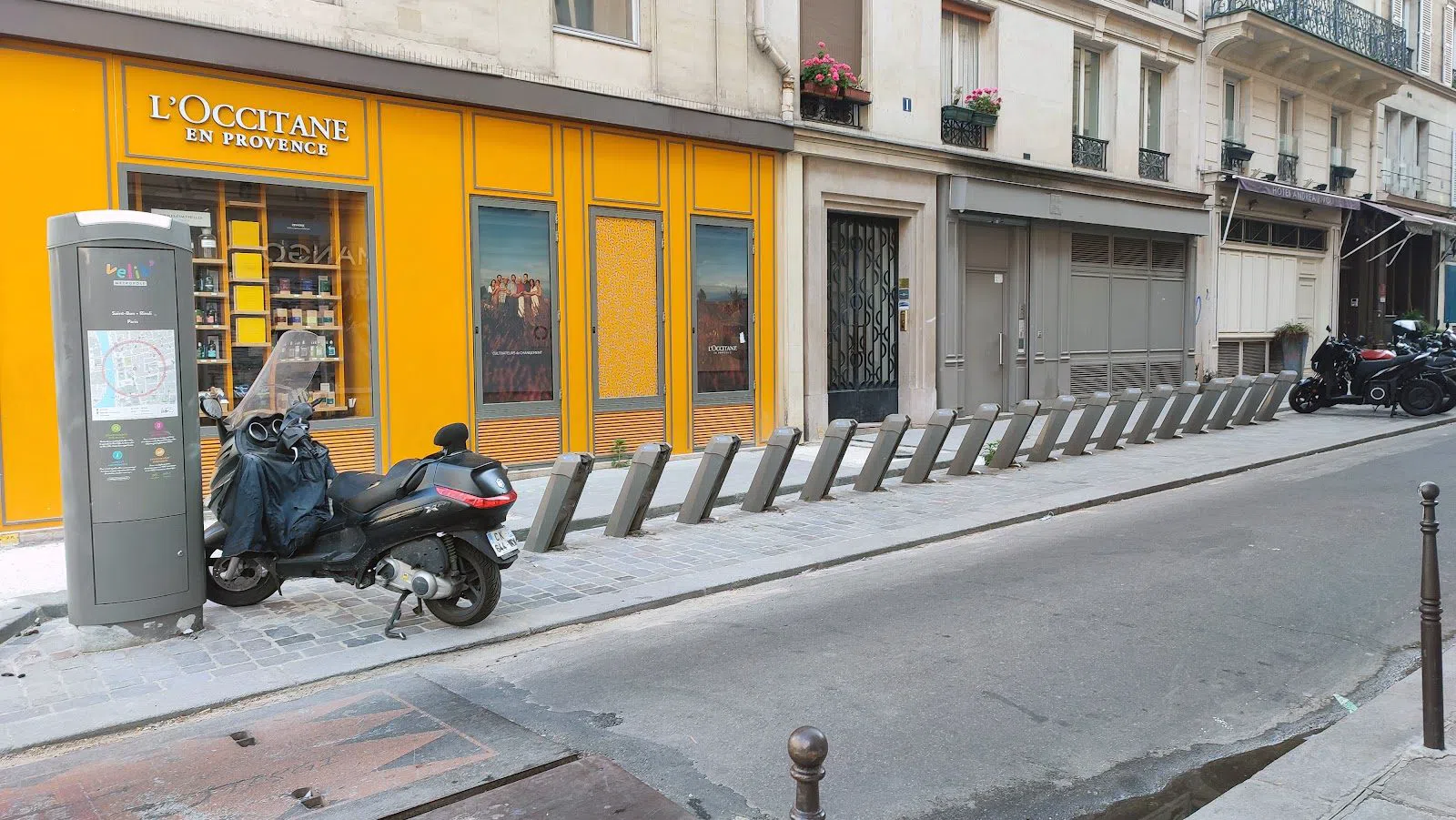
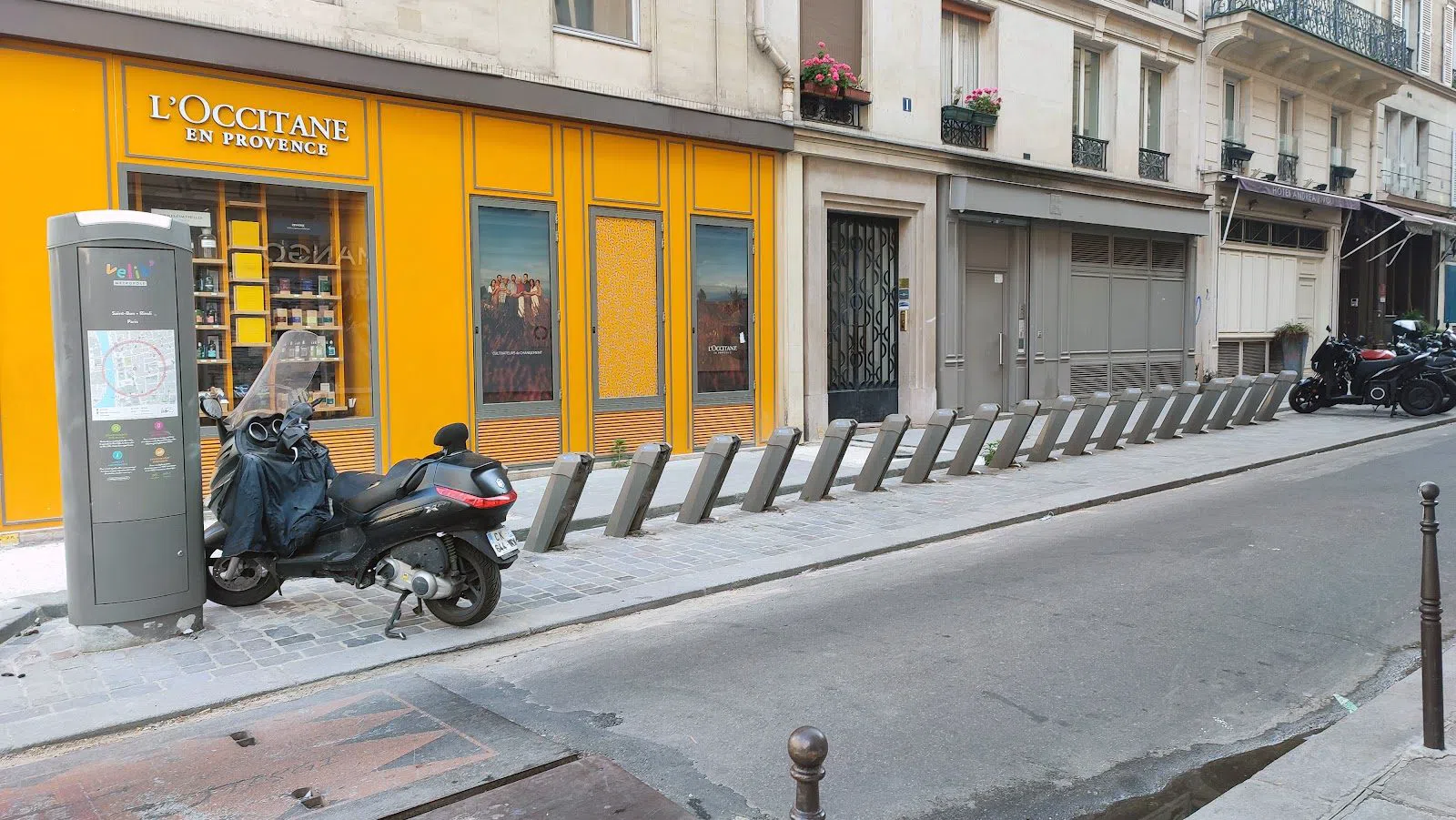
Vélib' Métropole (all twenty arrondissements, plus 64 communes beyond the Périphérique) is the reason a Paris day can be re-planned mid-morning. Around 1,465 stations and 18,200 bikes mean you can start a ride anywhere and abandon it anywhere, which is a different proposition from hiring a bike for the day and having to return it to the shop that rented it. You are not committed to the bike for the day, only to the next twenty minutes.
Prices are simple enough to memorise. A single Ticket-V is €3 and covers one trip of up to 45 minutes. A 24-hour pass is €5 on the mechanical bikes and €10 if you want the electrics, and a 3-day pass is €20. Go past your trip allowance and the meter starts: €1 per additional 30 minutes on a mechanical bike, €2 on an electric. You buy either at the station terminal or in the app with a bank card, so you never queue at a counter or work around opening hours.
The part that catches visitors is the pre-authorisation. Non-EU cards are typically held for around €300. It is not a charge and it releases, but if you are travelling on a single debit card with a tight balance, that hold can be the difference between dinner and no dinner. Use a credit card if you have one, and check the hold has dropped before you rely on the account again.
Two habits are worth building on the first ride. Dock early rather than optimistically: a station that showed four free docks when you left can be full by the time you arrive, and circling a full station is exactly when the overage clock bites. And treat the electric bikes as a hill tool rather than a default. Central Paris is flatter than its reputation; the climb north towards the 18th and the pull up from the river are the two places the motor earns its extra €5.
Plan your Paris trip
Live prices from our booking partners.
Free cancellation on many rooms. We may earn a commission when you book.
The river spine from Bastille to the Tuileries
The Parc Rives de Seine (right bank, along the Voie Georges-Pompidou) is where a nervous rider should spend their first thirty minutes in this city. It is a former expressway given back to people on foot and on wheels: wide, flat and free of junctions. You can ride from Bastille to the Tuileries without meeting a single set of lights or a single left turn across traffic. It is wide enough for two abreast almost the whole way; the exceptions are the ramps back up to street level, which narrow, curve and often have someone walking down them. Slow to a crawl there and you will have no trouble at all.
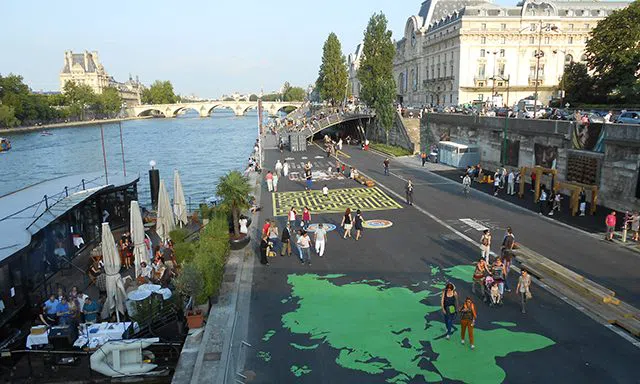
Ridden without stopping that stretch takes about a quarter of an hour, which reframes the whole day. The Marais, the Île de la Cité and the Louvre stop being three separate outings and become three points on one line. If you are choosing where to stay with this kind of day in mind, anywhere within a few streets of the river between Bastille and Concorde puts a dock inside five minutes of your door, worth filtering for when you run a Paris hotel search, because the walk to the first bike is the only part of the day you cannot make faster.
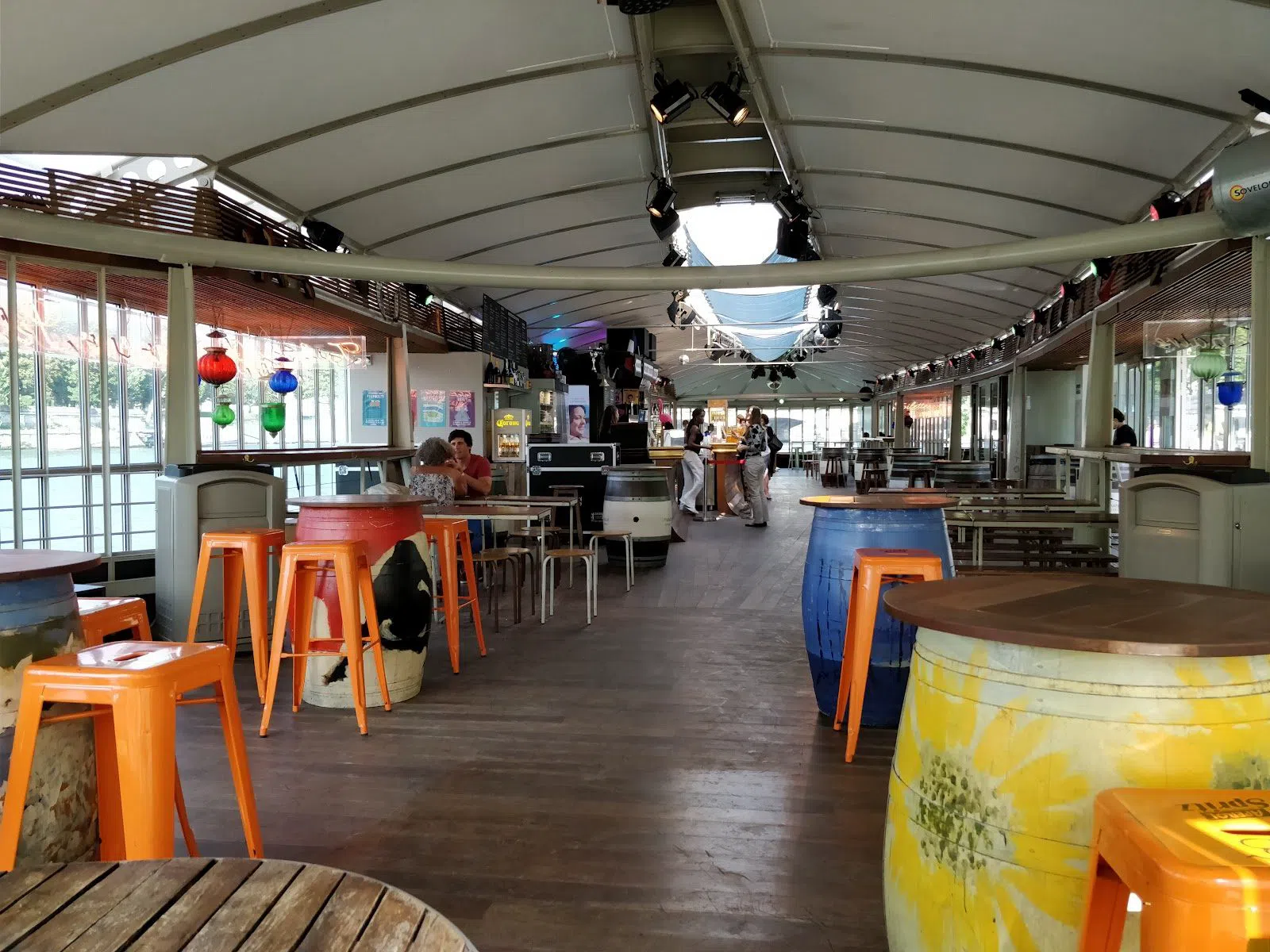
On the opposite bank, Rosa Bonheur sur Seine (left bank, moored on the car-free quay) is the one bar in this piece you reach without leaving the route. It is a barge, entry is free, and no reservations are taken: you turn up and you find room or you do not. The terrace opens daily from midday or 17:00 depending on the season, and the barge itself runs Wednesday to Sunday evenings. Beer and wine land at roughly €5–8, pizzas around €12–15, and there is a €2 cloakroom. One firm rule has ended plenty of family evenings on the quay rather than on the boat: under-18s cannot board the barge after 19:00. If you are riding with teenagers, go early and use the terrace.
Further west, the Île aux Cygnes (the Allée des Cygnes, on the western river loop) is the quietest five minutes in the city centre. The artificial island was created in 1827 and planted in 1870 with 322 trees, and it runs as a single straight promenade down the middle of the Seine with water on both sides. It is a walkway first and a cycle route second. It is about eleven metres wide from bank to bank, so ride single file, and when it is busy get off and push. Walking its 800 metres costs you almost nothing.
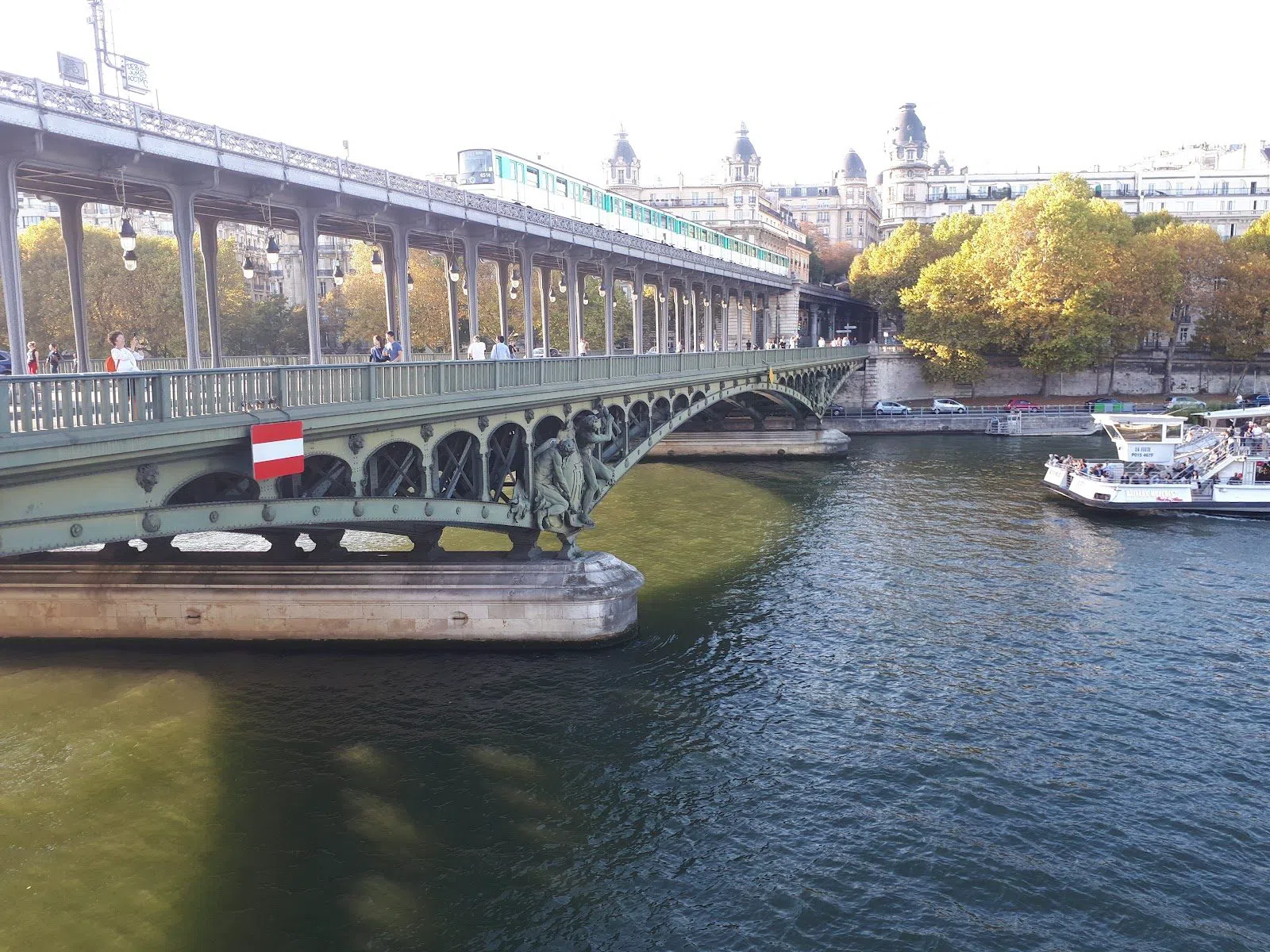
An hour north along the canal
The Canal Saint-Martin (Quai de Valmy and Quai de Jemmapes, in the 10th) is the north-south route the Métro makes you take in awkward pieces. Ridden end to end it strings République to La Villette together in about half an hour, past the iron footbridges and the locks that still cycle water while people sit on the edge and watch.
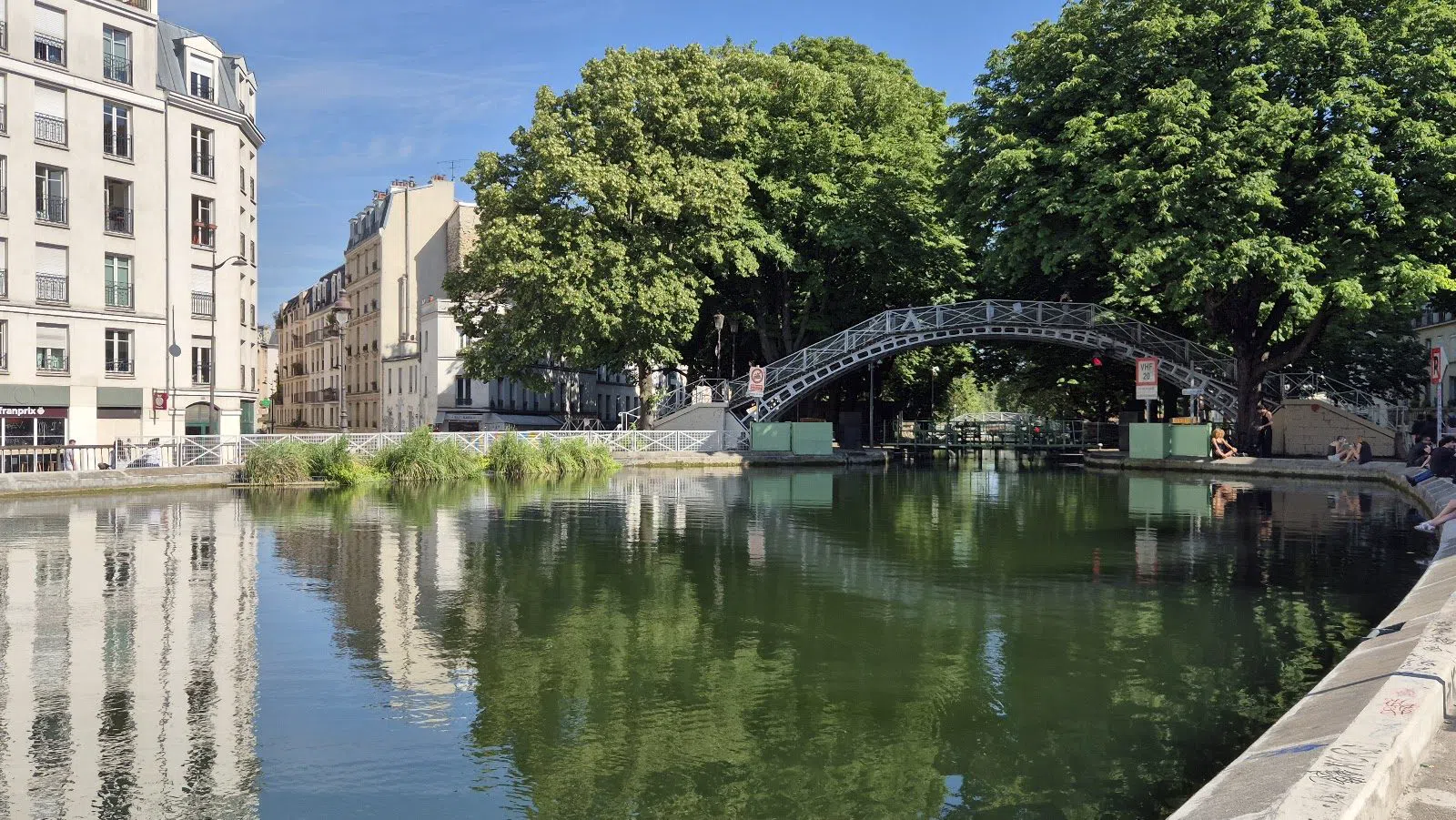
The day you ride it changes the ride completely. Under the Paris Respire scheme the quays close to traffic every Sunday and public holiday from 10:00 to 18:00, and until 20:00 in summer. That is when the canal belongs to bikes and a group can ride it comfortably, side by side, talking. On a weekday it is a different street: cobbled sections, delivery vans doubled up outside the cafés, and pedestrians stepping off the kerb without looking. Still worth doing, but ride it single file and expect to put a foot down.
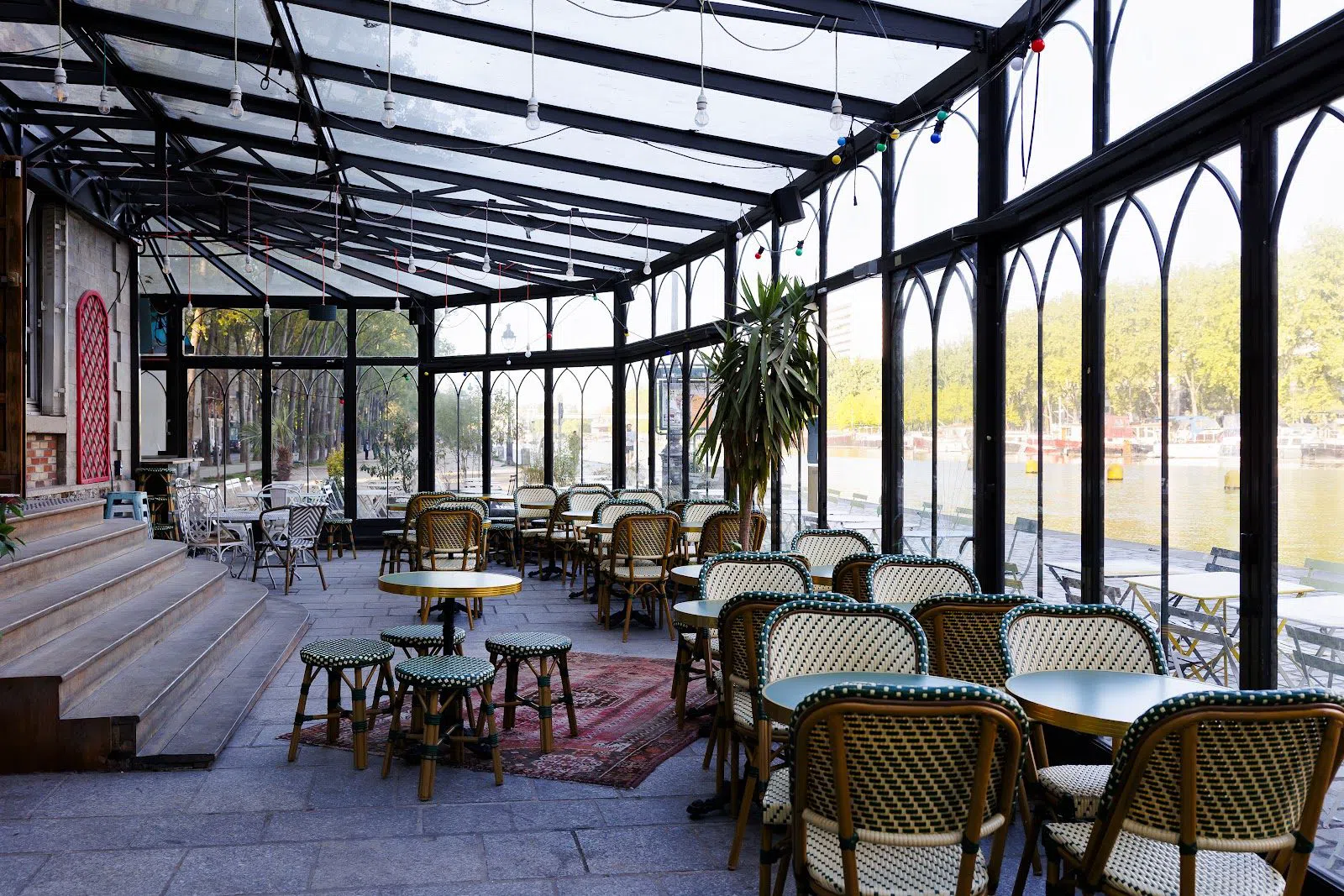
About halfway, Le Pavillon des Canaux (canal-side, on the Bassin de la Villette) is the natural stop. It is a converted house rather than a café floor plan, so people spread out through the rooms upstairs, and it is one of the few places in the city where six of you can sit down together without having called ahead. Coffee and cake run about €4–8, plates €12–18. The upstairs rooms and the full venue can be booked if you want a private corner for a group; for a mid-ride stop, walking in is fine.
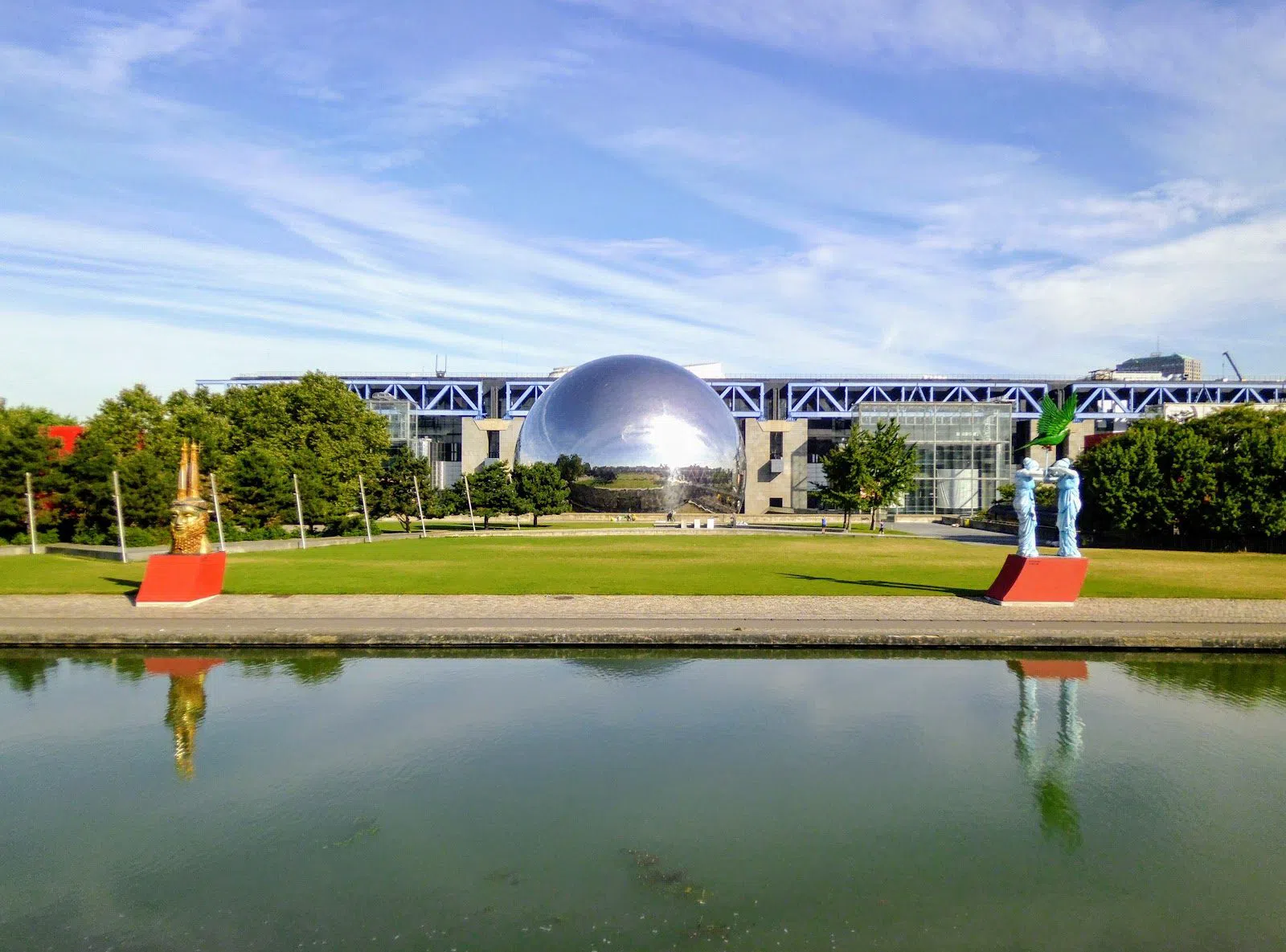
The canal delivers you to Parc de la Villette (19th), 55 hectares and the largest park in Paris, free and open around the clock. Its alleys are paved and wide enough that a group can ride together without breaking formation, and it absorbs any number of people, which is the point. You can ride here from the middle of the city entirely along water, and then simply stop, without needing a plan for what happens next.
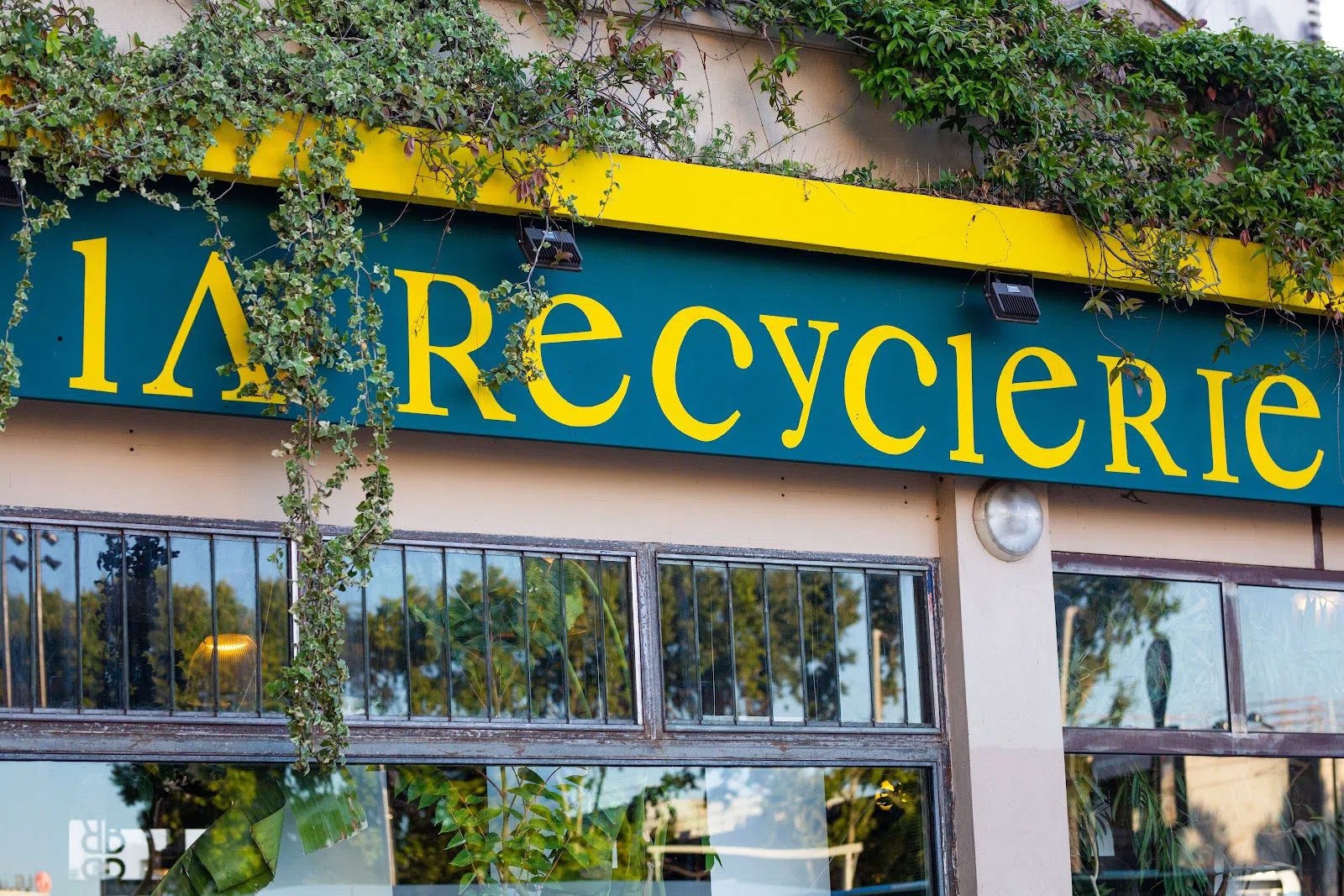
If you want an endpoint with a kitchen, ride west instead to La REcyclerie (18th, inside a disused railway station on the old belt line). It is a canteen and urban farm built into the platforms, with mains around €12–16 and drinks €4–8, and it takes evening group bookings of five to forty across three dedicated spaces. Full privatisation is reserved for professional events, so do not turn up expecting to hire the place for a birthday. Vélib station 18032 sits at the door, which is what turns it from a gamble into a destination: you dock and you sit down.
East through Aligre and out to the Bois
Start this one early. Marché d'Aligre and the covered Marché Beauvau (12th, a few streets behind Bastille) run open-air stalls Tuesday to Friday 07:30–13:30 and to 14:30 at weekends, with the covered hall open Tuesday to Sunday and an afternoon break. Both are closed on Monday. Go before ten if you want to move: by late morning the aisles are tight and a group of five becomes an obstruction rather than a party.
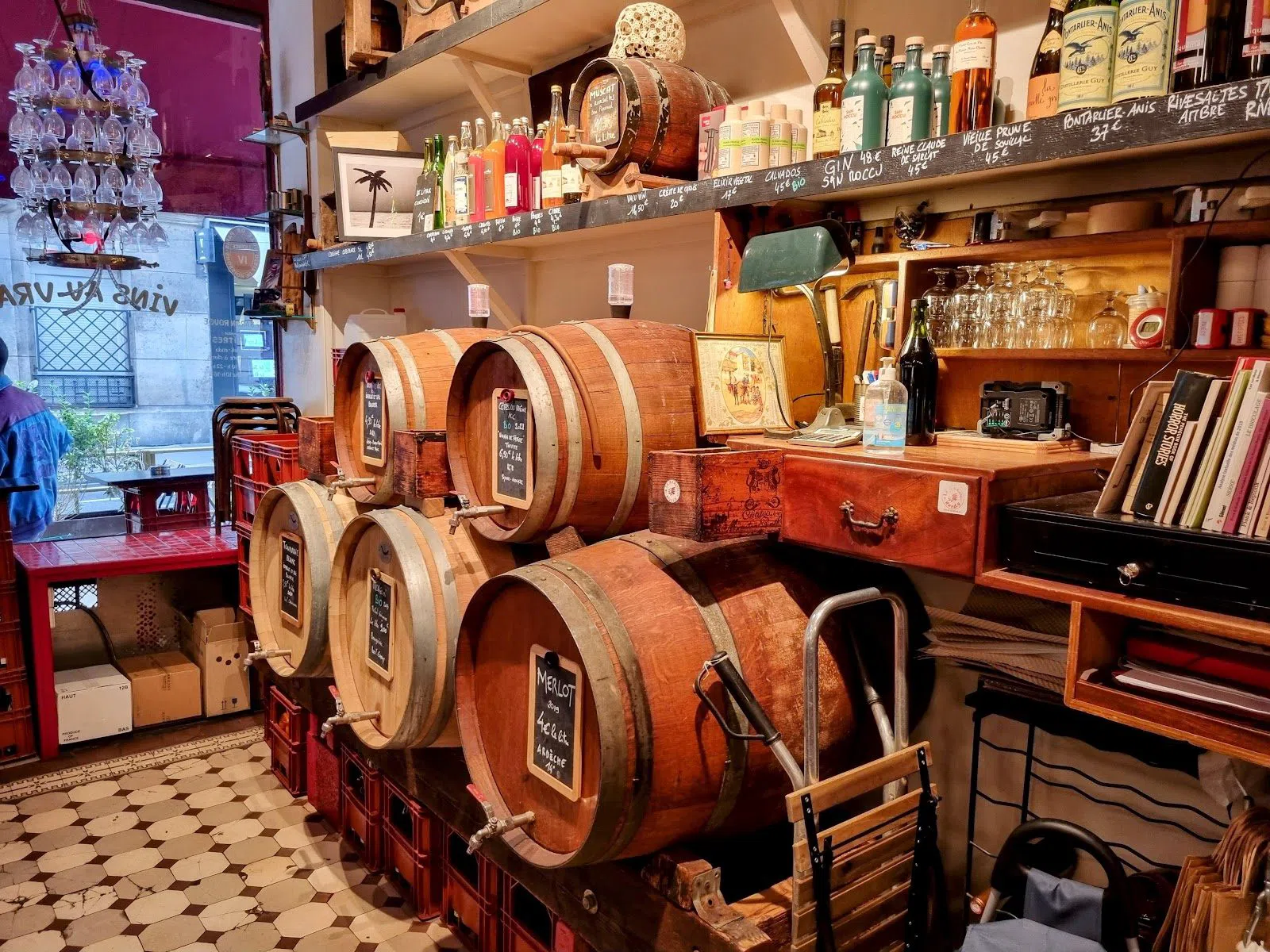
Thirty seconds' ride away, Le Baron Rouge (Aligre, 12th) has been pouring wine straight from the barrel since 1991. Glasses start around €3–5 and charcuterie or cheese plates run €8–14. There are no bookings and effectively no seats; four or five of you will be comfortable enough standing at a barrel, ten of you will be on the pavement, which on a Sunday lunchtime (oyster time, and the busiest hour of the week) is where everyone is anyway.
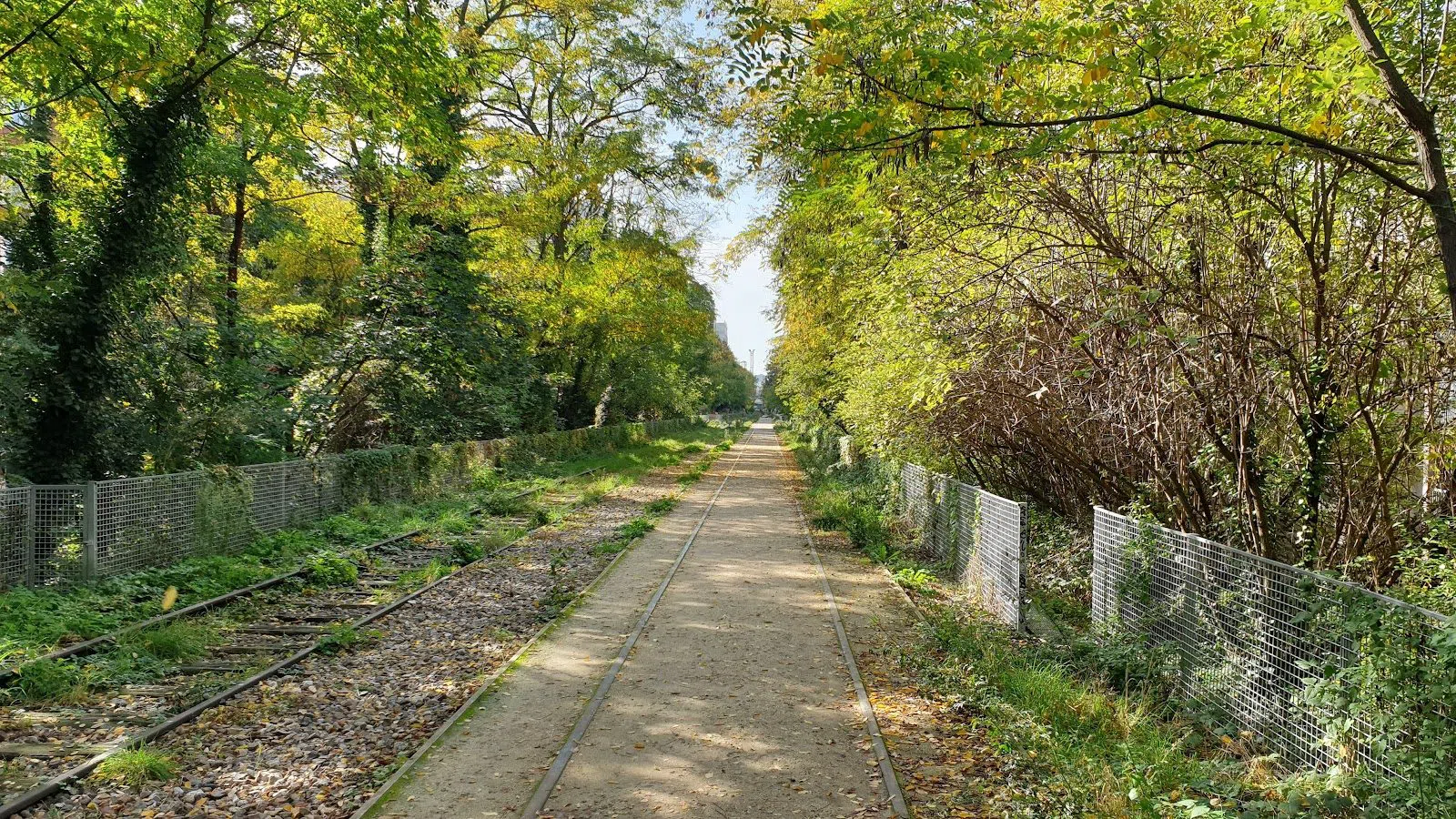
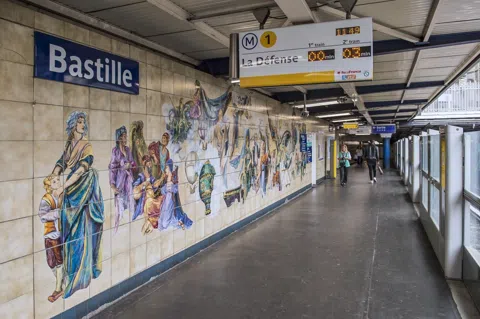
Heading east from Bastille, the temptation is the Coulée verte René-Dumont (12th, the elevated line running east from Bastille), and this is the one thing in Paris that regularly gets visitors turned back. Bikes are banned on the elevated viaduct section. The planted walkway above the arches is pedestrian-only, and enforcement is real. Ride the bike lane on Avenue Daumesnil directly beneath it instead, and rejoin the green route at the Reuilly tunnel: from Reuilly eastward, cycling is permitted all the way to the Bois de Vincennes. If you want the viaduct itself, dock the bikes at Bastille and walk that kilometre as its own thing.
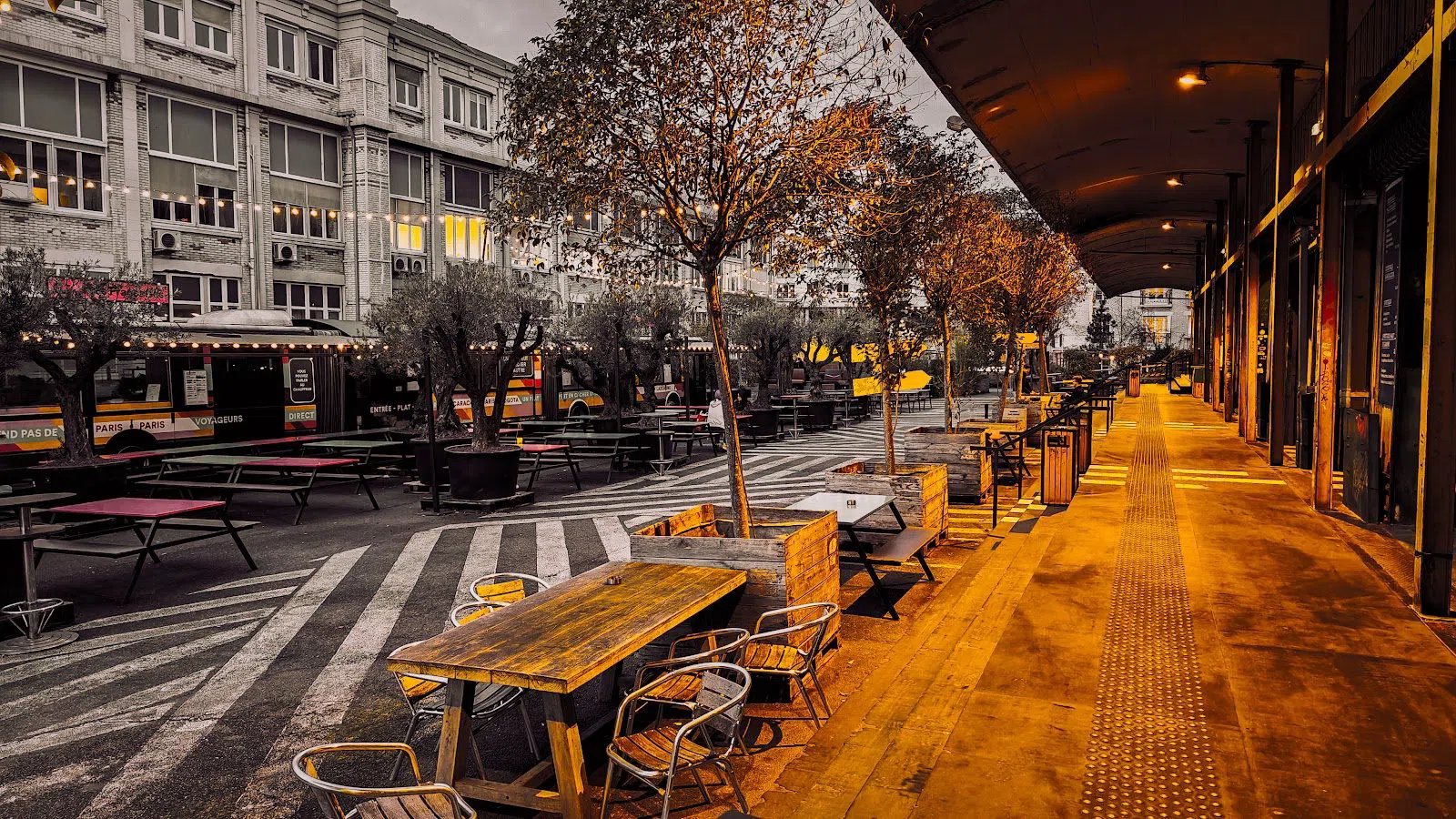
On the Avenue Daumesnil run you pass Ground Control (12th, in the old railway buildings by the Gare de Lyon), the most forgiving landing spot in this part of the city for a mixed group: eleven restaurants and seven bars under one roof, no reservation needed for general entry, street-food plates roughly €10–16 and beer around €6. There is a sauna and baths on site if someone wants to disappear for an hour. The trap is the calendar. It is closed Monday and Tuesday, and opens Wednesday and Thursday from midday to midnight, Friday and Saturday to 01:00, Sunday to 22:30.
Keep going and the city ends at the Bois de Vincennes, which has more than fifty miles of paths and is largely free of cars. That is why it is the easiest big ride out of the centre: you are not negotiating anything, just turning the pedals. At Lac Daumesnil (Bois de Vincennes) you can take a rowing boat out for €15 for one or two people, €16 for three or four, plus a €20 refundable deposit. Boats seat four, several can go out at once for a larger group, and there is no booking; it is first come, first served. Check the season first: boat hire closes from 15 November to 15 February.
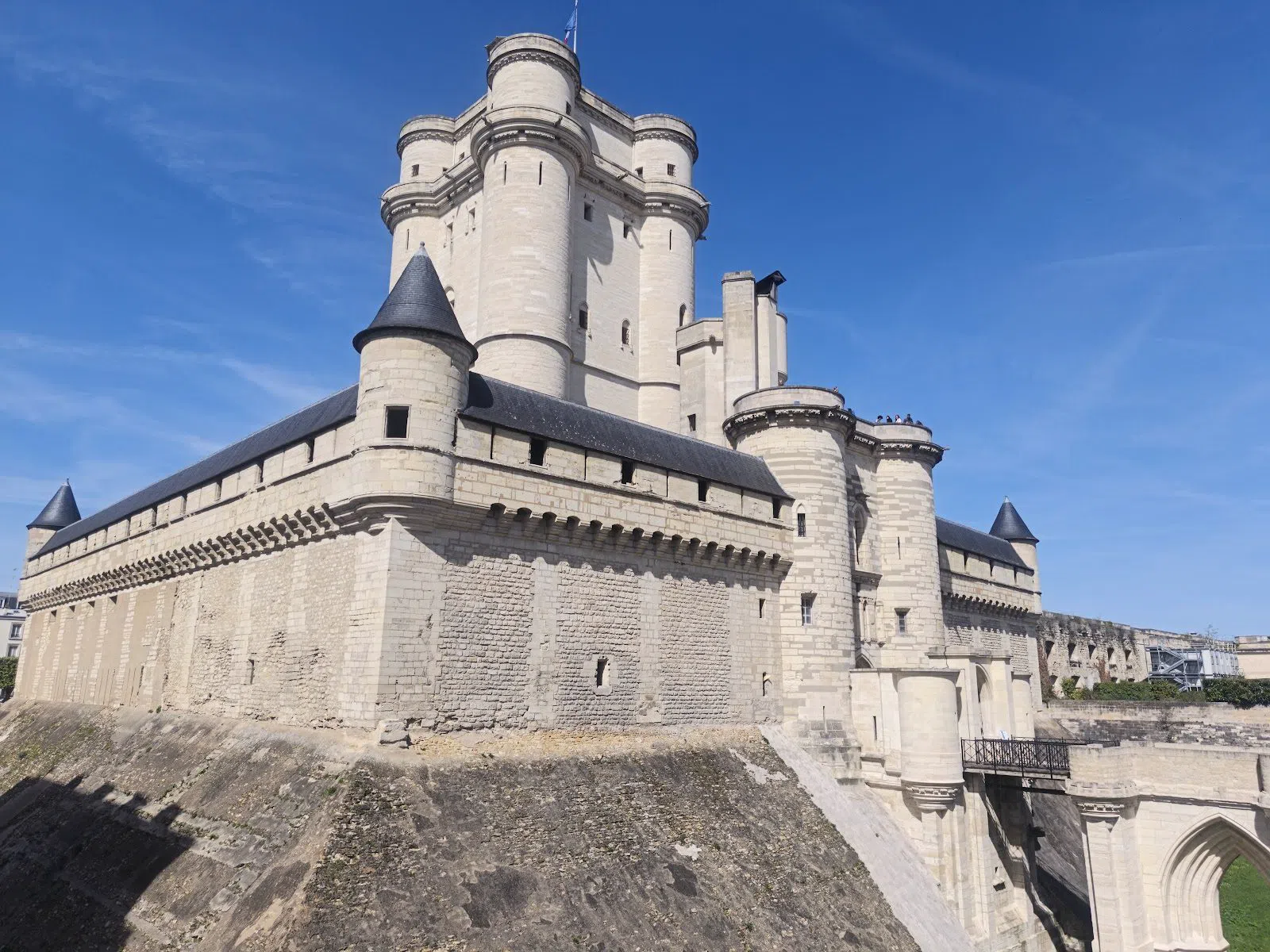
A few minutes further and Château de Vincennes (eastern edge of the Bois) turns the ride into a destination rather than a lap of a park. The medieval donjon is a sight in its own right. Entry is €13 for adults, free for under-18s and for EU residents aged 18–25, and free for everyone on the first Sunday of the month between November and March. It opens daily 10:00–17:00 from 23 September to 20 May, and 10:00–18:00 in summer. Group rates and guided visits are bookable through the Centre des monuments nationaux, which is worth doing if there are more than half a dozen of you.
The cheapest reset in the 5th
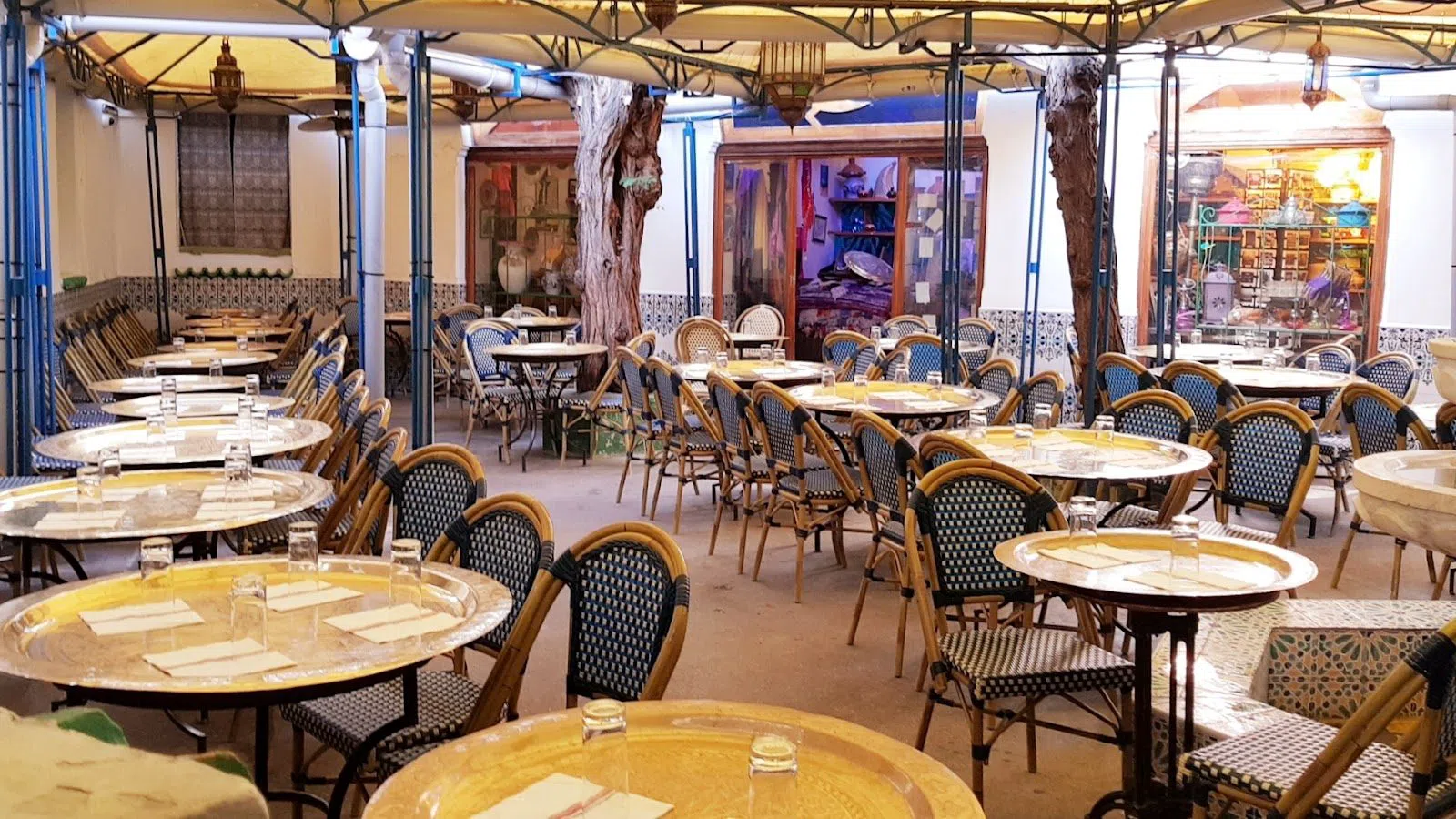
When a ride runs long, the Salon de thé de la Grande Mosquée de Paris (5th, two minutes from the Jardin des Plantes) is the stop that asks nothing of you. It is open every single day of the year, 09:00 to midnight, takes no reservations, and mint tea and pastries cost a couple of euros each. Groups turn up and find space in the courtyard among the fig trees and the tiled fountains. It sits just off the left-bank quay route, so it slots into the river ride without a detour, and six people can sit down at short notice for under €20 between them.
Riding this as a group
The constraint on a group is never the bikes, it is the docks. A single station often has fewer free docks than a group of five needs on return, so split across two stations from the start and agree the meeting point on foot rather than at the racks. Anything over four people, plan it that way by default.
The second constraint is pace. Somebody in every group is slower on a bike than they think, and the honest fix is to put that person on an electric and everyone else on mechanicals, which levels the speeds and stops the elastic-band effect through traffic. Ride single file on the canal quays on weekdays and on the Île aux Cygnes always; ride two abreast on the Rives de Seine and in La Villette, where there is room.
Practical notes
Two to three hours of riding covers any one of these routes with stops. The quays are emptiest before 10:00 and after 19:00; the canal is best on a Sunday under Paris Respire; Aligre is a morning, full stop.
On money, a 24-hour mechanical pass at €5 plus a couple of overages makes a realistic €7–9 day. Budget separately for the roughly €300 card hold on non-EU cards. Markets and the barrel wine at Le Baron Rouge are happier with cash; everywhere else takes cards.
Write the closures down. Ground Control is shut Monday and Tuesday. The Aligre market is shut Monday. Lac Daumesnil boats are out of the water 15 November to 15 February. Bikes are banned on the Coulée verte viaduct.
Every route here ends near a Métro or RER station, so if the weather turns or the legs go, dock the bike and take the train home. That is the argument for Vélib over hiring: you can quit the ride at any point without owing anyone a bike. For the rest of the city, the seasons and the sit-down places, read the Paris guide.
Before you go
Do I need to book a Vélib in advance?
No. You buy at the station terminal or in the Vélib' Métropole app with a bank card, then unlock a bike straight away. There is no counter and no opening hours, and with roughly 1,465 stations and 18,200 bikes across Paris and 64 neighbouring communes, you can decide where you are standing.
What does a day on Vélib actually cost?
A 24-hour pass is €5 for mechanical bikes and €10 for electric, and a 3-day pass is €20. A single Ticket-V is €3 for one trip of up to 45 minutes. Beyond your allowance you pay €1 per extra 30 minutes on a mechanical bike and €2 on an electric, so most people spend €7 to €9 across a full day.
Will my foreign card be charged a deposit?
Non-EU cards usually face a pre-authorisation hold of around €300. It is a hold rather than a charge and it does release, but it can freeze a big chunk of a debit account for days. Use a credit card if you have one, and check the hold has cleared before you rely on the balance.
Can I cycle the Coulée verte René-Dumont?
Not on the elevated viaduct running east from Bastille: that section is for pedestrians and bikes are not allowed. You can cycle from the Reuilly tunnel eastward to the Bois de Vincennes. Ride the Avenue Daumesnil bike lane beneath the arches and rejoin at Reuilly, or dock the bikes and walk the viaduct.
Which day is best for riding Canal Saint-Martin?
Sunday or a public holiday. Under the Paris Respire scheme the Quai de Valmy and Quai de Jemmapes close to traffic from 10:00 to 18:00, and until 20:00 in summer, so the quays are left to bikes. On a weekday expect cobbles, delivery vans and pedestrians stepping off the kerb, which still rides fine but in single file and slower.