By eight on a Saturday morning, the metal shutters of Saint-Ouen are still rattling up, and the first coffee of the day is going down black and fast in the cold. There's a short window — maybe ninety minutes — before the crowds thicken and the aisles turn into a shuffle, when a chandelier catches the low light just right and a dealer three stalls down is testing a 1920s trumpet for two clean notes. This is the real rhythm of the Paris flea market circuit: one enormous market at the northern edge of the city, a handful of tougher, cheaper cousins inside the périphérique, and an unwritten etiquette that rewards anyone patient enough to learn it before they start pointing at things.
Saint-Ouen: The Market That Started It All
Marché aux Puces de Saint-Ouen (Porte de Clignancourt, just north of the 18th arrondissement, technically over the city line in the commune of Saint-Ouen) is the reason people build a Paris trip around a Saturday. It has run continuously since the 1870s, when ragpickers evicted from central Paris regrouped here to sort and resell what the city threw out — and it's now the largest antique market in the world, a sprawl of open-air streets and covered halls that takes a full day to see properly, let alone shop. It's open Saturday and Sunday from 10am to 6pm, and Monday from 11am to 5pm — Monday is the connoisseurs' day, thinner crowds, dealers with more time to talk. Browsing costs nothing; what you spend is entirely up to which hall you wander into, from €20 bric-a-brac to five-figure antiques with paperwork. The one honest caveat: the covered aisles in halls like Vernaison and Dauphine are narrow enough that a group over about fifteen simply can't move through them together at Sunday peak, so if you're travelling with a big party, plan to split up and reconvene for lunch.
Vernaison and the Art of Actually Bargaining
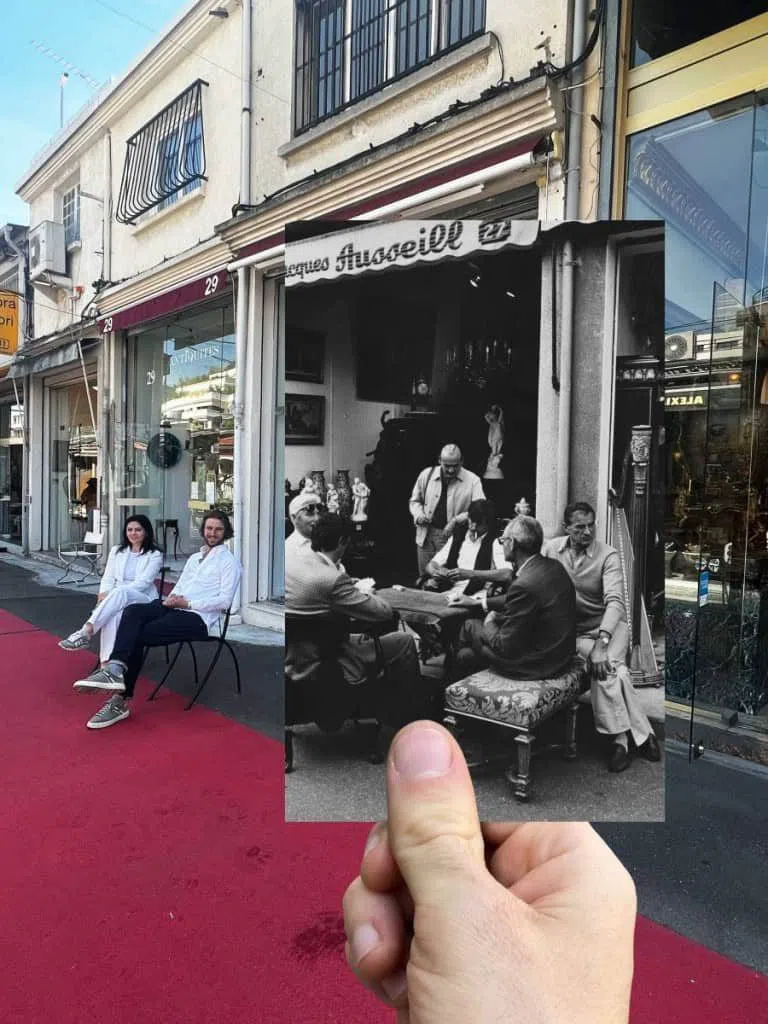
Marché Vernaison (the oldest structure at the Puces, built in 1920, at the Rue des Rosiers end of the market) is still what a flea market is supposed to look like — timber-framed, low-ceilinged, packed tight with stalls selling everything from €5 curios to a few hundred euros of furniture. This is where the etiquette of the place actually gets taught, stall by stall. A price chalked on a tag is an opening position, not a fact: ask "c'est votre meilleur prix?" (is that your best price?), expect maybe 10–15% off unmarked or negotiable pieces, and understand that dealers who've been here decades read hesitation instantly — decide what you want before you start talking numbers, and don't bargain on something you don't actually intend to buy. Vernaison's alleys are genuinely too narrow for a group bigger than eight or ten to stay together, which is part of its charm and part of the reason it never feels like a tourist set.
The Top Shelf: Nineteenth-Century Furniture at Marché Biron
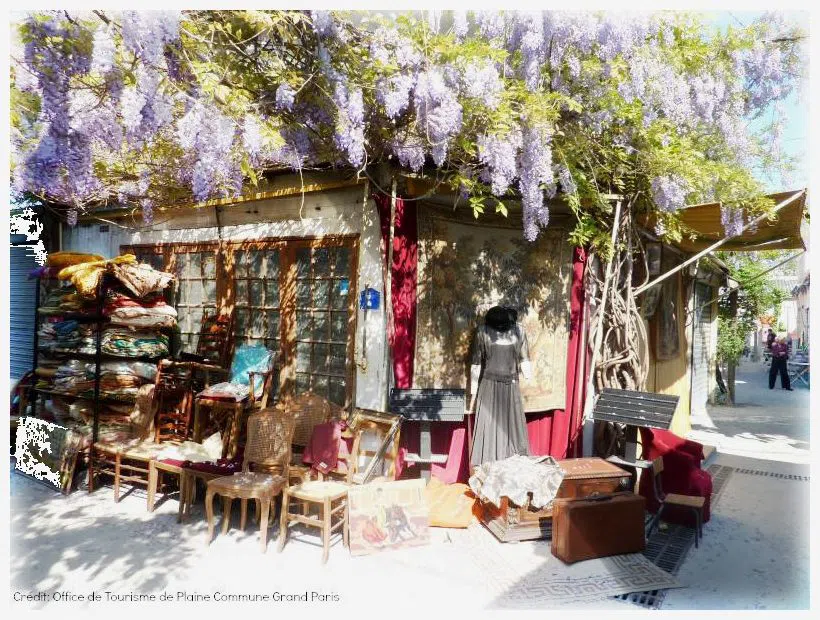
At the opposite end of the price spectrum sits Marché Biron (the grand, gallery-lined section of the Puces, opened in 1925), which built its reputation on Napoleon III-era furniture and has stayed the top end of the market ever since. These are dealer galleries, not stalls — museum-grade pieces, documented provenance, and prices that run €€€ to €€€€, meaning four to five figures is the normal range, not the exception. Small groups of two to six serious buyers are welcome, generally by appointment; this is not a hall built for a fifteen-person tour to drift through, and dealers here are working, not performing. If you're actually furnishing a room rather than souvenir-hunting, this is where you come with a tape measure and a shipping plan already in mind — most dealers can arrange international freight.
Fashion Territory: Paul Bert Serpette and Malik
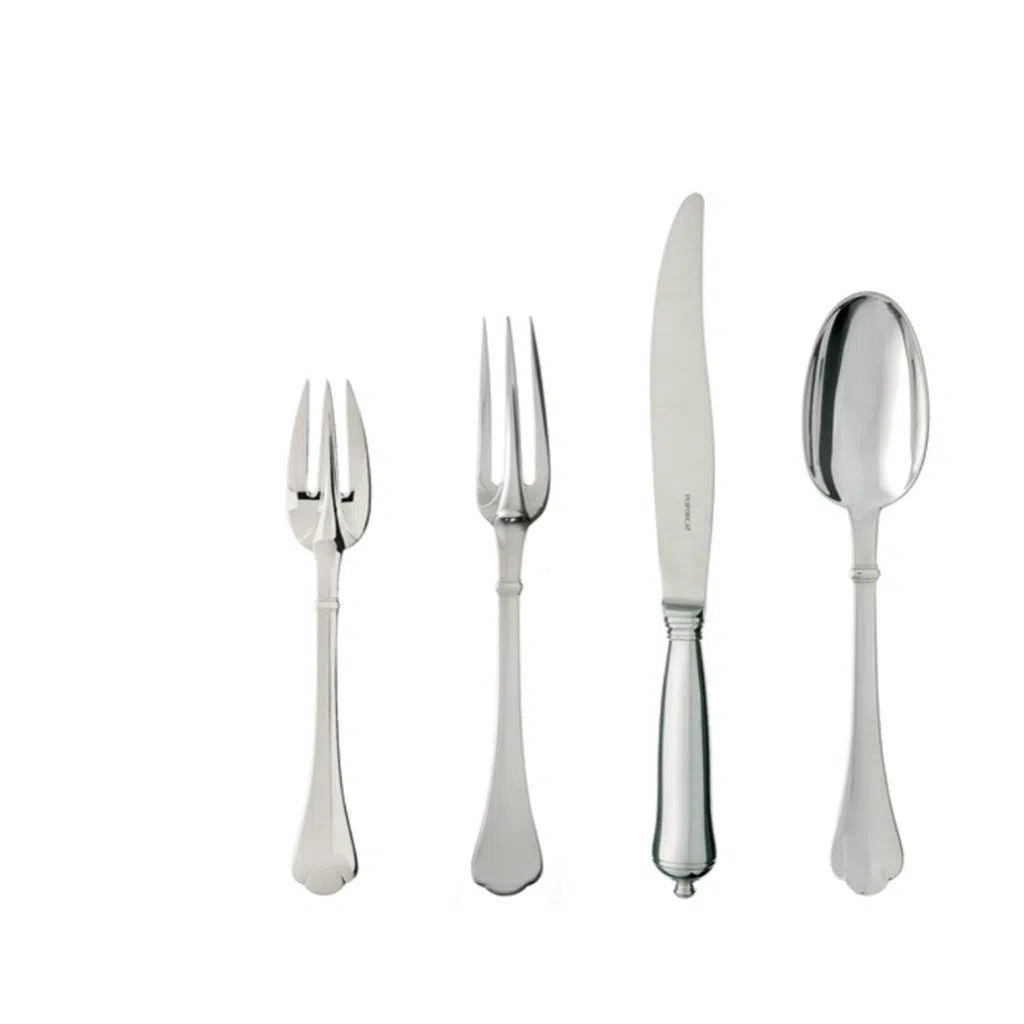
Marché Paul Bert Serpette (370 dealers under one roof, roughly in the middle of the Puces) is the hall stylists and set-decorators comb first, and it's also the most group-friendly space at Saint-Ouen — wide aisles, over 5,000 visitors on a normal weekend, and a range that runs from vintage fashion pieces starting around €30 up to design furniture in the thousands. It's the closest thing the Puces has to a curated department store, mixing mid-century chairs with rails of archive-worthy clothing.
For the counterpoint, there's Marché Malik (founded in 1942 on secondhand military uniforms, near the Rue Jules Vallès entrance), the streetwear and vintage-clothing hall — casual, crowd-friendly, and the budget end of the whole market, with most pieces under €50. Where Serpette curates, Malik is a dig: crate after crate of denim, band tees, and army surplus, popular with a younger, fashion-literate crowd who know exactly what they're hunting for and aren't afraid of getting their hands dirty to find it.
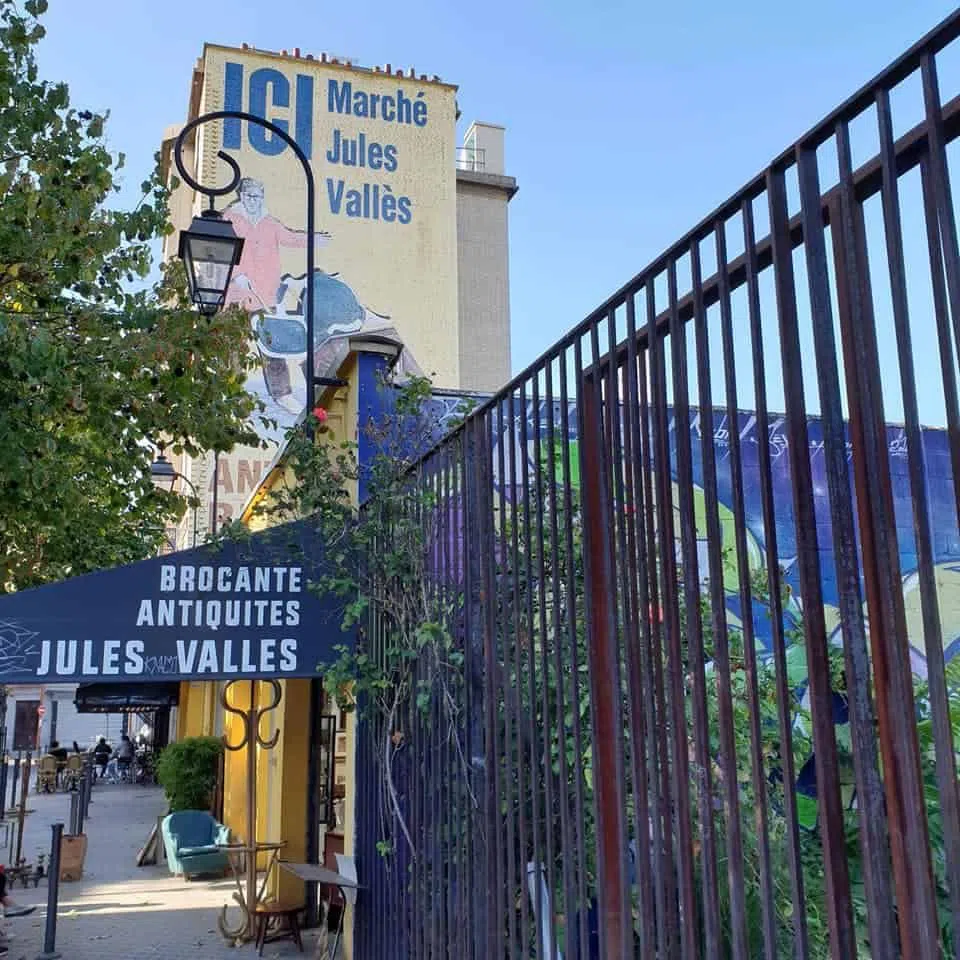
Small Things, Cheap Things: Marché Jules Vallès
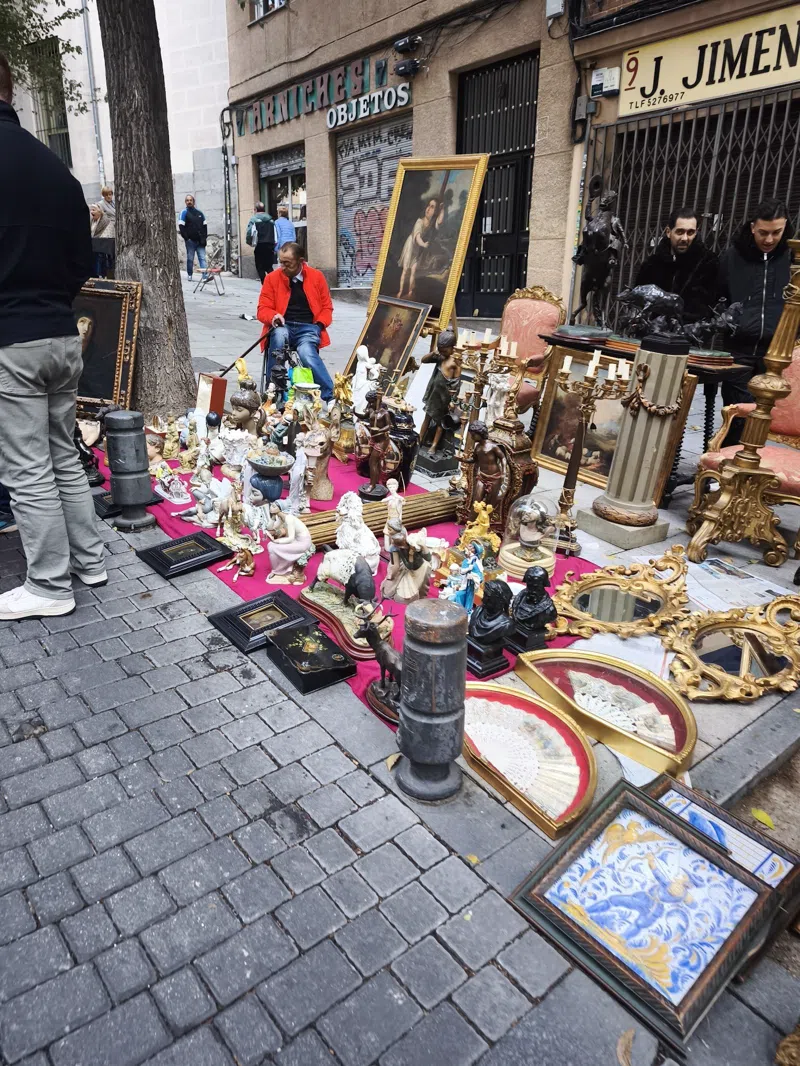
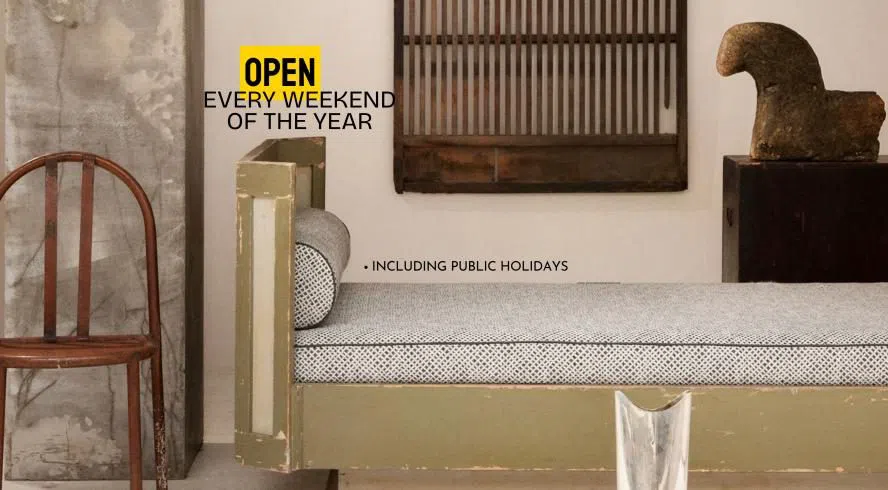
Marché Jules Vallès (dating to 1938, one of the smaller lanes toward the edge of the market) is the attic-treasure corner — the cheapest and most picturesque part of the Puces, where postcards, old tools, mismatched cutlery, and objects nobody has quite identified yet get piled onto trestle tables. It's genuinely the place to find something for a few euros that a Biron dealer would put a velvet rope in front of, but the lanes are so narrow that it only really works solo or in pairs — bring a friend, not a party.
Where the Dealers Go After the Stalls Close
When the shutters start coming down, the market doesn't quite end — it just moves indoors. La Chope des Puces (a corner café-bar inside the market itself, open since 1963) is the actual dealer hangout, not a tourist recreation of one: a bistro menu, café-and-bar prices in the €€ range, and live gypsy jazz — manouche guitar in the Django Reinhardt tradition — most Saturday and Sunday afternoons. Small groups are welcome, but on market weekends when a set is playing, book ahead; the room fills with regulars who've been coming for years and locals who know exactly when to show up.
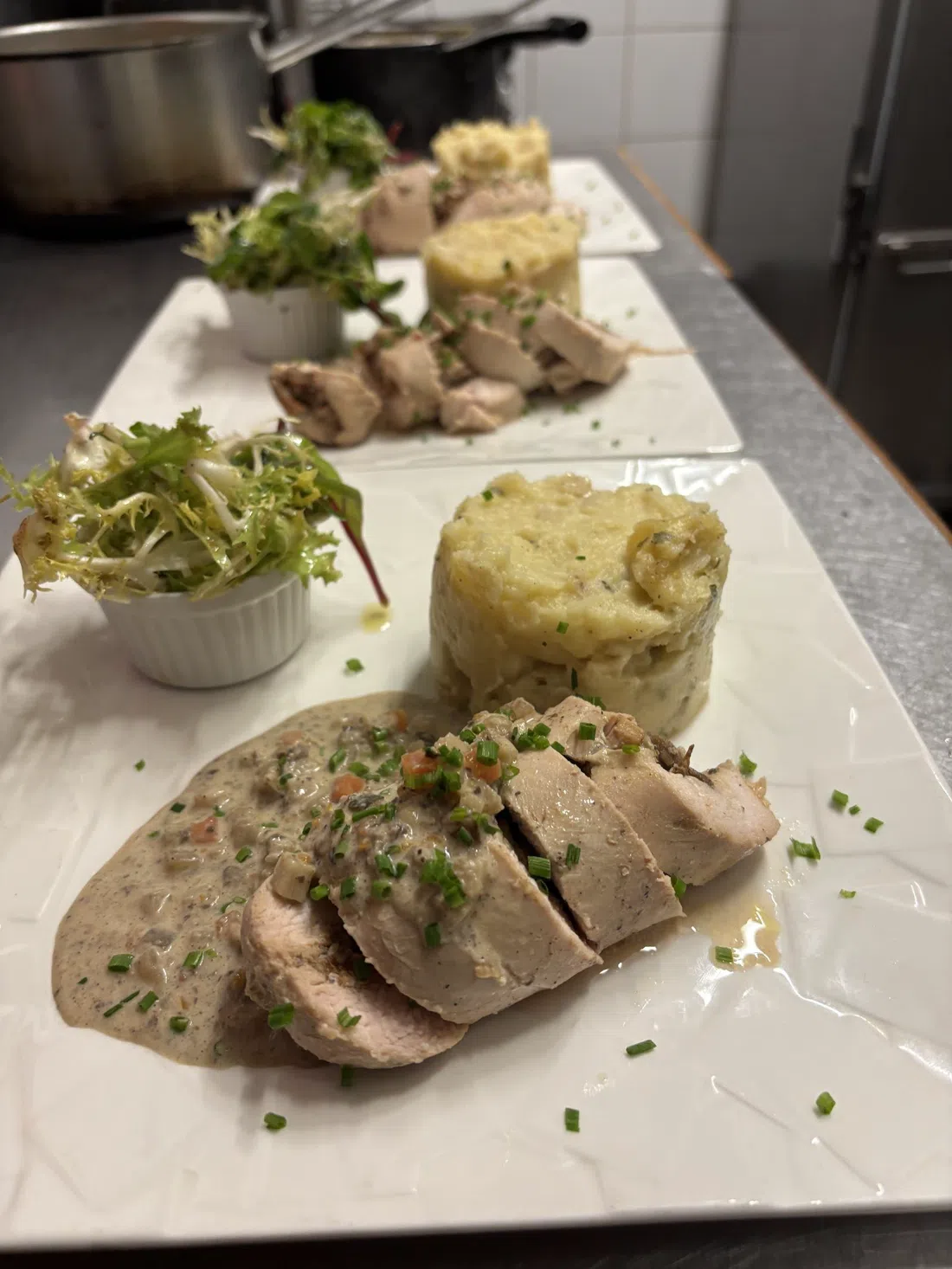
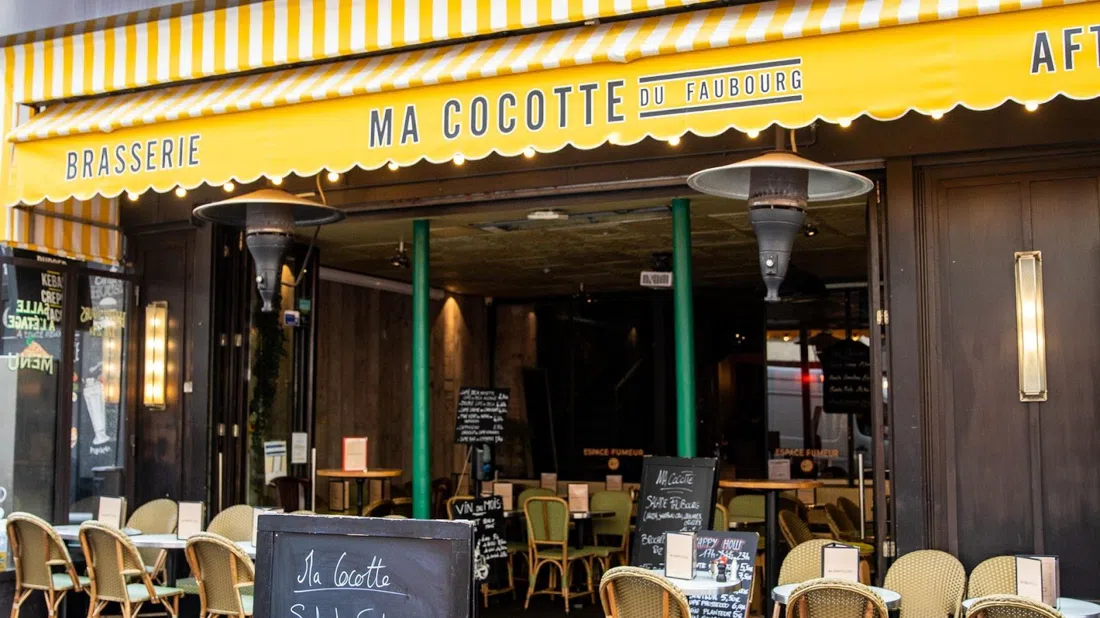
A short walk away, Ma Cocotte (a 250-seat duplex restaurant at the edge of the market) is where the buyers, dealers and stylists actually land for lunch mid-hunt — it's €€€, with mains and the Sunday buffet brunch running roughly €25–45, and it's genuinely built for groups in a way the market stalls aren't: big tables, fast turnover, a menu that doesn't punish you for showing up starving and slightly dusty from three hours of browsing. If La Chope is where the dealers unwind, Ma Cocotte is where the whole trade eats.
Beyond the Périphérique: The Neighbourhood Markets
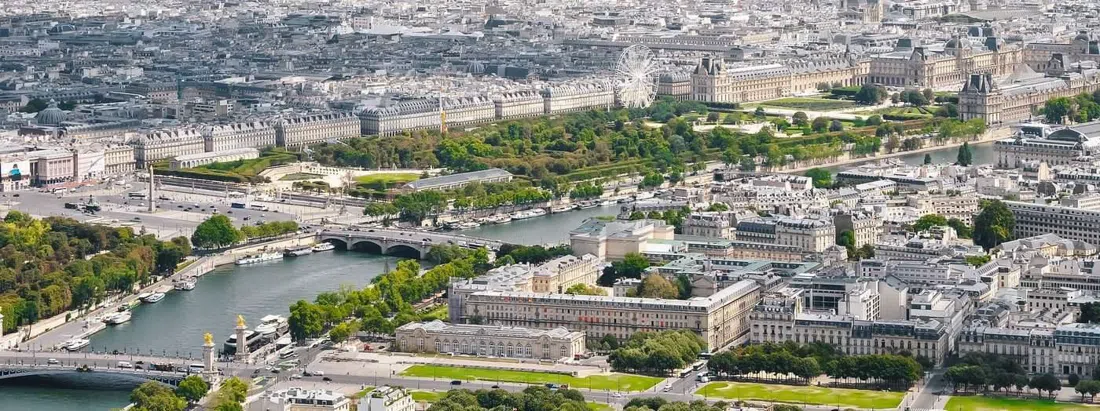
Saint-Ouen isn't the only hunt in town, and for readers with less than a full day, the smaller markets scattered across Paris proper are worth building a morning around.
Marché aux Puces de Vanves (Porte de Vanves, 14th arrondissement) is Paris's only flea market inside the périphérique, and it runs to a tighter clock than Saint-Ouen: Saturday 7am–2pm, Sunday 7am–1pm, and vendors genuinely start packing up around 12:30 — this is not a market you show up to at eleven and expect the full selection. It's an open street market, so groups move through it easily, and prices are generally lower and more negotiable than Saint-Ouen's dealer halls. Arrive early, ideally before 9am, and you'll have first look at what came off a house clearance that week.

Further east, Marché aux Puces de Montreuil (Porte de Montreuil, straddling the city's eastern edge) has been running since 1860 and has never bothered to polish itself up for visitors — it's bric-a-brac in the truest sense, rock-bottom prices, and a crowd that's mostly local. It's an honest counterweight to Saint-Ouen's tourist-facing galleries: don't expect provenance paperwork, expect to dig.
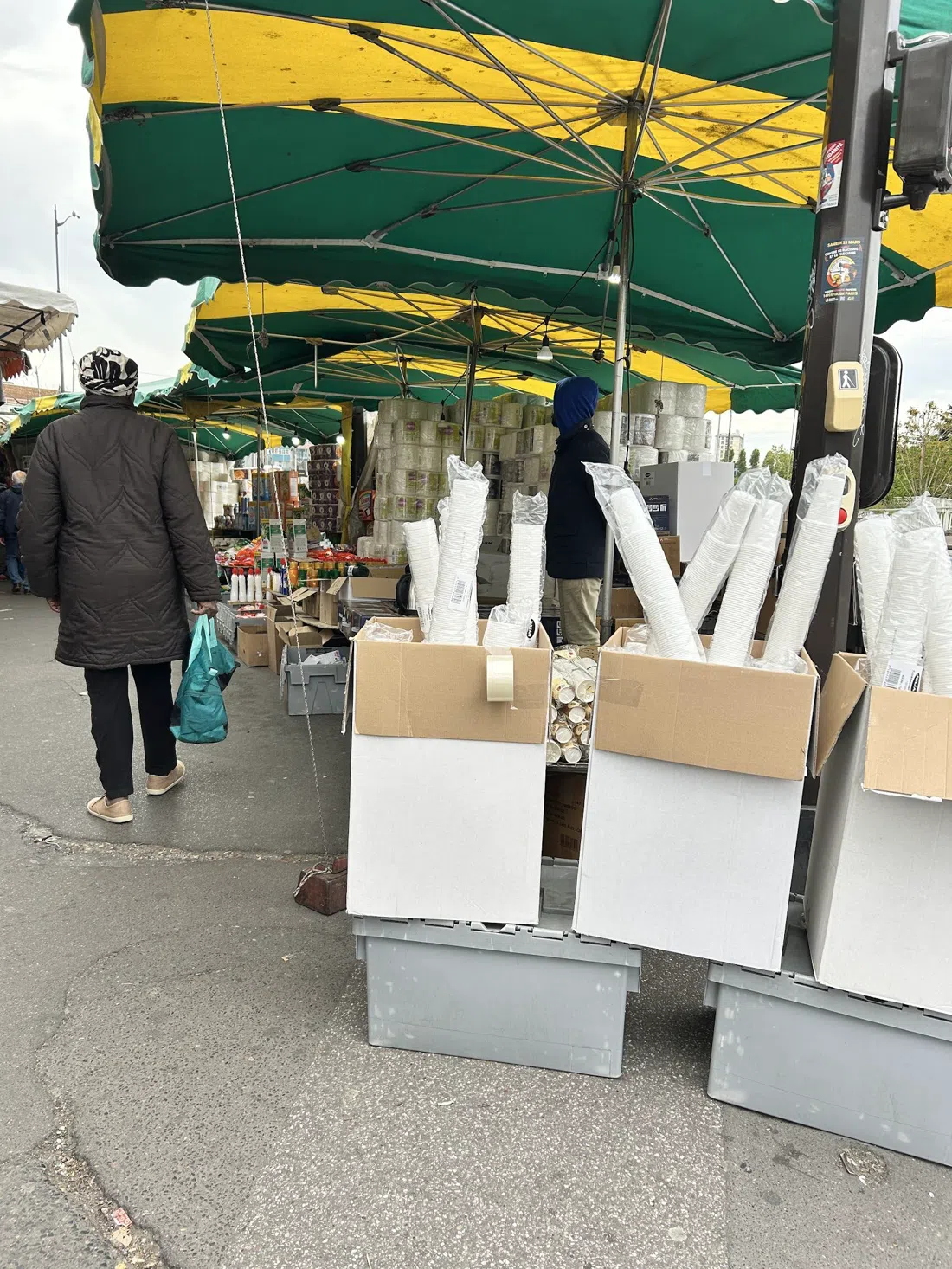
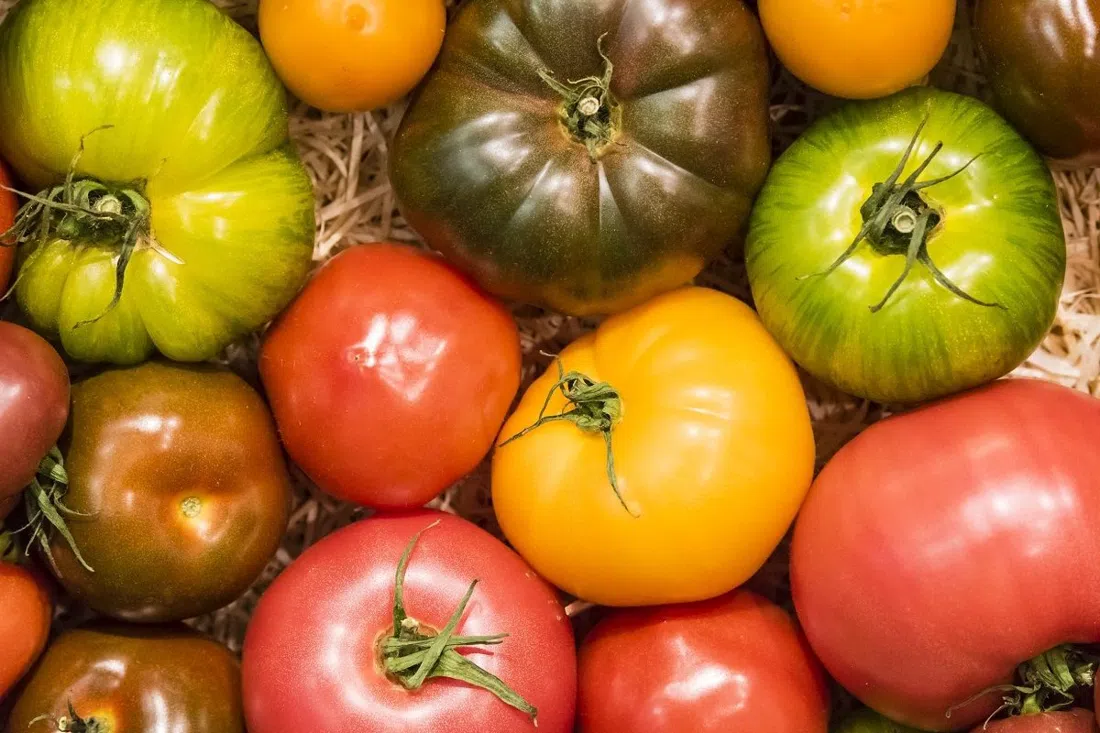
Closer to the centre, Marché d'Aligre (12th arrondissement, near Bastille) is a genuine 300-year-old neighbourhood market that happens to run a weekend brocante section alongside its food stalls — small groups are comfortable in the compact square, though it gets properly crowded by late Sunday morning, so aim for earlier. It's café-and-croissant money rather than antique-buying money, and the appeal is as much the produce stalls and the general Sunday-morning Paris of it all as any single find.
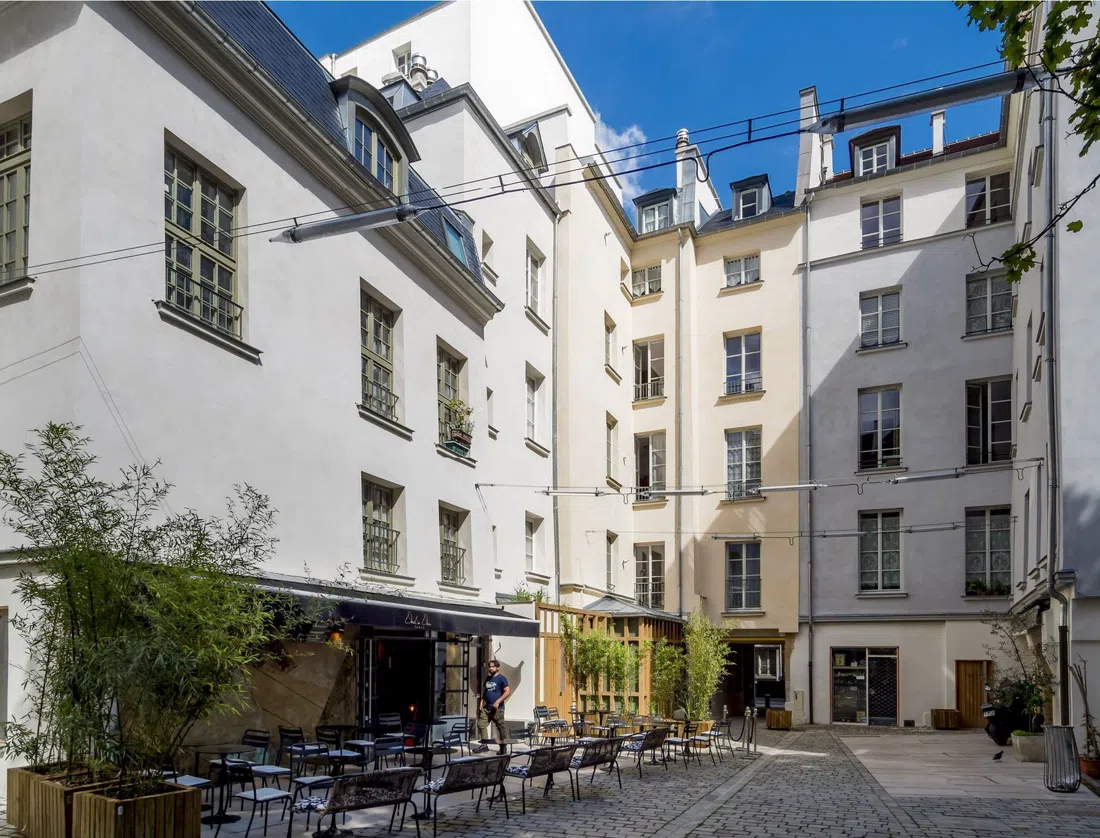
And inside the Marais, Village Saint-Paul (4th arrondissement, a pedestrian run of courtyards just off Rue Saint-Paul) is the in-city answer to Saint-Ouen for anyone who won't make the trip to the périphérique — around 80 antique and design dealers, mid-range prices in the €€–€€€ bracket, and best visited on a Sunday, when all the courtyards are open at once. It's walkable straight from a hotel in the centre, which makes it the easiest of all these markets to fold into a normal day of sightseeing; the Paris hotel search is worth a look if you want to base yourself close enough to wander over on a whim rather than plan around a métro ride.
The Practical Hunt
Getting there. Line 4 to Porte de Clignancourt is the standard route into Saint-Ouen — from the station, it's a ten-minute walk north, and you do have to cross the périphérique itself; signage is patchy, so aim for the crowd rather than the map. Vanves is Line 13 to Porte de Vanves. Montreuil is Line 9 to Porte de Montreuil or Line 3 to Robespierre. Aligre is Line 8 to Ledru-Rollin. Village Saint-Paul is Line 1 to Saint-Paul, then a two-minute walk.
Cash. Bring it, especially away from the big dealer galleries. Vernaison, Jules Vallès, Vanves and Montreuil run heavily on cash, particularly at the point of actually agreeing a lower price — a dealer will often knock a few euros off for cash that they won't for card. The high-end halls, Biron and Paul Bert Serpette, take cards without issue and can arrange shipping for larger purchases.
Timing. Saint-Ouen rewards an early start on Saturday or Sunday, before coach groups arrive mid-morning; Monday is quieter still. Vanves is essentially finished as a market by early afternoon, so it's a breakfast-hour outing, not a lazy Sunday one. If you're trying to do more than one market in a day, Aligre or Village Saint-Paul pair naturally with a Saint-Ouen morning, since both sit closer to the centre.
Budget. You can browse Saint-Ouen for free and leave with a €5 find from Jules Vallès, or spend five figures at Biron — the range is the point. For a realistic day out with lunch and no major purchase, budget somewhere around €40–80 per person, mostly on food and the odd small object you didn't plan on buying.
Bargaining, briefly. Ask, don't demand; expect more room to move at the open street markets (Vanves, Montreuil, Vernaison) than at the curated galleries (Biron, Paul Bert Serpette), where prices already reflect research and restoration. And once you've found the place — or the hall, or the dealer — worth a return trip, the Paris guide has the rest of the city mapped out for the hours when the stalls are shut.