The Paris issue
The Screen That Ate Paris: A Cinema-Lover's City, from the Lumière Brothers to the Last Picture Palaces
Paris didn't just love cinema — it invented it, and the proof is still on screen every night, from the Latin Quarter's arthouse caves to a free lawn under the summer stars.

By Sasha LindholmThe unhurried side of Paris
The first paying audience for projected film gathered in a basement salon on the Boulevard des Capucines in December 1895, handed over a franc, and watched moving pictures thrown onto a sheet by two brothers named Lumière. Paris has never quite come back up into the light since. More than a century and thirty years on, this is still a city that will queue in the rain for a print it has seen a dozen times, that treats a Wednesday-afternoon repertory screening as a standing appointment rather than a night out, and that keeps more working cinemas inside its walls than any capital close to its size.
What follows is not a ranking and not a bucket list. It is a set of walkable clusters — the Left Bank caves, the Grands Boulevards palaces, Montmartre's garden hall, the archives that keep the reels turning — arranged so you can build a day, or a whole week, around film without ever touching a car. Read it alongside the wider Paris guide if you want to slot cinema into a larger itinerary.
The Latin Quarter caves: where the New Wave learned to look
Begin on the Left Bank, in the fifth arrondissement, where the cinephile geography of the whole city is folded into a few streets behind the Sorbonne. This is the densest concentration of arthouse screens in Paris, and you can walk the lot of them in ten minutes.
Le Champo (Latin Quarter, on the rue des Écoles) has been open since 1938, a small single-operator house of two screens that François Truffaut once called his headquarters. It is a listed monument that still runs director retrospectives and full all-nighters — turn up at midnight and leave at dawn. There is no formal group desk; it takes informal groups and student cinema clubs on a first-come footing, and tickets run €7–€9.50. It suits a couple or a lone obsessive better than a coach party.
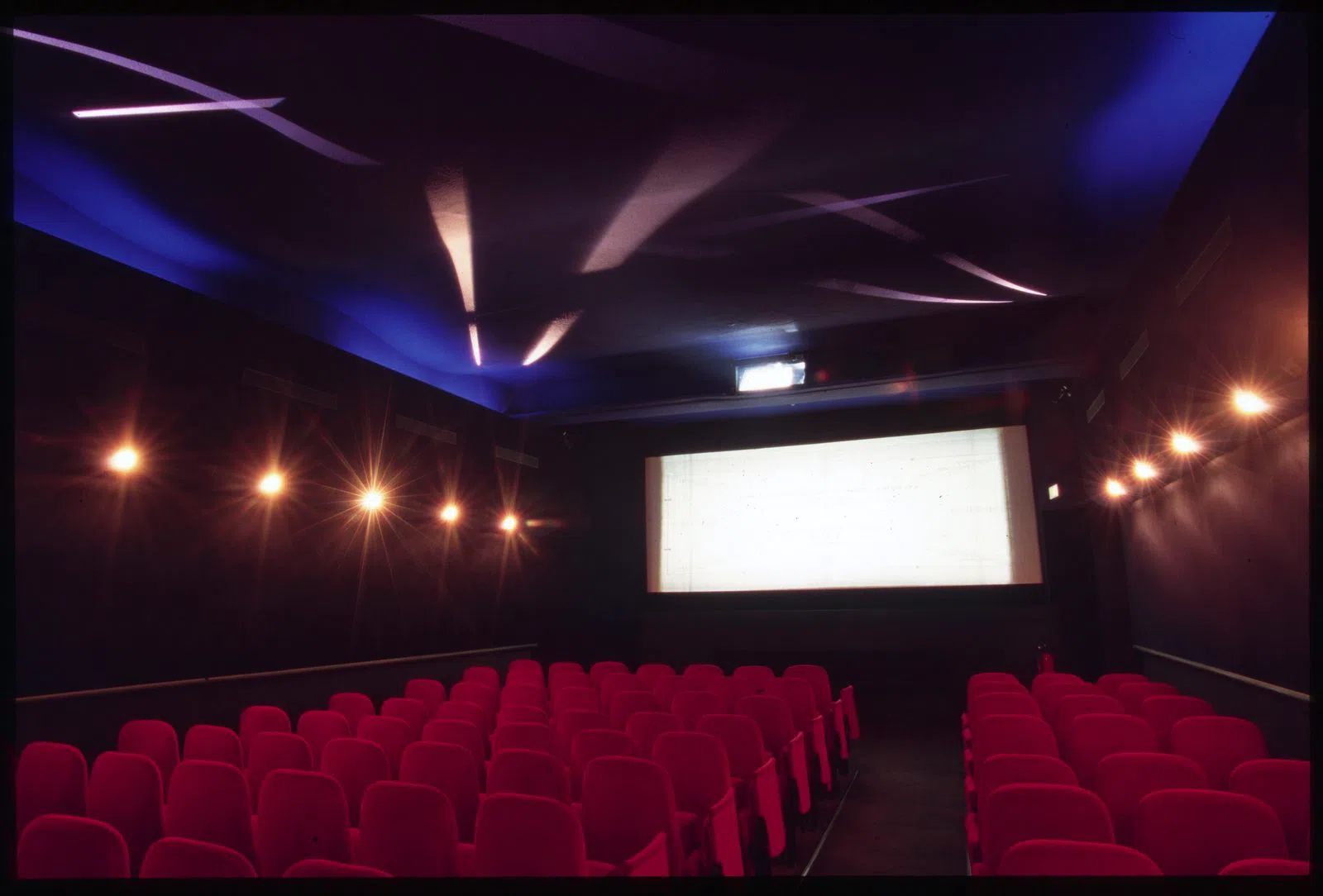
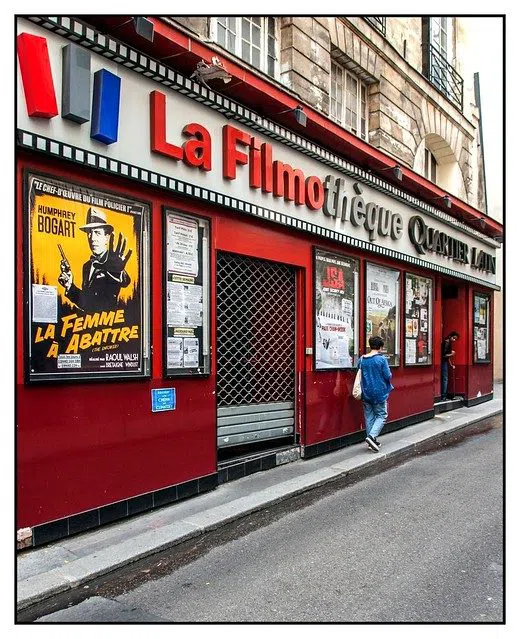
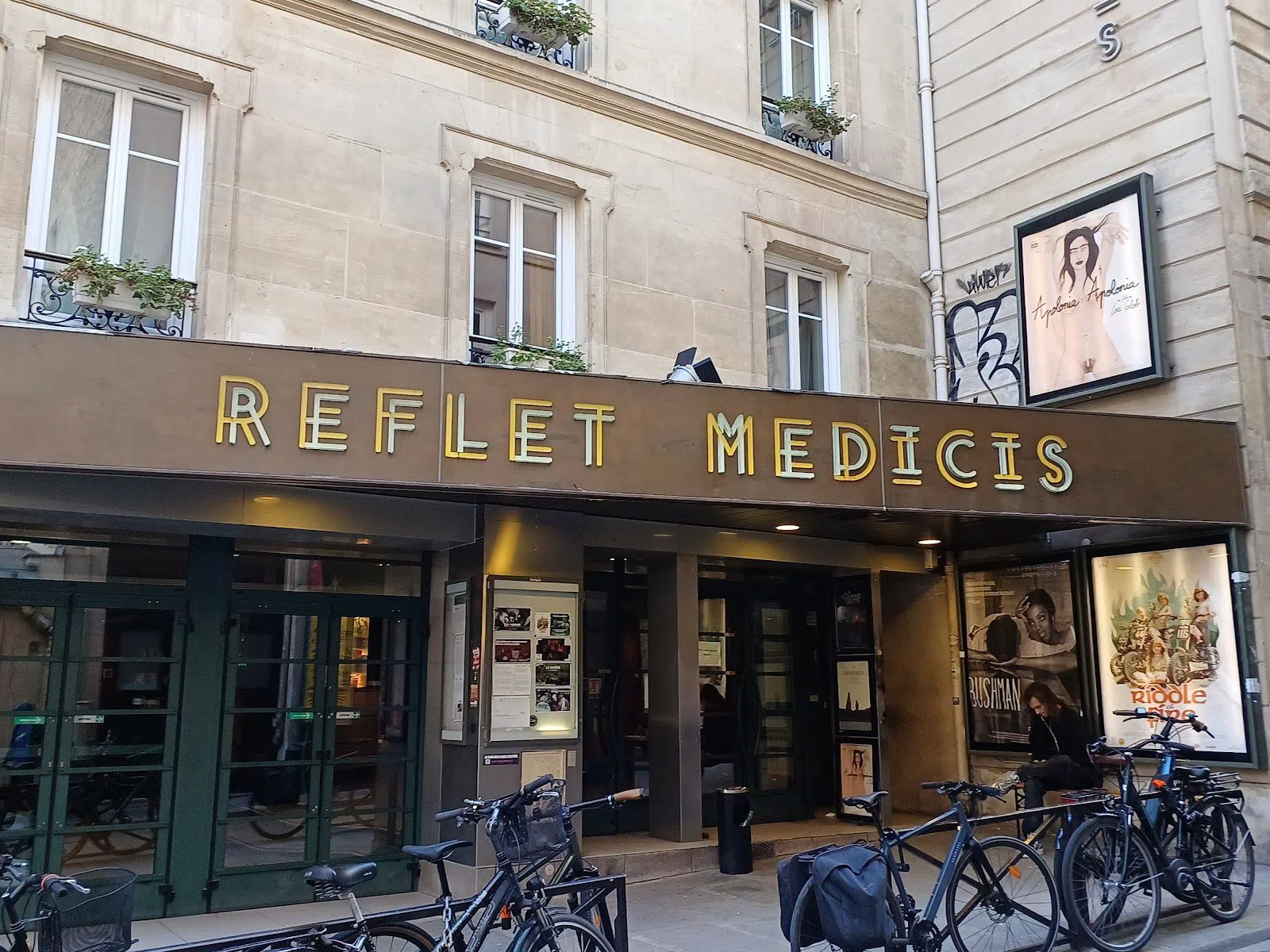
Round the corner is the rue Champollion, a cobbled slot of a street that is, screen for screen, the most cinephile address in the city. Le Reflet Médicis (Latin Quarter, rue Champollion) holds three screens of classics in their original version, retrospectives and fresh restorations; it is happy to take groups and cine-club bookings, keeps a casual door, and charges €7–€9.50. A few doors along, La Filmothèque du Quartier Latin (Latin Quarter, rue Champollion) runs no new releases at all — just indestructible classics on a loop, the purest of the Champollion caves and a rite of passage for Sorbonne film students. Two small screens, informal group welcome, €7–€9.50.
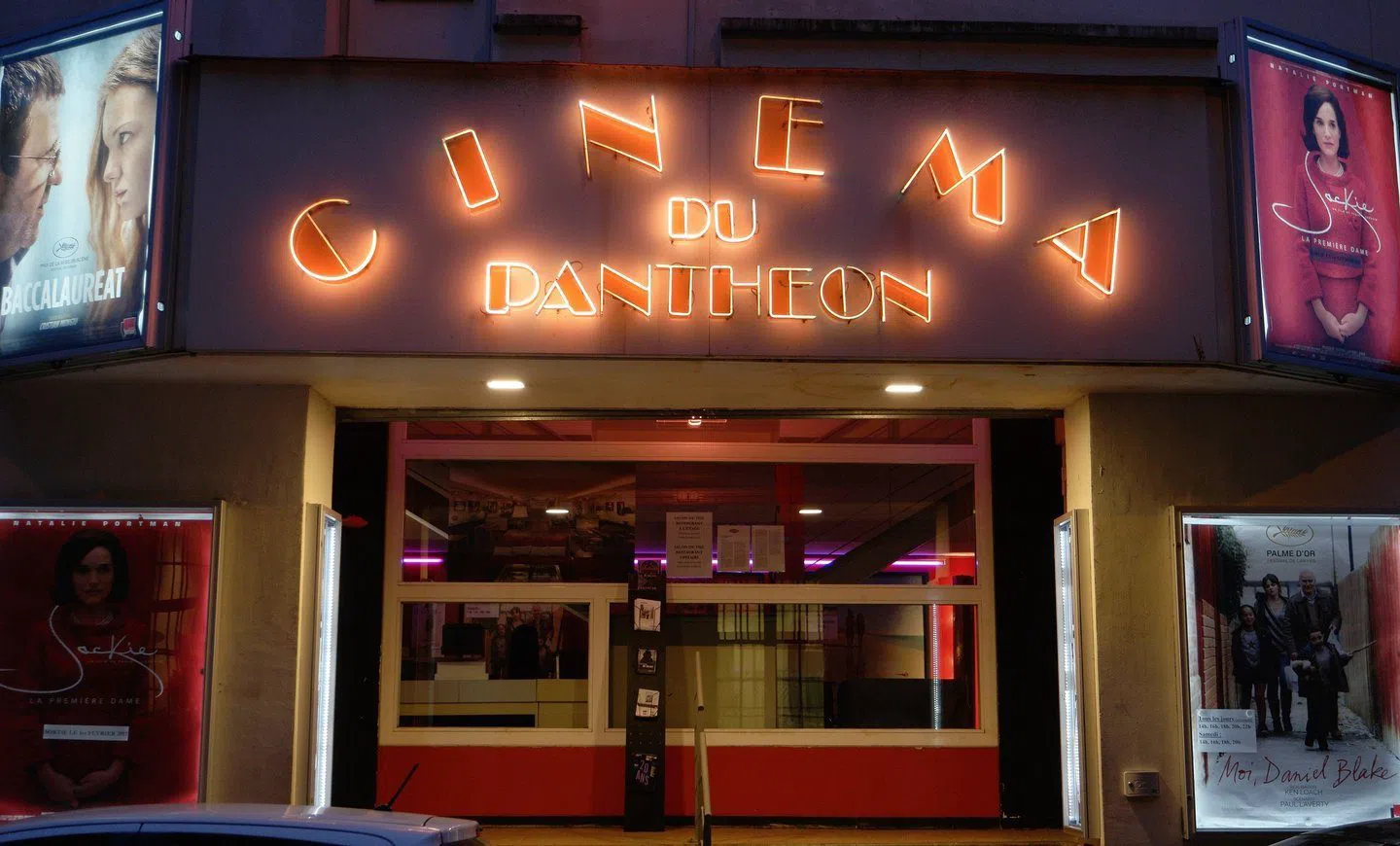
A short climb toward the dome brings you to Cinéma du Panthéon (Latin Quarter, near the Panthéon itself), the oldest cinema in Paris still running — it opened in 1907 and has never stopped. A single intimate screen shows art and avant-garde bills for the Sorbonne crowd, and upstairs sits a private salon decorated by Catherine Deneuve that can be privatised for groups and events. Tickets are €7–€10. For a small party wanting to end an evening with a drink and a conversation rather than a scramble for the last métro, that salon is the reason to book ahead.
Plan your Paris trip
Live prices from our booking partners.
Free cancellation on many rooms. We may earn a commission when you book.
The archives: how Paris keeps its film
If the Latin Quarter is where Paris watches, the archives are where it remembers. These are institutions as much as cinemas, and they reward a whole afternoon.
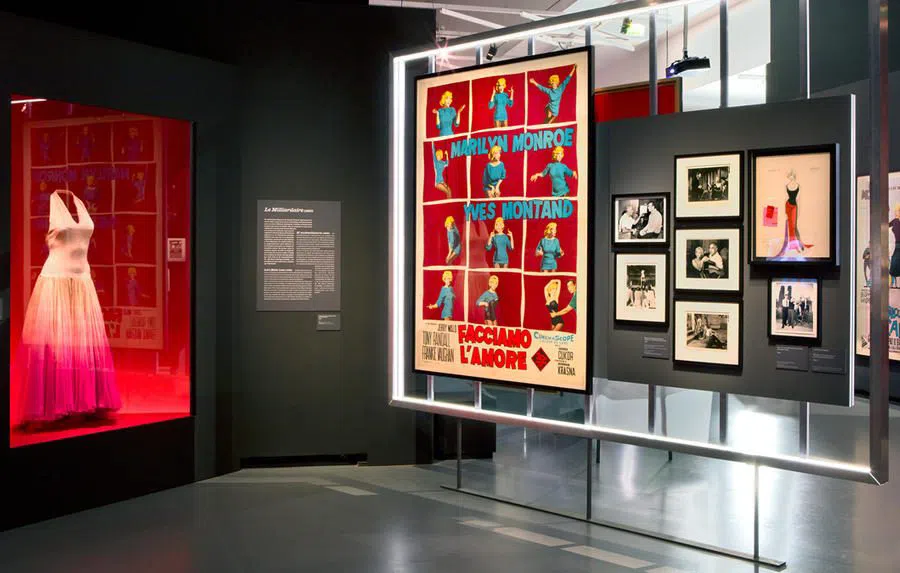
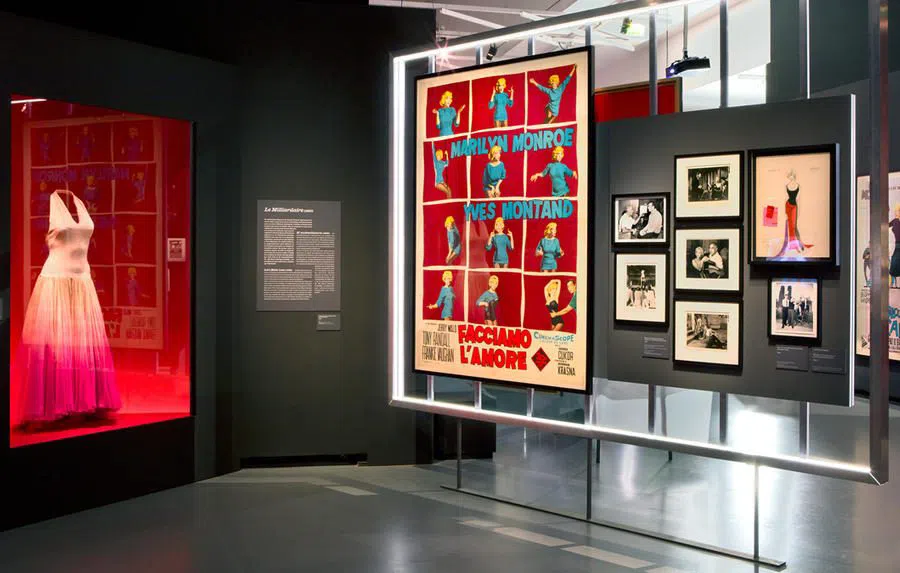
La Cinémathèque française (Bercy, twelfth arrondissement) sits inside a tumbling Frank Gehry building on the edge of the park. This is the cradle of the New Wave — Truffaut and Godard were schooled in its dark, and the argument that a critic could become a director was effectively settled in these rooms. Four screens run heritage prints daily except Tuesdays, threaded through with retrospectives; the 2026 season leans on Marilyn Monroe and Belmondo. It is a large, multi-hall venue with a genuine group booking desk for both the museum and the screenings, no door policy, and no snobbery about school parties. Screenings are €7–€10, with the museum charged separately. Of everywhere on this list, it is the one built to absorb a group without friction.
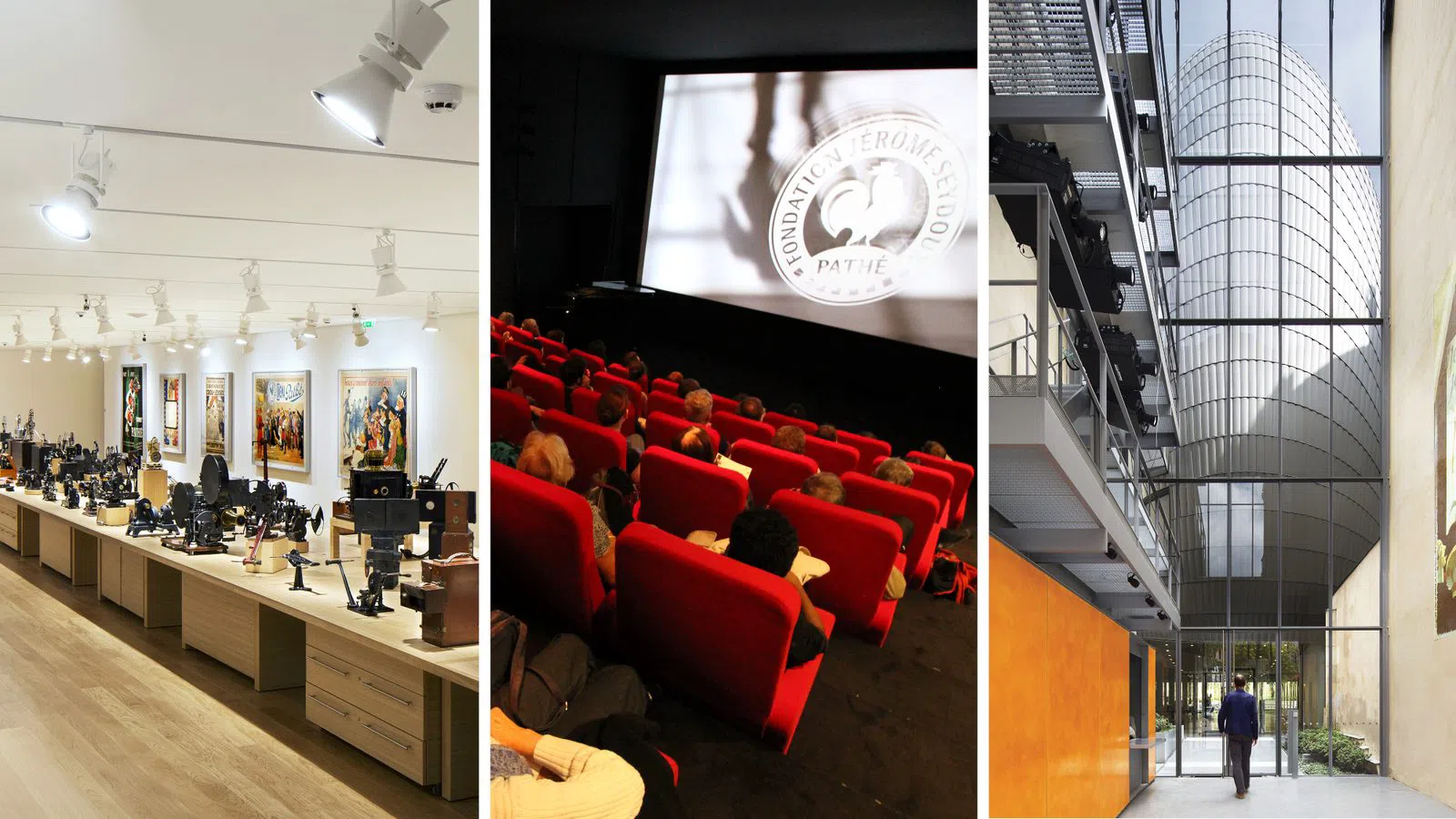
Across the river in the thirteenth, Fondation Jérôme Seydoux-Pathé (Les Gobelins, behind a preserved Rodin façade) hides Pathé's own archive inside a glowing Renzo Piano shell shaped like a sleeping animal. Its 70-seat room runs silent films accompanied by live piano — the closest you will get to how Paris watched movies in the 1900s. Guided group tours are available, but the hall is tiny, so book early and keep the party small. Tickets are €5–€7, and entry is free on Heritage Days in September if you can time it.
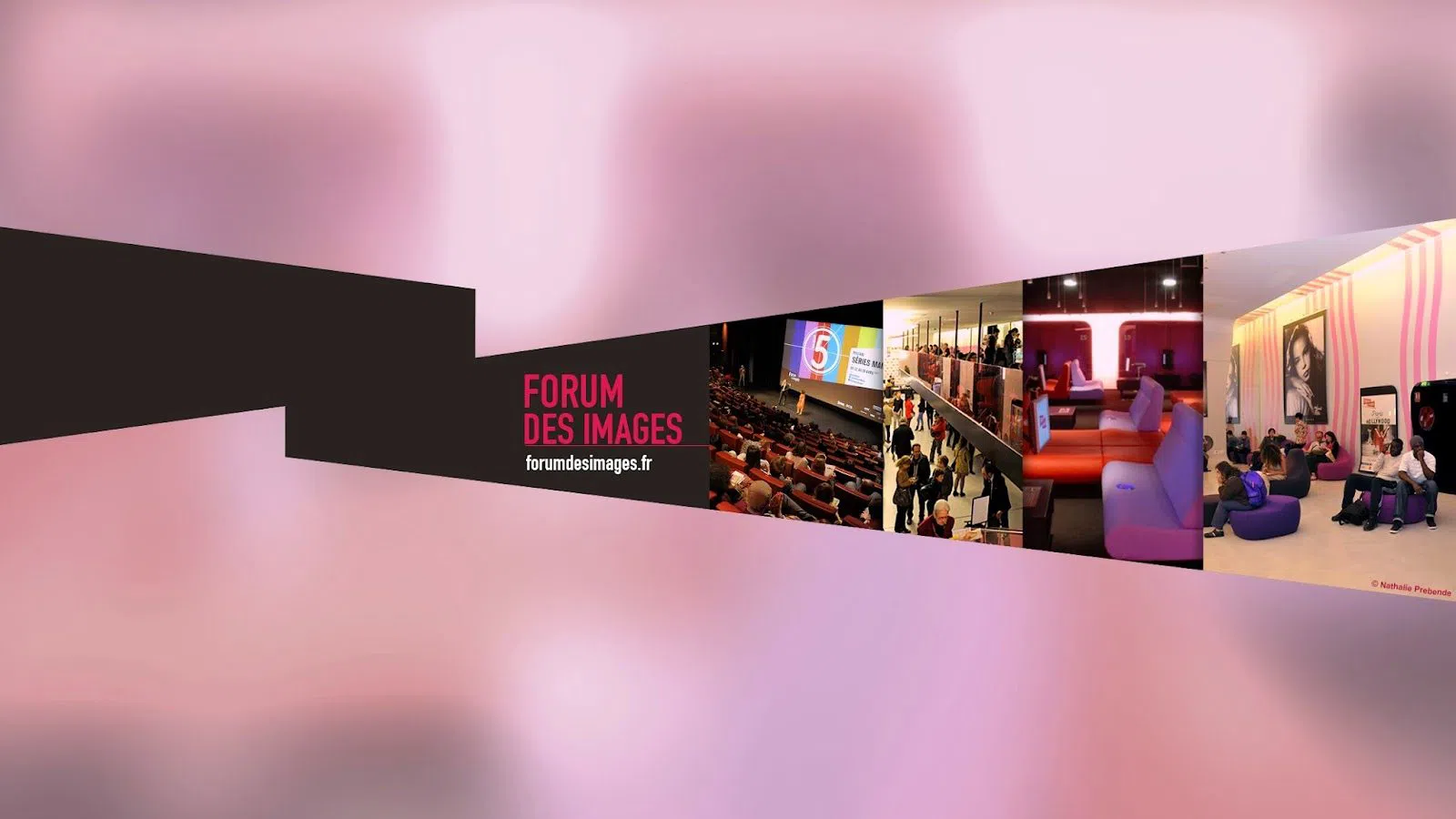
Back on the Right Bank, Forum des images (Les Halles, first arrondissement) is the city's own cinema institution, buried in the belly of the Les Halles complex. Five screens and a reference library sit on top of a vast archive of Paris captured on film — the city watching itself — with a documentary and animation focus and something like ten festivals a year. It is strong on groups, school parties and festival audiences, and tickets are €6–€9. This is the place to understand the theme of the whole trip: not cinema in Paris, but Paris on cinema.
The Grands Boulevards: the age of the picture palace
Walk north to the Grands Boulevards and the scale changes entirely. These are the halls built when going to the pictures was an event dressed for, and two of them still stand.
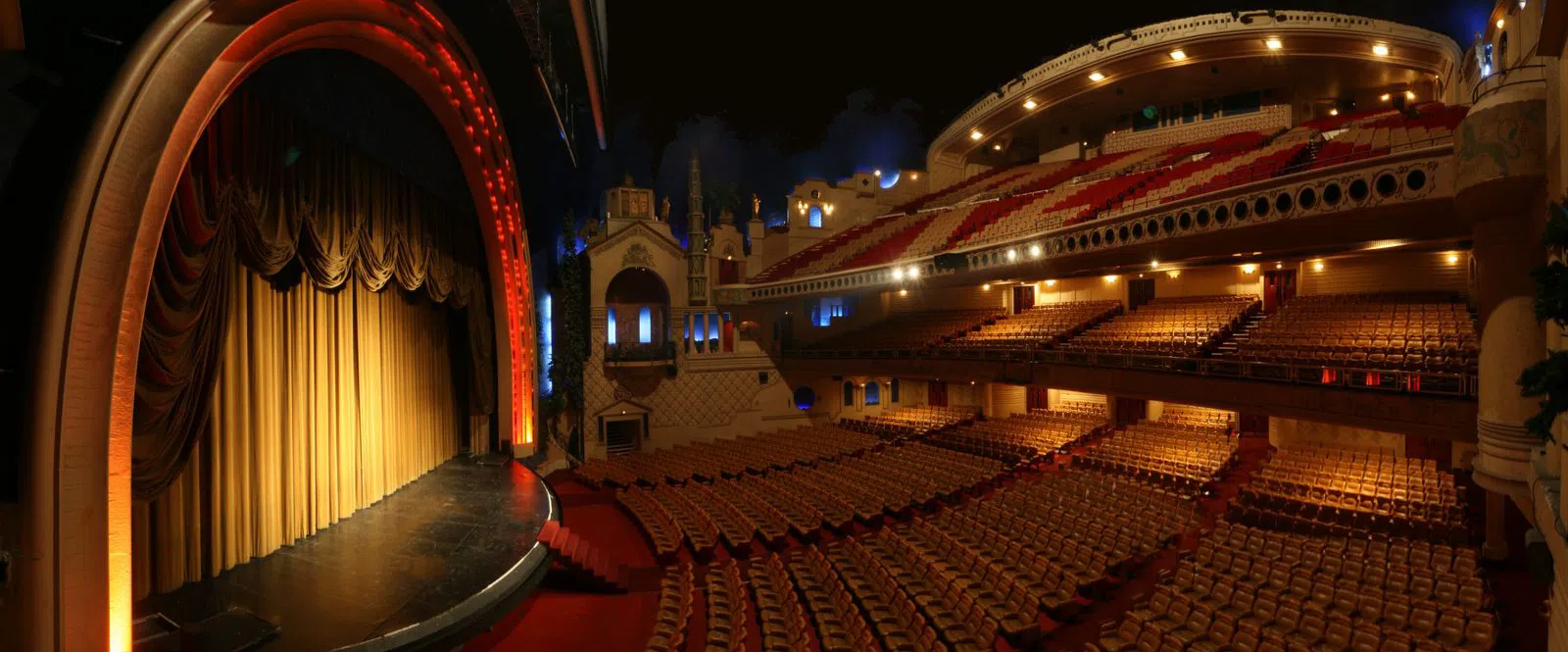
Le Grand Rex (Grands Boulevards, second arrondissement) is a listed historic monument and the last of the true boulevard picture palaces. Its Grande Salle is the largest cinema auditorium in Europe, and it is still packed for blockbuster premieres beneath a ceiling painted like a Mediterranean night sky. Films run €12–€15 — the steepest tickets here, and worth it for the room alone. Groups can book premieres, and the 'Les Étoiles du Rex' backstage tour, at around €13, takes parties behind the screen; it is the rare cinema outing that works for children and non-cinephiles as pure spectacle.
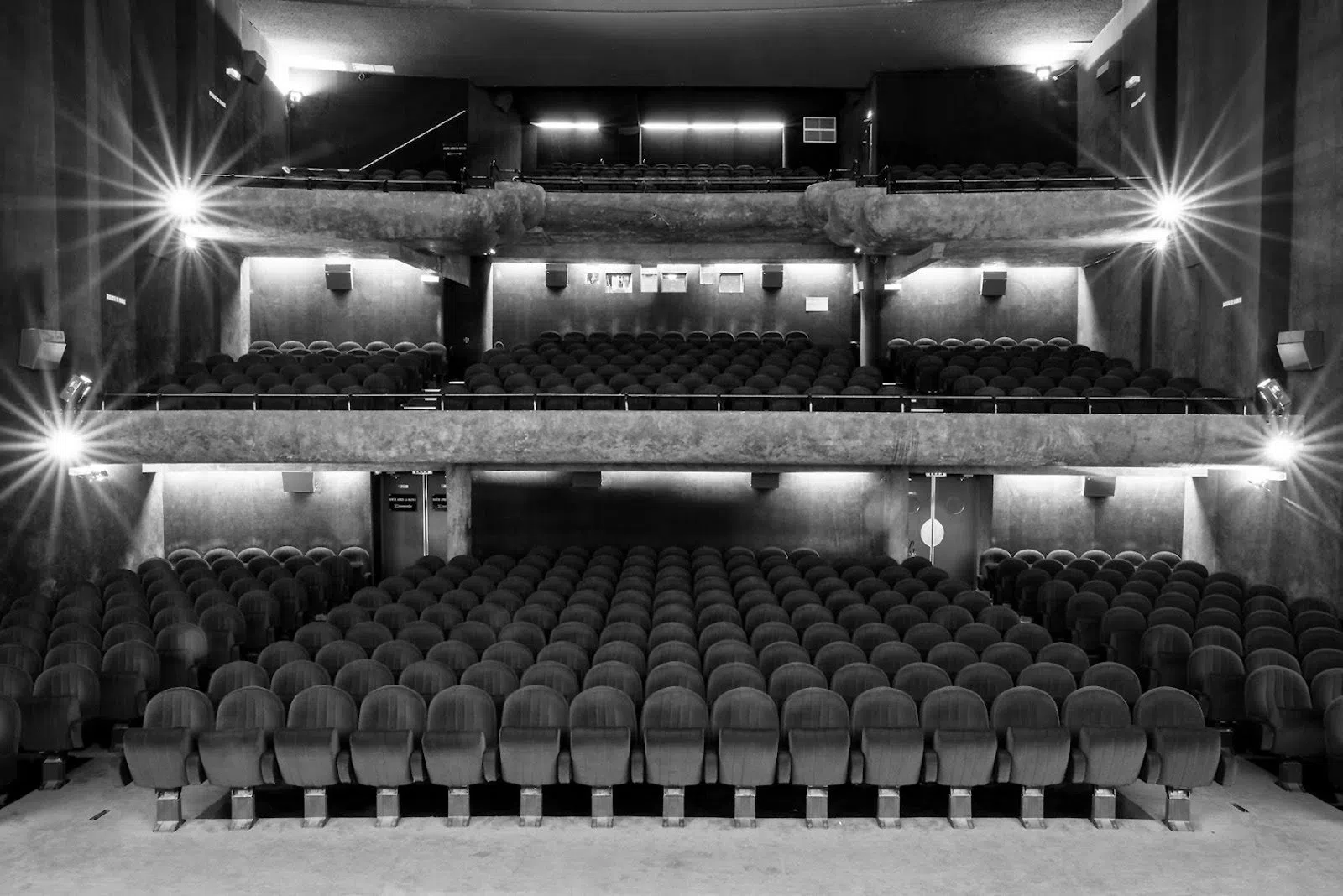
A few minutes east, Max Linder Panorama (Grands Boulevards, on the boulevard Poissonnière) is the technician's choice. Named for the silent comedian Max Linder, its single 580-seat hall is painted entirely black and hung with a giant panoramic screen, and it gives arguably the cleanest projection on the boulevards — the place to see a film you care about looking exactly right. The whole hall can be hired, which makes it ideal for a private group screening. Tickets are €10–€13.
Montmartre, Barbès and the western independents
Three more houses sit apart from the clusters, each worth a dedicated trip.
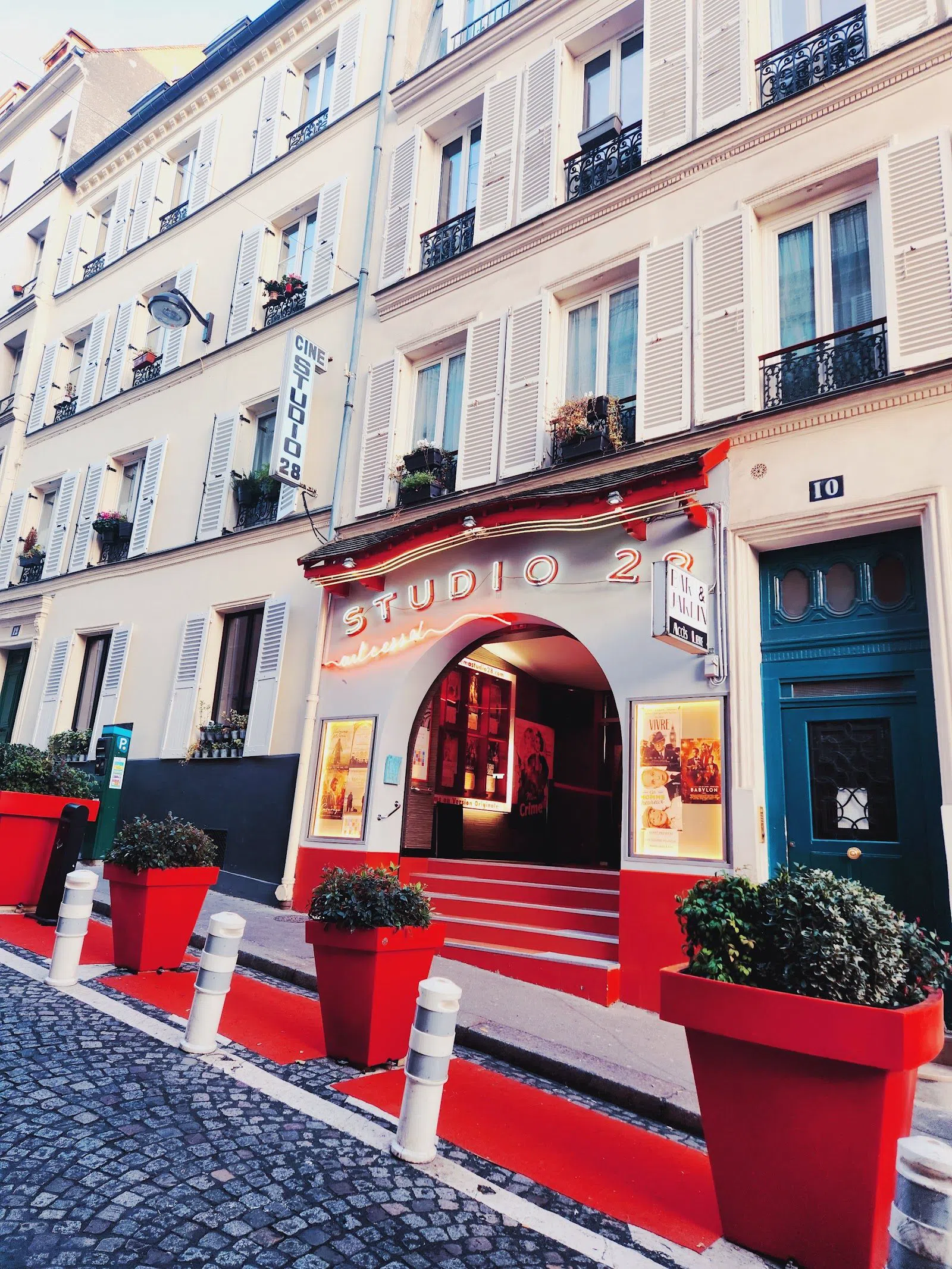
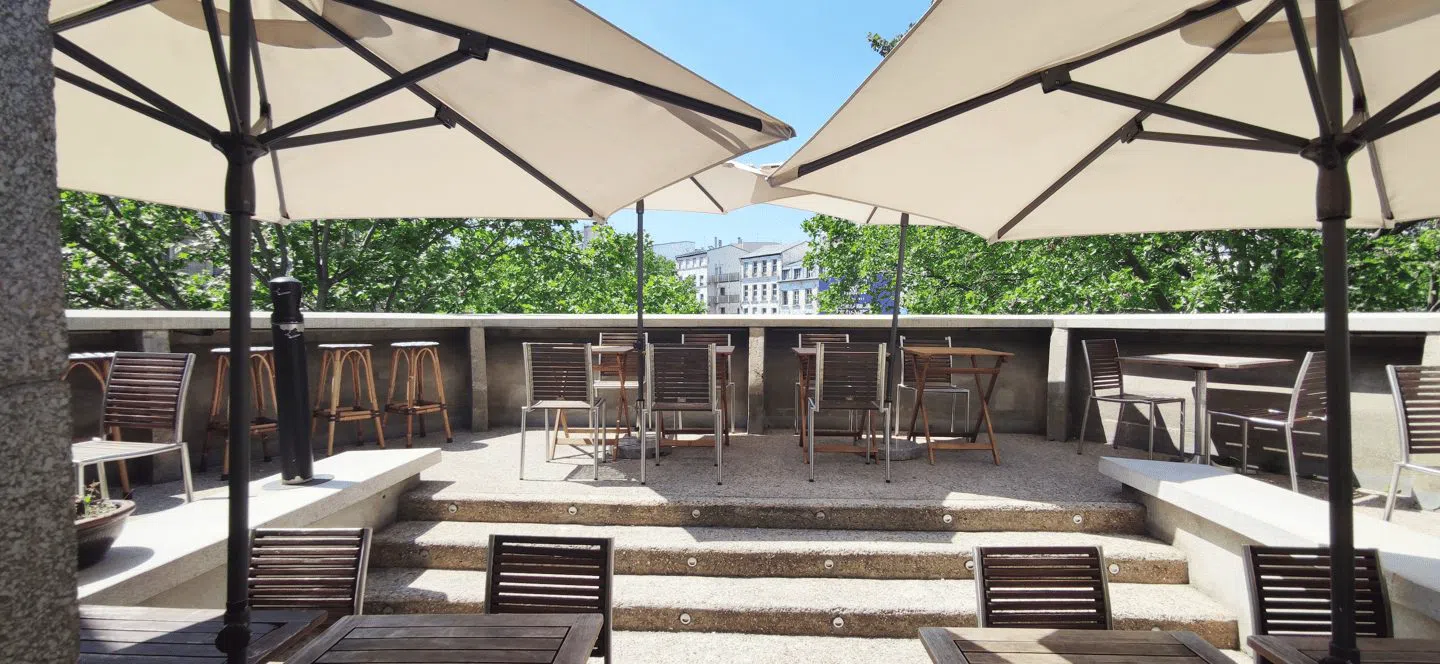
Studio 28 (Montmartre, eighteenth arrondissement) climbs the hill above Abbesses and claims the title of the world's first avant-garde cinema, opened in 1928 — the room where Buñuel's L'Âge d'Or provoked an actual riot. Cocteau designed the light fittings, and behind the single 170-seat hall is a garden bar that stays one of Montmartre's better-kept secrets. It takes groups and hosts private events in that garden, and tickets are €7–€9.50. Come for the film, stay for the courtyard.
Down the far side of the hill, Le Louxor – Palais du Cinéma (Barbès, tenth arrondissement) is the only Egyptian-style cinema in Paris — a 1921 fantasy of hieroglyphs and gold saved from demolition and reopened in 2013 after a €24m restoration. Three screens show a mixed arthouse bill, and a rooftop bar looks out over the rooftops and rail tracks of Barbès; a film followed by a climb to that terrace is one of the better-value evenings in the city. Films are €8–€11, rooftop drinks extra, and it takes groups happily.
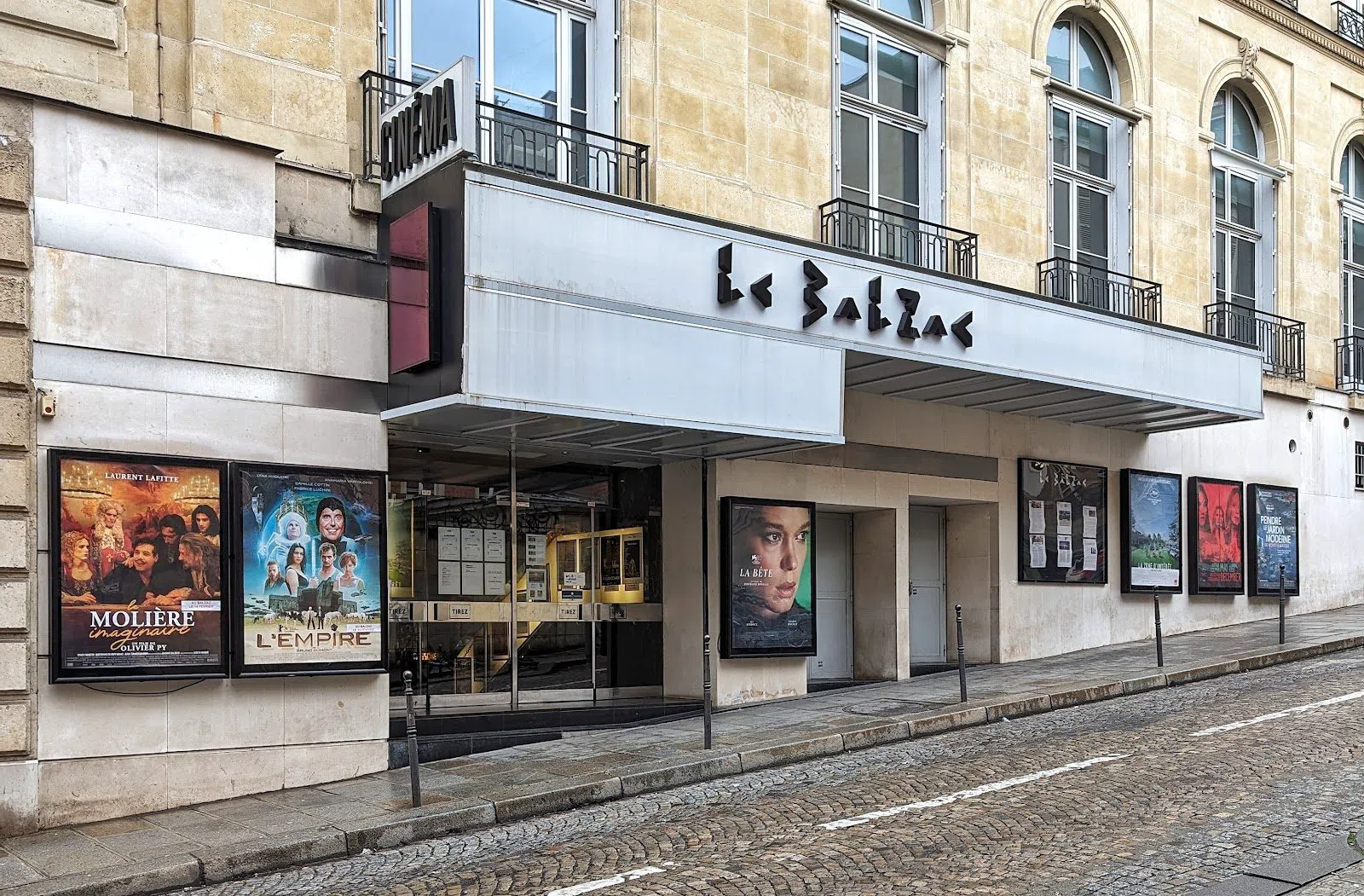
Over west, near the Champs-Élysées, Le Balzac (eighth arrondissement) is a fiercely independent 1935 art deco house run with open cinephile passion. Its three screens carry director talks, jazz cine-concerts and international arthouse premieres, and the programme regularly turns an ordinary screening into an event with a guest in the room. It welcomes groups, cine-concerts and Q&A audiences, with tickets at €8–€11.
The everyday cathedral, and the summer lawn
Two final venues bracket the whole spectrum — the busiest cinema on the planet, and the one that costs nothing.
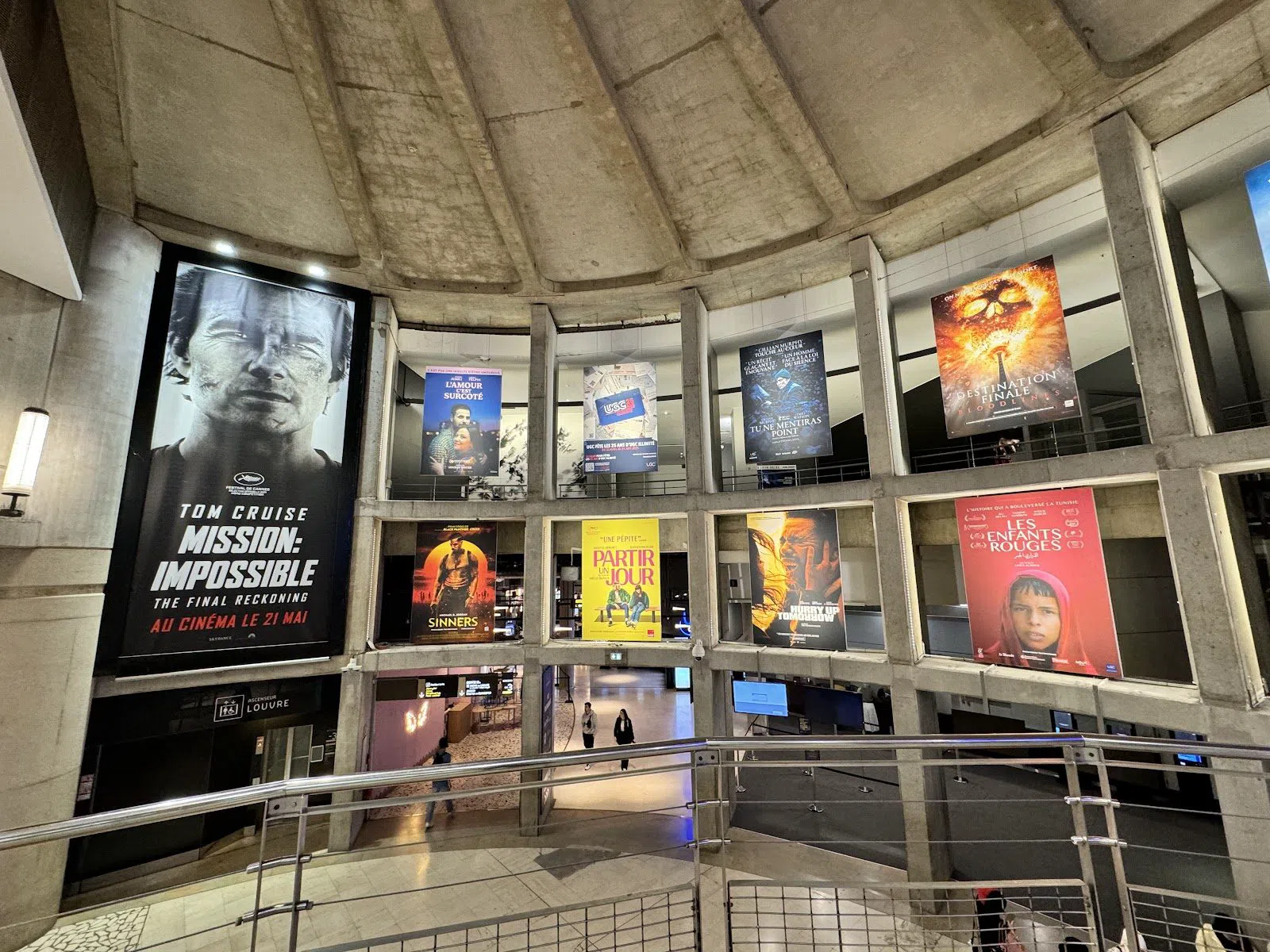
UGC Ciné Cité Les Halles (Les Halles, first arrondissement) is a 27-screen, 3,900-seat multiplex and, by admissions, the most-visited cinema on Earth: more than 700 films a year and some 2.5 million tickets. It is built for sheer volume, for the unlimited-pass crowd and for groups, and it is the honest counterweight to all the heritage above — proof that Paris treats even a Tuesday-night multiplex screening as a civic ritual. Individual tickets run €9–€13; if you are staying a while, the UGC Illimité pass at around €23 a month pays for itself in three films.
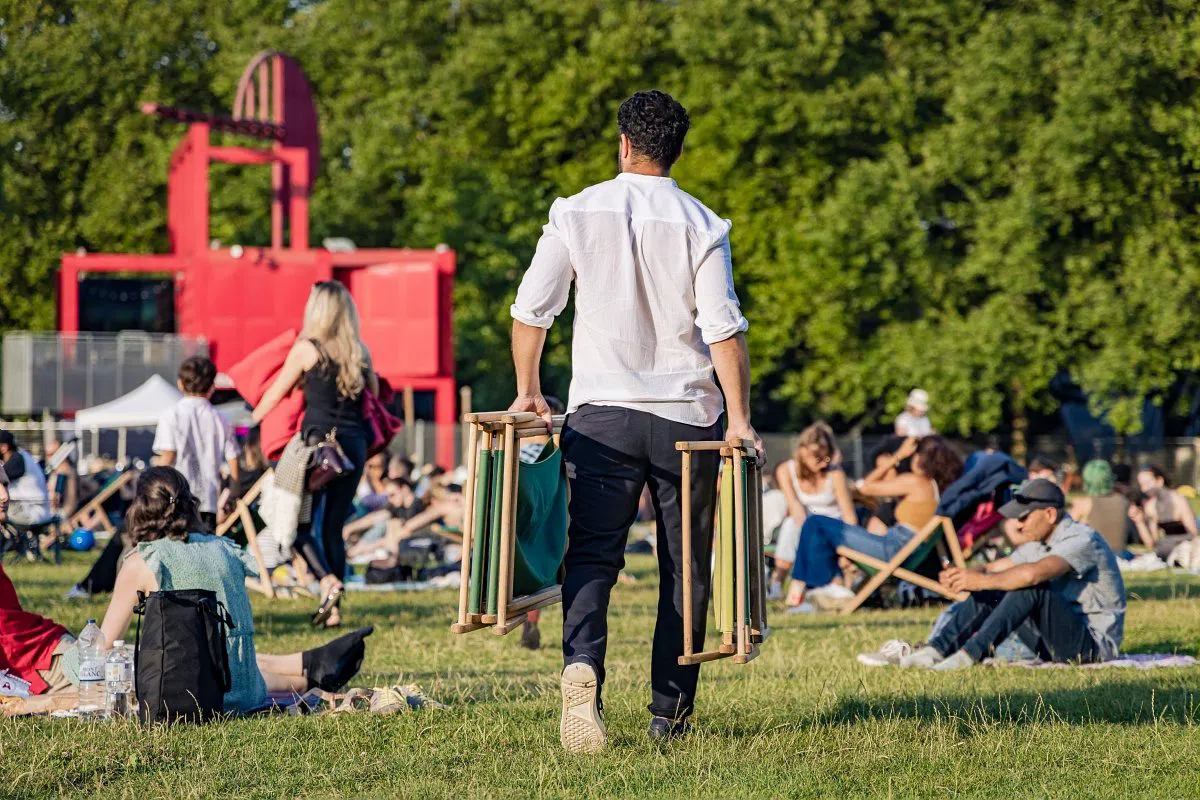
And if you come in high summer, Cinéma en plein air de La Villette (La Villette, nineteenth arrondissement) is the ritual that outdoes them all. From 22 July to 16 August 2026, the 35th edition — themed 'The Call of the Forest' — throws free films across a giant lawn every evening, in original version with French subtitles. There is no booking and the grass seats thousands, so it is perfect for a group; simply arrive early with something to sit on, or hire a deckchair for around €7. Bring a picnic, watch the light drain out of the northern sky, and you will understand why this city and the cinema have always been the same conversation.
Practical notes
Getting around. Every venue here sits on the métro, and the clusters are walkable within themselves — you can do all four Latin Quarter houses on foot, and Les Halles puts a 27-screen multiplex and a five-screen archive under one roof. A single carnet of métro tickets covers a full day of cinema-hopping; the Bercy Cinémathèque, the Gobelins Fondation and La Villette are the three that genuinely need a train between them.
Cash and booking. All prices are in euros, the local currency. Repertory houses run roughly €5–€11; the grand palaces and the multiplex reach €12–€15. Cards are accepted everywhere, but the smallest arthouse counters appreciate contactless over large notes. The intimate rooms — the Panthéon salon, the 70-seat Seydoux-Pathé hall, a private hire at Max Linder — need booking days ahead; the big halls and the free La Villette lawn do not, though for La Villette early arrival is everything.
Timing. Note that the Cinémathèque is dark on Tuesdays. Many arthouse screenings are shown in original version with French subtitles — read the listing for 'VO' — which is a gift for an international audience. Summer belongs to La Villette from late July; the rest of the year, the repertory and archive programmes are richest from autumn through spring.
Where to stay. For the Left Bank caves, base yourself in the fifth or sixth; for the palaces and the multiplex, anywhere near the Grands Boulevards or Les Halles puts you within walking distance of a screening most nights. Start a Paris hotel search once you know which cluster you want to wake up inside.
Before you go
Which Paris cinemas show films in English or original version?
Most arthouse and repertory houses — Le Champo, Le Reflet Médicis, La Filmothèque du Quartier Latin, Le Balzac and others — screen films in their original version with French subtitles, marked 'VO' in listings. The free open-air festival at La Villette also runs in original version with French subtitles, so non-French speakers are well served across the city.
What's the best cinema in Paris for a group or a school party?
La Cinémathèque française in Bercy is built for it, with a proper group booking desk for both museum and screenings and no door policy. UGC Ciné Cité Les Halles absorbs any size of group across its 27 screens, and Forum des images is strong on school parties. For a private hire, Max Linder Panorama lets you take the whole 580-seat hall.
Where can I watch outdoor cinema in Paris in 2026?
Cinéma en plein air de La Villette runs free open-air films across a giant lawn from 22 July to 16 August 2026 — the 35th edition, themed 'The Call of the Forest' — in original version with French subtitles. There's no booking; arrive early with something to sit on, or hire a deckchair for around €7.
How much does a cinema ticket cost in Paris?
Repertory and arthouse houses run roughly €5–€11 per screening. The grand picture palaces and the multiplex are pricier: Le Grand Rex is €12–€15 and UGC Les Halles €9–€13. The Fondation Jérôme Seydoux-Pathé is the cheapest at €5–€7 (free on Heritage Days), and La Villette's open-air season is free.
Which Paris cinema is the oldest, and where was film invented?
The first public paying film screening took place in Paris in December 1895, on the Boulevard des Capucines, by the Lumière brothers. The oldest cinema still running today is the Cinéma du Panthéon in the Latin Quarter, which opened in 1907 and has never closed. Studio 28 in Montmartre, from 1928, claims to be the world's first avant-garde cinema.