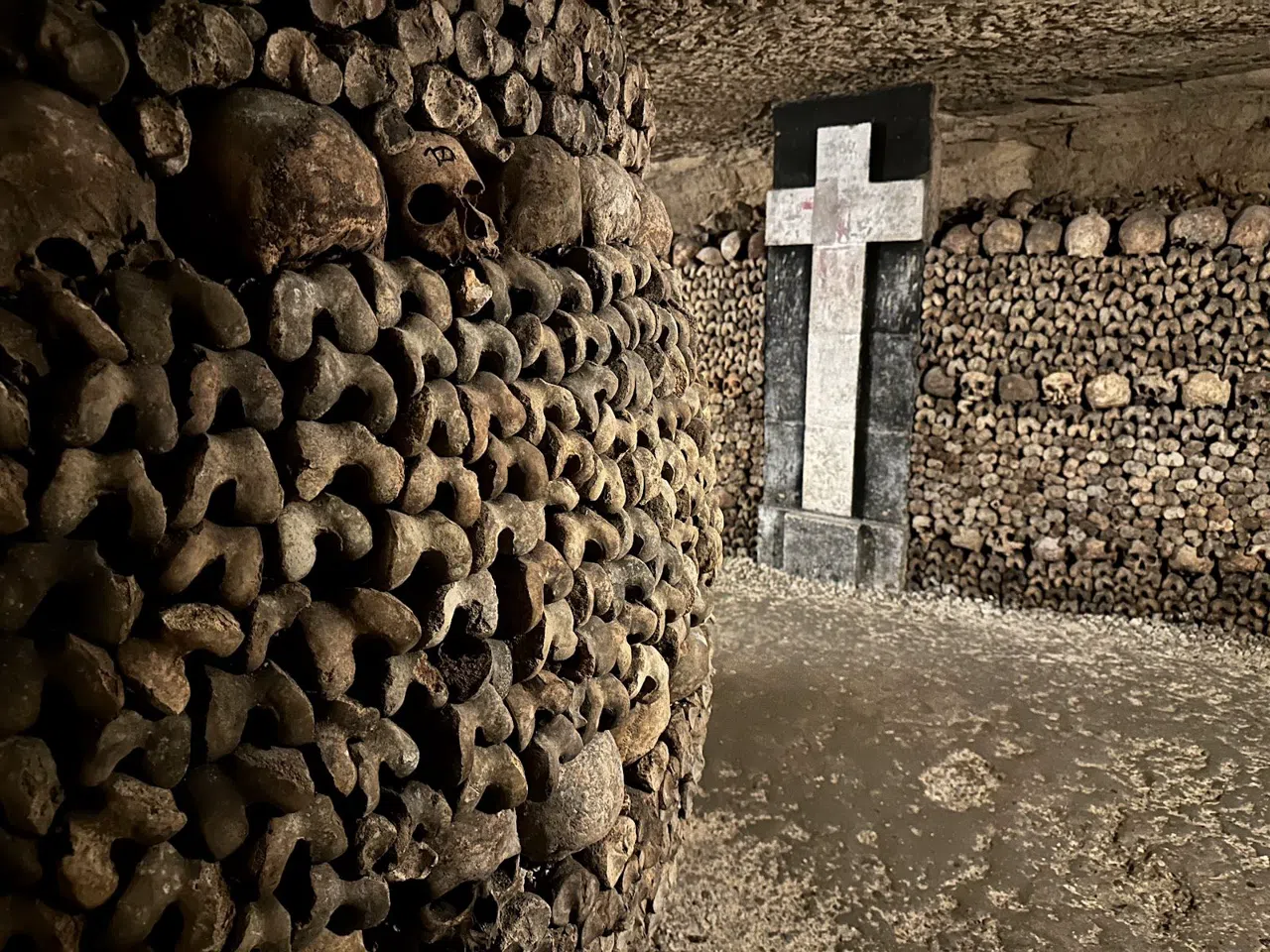

The staircase at Denfert-Rochereau spirals so tightly that you can never see more than two steps ahead, and somewhere around the fortieth the noise of the square above simply stops. What waits at the bottom reads as a street plan: kilometres of galleries hacked out to build the city overhead, later packed wall to wall with the contents of its graveyards. Paris has been filing its dead underneath itself for two hundred and forty years, and this walk makes the arrangement legible.
Start above ground, at the square that caused all of it
Before the stairs, spend ten minutes at Fontaine des Innocents (Les Halles, 1st). It is a free, open square with a Renaissance fountain in the middle and a lot of people eating lunch on the steps, and it is the reason the Catacombs exist. For centuries this was the Cimetière des Innocents, the burial ground for most of central Paris, its pits refilled and re-dug until the ground stood well above street level and pressed wet into the cellars of the houses along its edge. From 1786 the whole cemetery was lifted, cartload by cartload, and tipped into the abandoned quarries south of the city. Every other site in this article descends from that decision.
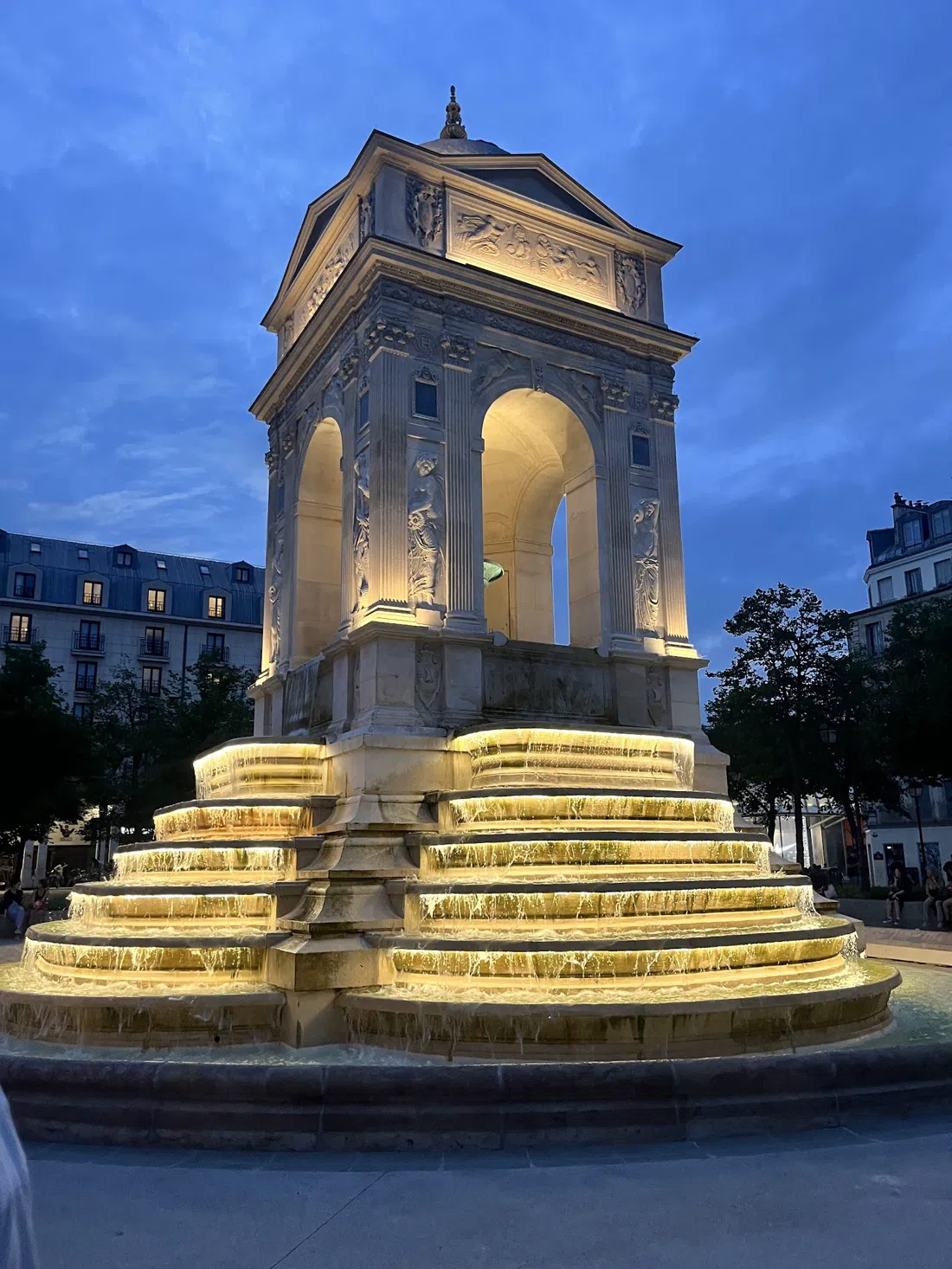
The fountain was restored in 2024 and looks it. Five of Jean Goujon's original relief panels have been on show at the Petit Palais since November 2025, so what you are seeing here is partly a copy, worth knowing before you photograph it. It also works as a meeting point for a group: unticketed, central and impossible to miss.
The ossuary under Denfert-Rochereau
Catacombes de Paris (Denfert-Rochereau, 14th) reopened on 8 April 2026 after a five-month, €5.5m refit, and the change is significant enough that older advice about the visit is now wrong. The galleries have been relit, theatrically so, with the bone walls modelled rather than flattened under a strip of fluorescent, and the audioguide is location-triggered: it speaks when you arrive somewhere rather than when you press a number. It is narrated in the voice of Héricart de Thury, the engineer who turned a bone dump into a designed ossuary in the 1810s, and that framing does real work. You stop reading the femur walls as a horror set and start reading them as somebody's filing system.
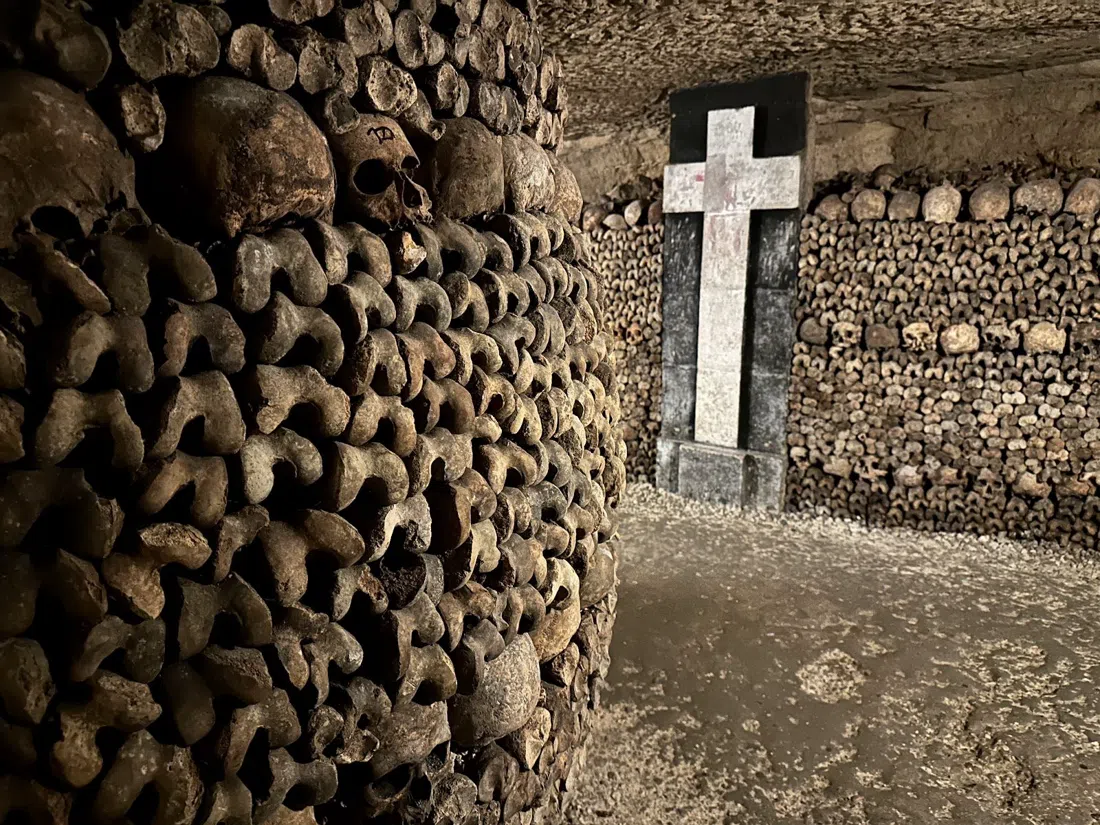
Adult entry is €31, timed, with the audioguide included. That is a lot of money for ninety minutes underground. What you get for it is about a kilometre and a half of walking on uneven, gritty floor at a steady chill of around 14°C, past walls stacked shoulder-high with the emptied parish cemeteries of Paris, each section signed with the graveyard it came from and the year it arrived.
Access is the constraint. There are 131 steps down and 112 back up, no lift and no accessible alternative, so the site is unsuitable for anyone with mobility problems. The spiral stair is also unpleasant for anyone who dislikes tight spaces, before you even reach the bones. Capacity is capped at 200 people inside at any moment, which is why tickets are timed and why they sell out. Book on the official site, and only there. Queuing at the door does not work, because the door cannot sell you what the clock has already allocated.
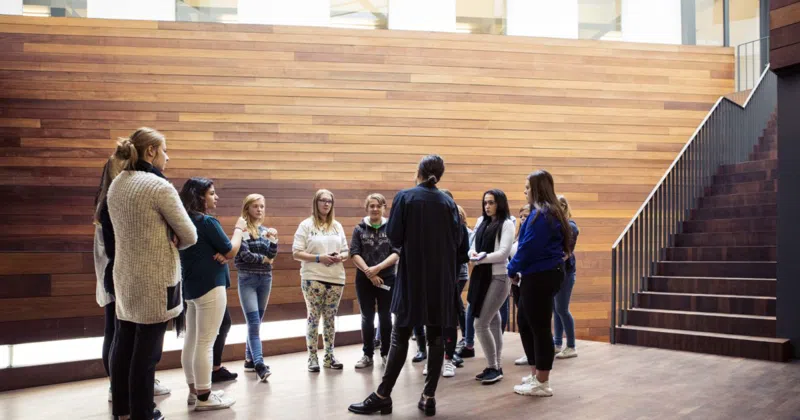
Groups are accepted with advance booking and a group rate, but the 200-person cap means any party of size is split across several timed slots. Plan for your group to be underground in shifts rather than together, and brief people on where to regroup at the exit, which is not the entrance. Couples and solo travellers have the easier time here: one ticket, one slot, nothing to choreograph.
Fifty metres away, and free
Cross the square to the Musée de la Libération de Paris – musée du général Leclerc – musée Jean Moulin (Denfert-Rochereau, 14th). It stands on the same square as the ossuary entrance, and it explains why the street outside is called avenue du Colonel Rol-Tanguy: the Liberation of Paris was directed in August 1944 from a command bunker twenty metres under this building, wired into the city's telephone network.
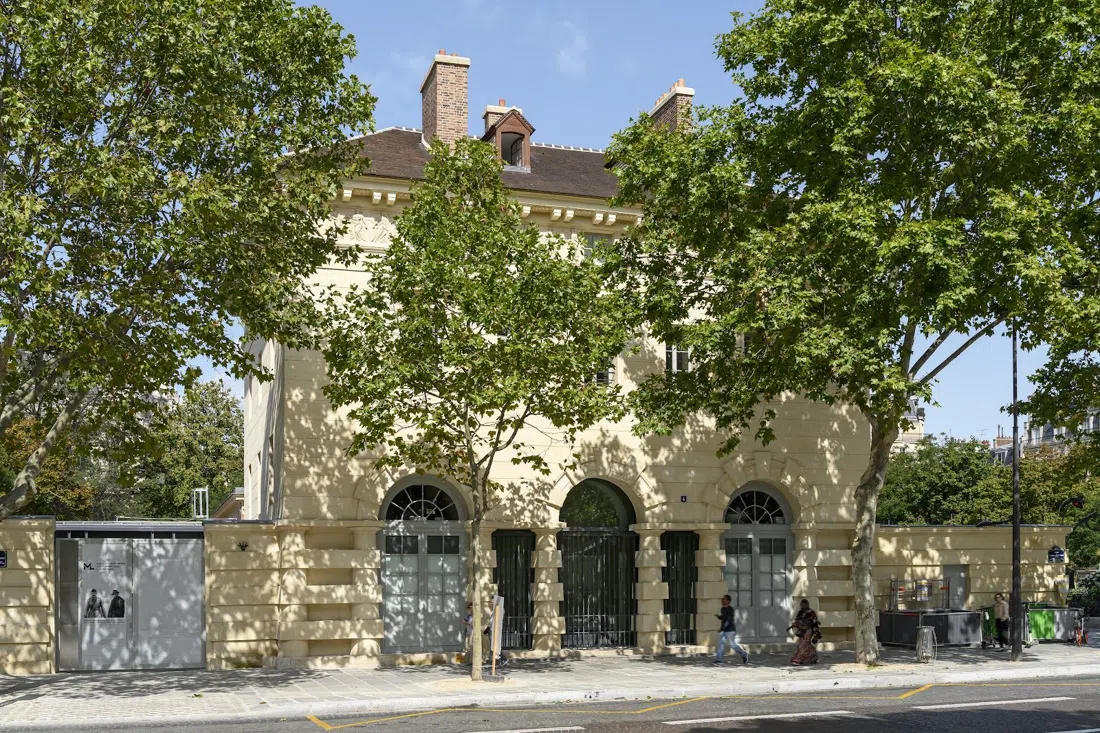
Entry to the collections and the bunker is free. The catch is that bunker slots are very limited and are handed out in person at reception on the day only. You cannot reserve one online the night before, so arrive early if the shelter is the part you care about. There is a mixed-reality version of the bunker tour in the afternoons if the physical slots have gone. Large groups should contact the museum's booking service in advance rather than arriving en masse to find that the day's slots went at opening.
Two staircases on one square lead into the same quarried rock: one holds six million dead, the other the switchboard that ran the city's last battle.
Surfacing into Montparnasse
The Catacombs exit puts you out on a residential street with nothing to do, so the natural second stop is ten minutes' walk away. Cimetière du Montparnasse (Montparnasse, 14th) is free, open daily, no booking, with the main gate at 3 boulevard Edgar Quinet. It is flat, gridded and quiet enough that a walking group causes nobody any trouble.
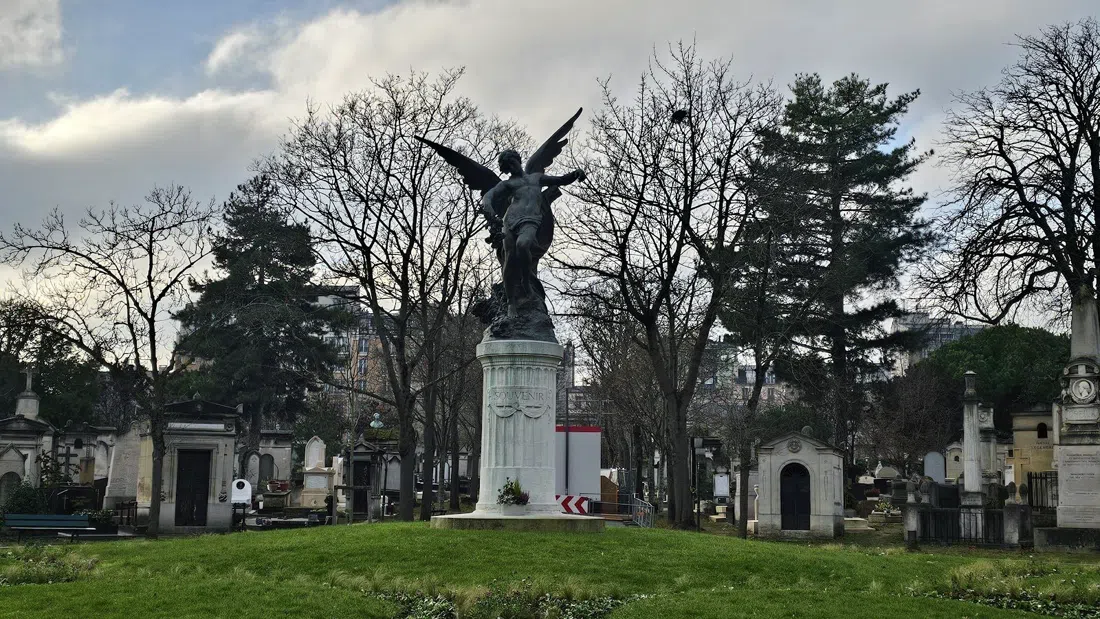
Baudelaire is here twice, in the family grave and again as a cenotaph. So are Beckett, Gainsbourg (the most visited stone, covered in metro tickets and cabbages) and Dreyfus. Stand anywhere in the middle of it and remember that the quarry galleries run directly beneath this arrondissement: the dead above ground, the dead below, and the same limestone holding both.
The quarry without the bones
If what fascinated you underground was the engineering rather than the ossuary, the honest route is Carrières des Capucins (under Hôpital Cochin, 14th). This is a real medieval stone quarry, the first underground site in France to be listed as a historic monument, and it has none of the queues, none of the lighting design and none of the bones.
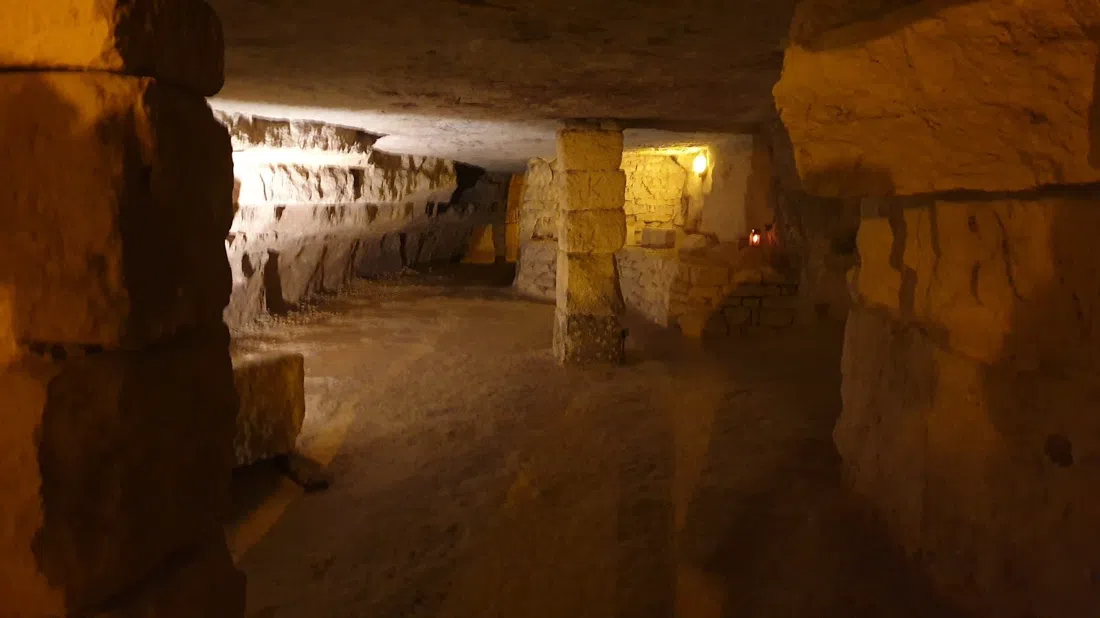
It is also not a walk-up. Visits happen only by prior arrangement with the SEADACC association, which organises them in groups of roughly fifteen, and the cost runs from free to about €20 depending on who is running the date. Dates are sporadic and there is no published schedule at all, so the only approach that works is to email the association directly at [email protected] well ahead of your trip and build the rest of your week around whatever they can offer. A confirmed date is a lucky break rather than something to plan around.
The alternative that circulates online is the illegal one. The unmapped quarry network beyond the museum is closed to the public, entering it is an offence with a fine attached, and people are hurt in it every year. The Capucins is the legitimate version of the same experience, and it is better lit, better explained and considerably less likely to end with the police.
Haussmann's other underground
The quarries are the lower city. Above them, and still in service, runs the second one: Musée des Égouts de Paris (Pont de l'Alma, 7th), where a walkway takes you along working sewer galleries that mirror the streets overhead, each one signed with the name of the road above. Adult entry is €9, concessions €7, and it is free for under-26s resident in the EU.
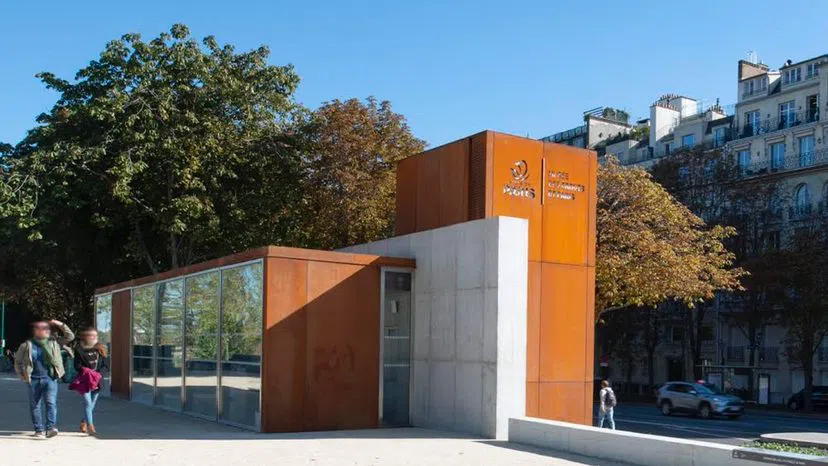
This is the rare underground Paris site that is wheelchair accessible, by lift. If the Catacombs stairs rule someone out of the day, this is where you bring them. Groups of up to 25 (30 for school parties) need to reserve in advance by email at [email protected], and the venue does take private events.
Two warnings. It closes from 1 to 15 January, and it can shut with no notice when the Seine rises, because the river and the sewers are the same water problem. Check the day you travel, not the week before.
Two thousand years under the parvis
Crypte archéologique de l'île de la Cité (Île de la Cité, 4th) is the shortest and clearest lesson on this list, and the one most people walk over without noticing. Under the square in front of Notre-Dame, glass walkways cross Roman quay walls, medieval cellars and nineteenth-century foundations stacked on top of one another, in the order the city laid them. Adult entry is €9, concessions €7, and it is covered by the Paris Museum Pass.
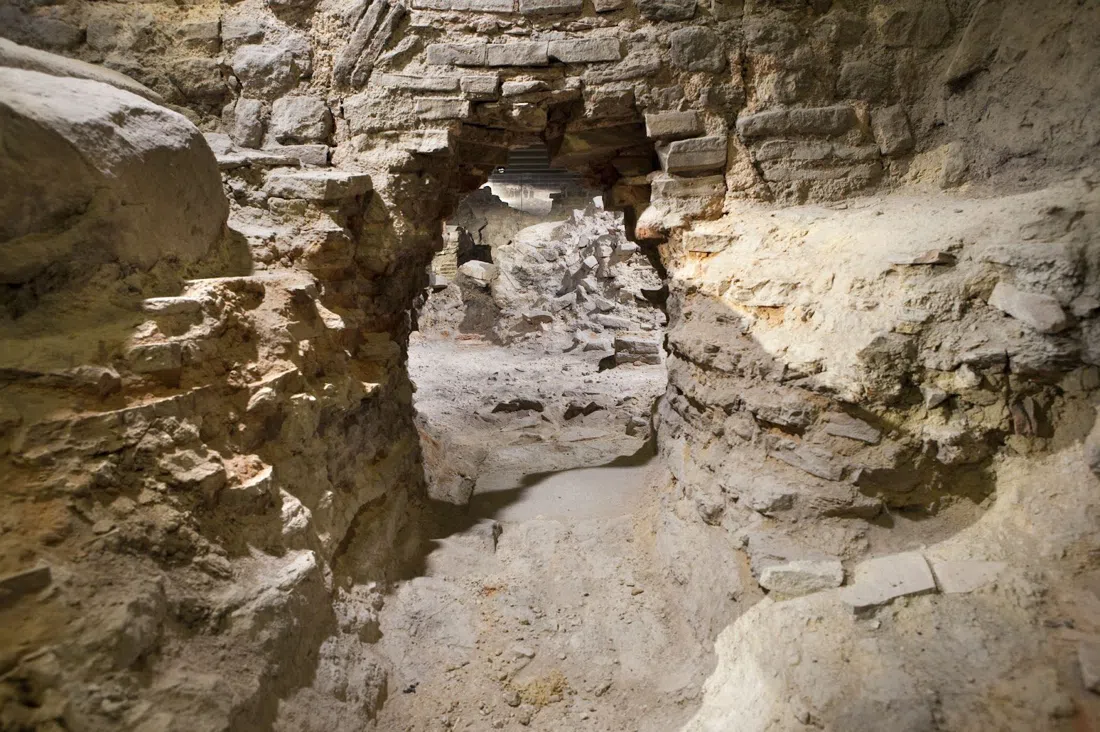
It is compact, so large parties are split on arrival; advance booking is available and sensible for groups. Twenty minutes here before or after a Notre-Dame visit does more to explain why Paris keeps discovering rooms beneath itself than any panel in the ossuary.
The crypt that was built to be read
Walk up the hill to the Panthéon (Latin Quarter, 5th), which is the deliberate opposite of everything under Denfert-Rochereau. Adult entry is €13, free for under-18s and for EU residents aged 18 to 25, with guided and group visits bookable through the Centre des Monuments Nationaux. Dome access is seasonal and stairs-only.
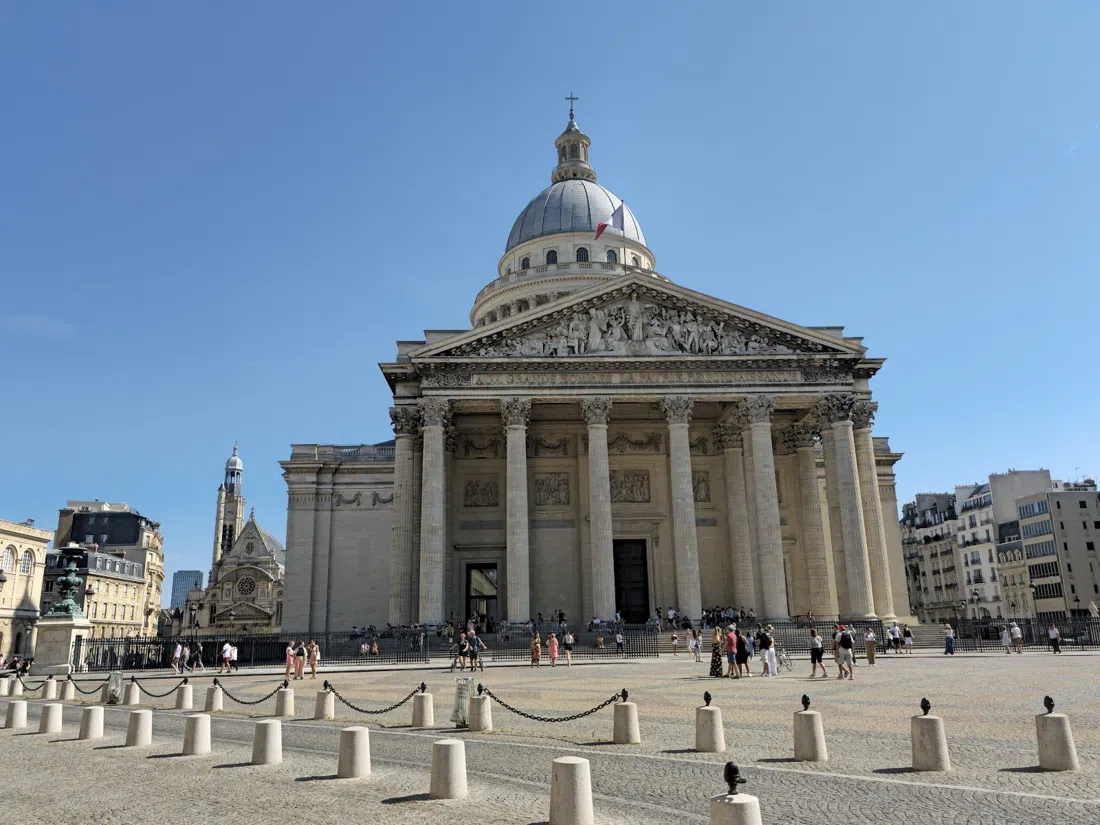
Downstairs, more than seventy named citizens lie in a crypt designed to be walked and read: Voltaire and Rousseau facing each other, Marie Curie, Josephine Baker. The Catacombs anonymise; the Panthéon publishes. Seeing both on the same trip makes that difference plain.
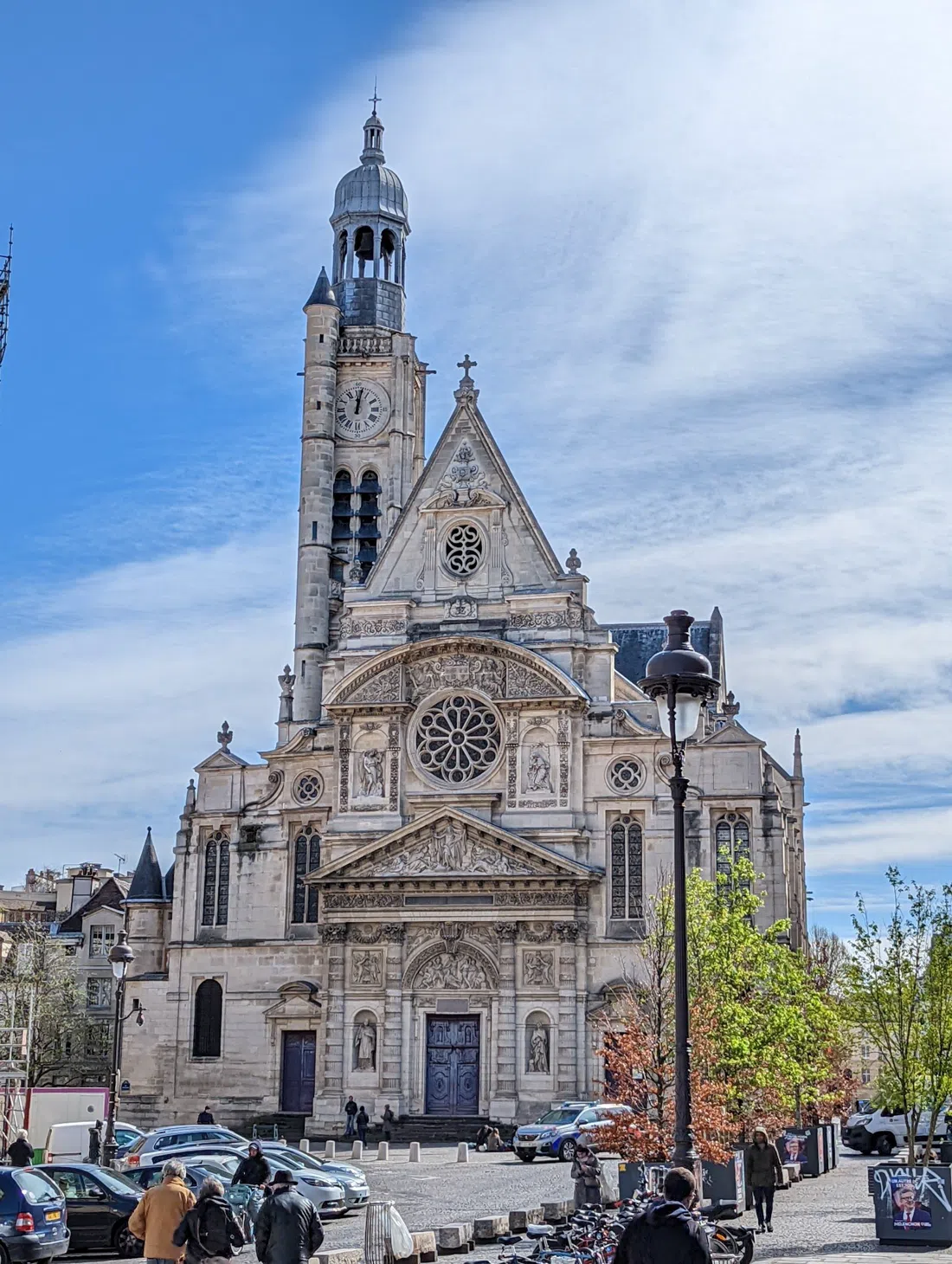
Then step next door to Église Saint-Étienne-du-Mont (Latin Quarter, 5th), free and open daily outside Monday mornings. This is where Sainte Geneviève ended up after revolutionaries burned her relics: a shrine holding what survived, beside the last standing rood screen in the city. Groups are fine outside Mass times; check the parish schedule before you arrive, because a service will close the ambulatory without warning.
Where the kings went, and where the Revolution put everyone else
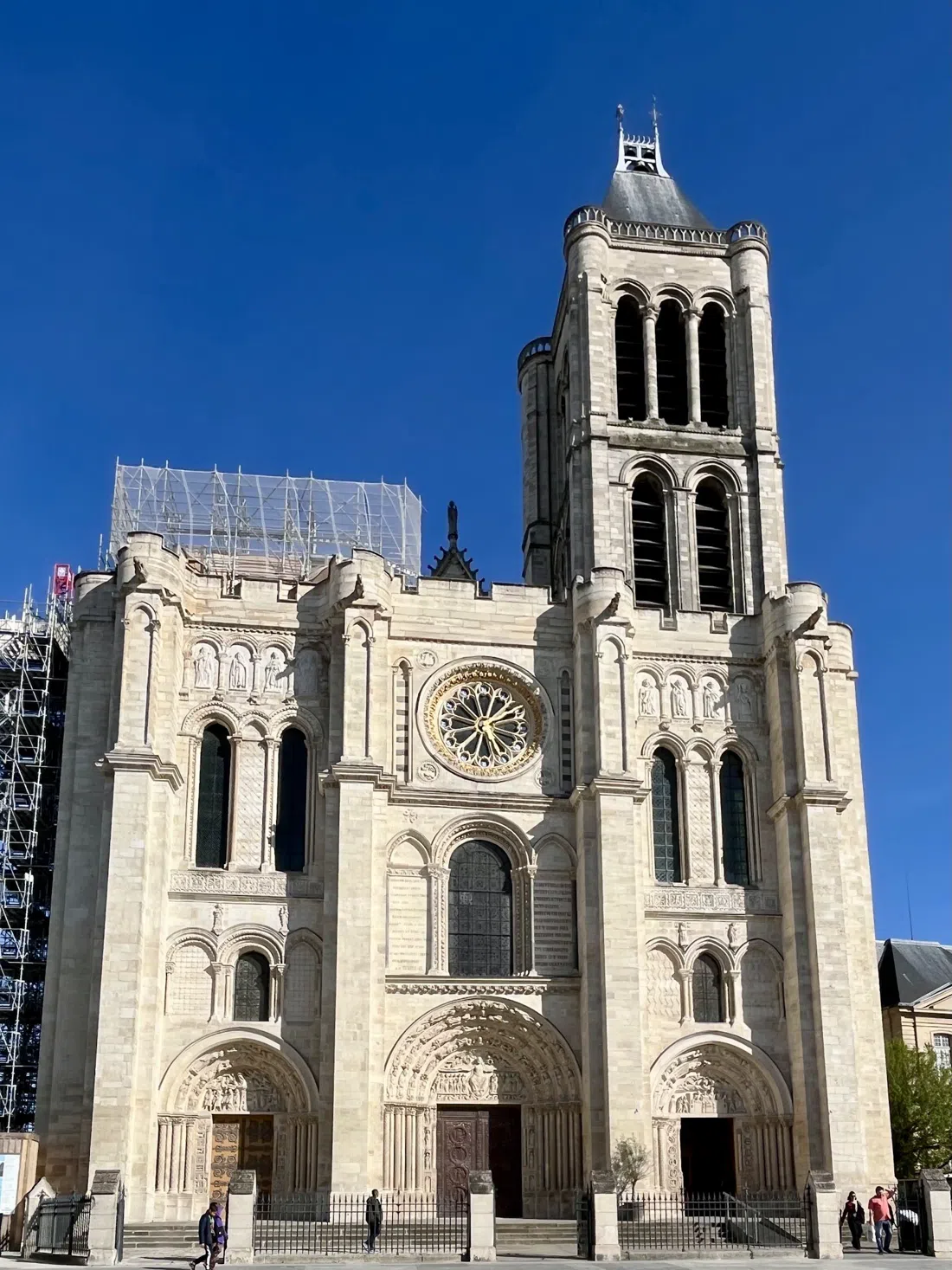
Basilique cathédrale de Saint-Denis (line 13, north of the centre) is the royal end of the same story. French kings and queens were buried here until the Revolution emptied the vaults and dispersed the remains, in the same years and by the same logic that filled the quarries. Adult entry runs about €11 to €13 as a Centre des Monuments Nationaux monument, and one ticket now covers the necropolis plus the Fabrique de la flèche, the workshop rebuilding the lost spire by hand to 2029. The schedule splits: the workshop closes on Mondays while the necropolis stays open. There is a dedicated booking service for adult groups.
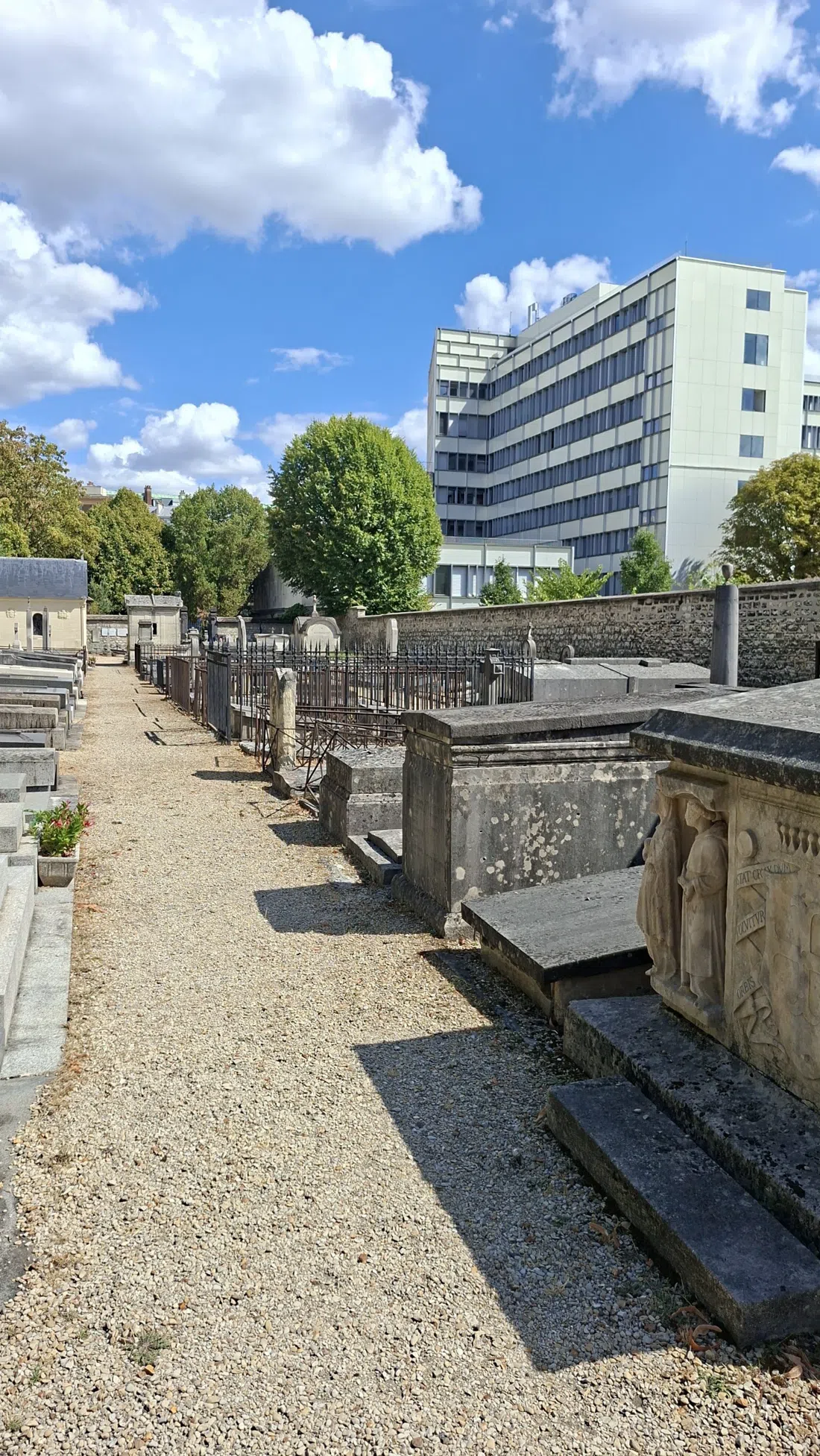
For the Revolution's anonymous dead, two small sites do more than any museum. Cimetière de Picpus (Nation, 12th) is the pit into which the bodies from the Place de la Nation guillotine were tipped in the summer of 1794, now a walled garden behind a convent. Entry is €2 in cash and there is no card reader. You ring at the gate to be let in, opening is Monday to Saturday, 2pm to 5pm only, and it is shut for the whole of August. Groups must phone ahead. Bring coins, and do not attempt it in August.
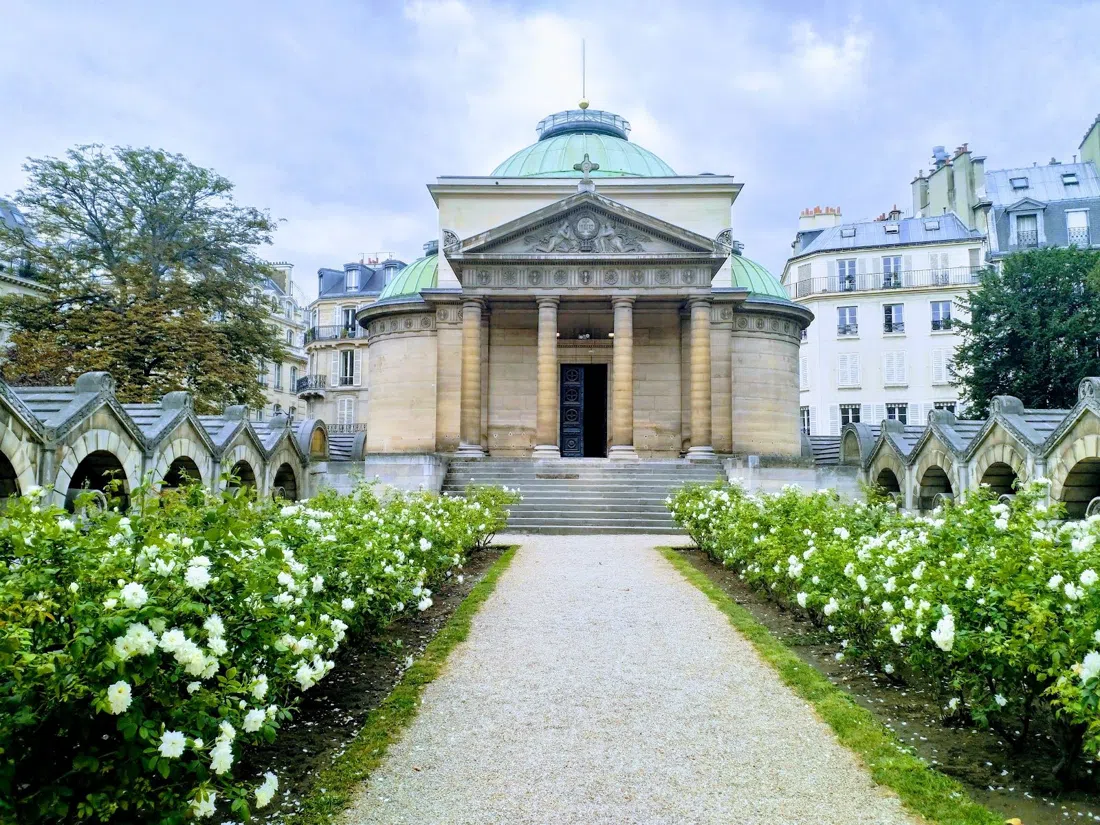
Its counterpart is the Chapelle expiatoire (Saint-Lazare, 8th), built over the Madeleine cemetery where the guillotine's earlier victims were dumped, including the king and queen. Adult entry is about €6, with guided and group visits through the Centre des Monuments Nationaux. Opening hours are narrow (Wednesday to Saturday in winter, Tuesday to Saturday in summer, with a midday closure) and almost nobody comes, which is the reason to go.
The garden cemeteries the Catacombs made possible
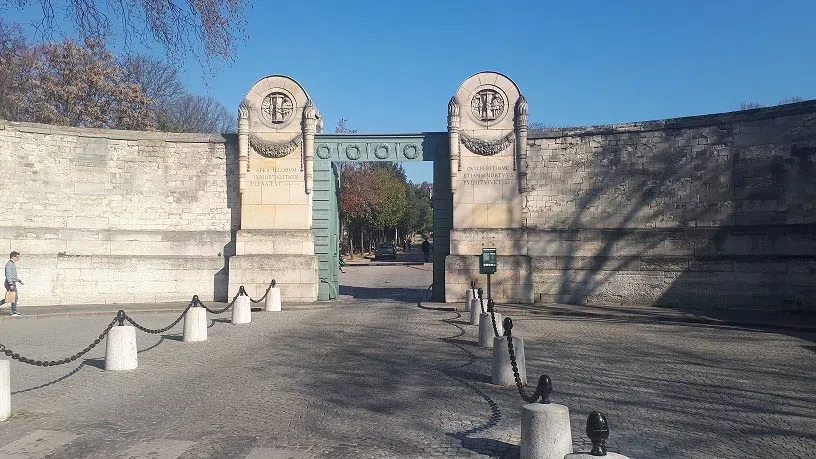
Once the old parish grounds were emptied, Paris needed somewhere new to put people, and what it invented became the model for the rest of the nineteenth-century world. Cimetière du Père-Lachaise (Ménilmontant, 20th) is free and unticketed, the most visited cemetery anywhere, and a genuinely demanding walk: the cobbles are brutal and the hill is steep, so wear real shoes and allow two hours minimum. Guided tours run at weekends, roughly €15 to €25, and groups or school parties can arrange themed private walks around music, literature or the Commune. Free maps are available from the Maison du 20e welcome point at Porte des Amandiers from 15 April to the end of October 2026. Outside those months, screenshot a map before you go in, because the signage will not save you.
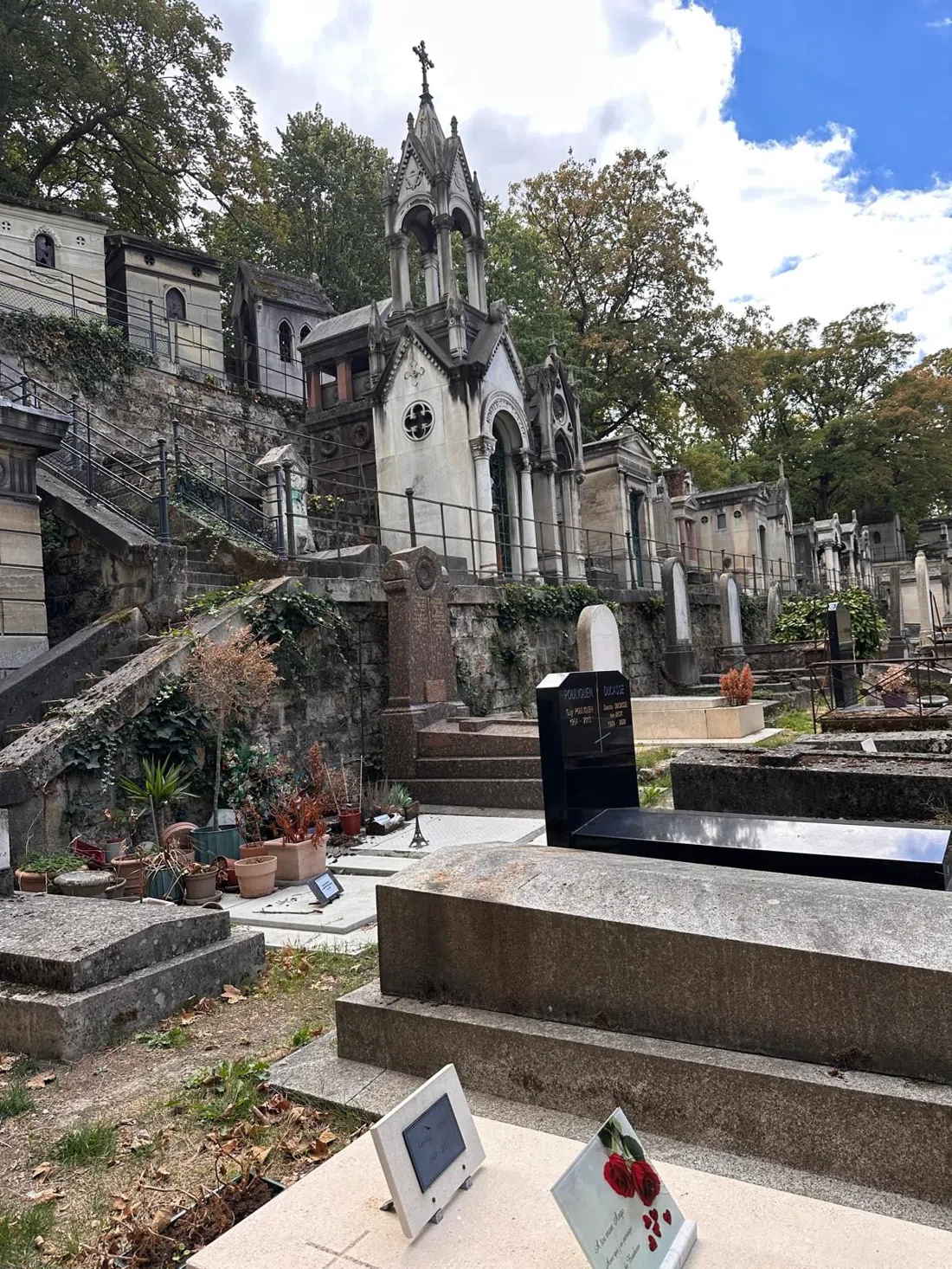
Cimetière de Montmartre (Montmartre, 18th) is the one that argues the case best. The entrance is at 20 avenue Rachel, down a flight of steps from rue Caulaincourt, and the reason for the steps is that the cemetery occupies a worked-out quarry: you stand in a hole in the ground with a road bridge carrying traffic directly over the graves. No panel explains the quarry city as well as standing under that bridge does. Free, open daily, no booking needed even for groups.
A memorial that asks a different register
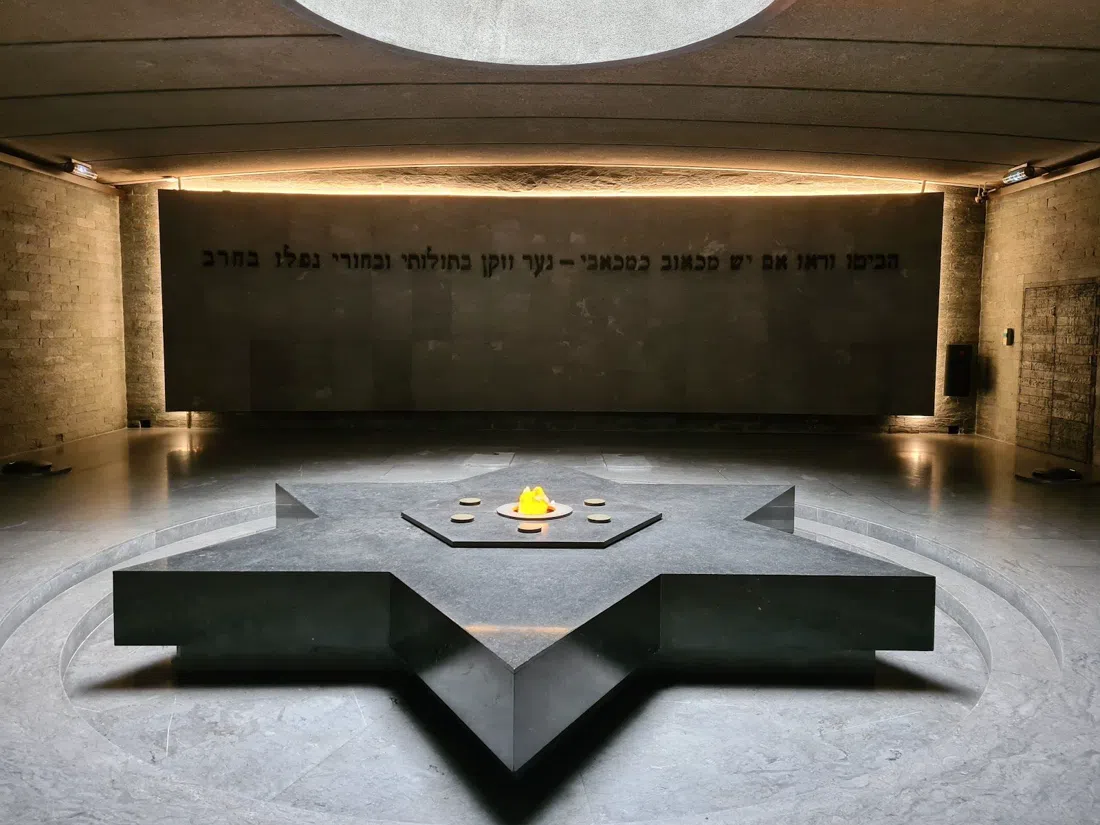
Mémorial de la Shoah (Marais, 4th) belongs in any honest account of the dead in Paris, but it asks for a different register from everything above. It is free, with security screening at the door, and there is an actual crypt of remains at its centre, a few streets from the cafés of the rue des Rosiers. Parties over ten can book group visits at a group rate, and guided sessions are available in English. Do not schedule it as the fourth stop of a busy day; give it its own morning, and do not photograph the Wall of Names as scenery.
The stop that lets you exhale
End, if you have a spare afternoon, at the Cimetière des Chiens et Autres Animaux Domestiques in Asnières-sur-Seine, fifteen minutes from the centre on line 13. Founded in 1899 and among the oldest pet cemeteries in the world, it is a small municipal site of mossy headstones, art nouveau ironwork and a century of handwritten devotion, open daily except Monday for around €5. Guided tours are bookable; keep groups modest, because the paths are narrow. After six million anonymous Parisians, an hour of named, mourned dachshunds is a more useful corrective than it sounds.
Practical notes
Denfert-Rochereau is on metro lines 4 and 6 and RER B, which also runs direct from both airports, and the ossuary, the Liberation museum and Montparnasse cemetery are a single walkable cluster from that one station. Line 13 covers both the basilica at its northern end and the pet cemetery, so pair them on the same half-day. Everything else on this list is inside the metro network, and a carnet-equivalent pass earns itself back by the third stop.
Only one site needs cash, and it needs it absolutely: bring €2 in coins for Picpus. Everywhere else takes cards.
Book the Catacombs first and build the trip around the slot you get, ideally a morning one, because the gallery is calmer early and you surface with a whole day left. Avoid August for Picpus, check the sewers on the morning you plan to go if the river is high, and remember the Monday split at the basilica, the Monday closure at the pet cemetery and the Monday mornings at Saint-Étienne-du-Mont.
A full underground day costs roughly €62 in tickets (Catacombs €31, Panthéon €13, sewers €9, archaeological crypt €9), plus €2 for Picpus and about €6 for the Chapelle expiatoire. Every cemetery is free, and so are the Liberation museum, the memorial and the church. The Museum Pass covers the crypt and the Panthéon but not the ossuary.
Underground it stays around 14°C year round regardless of the weather above, the ossuary floor is wet gravel in places, and Père-Lachaise's cobbles have defeated better footwear than yours. One jumper and one pair of boots cover all of it.
For somewhere to sleep within walking distance of the Denfert-Rochereau cluster, start with a Paris hotel search, and for the rest of the city above ground see the full Paris guide.