Paris travel guides & articles
All 36 in-depth pieces we’ve published on Paris — newest first.
Tours & tickets
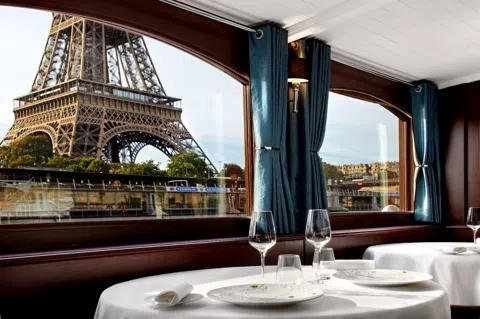
Le Marais After Dark and the Right Seine Dinner Cruise
How to spend an evening in the quartier and pick the dinner boat that suits you, whether that is the 40-cover yacht at Quai Henri IV or the €59 three-decker.
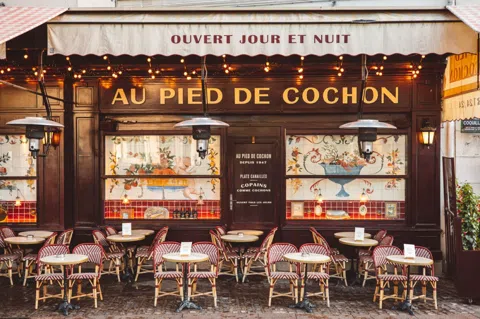
The Paris Brasseries and Bouillons Still Serving at 2am
A walkable late-supper route through the all-night dining rooms Paris built for its market porters, printers and night shifts, with hours, prices and which rooms take a group.
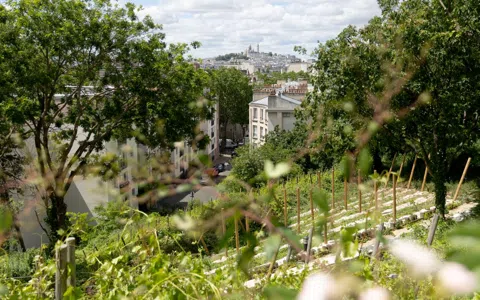
Paris Still Grows Wine on Ten Plots Inside the City
Ten working vineyards survive inside the arrondissements: which ones you can walk into, which you only see through railings, and when the gates open in 2026.
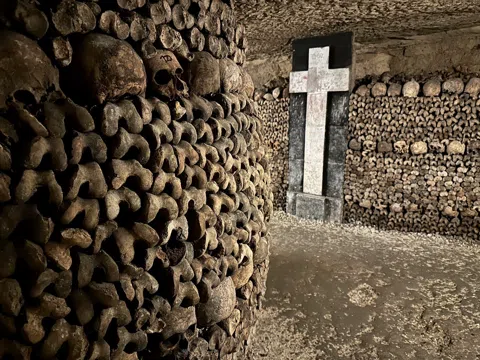
Down 131 Steps Into the Paris of Six Million Dead
Subterranean Paris on foot in 2026: the refitted ossuary under Denfert-Rochereau, the quarry you can only enter by letter, the sewers, and the cemeteries that all of it made necessary.
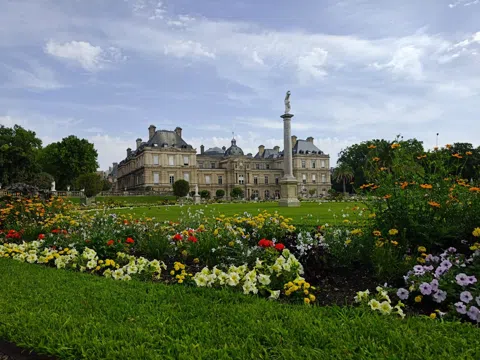
Paris in a Green Chair, Luxembourg to Buttes-Chaumont
Paris leaves a 7.3kg metal chair out in its gardens and trusts you to move it. Here is how to spend a whole afternoon doing exactly that.
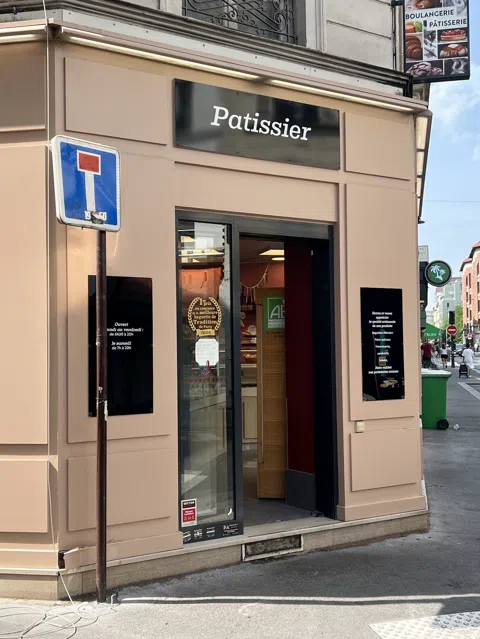
Two Days and Sixteen Boulangeries Across Paris
A walkable 48-hour route through the bakeries that win the city's baguette prize, planned around the closing days that wreck most weekend attempts.
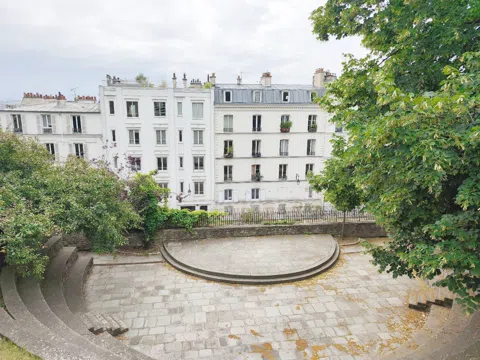
Montmartre's Wine Harvest Turns Paris Loose for Five Days
The Clos Montmartre opens its gates from 7 to 11 October 2026, and half a million people come up the hill to eat, drink and follow the parade — here is how to work the week without queuing for everything.
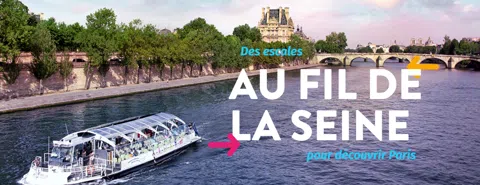
Seeing Paris Without Wrecking Your Feet
Boats, lifts, a funicular and 4,500 free chairs: how to cover the whole of Paris with your legs intact.
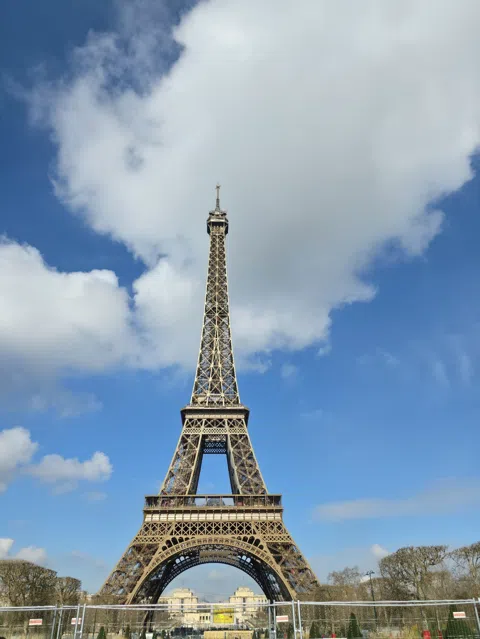
How Safe Paris Really Feels on a First Visit
Where the hassle concentrates, which doors open onto quieter rooms, and how to plan a first evening that ends well.
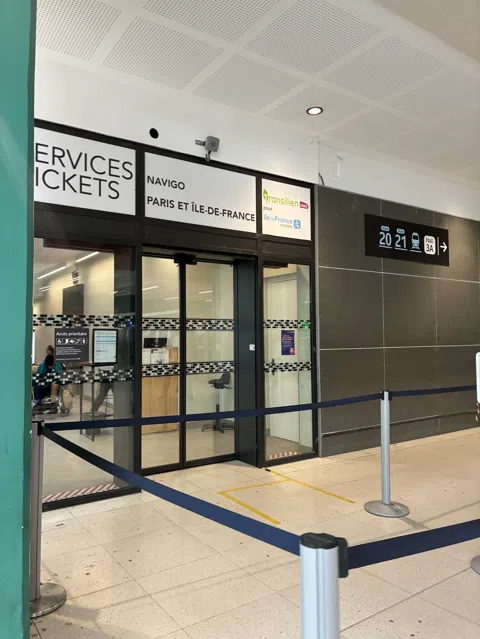
Paris with children on the Métro without losing half a day
With the new Navigo fares, one step-free line and a few boats, buses and 2CVs, a family can cross Paris without spending the day underground.
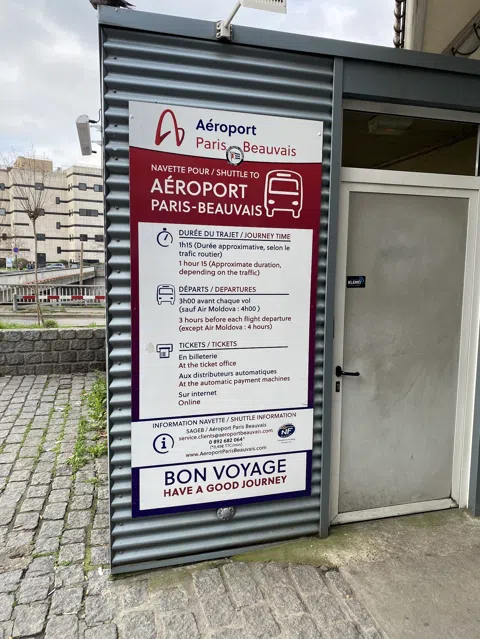
Beauvais to Paris Without Writing Off Your First Evening
Beauvais is 85 kilometres from the Périphérique, and the route you pick before you land decides whether you spend that evening travelling or sitting down to dinner in Paris.
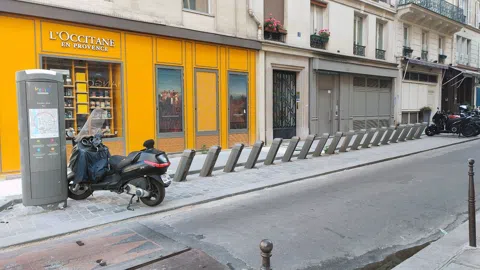
Crossing Paris by Vélib Without Losing the Day
Four rides that join up parts of Paris the Métro keeps separate, with what a pass costs, where bikes are banned outright, and which stops can absorb a group.
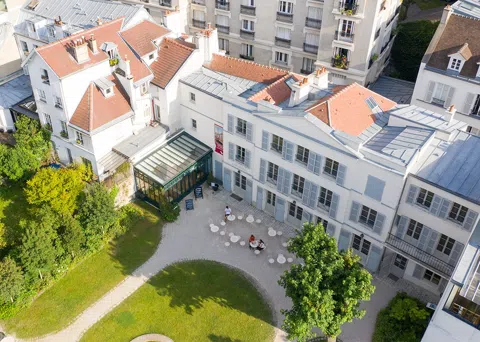
Walking Montmartre in Paris Away From the Basilica
A downhill route through the 18th that leaves the basilica steps behind for a vineyard museum, a working cemetery, a garden bar and a long lunch worth the price.

Paris in October Without the Guesswork
On 1 October the hours, the light and the timed-entry rules all change in Paris, and this is how to build a week around them without wasting a day.
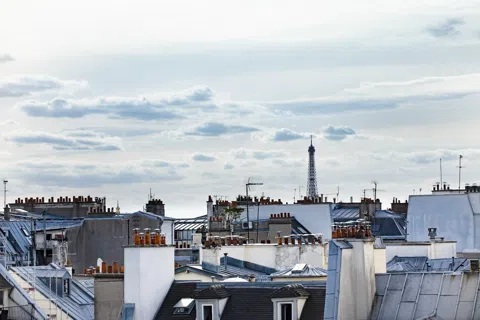
Where to Sleep in Paris Without Losing Days to the Métro
Seventeen Paris addresses picked for how few métro rides they cost you: a €45 hostel bed in the Marais at one end, a five-star on the Left Bank at the other.
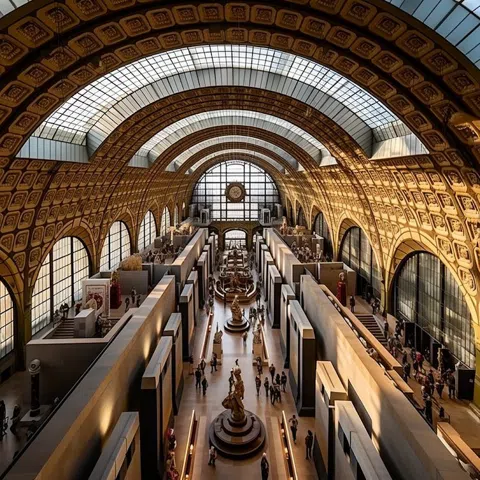
Choosing Between the Louvre and the Orsay in Paris
Two national collections sit on opposite banks of the Seine, and in 2026 the choice usually comes down to the booking rules and the day of the week rather than the paintings.
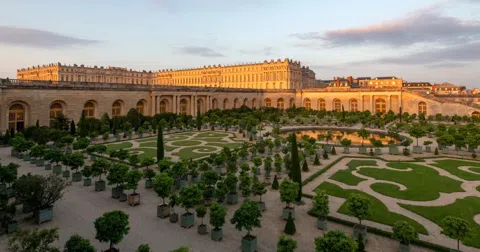
The Day Trips From Paris That Earn the Early Train
Versailles, Giverny, Reims, Normandy, the Loire and Chartres: which escapes from Paris earn a whole day in 2026, and how to build each one so it doesn't wreck the rest of the trip.
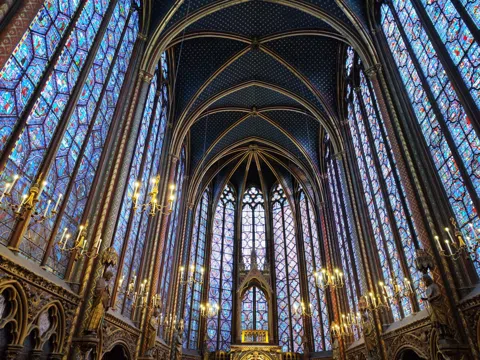
Paris in September When the Queues Finally Move
How to spend a September week in Paris while the crowds thin and the city's own season starts up again: timed tickets, door rules, real prices and walkable routes.
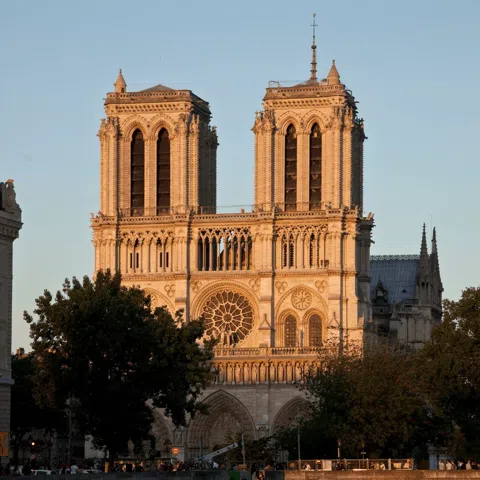
Paris Around the Papal Visit, 24–26 September 2026
The cathedral shuts for three days and Concorde disappears under an open-air Mass. Plan a late-September week in Paris that barely notices.

Plan a First Paris Trip Without Filling Every Hour
Half of every day stays open on purpose. The rest: which Paris bookings actually matter in 2026, and which sights take thirty minutes.
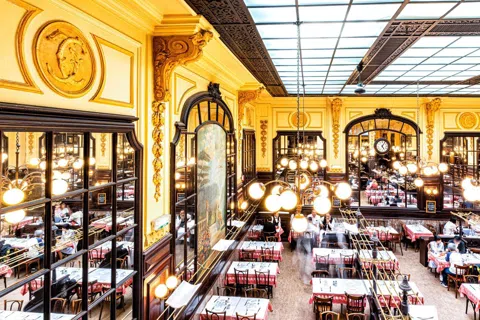
Paris in August Without the Queues or the Shut Kitchens
Which bistros stay open through the annual closure weeks, which rooms hold 14C in a heatwave, and how to plan a day that works around the crowds.
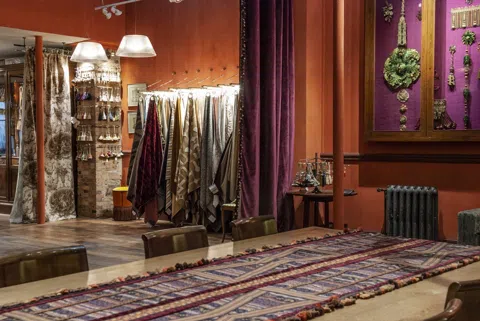
Where Paris Still Hand-Ties Its Gold Fringe and Silk Cord
A walkable trail through the Paris passementerie houses, ribbon shops and working ateliers where braid, tassels and tie-backs are still made by hand, with the door policies spelled out.
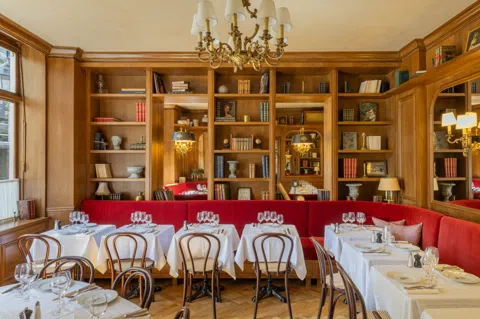
The Paris Restaurants That Outlasted Their Kings
Sixteen Paris dining rooms have outlasted kings, empires, sieges and occupations. Here is how to eat your way through four centuries of them in a single weekend, with the prices, the door policies and a route you can walk.

Art Nouveau Ironwork and Ghost Stations on the Paris Metro
A one-day route through Hector Guimard's surviving ironwork, three painted platforms and the stations that have been dark since 1939, all of it for the price of a few Métro tickets.

The Plaster-Dust Studios of Montparnasse
Beyond Montparnasse's cafés, a working trail of sculptors' studios, artists' ateliers and one still-functioning life-drawing school lets you stand exactly where Modigliani, Zadkine and Giacometti made their plaster dust, provided you know which doors actually open in 2026.

Paris's Rooftop Republic Is Hiding in Plain Sight
From a free viewing platform above a department store to a glass dome over the Seine, here is where Paris hides its best views, and which ones will actually let your group in the door.
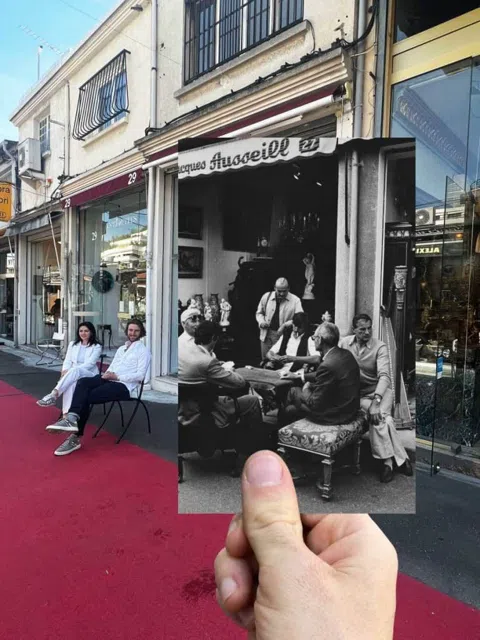
The Saturday Hunt: Paris Flea Markets and the Art of the Find
From the antique galleries of Saint-Ouen to the cash-only bargain tables of Vanves, a practical, honestly priced guide to hunting Paris's flea markets like the dealers do.
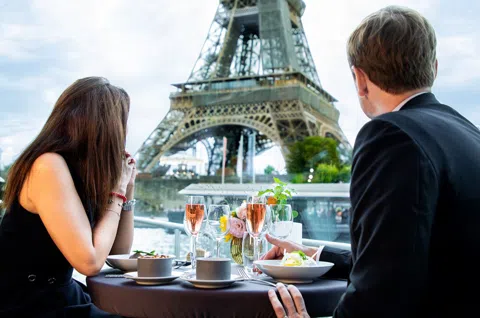
The Seine's After-Dark Glow
A working guide to Paris's night-cruise fleet — from the glass-hulled giants to the one boat with a Michelin star — and which one actually suits the trip you're planning.
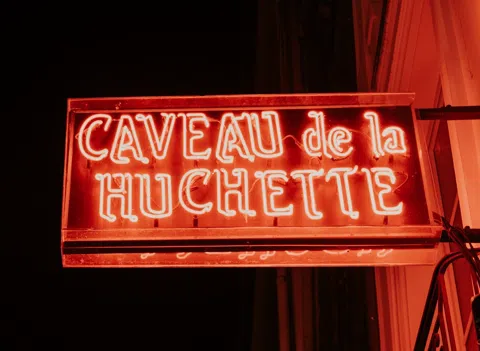
Paris jazz caves and basement clubs — the underground music scene, the vaulted cellars, and the late-night spots where the real Paris comes alive
From the 1946 vault where Sidney Bechet played to the rue des Lombards strip that never quite closes, this is where Paris jazz actually happens after dark in 2026.
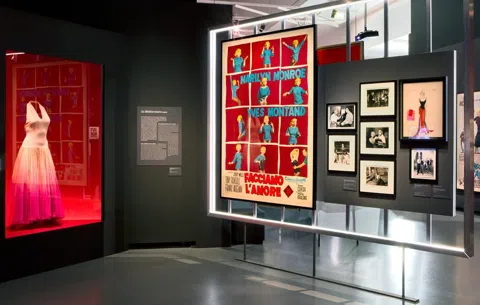
The Screen That Ate Paris: A Cinema-Lover's City, from the Lumière Brothers to the Last Picture Palaces
Paris didn't just love cinema — it invented it, and the proof is still on screen every night, from the Latin Quarter's arthouse caves to a free lawn under the summer stars.
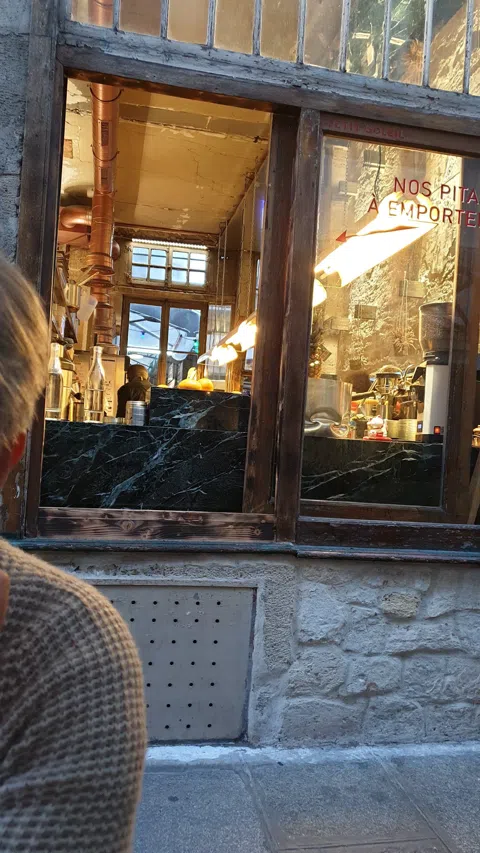
The Marble Counter: Eating Paris One Market Stall at a Time
A stall-by-stall walk through Paris's markets, covered halls and food streets — with the prices, opening days and group realities nobody tells you before you arrive hungry.
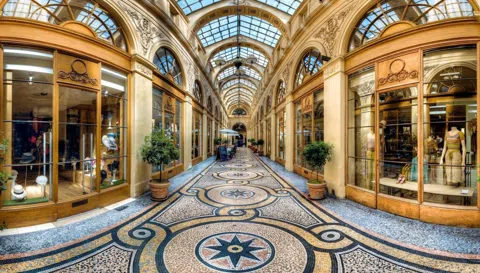
Paris Under Glass: Walking the Passages Couverts as Balzac Did
A slow, walkable circuit through Paris's iron-and-glass arcades — grand, faded, and delicious — traced the way Balzac's characters once haunted them.
Before Paris Wakes: The City's Secret Life at Dawn
A slow-travel route through the hour when the porters, swimmers and bakers own Paris — where to be, when, and whether to bring the group.

The Paris That Doesn't Pose
A calm, walkable route through the northeast city — canals, hilltop guinguettes, market wine and shared tables — where Parisians actually spend their evenings.
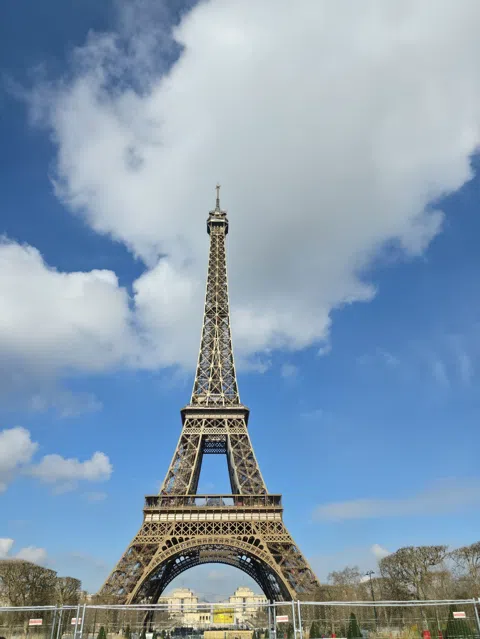
A Local's Paris: Iconic Monuments Without the Queues
A calm, walkable route through Paris's greatest monuments — timed to the side doors, the lift capacities and the small-group climbs the crowds never think to check.
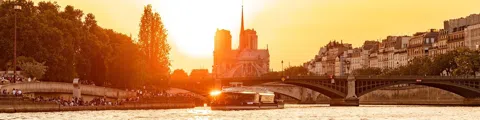
The Best River Cruises in Paris
From the 1949 workhorse under Pont de l'Alma to the only Michelin star that floats — how to choose the right boat on the Seine in 2026, and which ones actually suit your group.